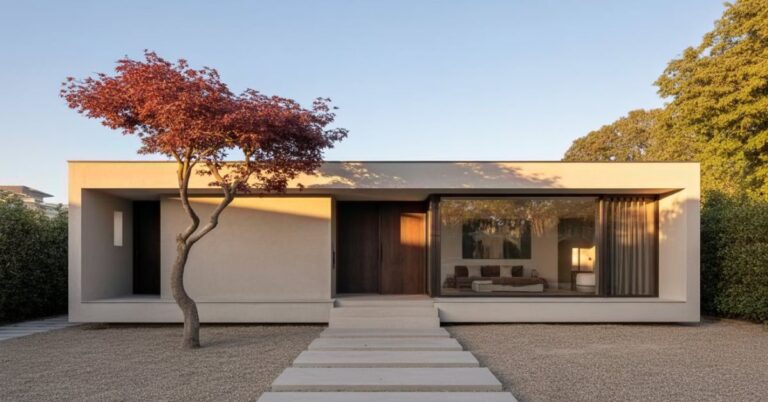
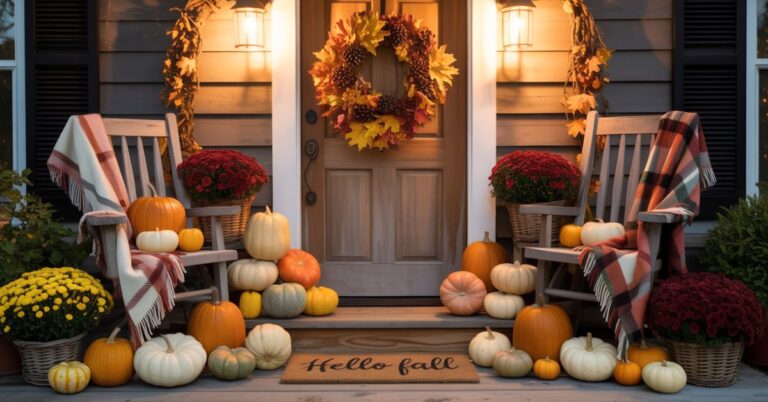
Front Yard Projects For Your Glorious Home

Your front yard looks tired and neglected compared to neighboring homes with polished, inviting exteriors. Overgrown shrubs obscure windows, cracked walkways create tripping hazards, and bare patches of dirt interrupt patchy grass struggling to survive. Visitors barely glance at your home before heading inside, while real estate listings in your neighborhood showcase pristine yards commanding premium prices that make your property’s condition feel embarrassingly inadequate by comparison.
The solution lies in strategic front yard projects combining high-impact improvements with manageable execution requiring modest budgets and basic skills. Professional curb appeal doesn’t demand complete landscape overhauls or contractor-level expertise targeted upgrades focusing on key visible elements deliver transformative results within weekend timeframes and reasonable budgets. You don’t need landscape architecture degrees or unlimited resources to create welcoming, polished exteriors that boost property values while reflecting pride in homeownership.
Understanding which front yard projects deliver maximum visual impact per dollar invested, mastering fundamental techniques ensuring lasting results, and prioritizing improvements addressing your specific property’s weaknesses transforms ordinary front yards into neighborhood standouts that impress visitors, satisfy personal pride, and potentially increase home values significantly when selling time arrives.
How to Create Welcoming Walkway and Pathway Projects
Front walkways serve as primary approaches guiding visitors from street to entrance, making them critical components affecting first impressions and perceived home value. Your walkway improvements are among the most effective front yard projects, combining aesthetic enhancement with functional safety upgrades to deliver substantial impact through relatively simple installations.
Flagstone pathway installation creates natural elegance, replacing cracked concrete or bare dirt routes. Excavate pathways 4–6 inches deep, lay landscape fabric preventing weed growth, add 2–3 inches of crushed stone for stability, then position irregular flagstone pieces creating attractive walking surfaces. Leave 1–2 inch gaps between stones, filling with pea gravel, sand, or allowing groundcovers like creeping thyme to grow for softened appearances. Choose flagstone colors complementing house exteriors gray stones suit contemporary homes, while warm tan or rust tones enhance traditional architecture. This weekend upgrade costs $300–600 for a typical 20-foot walkway depending on stone quality, delivering results lasting decades with minimal maintenance beyond occasional weed removal. Flagstone pathways rank among top front yard projects, with the National Association of Realtors reporting returns of 100–150% of costs when selling properties.
Brick or paver walkway upgrades provide formal, traditional charm suitable for colonial, craftsman, and conventional architecture. Patterns like herringbone, basket weave, or running bond add visual interest beyond simple straight layouts. Excavate pathways properly, install compacted gravel bases to prevent settling, and maintain level surfaces to reduce tripping hazards. Edge pathways with metal or plastic landscape edging, containing materials and creating clean boundaries. Though requiring more initial effort than loose stone alternatives, these improvements rank high among front yard projects due to superior longevity and polished appearances. Costs range from $8–15 per square foot installed for DIY projects using quality materials.
Pathway lighting transforms walkways into safe, welcoming nighttime features while adding architectural interest. Install low-voltage LED lights every 6–8 feet along edges, illuminating walking surfaces without creating harsh glare. Solar-powered options eliminate wiring concerns and electrical costs, though brightness may be less consistent in shaded yards. Position lights to highlight interesting plantings, architectural features, or house numbers, enhancing visibility and security. This affordable addition is a highly recommended front yard projects, costing $150–400 depending on light quality and quantity, dramatically improving evening aesthetics while reducing trip-and-fall risks. The Illuminating Engineering Society recommends 0.5–1.0 foot-candles illumination for residential pathways ensuring safe navigation.
Pathway border plantings soften hard edges while adding color and texture along routes. Install low-growing perennials like catmint, salvia, or daylilies along edges, creating natural borders that define spaces without formal rigidity. Alternate heights and textures to prevent monotonous repetition, combining ornamental grasses with flowering perennials or mixing fine-textured groundcovers with bold hostas. Maintain clear zones 12–18 inches wide to prevent plants from overgrowing pathways and forcing visitors into narrow single-file navigation. These planted borders, costing $100–300 depending on selection, are excellent front yard projects, softening hardscape elements while tying walkways cohesively into the overall landscape.
Budget-Friendly Mulching and Edging Projects
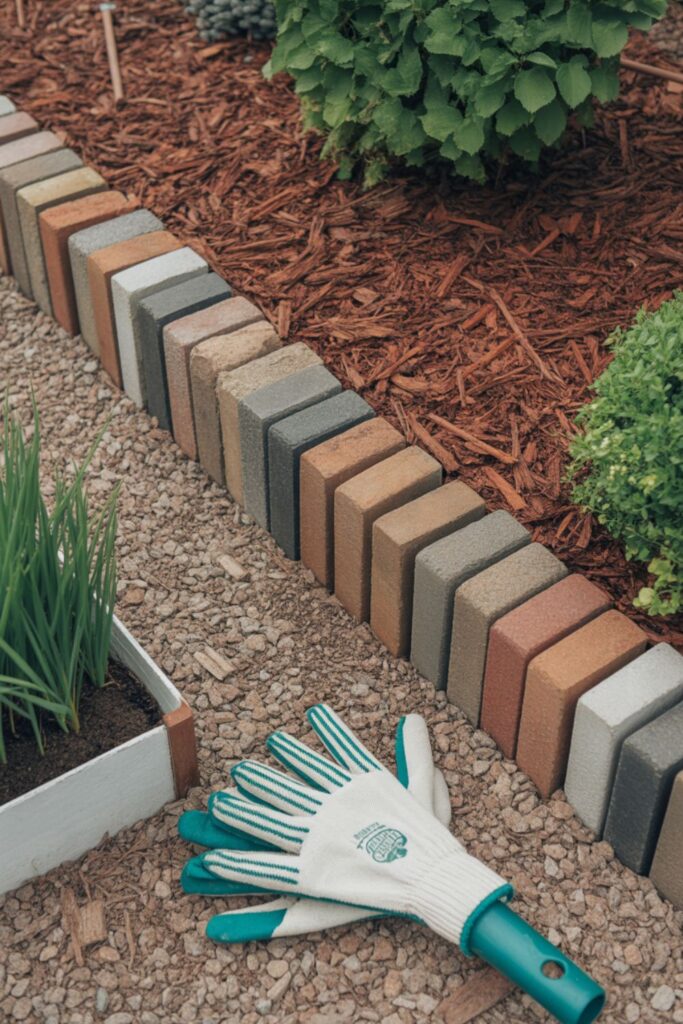
Fresh mulch and defined edges create instant polish throughout front yards with minimal expense and effort. Your attention to these fundamental details ranks among the easiest and most effective front yard projects dramatically improving overall appearances while providing practical benefits including weed suppression and moisture retention supporting plant health.
Professional-looking mulch installation begins with proper bed preparation removing existing weeds and old decomposed mulch. Edge beds cleanly using half-moon edgers or power edgers, creating sharp boundaries between lawns and planted areas. Apply fresh organic mulch shredded hardwood, pine bark, or cedar chips in consistent 2–3 inch layers covering bed surfaces. Pull mulch away from plant stems and tree trunks by 2–3 inches, preventing rot and pest issues that occur when mulch contacts bark directly. Choose mulch colors complementing house exteriors natural brown tones suit most homes, black dyed mulch creates contemporary contrast, and red mulch enhances brick facades. Budget $50–150 for typical front yard mulching depending on bed sizes and mulch quality. This low-cost upgrade is a simple yet highly effective front yard projects, with effects lasting 1–2 years before refreshing. Purdue University Extension recommends organic mulches over inorganic alternatives like rubber for better soil improvement as they decompose gradually.
Steel or aluminum landscape edging creates permanent, maintenance-free borders defining planted areas professionally. Install commercial-grade metal edging along bed perimeters, securing with stakes at ground level or slightly protruding for visible definition. These permanent installations last 20+ years without rotting or shifting, unlike cheaper plastic alternatives deteriorating within 3–5 years. The clean lines prevent grass invasion into beds while providing mowing strips that simplify maintenance. Costs range $2–5 per linear foot depending on material quality, representing worthwhile investments for front yard projects by eliminating annual edging upkeep. Bend flexible edging to create smooth curves along natural bed contours rather than forcing rigid straight lines that appear awkward in naturalistic designs.
Natural stone edging delivers rustic charm using locally sourced rocks or purchased fieldstone to create organic borders. Dig shallow trenches along bed edges, positioning medium-sized stones partially buried for stability. Vary stone sizes and orientations to prevent uniform, manufactured appearances. This timeless technique costs $1–3 per linear foot using local materials and lasts indefinitely with minimal maintenance beyond occasional realignment after frost heaves. Stone edging ranks highly among front yard projects adding weight and presence while complementing informal planting styles in cottage gardens, naturalistic landscapes, or rural properties.
Color-coordinated mulch and plant combinations maximize visual impact from basic materials. Pair dark mulch with light-colored plants like dusty miller or variegated hostas for striking contrast. Natural wood mulch acts as a neutral backdrop, allowing colorful flowers to stand out without competing. Coordinate mulch tones with house trim colors gray mulch echoes gray shutters, brown mulch complements tan siding. These thoughtful color relationships elevate simple mulching and edging tasks into intentional front yard projects, creating consistently polished, well-maintained appearances that neighbors notice and appreciate. Refresh mulch annually in spring to maintain year-round beauty.
Read More About: 27+ Stone In Garden Ideas for Stylish Outdoors
Foundation Planting Upgrades for Instant Impact
Foundation plantings frame houses architecturally while softening hard edges where structures meet the ground. Your strategic plantings create visual transitions between buildings and landscapes while addressing common problems like overgrown shrubs obscuring windows or bare ground exposing foundations unattractively. Evaluating and updating these areas ranks among the most effective curb appeal projects, delivering immediate improvements with relatively modest investment.
Removing overgrown shrubs opens windows, improves natural light penetration, and eliminates pest habitats while instantly enhancing curb appeal. Assess foundation plantings honestly shrubs exceeding window sills or requiring constant pruning should be removed entirely rather than perpetuating futile maintenance efforts. Rent stump grinders for substantial root systems, or dig manually, removing roots to prevent regrowth. This liberating front yard projects costs $0–200 depending on disposal needs and equipment rentals, immediately transforming dark, overgrown facades into bright, welcoming exteriors. Many homeowners discover dramatic improvements simply by removing rather than adding plantings, learning that less truly becomes more.
Layered foundation plantings using trees, shrubs, and perennials create professional-looking compositions mimicking natural landscape layers. Position small ornamental trees like Japanese maples or crabapples at corners for height and seasonal interest. Plant medium-height shrubs like hydrangeas, boxwoods, or dwarf conifers beneath windows and along foundation walls. Fill gaps with low-growing perennials such as hostas, daylilies, or groundcovers completing layers. This three-tiered approach creates depth and dimension while maintaining varied seasonal interest rather than flat, one-dimensional plantings. Following design principles keeps plants shorter than windows they front, maintaining 3–5 feet mature height maximums for most foundation applications. Implementing layered plantings is a classic front yard projects producing professional polish and lasting visual impact.
Evergreen foundation plantings provide year-round structure and greenery when deciduous plants go dormant. Boxwoods, dwarf Alberta spruce, junipers, and hollies maintain foliage through winters preventing barren appearances. These permanent specimens require minimal maintenance beyond occasional shaping while delivering consistent visual interest across seasons. Combine evergreens with deciduous flowering shrubs like hydrangeas or roses adding seasonal color without sacrificing winter presence. This mixed approach ranks among the highest-value front yard projects, offering long-term benefits and lower upkeep compared to annual flower beds.
Flowering shrub additions introduce seasonal color and fragrance to foundation areas. Plant repeat-blooming roses, hydrangeas changing colors throughout seasons, or fragrant gardenias near entries where scents enhance visitor experiences. Choose varieties with extended interest beyond brief bloom periods hydrangeas provide flowers summer through fall plus attractive dried blooms in winter, while roses offer continuous blooms May through frost. Position flowering specimens prominently flanking entryways or beneath front windows for maximum visibility. These investments cost $25–75 per shrub depending on size and variety, qualifying as high-impact front yard projects with years of enjoyment far exceeding annual flower costs.
Eye-Catching Entrance and Front Door Enhancement Projects
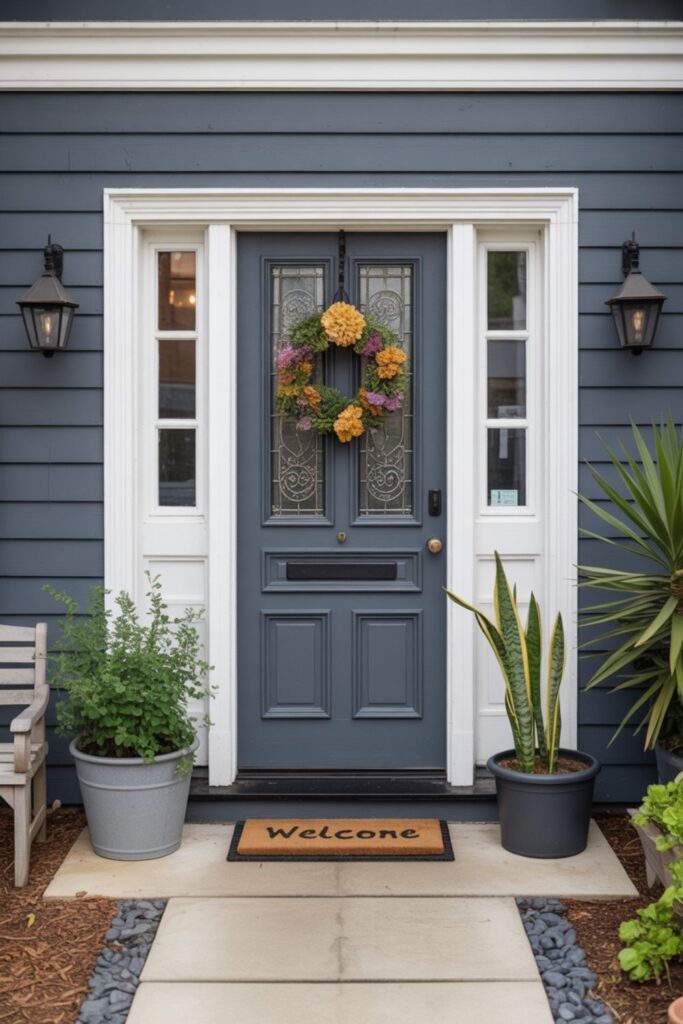
Front entrances create focal points establishing first impressions before visitors even knock. Your entrance upgrades transform bland, forgettable entries into welcoming, memorable features while substantially boosting perceived home value through relatively modest investments. These projects rank among the most noticeable front yard projects with immediate visual impact.
Front door replacement or refinishing delivers dramatic effect as primary focal points. Paint existing doors in bold colors navy blue, red, or black for striking contrast against neutral siding. Alternatively, replace hollow-core doors with solid wood or fiberglass options featuring decorative glass inserts. Door hardware upgrades including new locksets, handles, and house numbers complement freshly painted or replaced doors completing polished transformations. Budget $100–300 for paint-and-hardware refresh projects or $500–2,000 for quality door replacements, making these some of the highest-return front yard projects according to Remodeling Magazine’s Cost vs. Value Report.
Container plantings flanking entrances add seasonal color and welcoming greenery. Position matching large containers (minimum 20–24 inches diameter) on both sides of doors, planting identical seasonal flowers for symmetrical, formal appearances. Use thriller-filler-spiller formulas combining upright focal plants with mounding flowers and trailing vines creating professional, layered looks. Rotate plantings seasonally spring bulbs and pansies, summer annuals and tropical, fall mums and ornamental kale, winter evergreens and berries. These movable installations cost $100–300 per season and qualify as flexible front yard projects, providing seasonal variety impossible with permanent plantings.
Porch lighting upgrades enhance visibility, safety, and architectural interest simultaneously. Replace builder-grade fixtures with stylish alternatives matching home styles lanterns suit traditional homes, while clean-lined contemporary fixtures complement modern architecture. Consider smart lighting with automatic dusk activation for consistent welcoming appearances. Budget $75–300 per fixture, with professional installation adding $100–200 if electrical work exceeds DIY comfort levels. Properly scaled lighting is a simple yet effective front yard projects, improving both function and aesthetic charm.
Porch and stoop upgrades create inviting transition zones between public sidewalks and private interiors. Power-wash concrete stoops to remove accumulated grime, paint floors in colors coordinating with house trim, and add outdoor rugs defining space. Include rocking chairs, benches, or small bistro sets creating functional gathering spots that appear welcoming even when unoccupied. These modest enhancements cost $50–500 depending on scope and materials, ranking as highly visible front yard projects extending living spaces visually and functionally.
Read More About: Potted Flower Garden Landscapes For Beautiful Container
Simple Lawn Care Projects for Improved Curb Appeal
Healthy, well-maintained lawns form backdrops showcasing other landscape elements while significantly impacting overall front yard appearances. Your lawn improvement efforts rank among the highest-return front yard projects, transforming patchy, weedy turf into lush, uniform carpets that elevate entire properties.
Overseeding repairs bare patches and thickens thin lawns, creating fuller, more attractive turf. Rake problem areas vigorously, removing dead grass and loosening soil surfaces. Spread grass seed matching existing varieties at recommended rates (typically 3–6 pounds per 1,000 square feet for overseeding). Cover lightly with straw or peat moss to retain moisture, then water daily until germination occurs in 7–14 days. Fall overseeding delivers the best results in cool-season grass regions, while late spring suits warm-season varieties. This affordable front yard projects costs $30–100 for typical lawns and dramatically improves appearances within 4–6 weeks as new grass establishes and fills gaps. The Lawn Institute reports properly overseeded lawns appear 40–60% fuller within a single growing season without full renovation expenses.
Lawn edging along sidewalks, driveways, and bed borders creates crisp, professional definition. Use power edgers or manual half-moon edgers cutting clean vertical lines between lawns and adjacent surfaces. Maintain straight lines along linear features like driveways, or create gentle curves along bed borders preventing awkward angles. Edge every 2–4 weeks during active growing seasons to maintain sharp boundaries, preventing grass invasion into unintended areas. This zero-cost maintenance task (assuming tool ownership) is a simple yet impactful front yard projects, delivering groomed, intentional appearances that draw eyes to maintained areas while downplaying less-perfect zones. Professional landscapers cite edging as one of the most effective front yard projects separating amateur from professional results.
Fertilizing and weed control treatments improve lawn health, color, and density while reducing weed populations competing with desirable grasses. Apply appropriate fertilizers based on soil test recommendations, typically four applications annually for cool-season grasses (timing and formulations vary regionally). Use pre-emergent herbicides in early spring to prevent crabgrass and other annual weeds before germination, followed by post-emergent spot treatments addressing existing broadleaf weeds. These treatments cost $100–300 annually for typical lawns using quality products, qualifying as essential front yard projects that substantially improve turf quality while reducing long-term maintenance by promoting competitive, healthy grass. Follow label directions carefully to avoid over-application that can damage lawns or the environment.
Mowing pattern variations prevent rut formation and create attractive striped effects enhancing visual interest. Alternate mowing directions weekly north-south one week, east-west the next to prevent soil compaction and encourage upright growth. Create checkerboard or diamond patterns using lawn striper attachments or overlapping passes at alternating angles. Maintain proper mowing heights (typically 2.5–3.5 inches for cool-season grasses), removing no more than one-third total height per mowing to prevent stress. Sharp mower blades create clean cuts promoting health, while dull blades tear grass producing ragged brown edges that appear unkempt. These zero-cost adjustments are deceptively powerful front yard projects, dramatically improving lawn appearances with only attention to detail.
Creative Mailbox and House Number Upgrade Projects
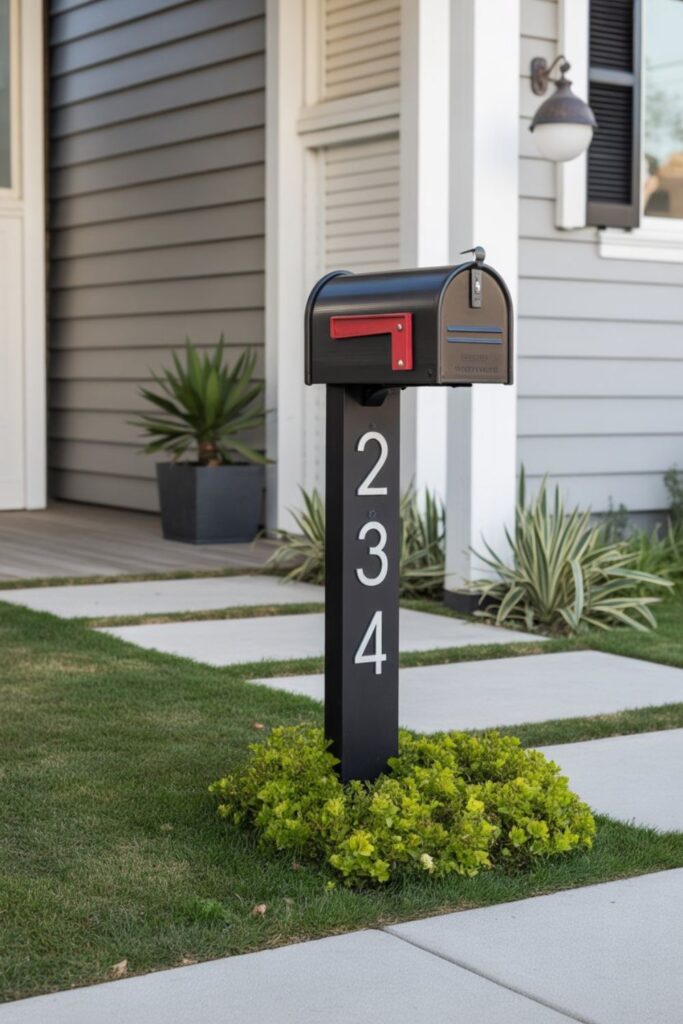
Mailboxes and house numbers serve functional purposes while offering opportunities for creative expression and coordinated design. Your upgrades to these small but visible elements rank among the easiest front yard projects, contributing surprisingly to overall street-front aesthetics through attention to detail that visitors and passersby notice consciously or subconsciously.
Mailbox replacement or enhancement creates focal points along street frontages. Replace rusty, dented, or dated mailboxes with new models matching home styles traditional post-mounted boxes suit rural and suburban settings, while wall-mounted modern designs complement contemporary architecture. Construct decorative posts using brick columns, stone pillars, or substantial wooden posts creating substantial, permanent-looking installations far superior to flimsy metal posts. Add house numbers to mailbox posts improving visibility and creating cohesive identification systems. Plant flowers or small shrubs around mailbox bases integrating them into landscape designs rather than appearing as afterthought add-ons. Budget $50–150 for basic mailbox replacements, or $300–800 for substantial post and landscape integration, making these highly effective front yard projects. Ensure installations meet USPS height and setback requirements to avoid mail delivery issues while maintaining stylish designs.
Oversized, clearly visible house numbers improve wayfinding for visitors and emergency responders while adding modern graphic interest to facades. Install 4–8 inch numerals depending on viewing distances; larger numbers suit properties set back substantially from streets. Choose styles complementing architectural periods classic serif fonts suit traditional homes, while modern sans-serif or minimalist designs match contemporary exteriors. Position numbers prominently near entries at eye level, illuminating them with dedicated lighting or solar-powered options ensuring nighttime visibility. Metal, wood, or painted finishes coordinate with door hardware and exterior trim colors creating cohesive appearances. This $20–100 upgrade represents a small yet impactful front yard projects, delivering functional and aesthetic improvements often overlooked in planning.
Mailbox landscaping integrates functional elements into overall landscape designs. Create small garden beds around mailbox bases, planting low-maintenance perennials like daylilies, ornamental grasses, or drought-tolerant salvias. Edge beds cleanly, mulch consistently matching other yard areas, and maintain plantings preventing overgrowth from obscuring mailbox access. Alternatively, position decorative rocks or small boulders around mailbox posts creating maintenance-free surrounds that prevent mowing challenges. These modest landscaping efforts ($25–75 depending on materials) qualify as simple, high-impact front yard projects that transform isolated roadside elements into integrated landscape components appearing intentional rather than obligatory.
Creative mailbox personalization reflects individual style while maintaining neighborhood standards. Paint mailbox posts in coordinating colors matching house trim or doors. Add decorative elements like house name plaques, welcoming messages, or artistic touches reflecting hobbies and interests gardening themes, nautical motifs, or seasonal decorations rotating throughout the year. Ensure modifications maintain professional appearances rather than appearing cluttered or tacky; often, less proves more in mailbox decoration. These personal touches cost little but serve as memorable front yard projects, creating identifiable properties that delivery drivers, neighbors, and visitors remember and appreciate for individuality within community contexts.
Low-Maintenance Ground Cover and Shrub Projects
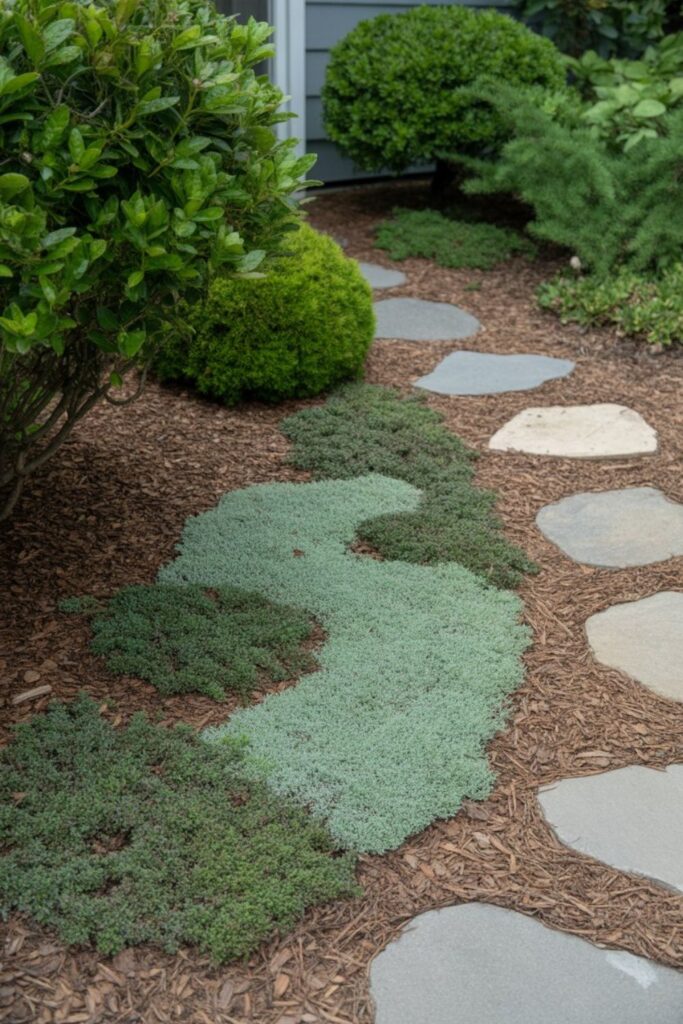
Strategic plant selections reduce ongoing maintenance demands while delivering attractive, functional landscapes. Your low-maintenance projects prioritize plants thriving with minimal intervention, creating sustainable front yards requiring less time, money, and resources long-term.
Ground cover installation replaces high-maintenance grass in difficult areas with attractive, low-maintenance alternatives. Plant creeping phlox, creeping thyme, vinca, or pachysandra in shaded areas under trees where grass struggles. Use drought-tolerant sedum or ice plant on slopes prone to erosion where mowing proves dangerous. These spreading plants suppress weeds naturally while requiring minimal watering once established and zero mowing eliminating perpetual lawn maintenance. Prepare areas properly removing existing vegetation, improving soil with compost, and installing landscape fabric where appropriate preventing weed competition during establishment. Budget $1-3 per square foot for ground cover plantings including materials and plants, with reduced maintenance costs recovering initial investments within 2-3 years compared to ongoing grass care. The Lady Bird Johnson Wildflower Center recommends native ground covers naturally adapted to regional conditions requiring least intervention while supporting local pollinators.
Ornamental grass installations add texture, movement, and year-round interest with virtually zero maintenance. Plant fountain grass, maiden grass, blue fescue, or feather reed grass in masses creating flowing, naturalistic drifts. These specimens require no deadheading, little watering once established, and single annual cutback in early spring as sole maintenance. The grasses provide structure through winter when other plants disappear, adding architectural interest during dormant months. Position grasses as focal points, border plantings, or mass groundcover alternatives creating contemporary, sustainable landscapes. Costs range $8-25 per grass depending on sizes and varieties, with each plant potentially living 10-20 years without division or replacement representing excellent long-term values.
Native shrub plantings establish naturally adapted specimens thriving without excessive intervention. Choose regional native species like serviceberry, viburnum, witch hazel, or beautyberry depending on locations and conditions. These plants evolved in local climates, developing natural pest and disease resistance while supporting native pollinators and birds. They require minimal fertilizing, watering after establishment years, and pruning beyond occasional shaping. Native plants often cost more initially than common nursery stock but recover investments through reduced maintenance and superior long-term health. State native plant societies and extension services provide region-specific recommendations ensuring appropriate selections for specific conditions.
Mulched bed expansions reduce lawn areas requiring mowing, edging, and fertilizing. Convert difficult-to-mow areas, narrow side strips, slopes, areas under trees from grass to planted beds. This strategic conversion reduces maintenance while creating opportunities for ornamental plantings adding seasonal interest. Edge beds cleanly, apply proper mulch depths, and plant with low-maintenance perennials and shrubs appropriate for conditions. These permanent improvements reduce weekly maintenance substantially while potentially increasing property values through enhanced landscaping. The conversion costs vary based on sizes but typically range $500-2000 for typical front yard reductions, with ongoing maintenance savings justifying investments within 3-5 years through reduced lawn care expenses.
FAQs
What front yard project delivers the best return on investment?
Fresh mulch, clean edging, and foundation planting updates deliver the highest visual impact per dollar invested, typically costing $200-600 while potentially returning 100-200% of costs through increased property values and curb appeal according to National Association of Realtors data. These projects require minimal skills, complete within single weekends, and dramatically improve overall appearances through fundamental maintenance and enhancement rather than expensive renovations or installations.
How much should I budget for basic front yard improvements?
Basic curb appeal packages including mulching, edging, mailbox updates, door painting, and modest plantings typically cost $500-1500 for DIY execution on average-sized properties, while more substantial projects adding walkway improvements, lighting, or extensive plantings range $2000-5000 depending on materials and scopes. Prioritize highest-impact visible elements before addressing less-noticeable areas, phasing projects across seasons as budgets allow rather than delaying improvements indefinitely waiting for complete funding.
Can front yard projects be completed without professional help?
Most curb appeal improvements including mulching, planting, painting, edging, and basic hardscape installations suit confident DIYers with basic tools and physical capability, while complex projects like extensive grading, major tree work, or intricate irrigation systems often require professional expertise ensuring proper execution and avoiding costly mistakes. Start with simple projects building confidence and skills before attempting ambitious undertakings, and obtain necessary permits for substantial work affecting drainage, utilities, or neighborhood covenants.
How long do front yard improvement projects typically take?
Single-weekend projects include mulching, edging, planting containers, painting doors, updating mailboxes, and basic shrub installations, while more involved undertakings like walkway construction, extensive bed creation, or major plantings require 2-4 weekends depending on sizes and complexity. Break large projects into manageable phases completing sections fully rather than starting everything simultaneously and finishing nothing, allowing physical recovery between intensive work sessions while maintaining motivation through visible progress.
What front yard projects require permits or HOA approval?
Major grading changes, retaining walls over 3-4 feet, fence installations, permanent structures, and substantial tree removals typically require municipal permits in most jurisdictions, while HOA-governed communities often mandate approval for any visible changes including paint colors, mailbox styles, landscaping modifications, or hardscape additions. Check local regulations and community covenants before starting projects avoiding violations requiring expensive corrections or fines, and submit plans early in planning processes accommodating approval timelines.
Conclusion
Strategic front yard projects transform ordinary exteriors into welcoming, valuable properties through targeted improvements combining aesthetic enhancement with functional upgrades. Your success depends on prioritizing high-impact visible elements including walkways, entrances, foundation plantings, and lawn care over less-noticeable areas, while matching project selections to available budgets, timeframes, and skill levels ensuring completion rather than abandonment. Whether implementing simple weekend tasks like mulching and edging, or tackling ambitious installations including walkway construction or comprehensive planting schemes, curb appeal projects deliver satisfaction through immediate visible results while potentially increasing property values substantially when selling time arrives. The key lies in thoughtful planning considering your property’s specific weaknesses, starting with manageable projects building confidence and momentum, and maintaining completed improvements through basic ongoing care preserving investments long-term.
Your front yard deserves attention that reflects pride in homeownership while creating welcoming environments for family, visitors, and community members. Begin by honestly assessing current conditions, identifying three to five highest-priority improvements addressing most glaring deficiencies or delivering greatest visual impact. Create realistic timelines and budgets, purchasing quality materials ensuring lasting results rather than cheap alternatives requiring premature replacement. Take action this weekend by starting a single project perhaps fresh mulch installation, door painting, or mailbox replacement experiencing immediate satisfaction from visible progress while building momentum for additional improvements.