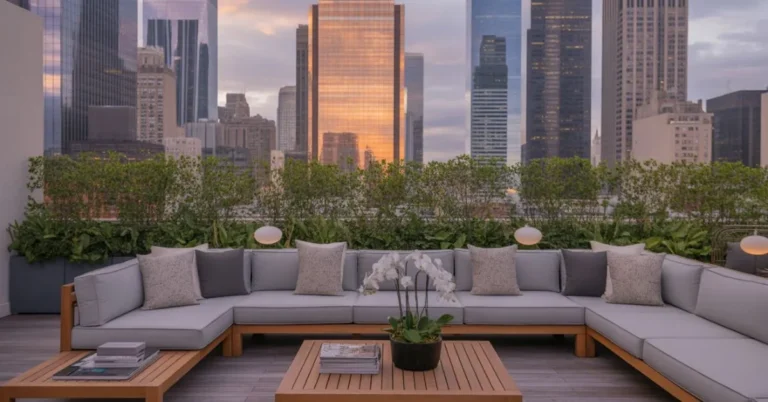
Top Garden Inspiration Ideas for a Beautiful Outdoor Sanctuary

Your garden feels uninspiring. You step outside and see the same tired plants, overgrown shrubs, and a lawn that serves no real purpose. You scroll through social media seeing gorgeous outdoor spaces that spark joy and wonder why your own yard falls flat. The garden inspiration ideas you find online seem either impossibly expensive or completely impractical for your space, climate, or skill level.
This disconnect between vision and reality keeps you paralyzed. You want a garden that reflects your personality and provides a genuine retreat from daily stress, but translating Pinterest-perfect images into achievable projects feels overwhelming. Every garden design concept you encounter seems to require either professional help you can’t afford or expertise you haven’t developed yet.
The truth is that stunning gardens come from combining creative garden inspiration ideas with practical implementation strategies tailored to your specific circumstances. You don’t need a massive budget or horticultural degree, you need thoughtful concepts that work with your space’s conditions, your aesthetic preferences, and your maintenance capacity. This guide presents diverse garden inspiration ideas across multiple styles, scales, and budgets, complete with actionable steps to help you transform inspiration into reality and create an outdoor space that genuinely excites you.
Cottage Garden Charm with Romantic Overflowing Blooms
Cottage garden style epitomizes relaxed abundance where flowers spill over pathways and plants mingle in seemingly effortless profusion. This approach works beautifully for those who love color, fragrance, and a slightly untamed aesthetic.
Layer flowering perennials, annuals, and self-seeding biennials to create continuous bloom from spring through fall. Classic cottage garden plants include roses, delphiniums, foxgloves, hollyhocks, lavender, and peonies combined with herbs like sage and thyme. The key is dense planting that leaves little bare soil visible, creating tapestry-like richness. Allow plants to self-seed and spread naturally rather than maintaining rigid boundaries, volunteer forget-me-nots popping up between paving stones or calendula reseeding throughout beds adds to the authentic cottage feel. This style particularly suits older homes with traditional architecture, though the romantic softness provides lovely contrast to modern structures too.
Incorporate vintage elements and repurposed items as garden decor to enhance the nostalgic charm. An old wheelbarrow planted with trailing petunias, weathered wooden crates stacked and filled with herbs, or antique watering cans serving as quirky containers add personality and storytelling elements. Picket fences, arbors draped with climbing roses, and gravel pathways edged with creeping thyme complete the picture. Despite its abundant appearance, cottage gardens can be relatively low-maintenance since the dense planting suppresses weeds and many traditional cottage garden plants are tough, drought-tolerant performers once established.
Modern Minimalist Gardens with Clean Lines and Structure
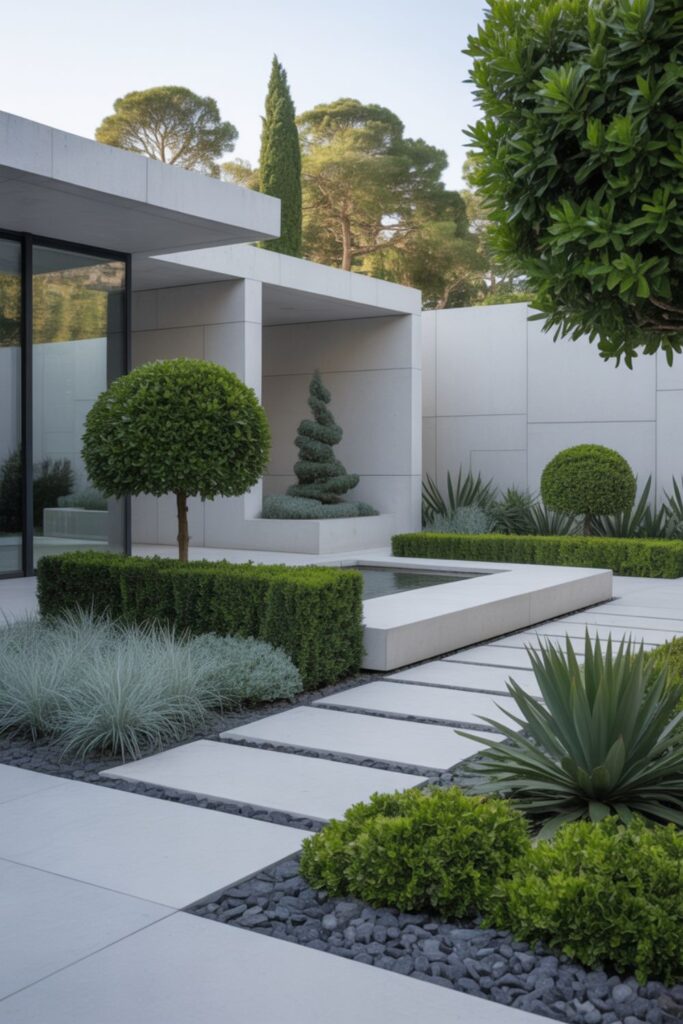
Modern minimalist gardens embrace simplicity, emphasizing form, texture, and negative space over profuse color and variety. This style delivers maximum impact through restraint and careful material selection.
Choose a limited palette of plants, perhaps three to five species repeated throughout the space in bold groupings. Ornamental grasses like Miscanthus, structural evergreens such as boxwood spheres, and architectural plants like Agave or Yucca provide year-round interest without visual clutter. Repeat these elements rhythmically to create unity and flow. Ground covers like creeping thyme or Sedum replace fussy flower beds, while swaths of a single grass species create living sculpture. The focus shifts from individual blooms to overall composition, shadows, and how plants interact with hardscape elements.
Materials matter tremendously in modern minimalist design. Poured concrete, steel planters, smooth river rocks, and weathered wood create sophisticated contrast. Large format pavers in geometric patterns, polished aggregate paths, or decomposed granite surfaces provide clean backgrounds that highlight plant forms. Built-in seating, fire features integrated into retaining walls, and concealed lighting maintain the uncluttered aesthetic. This style requires disciplined maintenance and every element remains intentionally placed, so stray weeds or overgrown plants immediately disrupt the careful composition. However, the limited plant palette actually simplifies care once the design is established.
What Are Some Budget-Friendly Garden Inspiration Ideas?
Creating garden inspiration ideas doesn’t require unlimited funds when you prioritize investments strategically and embrace creative resourcefulness.
DIY projects using reclaimed materials deliver character at minimal cost. Pallet wood transforms into vertical planters, pathway borders, or compost bins. Broken concrete from demolished patios becomes free urbanite for retaining walls or pathway edging. Fallen logs from tree trimming create natural seating or raised bed borders that develop moss and patina over time. Visit construction sites, check free sections of online marketplaces, and ask neighbors during renovations perfectly usable materials that get discarded constantly. These reclaimed elements add authentic texture that new materials can’t replicate while keeping costs near zero.
Propagation and plant swaps multiply your plant collection without spending significantly. Perennials divide easily after a few years, creating multiple plants from one purchase. Many plants root readily from cuttings lavender, rosemary, succulents, and hydrangeas propagate with simple techniques requiring just pots, soil, and patience. Join local garden clubs or online community groups where members trade divisions, seeds, and cuttings. One purchase of an expensive ornamental grass becomes dozens of plants within three years through division. Annual flowers and vegetables grown from seed cost pennies per plant compared to nursery transplants, and heirloom varieties can be saved for replanting, eliminating even that small expense in subsequent years.
Edible Landscape Concepts That Combine Beauty and Function
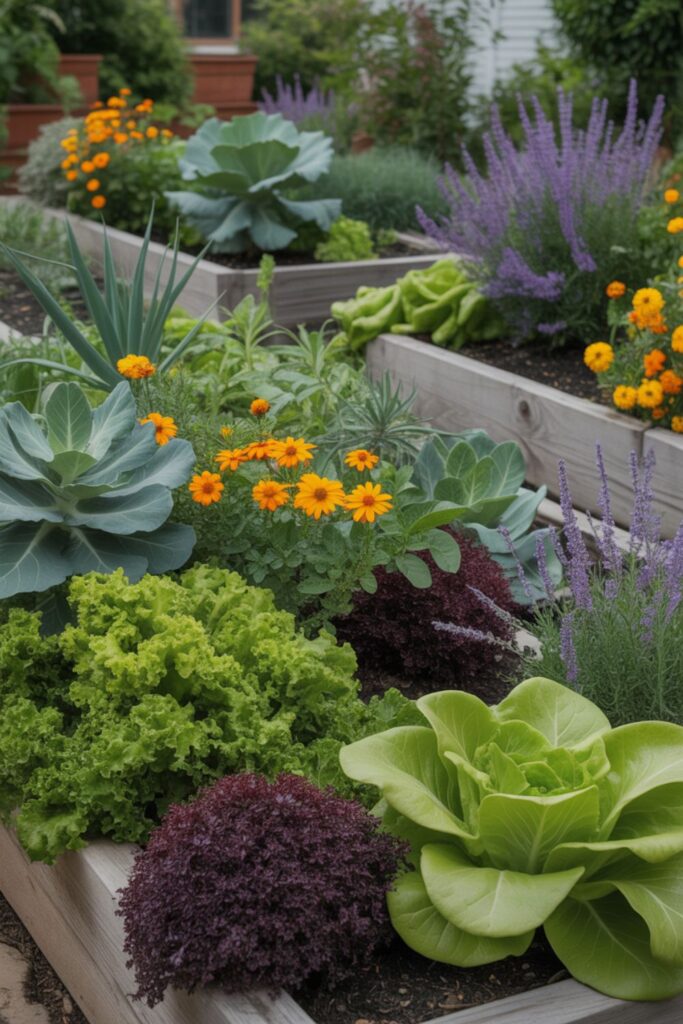
Edible landscaping integrates food production into ornamental designs, proving that productive gardens can rival purely decorative spaces for visual appeal.
Replace traditional shrubs with edible alternatives that offer equal aesthetic value. Blueberry bushes provide spring flowers, summer fruit, and spectacular fall foliage colors. Dwarf fruit trees espaliered against fences create living sculpture while producing harvests. Artichokes grow as stunning architectural plants with silvery foliage and purple flowers even if you never eat the buds. Herbs like purple sage, variegated thyme, and golden oregano deliver color and texture rivaling ornamental perennials while supplying fresh seasonings. This approach maximizes space utility every plant earns its place through multiple contributions rather than existing solely for appearance.
Design vegetable beds as ornamental features rather than utilitarian plots hidden in back corners. Raised beds built from attractive materials like cedar, stone, or composite lumber become garden focal points. Arrange vegetables by color and texture rainbow chard with burgundy stems next to blue-green kale creates striking combinations. Add trellises with flowering vines like scarlet runner beans that produce beauty and food simultaneously. Edge beds with dwarf flowers or herbs, and incorporate containers with cherry tomatoes as moveable color spots. The French potager tradition demonstrates how vegetables arranged in geometric patterns with gravel pathways create formal elegance. This integrated approach particularly suits smaller yards where dedicating separate areas to vegetables and ornamentals wastes valuable space.
Read More About: 27+ best Cozy Backyard Ideas for a Personal Outdoor Retreat
Shade Garden Ideas for Challenging Low-Light Areas
Shady spots often get dismissed as problem areas, but embracing shade-loving plants reveals unexpected beauty and tranquility.
Foliage becomes the primary design element in shade gardens since fewer plants bloom prolifically without sun. Fortunately, shade-tolerant plants offer remarkable foliage diversity; hosts alone provide hundreds of varieties ranging from blue-gray to chartreuse, solid to variegated, diminutive to dinner-plate sized. Combine different leaf shapes, textures, and colors to create rich tapestries that remain interesting from spring through fall. Ferns add feathery softness, Heuchera contributes burgundy and bronze tones, and Brunnera offers silver-splashed heart-shaped leaves. Japanese forest grass provides graceful fountains of cascading foliage, while Lamium spreads as a silvery groundcover. Layer these plants by height just as you would in sunny beds, but focus on foliage contrast rather than flower succession.
Enhance shade garden inspiration ideas with elements that capitalize on the cooler, more intimate atmosphere. Moss is encouraged naturally in damp shade, or you can promote it by blending moss with buttermilk and painting it onto rocks or statuary. Water features feel particularly at home in woodland settings; a simple basin fountain or small pond creates tranquil sounds that suit the contemplative mood. Lighting transforms shade gardens at night uplights highlighting tree trunks and architectural foliage, path lights ensuring safe navigation, and string lights adding magical ambiance. Stone pathways, weathered benches, and aged containers develop appealing patina in shade that would bleach out in full sun. Rather than fighting low light, lean into the mystical, serene qualities that shade provides.
Container Garden Inspiration for Patios and Small Spaces
Container gardens offer unmatched flexibility, allowing you to create impressive displays regardless of ground space, soil quality, or rental restrictions.
Create dynamic compositions by combining plants with different growth habits in single large containers. The thriller-filler-spiller formula provides a reliable framework choose one tall, dramatic plant as the thriller (ornamental grass, Cordyline, or upright annual), surround it with mounding fillers (geraniums, petunias, or coleus), and add trailing spillers around edges (sweet potato vine, ivy, or trailing verbena). Use generously-sized containers (at least 18-24 inches diameter) that won’t dry out quickly and provide adequate root space. Color coordinate pots themselves as design elements: a collection of mismatched containers in various materials creates eclectic charm, while uniform pots in a single color or material deliver cohesive sophistication.
Group containers in odd-numbered clusters at varying heights to create visual interest and impact. Three pots of graduated sizes arranged together read as a single composition rather than scattered elements. Elevate some containers on upturned pots, plant stands, or blocks to vary heights within the grouping. Move containers seasonally to follow the sun or adjust displays cold-sensitive plants can winter indoors, then return outside when temperatures warm. This mobility makes container gardens ideal for renters who want impressive gardens without permanent installations. For year-round displays, choose evergreen shrubs, ornamental grasses, or cold-hardy perennials as foundations, then swap seasonal color annuals around them. Containers also solve poor soil problems and fill them with premium potting mix regardless of the native ground conditions.
Wildlife-Friendly Garden Concepts That Support Biodiversity
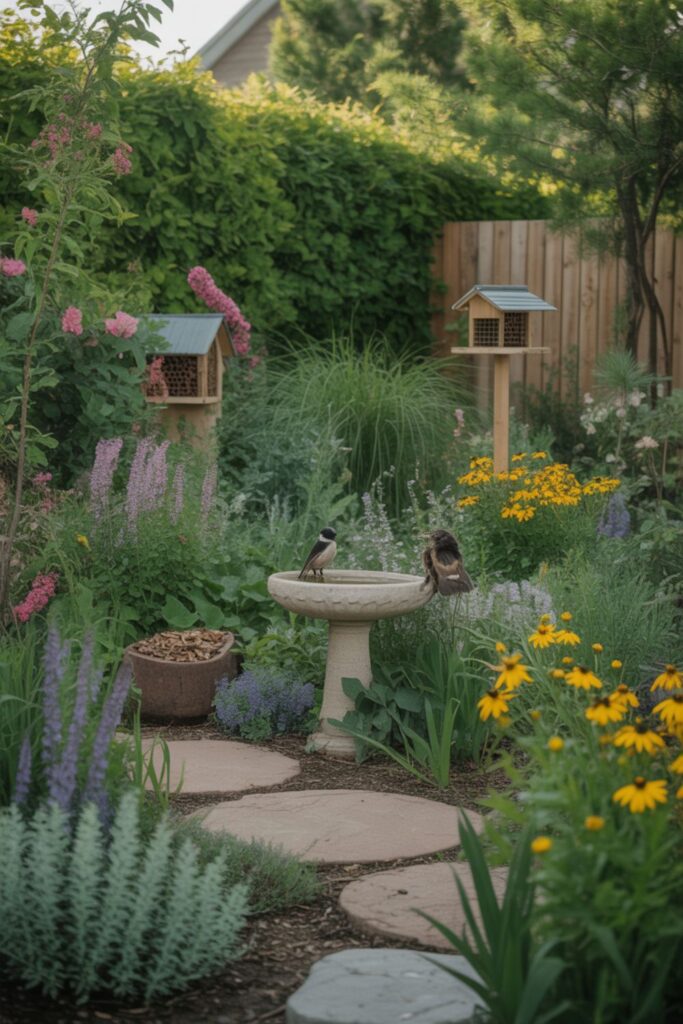
Wildlife gardens attract birds, butterflies, bees, and beneficial insects while creating dynamic spaces where something is always happening.
Select native plants that evolved alongside local wildlife species and provide essential resources. Native flowers produce nectar, pollen, and seeds that regional species recognize and utilize, while non-native ornamentals often fail to support wildlife despite appearing attractive. Research native plant species for your region through extension services or native plant societies. Create bloom succession with native flowers that provide nectar from early spring through late fall spring ephemerals for emerging bees, summer coneflowers and bee balm for butterflies and hummingbirds, fall asters and goldenrod for pollinators preparing for winter. Include host plants where butterflies lay eggs and caterpillars feed milkweed for monarchs, parsley and dill for swallowtails, native grasses for skipper butterflies.
Provide diverse habitat elements beyond just plants. Water sources like bird baths, shallow dishes, or small ponds offer drinking and bathing spots. Leaving some areas slightly wild, brush piles provide shelter for small mammals and ground-nesting birds, while standing dead trees (snags) host cavity-nesting birds and beneficial insects. Reduce or eliminate pesticides that harm pollinators and disrupt food chains. Let spent flower heads stand through winter rather than cutting everything back seeds feed birds and hollow stems shelter native bees. Add nesting boxes for specific species, bee hotels for solitary bees, and shallow mud puddles that butterflies use for nutrients. The resulting garden pulses with life, offering entertainment and educational opportunities while supporting ecosystem health.
How Can I Create a Meditation or Zen Garden?
Zen gardens emphasize simplicity, contemplation, and carefully composed elements that inspire mindfulness and peace.
Embrace minimalism with carefully selected elements that each hold significance. Traditional Zen gardens use raked gravel or sand representing water, large rocks symbolizing mountains or islands, and sparse planting of moss, bamboo, or carefully pruned evergreens. The act of raking patterns into gravel becomes meditative practice itself. Create modern interpretations by establishing a dedicated quiet corner with a simple bench, one beautiful specimen plant or stone as a focal point, and removal of visual clutter. The goal is space that invites you to pause, breathe, and be present rather than stimulating you with abundant color and variety.
Incorporate elements that engage senses subtly. Bamboo water fountains (shishi-odoshi) create periodic sounds that mark time passing. Wind chimes provide gentle auditory interest. Fragrant plants like Daphne or jasmine near seating areas add subtle scent without overwhelming. Smooth stones cool to touch invite tactile interaction. Keep pathways narrow and winding to slow movement and encourage mindful walking. The aesthetic embraces imperfection and natural aging weathered wood, moss-covered stones, and asymmetrical arrangements reflect wabi-sabi philosophy that finds beauty in impermanence and simplicity. This style particularly suits those feeling overwhelmed by busy lives and seeking outdoor spaces that restore rather than stimulate.
Tropical Paradise Garden Themes for Bold Impact
Tropical style gardens deliver drama through oversized foliage, exotic flowers, and lush layering that transports you to far-flung destinations.
Hardy tropical-looking plants create the aesthetic even in temperate climates. Large-leaved plants like Colocasia (elephant ears), Canna lilies, bananas (hardy varieties exist for zone 7 and sometimes 6), and Ricinus (castor bean) provide the bold foliage that defines tropical style. Combine these with ornamental grasses, Hibiscus, and Brugmansia for a jungled effect. Bright colors, hot pinks, oranges, reds, and purples intensify the tropical vibe. In colder zones, treat tender tropical plants as annuals, dig and store tubers for winter, or grow them in containers that move indoors during cold months. The investment pays off in the dramatic transformation these plants deliver.
Support the tropical theme with appropriate hardscaping and decor. Bamboo fencing, thatched umbrellas, teak furniture, and colorful ceramic containers reinforce the style. Add a water feature with tropical plants like papyrus or water lilies. Lighting strung between palms or hidden among large-leaved plants extends usability into evening. Consider scent, night-blooming tropical flowers like Datura or jasmine add another sensory layer. Even cold-climate gardens can channel tropical vibes during growing season through bold plant choices and strategic decor, then transition to more modest winter interest plants when tropical specimens retreat indoors or die back.
Vertical Garden Solutions for Maximizing Growing Space
Vertical gardens transform walls, fences, and vertical structures into productive growing areas, multiplying your effective garden space.
Living walls use pocket planters, wall-mounted boxes, or sophisticated hydroponic systems to create tapestries of plants on vertical surfaces. Start simply with horizontal rows of gutter planters mounted to fences; these work excellently for herbs, lettuce, and strawberries. Fabric pocket planters with multiple openings hang like tapestries and suit smaller plants and trailing varieties. For more ambitious projects, modular living wall systems with built-in irrigation create stunning green facades. Choose plants based on light exposure; full sun walls suit Mediterranean herbs and succulents, while shade walls work for ferns, impatiens, and Heuchera. Keep plant size appropriate smaller varieties establish better and don’t overwhelm the structure.
Trellises and arbors support climbing plants while adding architectural interest and vertical dimension. Annual vines like morning glories, hyacinth bean, and sweet peas provide quick coverage, while perennial climbers like clematis, climbing hydrangea, and trumpet vine offer permanent structure. Edible vines including pole beans, cucumbers, peas, and passion fruit combine productivity with beauty. Train espaliered fruit trees flat against walls or along horizontal wires for space-efficient fruit production. These vertical solutions work particularly well in narrow side yards, against blank walls, or anywhere ground space is limited but vertical opportunity exists. Remember that vertical garden inspiration ideas require more frequent watering since soil volumes are typically smaller and elevated positions expose plants to drying winds.
Mediterranean Garden Ideas Inspired by Coastal Climates
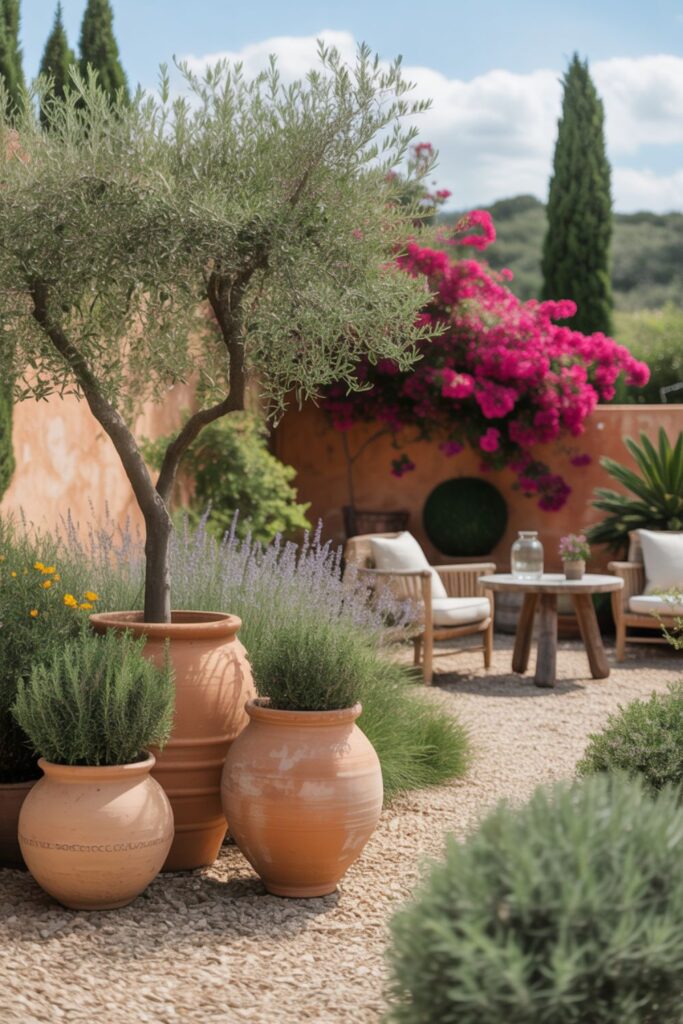
Mediterranean style garden inspiration ideas evoke sunny coastal regions through drought-tolerant plants, warm colors, and materials that reflect intense light.
Build the plant palette around species adapted to hot, dry summers and mild winters. Lavender, rosemary, sage, santolina, and other aromatic herbs form the backbone, tolerating drought while providing silvery foliage and fragrance. Add ornamental olives, citrus (where hardy), and grape vines for authentic Mediterranean character. Flowering drought-tolerant perennials like catmint, salvia, and yarrow provide color without demanding constant water. Pots filled with herbs, succulents, or dwarf citrus add mobility and the ability to protect tender plants during winter in cooler climates. Gravel mulch rather than organic mulch suits Mediterranean plants better; it reflects light, drains immediately, and doesn’t hold moisture against drought-adapted stems.
Materials and hardscaping establish the Mediterranean aesthetic as strongly as plants. Terra cotta, ceramic tiles, stucco walls, and warm-toned stone create authentic backdrops. Gravel pathways, decomposed granite surfaces, and simple geometric layouts reflect the style’s restrained elegance. Built-in seating with cushions in vibrant blues, oranges, and whites adds color without relying solely on flowers. Water features like terra cotta fountains or ceramic wall fountains provide cooling sounds. If your climate differs from true Mediterranean regions, you can still capture the feeling by creating sheltered, warm microclimate south-facing walls, gravel mulch, and raised beds that warm faster and drain better, extending the range of Mediterranean plants you can grow successfully.
What Are Some Unique Garden Focal Point Ideas?
Compelling focal points create destinations within your garden and express personal style through distinctive elements that command attention.
Unexpected objects repurposed as garden art inject personality and conversation-starting interest. An old door mounted vertically and draped with vines becomes garden sculpture. Vintage windows create frames for views or mirror inserts that reflect surrounding plants. Architectural salvage corbels, columns, iron gates add history and gravitas. Musical instruments weathered beyond playability (guitars, violets, pianos) transform into planters or art installations. These unique pieces tell stories and make your garden unmistakably yours rather than generic. Visit salvage yards, estate sales, and online marketplaces for affordable finds, then let creativity guide their placement and purpose.
Sculptural plant specimens serve as living focal points with year-round presence. Dramatically pruned evergreens in cloud-pruned or topiary forms become living sculpture. Specimen trees with interesting bark, branching patterns, or seasonal interest anchor spaces paperbark maple, stewartia, or Japanese maple varieties offer multi-season beauty. Oversized containers planted with single statement plants, a massive Agave, towering ornamental grass, or perfectly shaped boxwood sphere create instant impact. Position these focal points at path intersections, terminating sight lines, or framing views to maximize their effectiveness. Remember that one substantial focal point per garden area works better than multiple competing elements that create visual confusion.
Romantic Garden Lighting Ideas for Evening Ambiance
Lighting extends garden usability past dusk while transforming spaces into magical nighttime destinations with completely different character than daytime.
Layer different lighting types to create depth and functionality. Path lights ensure safe navigation along walkways choose low-profile fixtures that provide illumination without glare. Uplights positioned at tree bases wash trunks and canopy with dramatic shadows and depth. Downlights mounted in trees create moonlight effects filtering through branches. Spotlights highlight focal points like sculptures, water features, or architectural plants. String lights draped overhead establish an enchanting ambiance for seating areas; warm white bulbs create classic elegance while colored lights suit festive occasions. Solar-powered options eliminate wiring challenges, though plug-in LED systems typically offer better reliability and brightness control.
Creative lighting approaches add personality beyond standard landscape fixtures. Mason jars with LED candles or solar lights hung from branches create rustic charm. Lanterns on posts or tables suit cottage and Mediterranean styles. Lighting inside water features makes them evening focal points, submersible lights illuminate ponds from below while fountains lit from within become sculptural elements. Fiber optic lights woven through hedges or along bed edges create subtle definition. Use timers or smart controls to automate lighting, ensuring your garden glows invitingly without manual effort. Remember that less is more, and overlighting destroys mystery and magic that shadows and subtle illumination create.
Sustainable and Eco-Friendly Garden Concepts
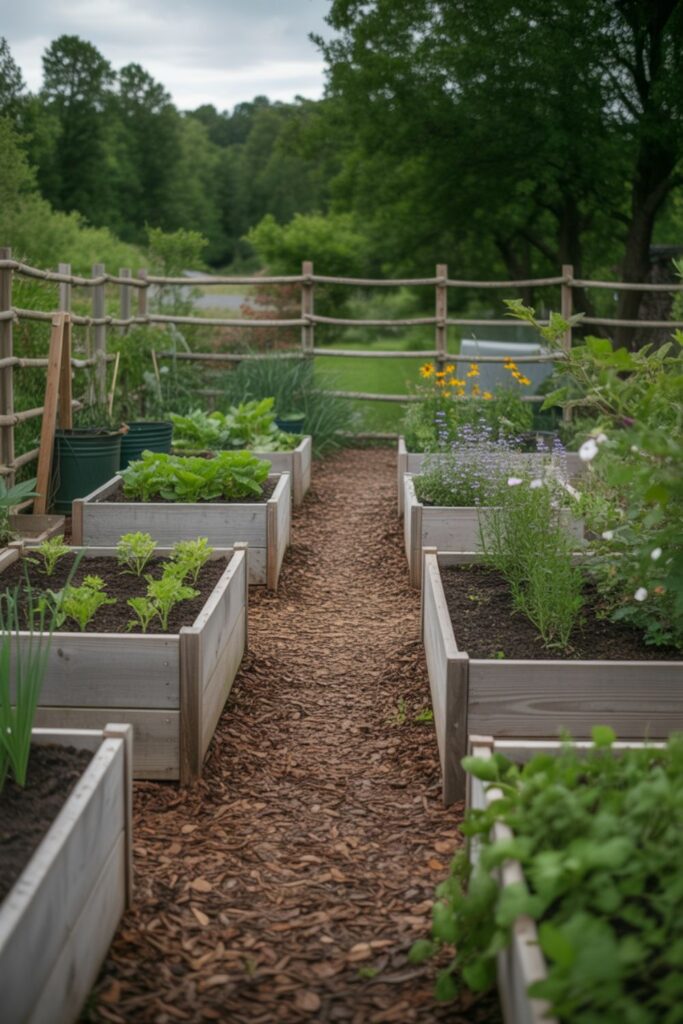
Sustainable garden inspiration ideas work with natural systems rather than against them, creating beautiful spaces that minimize resource consumption and environmental impact.
Xeriscaping principles reduce or eliminate supplemental watering by matching plants to natural rainfall patterns. Group plants by water needs into hydrozones drought-tolerant species in areas receiving no irrigation, moderate water users in zones receiving occasional deep watering, and thirsty plants limited to small areas with efficient drip irrigation. Choose native and adapted plants that evolved in your climate and naturally tolerate local conditions. Improve soil with compost to increase water retention rather than irrigating poor soil more frequently. Use mulch extensively to reduce evaporation and moderate soil temperatures. These strategies create resilient gardens that thrive during droughts while reducing water bills and environmental strain.
Close the loop by composting waste and building soil fertility naturally. Compost bins or tumblers convert kitchen scraps and yard waste into nutrient-rich soil amendment. Grasscycle by leaving clippings on lawns rather than bagging them. Create wildlife habitats that support beneficial insects and pollinators that naturally manage pests. Avoid synthetic chemicals that harm soil biology and beneficial organisms. Collect rainwater in barrels or larger cisterns for irrigation during dry periods. Choose permeable paving materials that allow water infiltration rather than creating runoff. These practices reduce costs while creating self-sustaining ecosystems that require fewer inputs over time.
Read More About: Best Home Garden Design Ideas for a Stunning Outdoor Space
Seasonal Color Strategy for Year-Round Interest
Successful gardens provide visual appeal across all seasons through strategic plant selection and design that accounts for changing light, temperatures, and growth patterns.
Spring awakens with early bulbs, flowering shrubs, and fresh emerging foliage. Daffodils, tulips, and crocuses provide the first color after winter dormancy. Flowering trees like magnolia, redbud, and cherry create pink and white clouds. Cool-season annuals like pansies tolerate late frosts while providing immediate color. Perennials emerging with interesting spring foliage Peony leaves, hosta shoots, ornamental rhubarb add structural interest before blooms appear. Layer early, mid, and late spring bloomers to extend the season rather than having everything peak simultaneously then fade.
Summer brings peak bloom and lush growth. Heat-loving perennials like coneflowers, daylilies, rudbeckia, and phlox provide reliable color. Annual flowers fill gaps and containers with continuous bloom. Ornamental grasses begin showing their beautiful forms and movement. By late summer, design for plants that thrive in heat sedums, Russian sage, butterfly bush, and tropical-style foliage plants look better as temperatures rise rather than languishing. Fall transitions with late bloomers like asters, goldenrod, and Japanese anemones. Many grasses turn golden or bronze, while deciduous trees and shrubs provide foliage color. Extend interest into winter with evergreens, ornamental grasses left standing, berried shrubs, and plants with attractive bark or seed heads that look beautiful dusted with snow or frost.
Frequently Asked Questions
What is the easiest garden style for beginners?
Cottage garden style works best for beginners because it forgives imperfect spacing, welcomes volunteer seedlings, and uses tough, forgiving plants that tolerate mistakes. The deliberately casual aesthetic means you can’t really get it wrong, and successful cottage garden plants like lavender, coneflowers, daylilies, and salvia establish quickly and require minimal maintenance once settled.
How do I choose a garden theme that fits my home’s architecture?
Match garden style to your home’s architectural period and formality level. Modern homes pair well with minimalist or contemporary gardens featuring clean lines, limited plant palettes, and architectural materials. Traditional homes suit cottage gardens, formal designs with symmetry, or classic English garden styles.
What are the best plants for a low-maintenance garden?
Native perennials, ornamental grasses, and tough shrubs require minimal maintenance once established. Excellent low-care choices include coneflowers, black-eyed Susans, daylilies, sedum, salvia, ornamental grasses like Karl Foerster and Little Bluestem, and shrubs such as spirea, potentilla, and native viburnums.
How can I add privacy to my garden without building a fence?
Living screens using evergreen shrubs or ornamental grasses create natural privacy while adding beauty. Fast-growing options include arborvitae, Leyland cypress, and bamboo (choose clumping varieties to avoid invasiveness). Tall ornamental grasses like Miscanthus or Pampas grass reach 8-12 feet and provide seasonal screening.
What should I consider when planning a garden on a slope?
Sloped gardens require erosion control and careful plant selection. Terracing with retaining walls creates level planting areas and prevents soil loss during rain. Ground covers with spreading root systems like creeping juniper, periwinkle, or Liriope stabilize slopes naturally. Install plants in staggered rows rather than straight lines to slow water runoff.
How do I create a cohesive look when combining different garden ideas?
Repetition creates unity across diverse elements. Choose 3-5 key plant species and repeat them throughout the garden even when incorporating different styles in various zones. Use a consistent color palette or material choice for hardscaping the same stone type for all pathways, similar container styles, or unified furniture colors.
Conclusion
Garden inspiration ideas transform from fantasy to reality when you understand how to adapt concepts to your specific space, climate, and lifestyle. Whether you’re drawn to the romantic abundance of cottage gardens, the serene simplicity of Zen spaces, or the dramatic impact of tropical foliage, successful implementation comes from matching inspiration to your site’s conditions and your maintenance capacity. The most stunning gardens don’t necessarily require the largest budgets or most exotic plants; they reflect thoughtful design that layers textures, colors, and forms while serving your practical needs for outdoor living.
Start by identifying which garden inspiration ideas genuinely resonate with your aesthetic preferences and align with your property’s realities. Implement designs in phases, beginning with foundational elements like pathways and structural plants that take years to mature, then filling in with seasonal color and accents as budget and time allow. Remember that gardens evolve continuously, improving as plants mature and you refine elements based on experience. The inspiration that truly matters isn’t found in perfect magazine photographs, it’s the design that makes you genuinely excited to step outside, that functions for how you actually live, and that brings joy across all seasons. Trust your instincts, start somewhere rather than waiting for perfection, and watch your outdoor space transform into the personal sanctuary you’ve been envisioning.