Best Garden Inspo Ideas for a Personal Outdoor Paradise

You step into your backyard and feel… nothing. The patchy lawn, bare corners, and lifeless landscape offer zero inspiration. Meanwhile, your neighbor’s garden looks like it belongs in a magazine lush, inviting, and thoughtfully designed. Every weekend, you promise yourself you’ll finally tackle that outdoor space, but where do you even start?
Here’s what most homeowners don’t realize: creating a beautiful garden isn’t about having a green thumb or unlimited budget. It’s about understanding design principles, choosing the right elements for your space, and implementing ideas that match your lifestyle. A well-designed garden doesn’t just boost property value, it becomes an extension of your living space, a sanctuary for relaxation, and a source of daily joy.
This comprehensive guide delivers the garden inspo ideas you need to transform any outdoor space from forgettable to extraordinary. Whether you’re working with a sprawling backyard, tiny urban patio, or challenging slope, you’ll discover practical, creative solutions that turn your vision into reality. From cottage garden charm to modern minimalist design, these ideas work for every style, skill level, and budget.
What Are the Essential Elements of an Inspiring Garden Design?
An inspiring garden design balances structure, color, texture, and functionality to create outdoor spaces that feel both beautiful and purposeful. According to landscape architects, successful gardens incorporate five fundamental elements that work together harmoniously.
Focal points anchor your design and give viewers’ eyes a place to rest. This might be a striking sculpture, water feature, specimen tree, or architectural element like a pergola. Without focal points, gardens feel scattered and lack visual impact. Place your primary focal point where it’s visible from your main viewing area, typically kitchen windows or patio seating.
Layering creates depth and visual interest by arranging plants at varying heights. Position tall plants and structures in the back, medium-height perennials and shrubs in the middle, and low-growing groundcovers in front. This technique mimics natural landscapes and ensures every plant gets noticed rather than hidden behind taller neighbors.
Color schemes tie disparate elements together into cohesive designs. Successful garden color palettes typically feature three colors maximum: one dominant, one secondary, and one accent. Cool colors like blues and purples create calm, spacious feelings, while warm yellows, oranges, and reds energize spaces and make them feel more intimate.
How Do You Choose the Right Garden Style for Your Home?
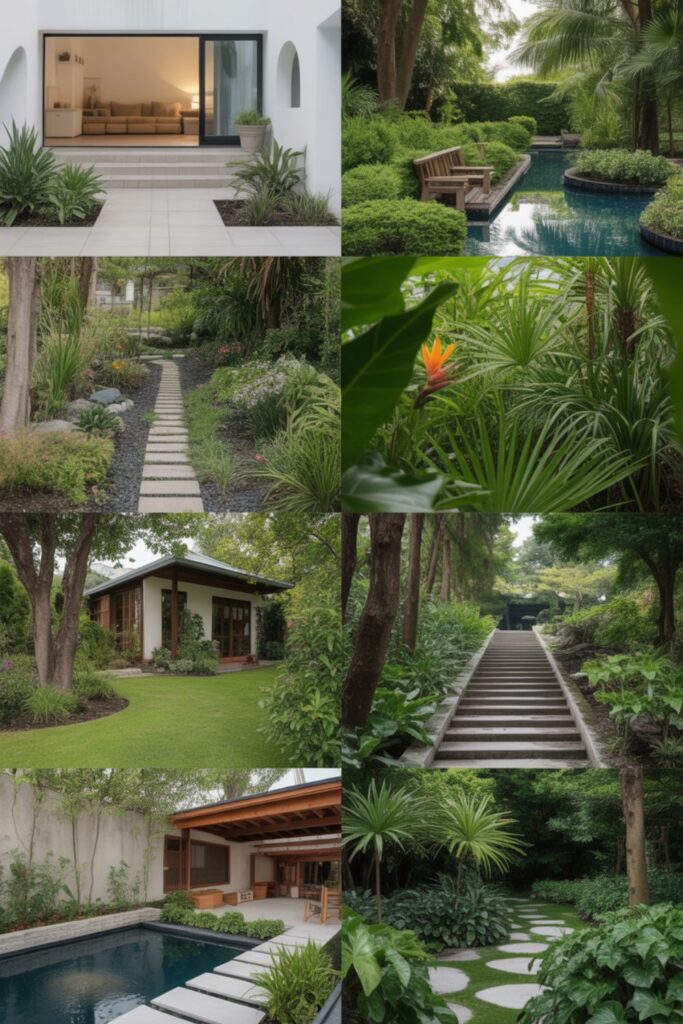
Your garden style should complement your home’s architecture while reflecting your personal aesthetic preferences. Mismatched styles like ultra-modern plantings around a Victorian cottage create visual discord that diminishes curb appeal.
Cottage Garden Style
Cottage gardens overflow with romantic abundance, featuring dense plantings, curved pathways, and cheerful color combinations. This informal style embraces roses climbing over arbors, hollyhocks leaning against fences, and self-seeding annuals filling every gap. Cottage gardens work beautifully with traditional, farmhouse, and Cape Cod architecture.
Start with a backbone of perennials like lavender, catmint, and salvia, then fill gaps with annuals such as cosmos, zinnias, and sweet alyssum. Include edibles like herbs and vegetables mixed among ornamentals for authentic cottage charm. Picket fences, stone pathways, and weathered garden benches complete the look.
Modern Minimalist Garden
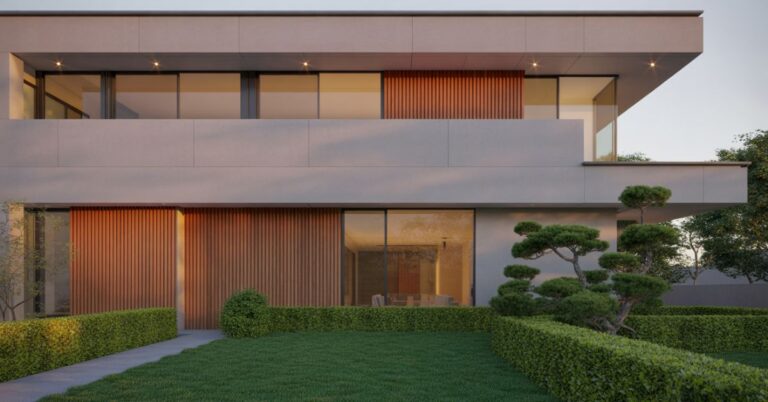
Modern gardens feature clean lines, geometric shapes, and restrained plant palettes that emphasize form over color. This style suits contemporary homes, mid-century architecture, and urban settings where simplicity creates sophisticated impact.
Focus on architectural plants like ornamental grasses, succulents, and specimens with strong structural presence. Use hardscaping materials like concrete, cor-ten steel, and composite decking to define spaces. Limit your plant palette to five species maximum, repeated throughout for cohesive rhythm. Modern gardens embrace negative space as a design element rather than feeling compelled to fill every inch.
Mediterranean Garden Style
Mediterranean gardens evoke sun-drenched coastlines with drought-tolerant plants, warm color palettes, and rustic materials. This style thrives in hot, dry climates but adapts to other regions with proper plant selection. Terra cotta containers, gravel pathways, and stucco walls create an authentic atmosphere.
Plant lavender, rosemary, olive trees, and ornamental grasses that tolerate heat and require minimal water. Incorporate citrus trees in containers for movable color and fragrance. Use warm-toned pavers, decomposed granite pathways, and wrought iron accents for Mediterranean authenticity.
Read More About: Best Christmas Front Garden Ideas for your remarkable home
What Are the Best Garden Inspo Ideas for Small Spaces?
Small garden ideas prove that limited square footage doesn’t mean limited potential. Strategic design choices maximize every inch while creating the illusion of larger spaces.
Vertical gardening transforms walls and fences into productive growing areas. Install trellis systems for climbing vegetables like cucumbers, beans, and peas. Mount pocket planters or living wall systems for herbs and succulents. Train vines like clematis and climbing roses up vertical structures to add height without consuming ground space. According to the National Gardening Association, vertical gardens can produce up to four times more vegetables per square foot than traditional beds.
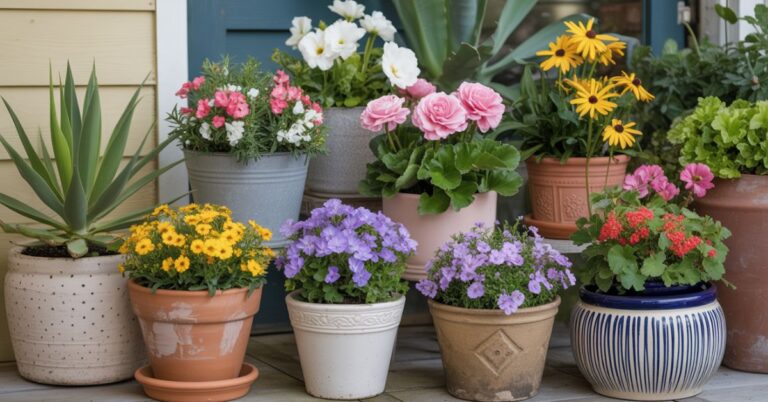
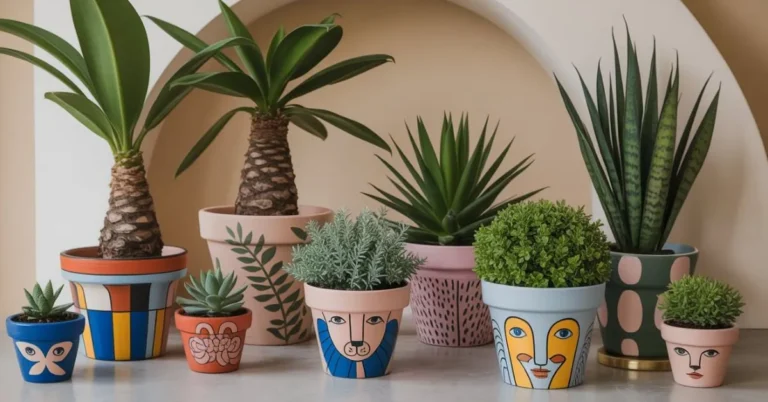
Container gardens offer flexibility and mobility that in-ground plantings can’t match. Group containers in odd numbers (three, five, or seven) at varying heights to create visual interest. Choose large containers when possible they hold more soil, require less frequent watering, and support bigger plants. Mix ornamentals with edibles in single containers for beautiful productivity.
Multi-functional furniture maximizes utility in compact spaces. Storage benches hide garden tools while providing seating. Fold-down tables attach to walls for occasional dining, then tuck away when not needed. Planters with built-in seating eliminate the need for separate furniture pieces. These dual-purpose solutions ensure small gardens remain functional without feeling cluttered.
How Can You Create a Low-Maintenance Garden Without Sacrificing Beauty?
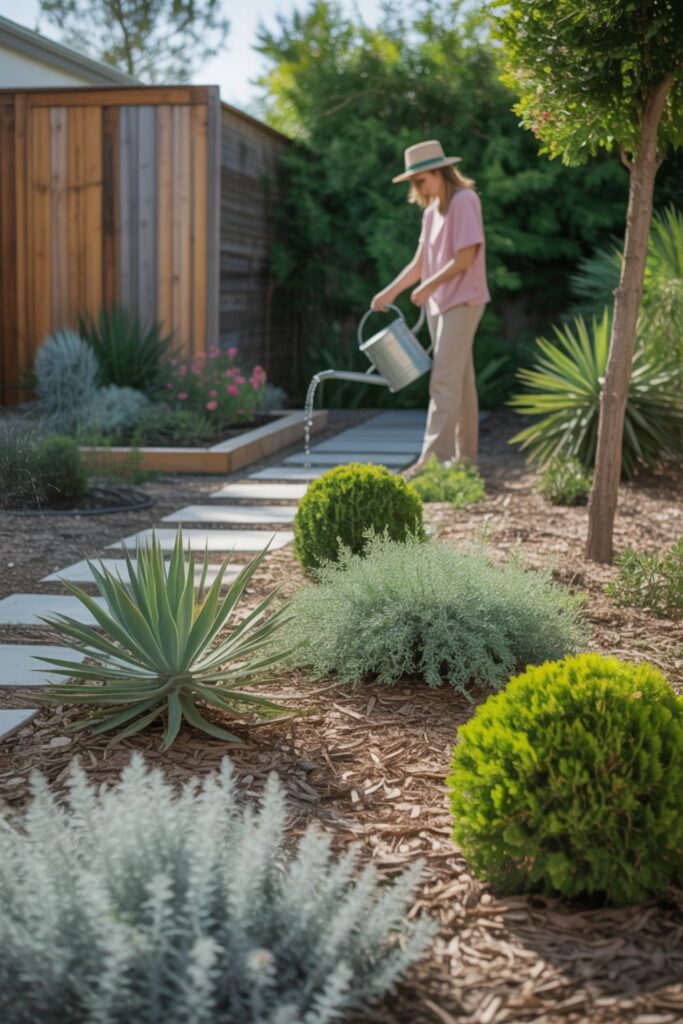
Low-maintenance gardens prioritize beauty while minimizing time-consuming upkeep. Strategic plant selection and design choices dramatically reduce watering, weeding, and general maintenance requirements.
Native plants form the foundation of easy-care landscapes. These species evolved in your region’s climate and soil conditions, requiring significantly less water, fertilizer, and pest management than exotic imports. The Lady Bird Johnson Wildflower Center maintains databases of native plants by region, making selection straightforward. Native gardens also support local pollinators and wildlife, creating ecological benefits alongside reduced maintenance.
Groundcovers eliminate lawn areas that demand weekly mowing, edging, and fertilizing. Replace grass with creeping thyme, sedum, or clover in high-traffic areas. These alternatives tolerate foot traffic while requiring only occasional trimming. For purely ornamental areas, use spreading plants like creeping Jenny, pachysandra, or ajuga that fill spaces quickly and suppress weeds naturally.
Mulching reduces maintenance by suppressing weeds, retaining moisture, and regulating soil temperature. Apply 2-4 inches of organic mulch like shredded bark, wood chips, or pine straw around plants annually. As organic mulches decompose, they improve soil structure and add nutrients. This single practice can reduce watering needs by up to 50% while cutting weeding time dramatically.
What Are Creative Garden Path and Walkway Ideas?
Garden pathways guide movement through your space while adding structural beauty and defining garden rooms. The right path transforms navigation from functional necessity into aesthetic experience.
Natural stone stepping stones create organic, flowing pathways that blend seamlessly with planted areas. Space stones one comfortable stride apart (approximately 18-24 inches) and set them level with surrounding soil for easy mowing. Allow groundcovers like creeping thyme or moss to grow between stones for softened, established appearance. Natural stone lasts decades and develops a beautiful patina over time.
Gravel pathways offer affordable, easy-to-install options that work with any garden style. Decomposed granite provides firm, stable surfaces that pack down naturally. Pea gravel creates more casual, cottage-style paths with pleasant crunching sounds underfoot. Edge gravel paths with metal, wood, or stone borders to prevent spreading. Install landscape fabric underneath to suppress weeds while allowing drainage.
Brick patterns add classic charm and endless design possibilities. Herringbone patterns create visual interest and structural stability. Running bond (subway tile pattern) elongates spaces and guides the eye forward. Basketweave patterns work beautifully for patios and broader walkway sections. Reclaimed bricks develop character unavailable in new materials while often costing less.
How Do You Design a Garden That Attracts Pollinators and Wildlife?
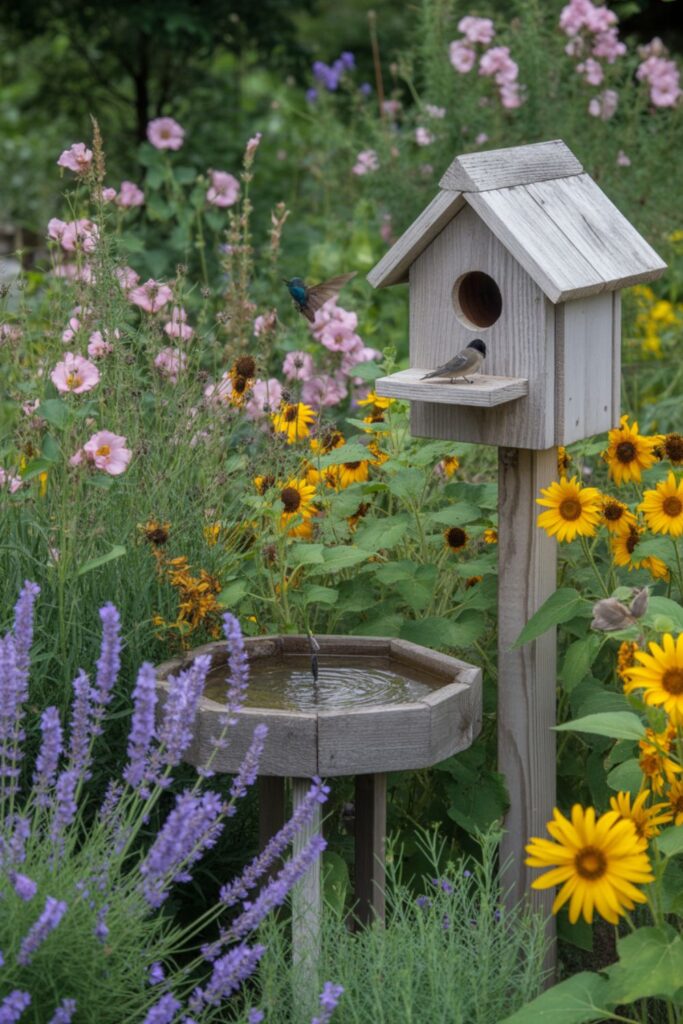
Pollinator gardens support declining bee, butterfly, and bird populations while creating dynamic, ever-changing landscapes. These gardens require minimal maintenance once established and provide constant entertainment as wildlife visits.
Plant diversity ensures continuous blooms from early spring through late fall. Pollinators need nectar sources throughout their active seasons, not just summer peaks. Include spring bulbs like crocus and grape hyacinth, summer perennials like coneflower and bee balm, and fall bloomers like asters and sedum. The Xerces Society recommends at least three different plants blooming in each season.
Native wildflowers attract more pollinators than exotic ornamentals. Native insects evolved alongside native plants and often can’t utilize non-native species effectively. Plant milkweed varieties for monarch butterflies, which require this specific plant for caterpillar survival. Include native asters, goldenrod, and Joe Pye weed for late-season nectar when food sources become scarce.
Water features provide essential drinking and bathing spots for birds and beneficial insects. A simple birdbath with fresh water attracts dozens of species. Add a small fountain or dripper for movement that birds find irresistible. Include shallow sections where butterflies can safely land and drink. Place water features near protective cover like shrubs where birds can retreat if predators approach.
What Are Budget-Friendly Garden Inspo Ideas?
Budget garden ideas prove beautiful landscapes don’t require designer price tags. Smart sourcing, DIY projects, and strategic investments create high-impact results without draining savings accounts.
Propagate your own plants from cuttings, divisions, and seeds. Many perennials divide easily after three to four years, providing free plants for expanding existing beds or gifting to friends. Take softwood cuttings from shrubs like hydrangeas and roses in summer for free additions. Start annuals and vegetables from seed at a fraction of nursery costs. A single packet of zinnia seeds costing $2.50 produces dozens of plants worth $50+ at garden centers.
Repurpose and upcycle materials into garden features. Broken terra cotta pots become whimsical fairy gardens or drainage layers in larger containers. Old pallets transform into vertical planters, compost bins, or rustic fencing. Vintage wooden ladders become plant stands or trellis structures. Check curb alerts, estate sales, and building material reuse centers for free or cheap supplies.
Mulch your own yard waste instead of buying bagged products. Fallen leaves make excellent mulch and leaf mold after a year of decomposition. Grass clippings provide nitrogen-rich mulch for vegetable gardens when applied in thin layers. Shred branches from tree trimming for free wood chip mulch. These practices save money while reducing waste sent to landfills.
How Can You Create Outdoor Garden Rooms for Different Functions?
Garden rooms divide larger yards into distinct areas with specific purposes, increasing functionality and creating intimate spaces within expansive landscapes. This concept transforms yards from single-use lawns into multi-functional outdoor living areas.
Dining areas become outdoor extensions of your kitchen when properly designed. Position patio or deck spaces adjacent to kitchen doors for easy food transport. Include weatherproof dining tables large enough for your typical guest count plus two extra seats. Add shade structures like pergolas, umbrellas, or sail shades to make spaces comfortable during peak sun. String lights, lanterns, or chandelier lighting extends usability into evening hours.
Meditation or reading nooks provide quiet retreats within your garden. Position these spaces away from active areas and screen them with tall ornamental grasses, bamboo, or evergreen shrubs for privacy. Include comfortable seating like a hammock, cushioned bench, or weatherproof lounge chair. Plant fragrant flowers like jasmine, gardenia, or nicotiana nearby for aromatherapy benefits. The sound of a small fountain masks neighborhood noise and promotes relaxation.
Play areas for children combine fun with safety and ease of supervision. Install soft surfaces like rubber mulch, pea gravel, or low-growing groundcovers beneath play structures. Position play spaces within sight lines from kitchen windows or main outdoor seating. Include sandbox areas, small water features for splashing, or chalkboard fences for creative play. As children age, these areas convert easily to other uses.
What Are Trending Garden Lighting Ideas for Ambiance?
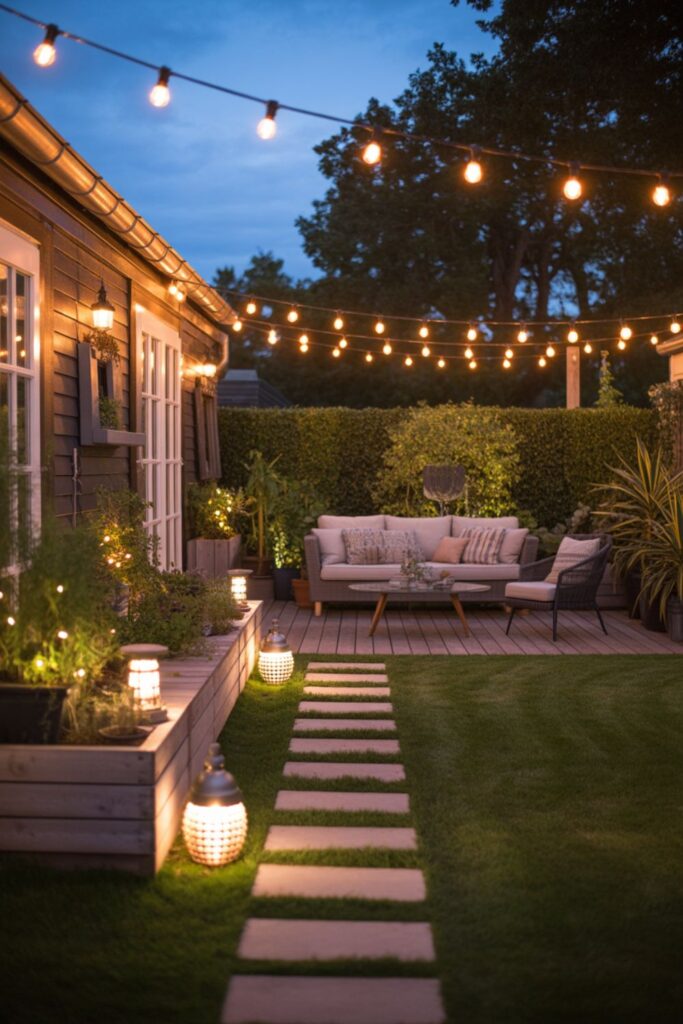
Garden lighting extends usability past sunset while creating a magical nighttime atmosphere. Strategic lighting highlights architectural features, illuminates pathways safely, and transforms gardens into evening entertainment spaces.
String lights create instant ambiance with minimal installation effort. Crisscross lights over patios at varying heights for dimensional glow. Drape lights through pergola beams, wrap them around tree trunks, or hang them along fence lines. LED string lights consume minimal electricity and last 50,000+ hours. Smart string lights with programmable colors and dimming capabilities adapt to different moods and occasions.
Uplighting showcases specimen trees, architectural elements, and dramatic plantings. Position spotlights at the base of trees, aiming upward through branches to create striking shadow patterns. Uplight textured walls, fences, or stone features for added depth. Use colored filters sparingly blue lights create moonlight effects, while warm amber tones feel intimate and inviting. Solar-powered spotlights eliminate wiring hassles and ongoing electrical costs.
Pathway lighting ensures safety while guiding movement through garden spaces. Space low-voltage path lights every 8-10 feet along walkways, alternating sides for even illumination. Flush-mounted step lights on stairs prevent trips and falls. Consider moonlighting fixtures installed high in trees that cast soft, natural-looking light downward. This technique mimics moonlight filtering through branches and creates an enchanting atmosphere.
How Do You Incorporate Water Features Into Garden Design?
Water features add soothing sounds, visual interest, and cooling effects that elevate ordinary gardens to resort-like sanctuaries. Options range from simple birdbaths to elaborate ponds, each suited to different spaces and budgets.
Fountains work beautifully in small spaces where ponds aren’t practical. Self-contained fountain systems recirculate water, requiring only occasional refilling. Position fountains near seating areas where you’ll enjoy the sound without it becoming overwhelming. Wall-mounted fountains save ground space while making dramatic statements on blank walls or fences. Modern fountain styles include bubbling urns, tiered pedestals, and contemporary sculptural pieces.
Ponds create habitat for wildlife while providing serene focal points. Even small ponds (6×8 feet) support goldfish, frogs, and aquatic plants. Locate ponds away from trees to minimize leaf debris and in spots receiving 4-6 hours of sun for water lilies. Include varying depths shallow shelves for marginal plants, deeper zones for fish overwintering. Line ponds with rubber membrane, preformed shells, or natural clay depending on your budget and soil conditions.
Pondless waterfalls offer the sight and sound of moving water without standing water concerns. These systems pump water from underground reservoirs up through stacked rocks or manufactured waterfall spillways, then disappear back underground. Pondless features require less maintenance than ponds, eliminate mosquito breeding grounds, and work safely around young children. Surround waterfall areas with moisture-loving plants like ferns, hostas, and ligularia.
Read More About: Complete Raised Garden Beds Guide for Gardening Success
What Are Creative Garden Border and Edging Ideas?
Garden edging defines spaces, prevents grass encroachment, and creates polished, finished appearances. Quality edging dramatically reduces maintenance by establishing clear boundaries between different garden areas.
Metal edging provides sleek, modern lines that nearly disappear visually while offering excellent functionality. Steel or aluminum edging installs quickly with stakes driven through attached tabs. Metal withstands freeze-thaw cycles better than plastic and lasts decades with minimal maintenance. Cor-ten steel develops an attractive rust patina that complements contemporary landscapes.
Natural stone borders create timeless elegance with organic variation. Stack flat stones two to three layers high for raised bed edges. Place larger boulders as accent pieces that define corners or transitions between garden areas. Dry-stack stone walls without mortar offer excellent drainage and habitat for beneficial insects. Local stone blends naturally with regional aesthetics and often costs less than imported materials.
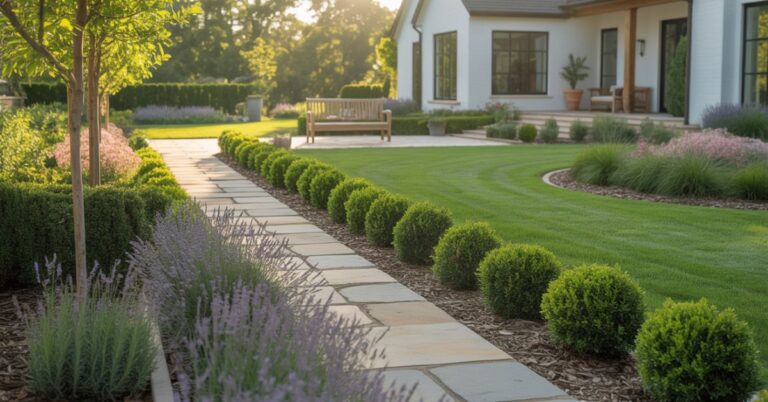
Living edges use low-growing plants as self-sustaining borders. Box hedges provide classic formal garden edging that you can shear into precise shapes. Creeping thyme, sedum, or mondo grass create softer, flowing edges that blur lines between garden areas. Living edges require occasional trimming but eliminate the need for purchased materials. They integrate seamlessly with plant beds rather than creating hard visual barriers.
Frequently Asked Questions
How do I start planning a garden from scratch?
Begin by assessing your site’s conditions sunlight exposure, soil type, drainage, and climate zone. Measure your space and create a scaled sketch. Identify how you’ll use the garden (entertaining, vegetable growing, wildlife habitat) before selecting plants. Start small with manageable areas rather than tackling your entire yard simultaneously. Build soil quality first through compost and amendments before planting.
What are the best plants for beginner gardeners?
Hardy perennials like daylilies, hostas, coneflowers, and sedum tolerate neglect while providing years of beauty. Easy annuals include zinnias, marigolds, and sunflowers that grow reliably from seed. Shrubs like spirea, potentilla, and hydrangeas require minimal maintenance once established. Choose plants rated for your USDA hardiness zone and match their sun/shade requirements to your conditions.
How can I make my garden look more expensive than it is?
Repeat key plants throughout your design for cohesive flow rather than planting one of everything. Use large containers instead of multiple small pots. Add architectural elements like arbors or obelisks as focal points. Maintain crisp edges and clear pathways. Quality mulch instantly upgrades appearance. Strategic lighting adds premium resort-like ambiance affordably.
What garden style requires the least maintenance?
Native plant gardens and naturalistic prairie-style landscapes require minimal intervention once established. Modern minimalist gardens with limited plant palettes and hardscaping reduce maintenance demands. Xeriscaping with drought-tolerant plants eliminates regular watering needs. Any garden designed with your region’s native plants and natural conditions requires less ongoing care than exotic high-maintenance specimens.
How do I design a garden that looks good year-round?
Include evergreen plants (30-40% of total) for winter structure and color. Select plants with multiple seasonal interests: spring flowers, attractive foliage, fall color, interesting bark, or seed heads. Incorporate hardscaping elements like pathways, walls, and garden art that provide visual interest regardless of season. Plant spring bulbs for early color, summer perennials for peak blooms, and ornamental grasses for fall and winter texture.
Conclusion
The garden inspo ideas in this guide provide the foundation you need to transform any outdoor space into a personal paradise. Whether you’re drawn to cottage garden abundance, modern minimalist restraint, or Mediterranean warmth, successful gardens share common elements of thoughtful planning, appropriate plant selection, and design that reflects your lifestyle and values.
Start with one area or project rather than overwhelming yourself with total transformation. Build soil health before investing in plants. Choose quality over quantity in both materials and specimens. Remember that gardens evolve continuously. What you plant today becomes fuller, more established, and more beautiful with each passing season. Your outdoor space holds incredible potential waiting for your vision and effort. Begin with a single bed, pathway, or focal point, then expand as your confidence and garden grow together into something truly inspiring.