Garden Layout Flower Design for Stunning Landscapes
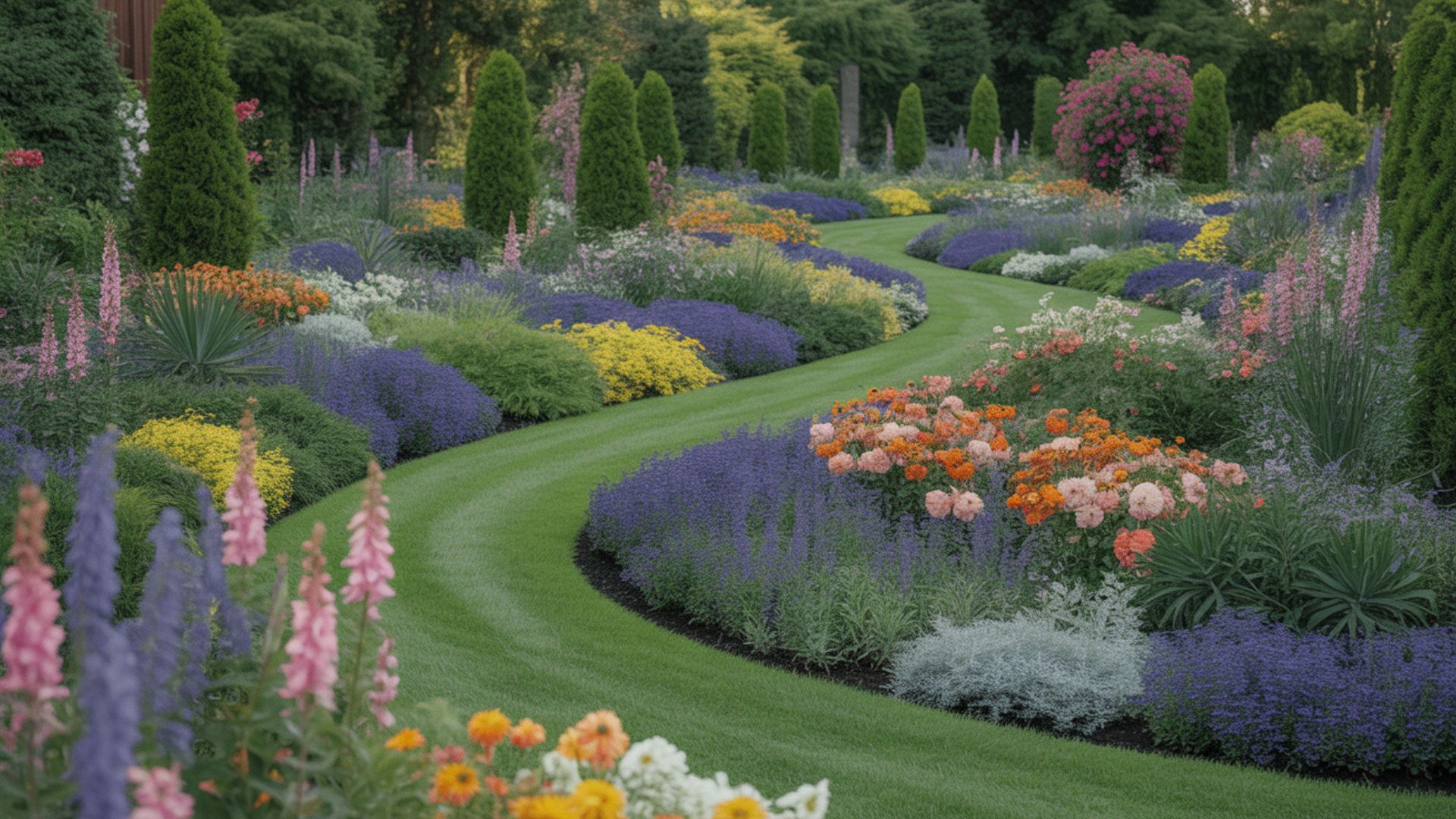
Your flower garden looks chaotic and unplanned. Random plants scattered without purpose create confusion rather than beauty, leaving you frustrated every time you step outside. You’ve invested money in quality plants, yet they compete awkwardly or disappear into backgrounds instead of creating the harmonious displays you imagined. The problem isn’t the plants themselves, it’s the lack of a thoughtful garden layout flower plan before planting begins.
Professional landscapers create stunning gardens not through luck but by following proven design principles that control visual flow, ensure proper growing conditions, and maximize seasonal interest. This comprehensive guide reveals exactly how to plan effective garden layout flower designs that transform disconnected plantings into cohesive, beautiful landscapes that function perfectly while looking spectacular throughout the growing season.
Why Does Garden Layout Matter for Flower Gardens?
Proper garden layout flower planning prevents the most common mistakes that ruin otherwise good plant selections. Strategic placement ensures each plant receives appropriate sunlight, adequate space for mature growth, and compatible neighbors that share similar soil and water needs. Without planning, sun-lovers end up in shade, aggressive spreaders overtake delicate companions, and maintenance becomes unnecessarily difficult when plants block access to those behind them.
A well-designed flower bed layout creates a visual hierarchy that guides the eye naturally through spaces. Placing tall plants in the back or center, medium heights in middle zones, and low-growing edges in front prevents smaller plants from disappearing behind taller neighbors. This layered approach adds depth perception that makes gardens appear larger while ensuring every plant contributes to the overall composition rather than getting lost.
According to research from the American Society of Landscape Architects, properties with professionally designed landscape planning sell faster and command prices 5-12% higher than comparable properties with unplanned landscapes. Even DIY designs following proven principles deliver similar benefits. Thoughtful garden arrangement demonstrates care and attention that translates into perceived property value beyond the actual plant costs invested in creating beautiful spaces.
How Do You Create an Effective Flower Garden Layout Plan?
Start garden layout flower planning by mapping your space on graph paper with one square equaling one foot of actual garden space. Note existing features like trees, structures, utilities, and hardscaping that define boundaries and influence conditions. Observe sunlight patterns throughout the day, marking areas receiving full sun (6+ hours), partial shade (3-6 hours), or full shade (less than 3 hours). These observations determine which plants will thrive where.
Identify your garden’s primary viewing angles where you’ll see displays most frequently from windows, patios, or main pathways. Design compositions that look best from these vantage points rather than assuming equal viewing from all sides. Island beds viewed from multiple directions need plants arranged with tallest in center, while border beds against fences or walls position tallest plants in back with graduated heights toward front edges.
Consider maintenance access during initial planning rather than discovering access problems after planting. Leave space for comfortable movement between beds and along borders for weeding, deadheading, and seasonal cleanup. Design paths where necessary for reaching bed centers without stepping on soil that compacts roots. Planning access prevents the frustration of needing to reach through thorny roses or climb over delicate plants to maintain those positioned behind them in poorly planned layouts.
Understanding Garden Bed Shapes and Sizes
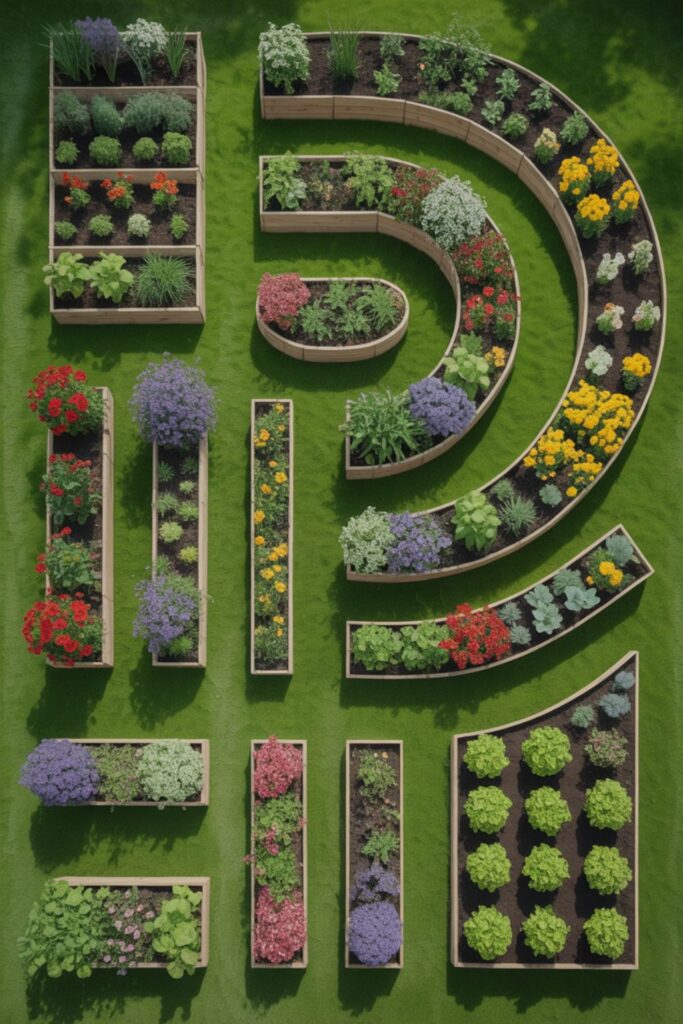
Flower bed layout shapes dramatically affect how gardens integrate into overall landscapes. Rectangular beds deliver formal, traditional appearances that complement symmetrical architecture. Curved, flowing beds create relaxed, natural aesthetics that soften rigid lines in contemporary designs. Island beds freestanding plantings surrounded by lawn or hardscaping serve as focal points that draw attention and break up large open spaces into more intimate zones.
Bed width affects both aesthetics and practicality in garden layout flower designs. Border beds should measure at least 3-4 feet wide for adequate planting depth that creates impact rather than appearing like thin stripes. Island beds need 5-6 feet minimum width to support proper layering of heights without plants looking cramped. Maximum practical width is approximately 5 feet when accessible from one side only, since most people can comfortably reach 2-3 feet from bed edges for maintenance.
Length-to-width proportions affect visual appeal in landscape planning. Beds measuring 2-3 times longer than wide create pleasing rectangles, while square beds often appear squat and awkward. Long, narrow beds (6:1 ratio or greater) fragment spaces rather than unifying them unless intentionally used as borders defining edges. Aim for proportions that feel balanced when viewing the entire garden rather than fixating on individual bed dimensions in isolation.
What Are the Key Design Principles for Flower Garden Layouts?
Visual balance prevents gardens from feeling lopsided or heavy on one side. Symmetrical balance uses mirror-image plantings flanking central features identical rose beds on each side of an entrance, for example. This formal approach suits traditional architecture and creates orderly, predictable impressions. Asymmetrical balance distributes visual weight unevenly but achievingly equilibrium through size, color, or texture contrasts a large tree on one side balanced by a colorful flower bed on the other.
Color coordination transforms random plantings into cohesive designs that feel intentional rather than accidental. Monochromatic schemes using various shades of one color create sophisticated elegance. Analogous schemes combine neighboring colors on the color wheel pink, purple, and blue for harmonious blends. Complementary schemes pair opposites like orange and blue for high-contrast drama. Choose one approach per bed or garden area rather than mixing multiple color schemes that create visual confusion.
Repetition establishes rhythm in garden layout flower designs. Repeating specific plants, colors, or shapes at intervals throughout gardens creates unity and intentional flow. Use odd-numbered groupings (3, 5, 7) of the same variety rather than single plants scattered randomly. Echo key plants in multiple locations if purple salvia anchors one corner, repeat it in two or three other spots to tie compositions together rather than using it once where it reads as random rather than deliberate.
Read More About: Guide to Beautiful Gardens Flowers and Stunning Floral Displays
Creating Focal Points and Visual Interest
Every effective flower garden layout needs focal points that anchor designs and attract attention. These can be specimen plants with dramatic form or color, decorative elements like birdbaths or arbors, or simply strategic plant groupings that command attention through mass or intensity. Position focal points at garden entrances, pathway intersections, or terminal views from windows and patios where they’ll receive maximum notice and serve as visual destinations.
Avoid competing focal points that divide attention and create confusion about where to look. One strong focal point per garden area or sight line works better than multiple elements vying for attention. Support main focal points with subordinate elements that lead the eye toward them rather than away. This hierarchical approach guides viewers through garden arrangement in controlled sequences rather than overwhelming them with competing interests.
Texture variations add interest beyond color alone in garden layout flower designs. Combine bold, coarse textures like hosta leaves with delicate, fine textures like ferns or ornamental grasses. Mix spiky forms like iris or salvia with rounded shapes like sedum or geraniums. These contrasts create complexity that reveals new details upon closer inspection, making gardens more engaging and preventing the flatness that occurs when all plants share similar characteristics.
How Do You Plan for Height and Layering in Garden Layouts?
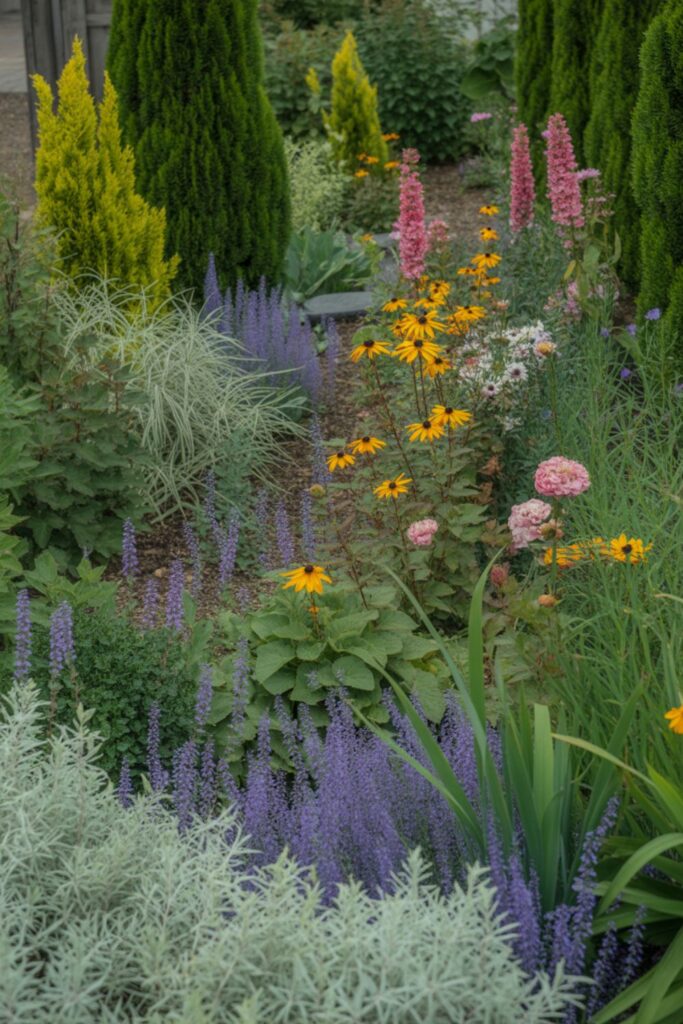
Proper height considerations prevent tall plants from blocking shorter neighbors and ensure all plants receive adequate light. The traditional “thriller, filler, spiller” approach works perfectly for garden layout flower planning. Place tall, dramatic plants (thrillers) in back of borders or the center of island beds. Medium-height plants (fillers) occupy middle zones, while low-growing or trailing plants (spillers) edge fronts and soften hard lines.
Research mature plant heights rather than relying on nursery container sizes that show juvenile dimensions. A plant listed as reaching 36 inches will eventually hide anything shorter planted in front, even though the 12-inch transplant looks innocuous initially. Allow for growth by positioning plants based on mature sizes, even though beds look sparse when first installed. Proper spacing requirements prevent future overcrowding that necessitates moving established plants, a disruptive process that sets back growth significantly.
Create smooth transitions between height layers rather than abrupt jumps from 6-inch edgers to 4-foot giants. Include transitional plants in 12-18 inch and 24-30 inch ranges that bridge height gaps gracefully. This gradual progression looks more natural and prevents awkward empty spaces where heights change too dramatically. Overlapping height zones creates depth and prevents rigid, tiered appearances that look artificial rather than naturally evolved.
Dealing with Tall Plants in Garden Designs
Tall plants exceeding 4 feet create dramatic vertical accents but require careful placement in garden layout flower plans. Position them where they won’t block views of other plantings or cast unwanted shade on sun-loving neighbors. In border beds, place tall varieties directly against fences or walls where they won’t obstruct anything behind. In island beds, center placement works best with height graduating outward toward edges.
Some tall plants like delphiniums and hollyhocks require staking to prevent flopping that ruins carefully planned garden arrangements. Account for stake placement during planning so supports don’t block access or appear as afterthoughts added when plants already lean precariously. Alternatively, select self-supporting varieties or shorter cultivars that deliver impact without staking requirements. Modern breeding has produced many compact alternatives to traditionally tall plants.
Use tall plants as living screens that provide privacy or hide unsightly features like utility boxes or compost bins. Strategic placement in landscape planning turns functional screening into beautiful garden elements that serve dual purposes. Tall ornamental grasses, shrub roses, or perennial sunflowers create effective barriers while contributing seasonal flowers and texture to overall designs rather than relying on purely utilitarian fencing.
What Role Does Color Play in Garden Layout Planning?
Color coordination should be mapped during garden layout flower planning rather than decided plant-by-plant during shopping trips. Visualize color placement on your layout sketch using colored pencils or markers. This advance planning prevents impulse purchases of attractive plants that ultimately clash with existing selections or disrupt intended color schemes once installed in proximity to incompatible neighbors.
Warm colors reds, oranges, yellows appear to advance toward viewers and create energetic, exciting impressions. Place these colors in foreground positions or areas where you want to draw attention. They work well near outdoor living spaces where their energy complements social activities. Cool colors blues, purples, whites recede visually and create calming, peaceful impressions. Position these in backgrounds to create depth perception or in meditation gardens where tranquility is the goal.
Color temperature affects perceived space in garden layout flower designs. Small gardens feel larger when dominated by cool colors that recede visually. Large gardens feel more intimate and less overwhelming when warm colors in foreground areas advance to create cozier perceptions. White flowers and silver foliage serve as neutral buffers between potentially clashing colors while adding moonlight glow to evening gardens visible primarily during twilight hours.
Planning for Seasonal Color Progression
Map bloom sequence during garden layout flower planning to ensure continuous interest rather than brief explosions followed by months of green. List desired plants with their bloom times, then visualize when different garden areas peak. Aim for overlapping blooms that create seamless transitions rather than obvious gaps where nothing flowers between early spring and summer displays.
Spring gardens rely heavily on bulbs like tulips, daffodils, and crocuses that require fall planting. Mark their locations on layout plans to avoid accidentally digging them up during summer planting or maintenance. Interplant bulbs with perennials whose emerging foliage hides declining bulb leaves that look unsightly but must remain to feed bulbs for next year’s flowers. This strategic layering maintains appearance while supporting bulb health.
Plan for foliage interest during bloom gaps in garden arrangement designs. Hostas, heucheras, and ornamental grasses provide colorful leaves that carry gardens through periods between major flowering peaks. Silver, burgundy, chartreuse, and variegated foliage adds color without flowers while requiring no deadheading or intensive maintenance. Strategic foliage placement ensures gardens never appear dull even when flower displays wane temporarily between seasonal waves.
How Do You Incorporate Pathways Into Flower Garden Layouts?
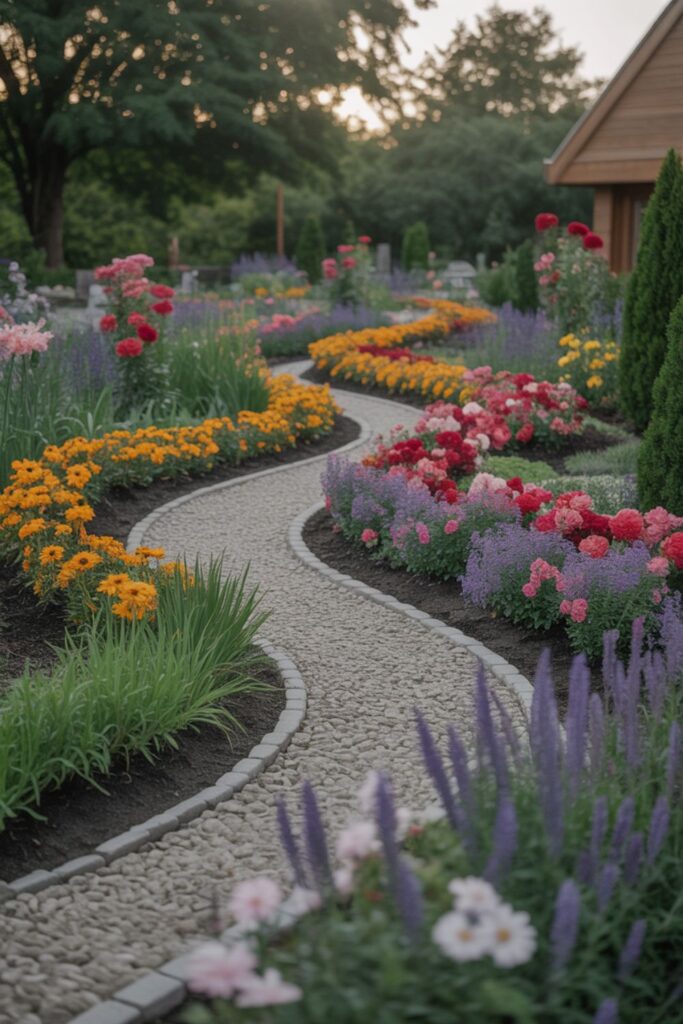
Pathway placement affects both function and aesthetics in garden layout flower designs. Paths should follow natural traffic patterns where people instinctively want to walk rather than forcing unnatural routes. Straight paths create formal impressions and suit traditional designs, while curved paths feel more relaxed and naturalistic. Allow minimum 3-4 foot width for comfortable single-person passage, or 5-6 feet for two people walking side-by-side.
Materials choice impacts garden style and maintenance requirements in landscape planning. Gravel paths offer informal charm and excellent drainage but require edging to contain stones and periodic raking to maintain neat appearances. Flagstone delivers natural elegance and permanent solutions that integrate beautifully with plantings. Mulch paths blend seamlessly with garden beds and cost least but need annual replenishment as material decomposes. Brick or pavers provide formal precision and durability for high-traffic areas.
Position paths to provide maintenance access to all planting areas without stepping on beds. Place stepping stones within wide borders to reach centers without compacting soil around plant roots. Ensure paths connect logically, leading from entry points to destinations like seating areas or garden features rather than dead-ending randomly. Well-planned circulation encourages garden exploration and ensures you’ll actually use and maintain all areas rather than neglecting inaccessible zones.
Creating Garden Rooms and Defined Spaces
Divide large properties into smaller “garden rooms” with distinct purposes and plantings rather than attempting one massive garden layout flower. Each room features cohesive color coordination and theme , perhaps a cutting garden, shade garden, or pollinator garden connected by paths that create journey-like exploration. This approach makes large spaces manageable while preventing visual overwhelm from seeing everything simultaneously.
Use hedges, fences, or tall plantings as “walls” that define garden room boundaries in garden arrangement designs. These vertical elements create intimacy and mystery by partially obscuring what lies beyond, encouraging exploration. Openings serve as doorways between rooms, framing views and creating anticipation. This compartmentalized approach works beautifully in both large estates and small urban lots where screening neighbors increases privacy and perceived space.
Design transitions between garden rooms that create smooth flow rather than abrupt changes. Repeat key plants or colors from one room into the next to establish continuity. Vary intensity rather than switching themes completely moves from bright, energetic colors to softer tones, or from formal to informal plantings gradually. These transitional techniques create cohesive properties where distinct areas feel connected rather than appearing as unrelated collections of separate gardens.
What Are Common Garden Layout Mistakes to Avoid?
Planting too densely represents the most common mistake that ruins garden layout flower designs. Plants need space for air circulation that prevents disease and allows reaching mature sizes without competing destructively. Follow spacing requirements listed on plant tags even though young plants look sparse initially. Gardens fill in quickly typically within 1-2 seasons and properly spaced plants remain healthier and perform better than overcrowded specimens fighting for resources.
Ignoring mature plant sizes creates problems years later when plants outgrow intended spaces. That cute 12-inch shrub may reach 6 feet in five years, overwhelming nearby perennials and blocking paths. Research mature dimensions during planning phases rather than discovering too late that “compact” varieties aren’t compact enough for allocated spaces. Select plants whose mature sizes fit available space rather than hoping you can control growth through constant pruning.
Failing to plan for maintenance access leads to neglected garden areas that deteriorate visually. If you cannot reach plants comfortably for routine deadheading, weeding, and seasonal cleanup, those tasks won’t happen consistently. Include paths, stepping stones, or adequate spacing between beds during garden layout flower planning to ensure all areas remain accessible. Inaccessible gardens quickly become overgrown, weed-infested messes that defeat the purpose of thoughtful design.
Fixing Layout Problems in Existing Gardens
Even problematic flower bed layout designs can be corrected without starting completely over. Identify specific issues, poor color combinations, hidden plants, overcrowding and address them individually rather than attempting complete redesigns. Move misplaced plants during dormancy in early spring or fall when transplant stress is minimal. Most perennials tolerate moving well and may even benefit from division if overcrowded.
Improve awkward garden arrangement by adding structural elements that create missing focal points or divisions. Insert arbors, large containers, or specimen plants that anchor compositions and draw attention away from problem areas. Strategic additions often solve design issues more effectively than removing and replacing existing plants that may be performing well individually despite contributing poorly to overall compositions.
Adjust color coordination mistakes by interplanting annuals that bridge clashing perennials or adding silver-foliaged plants as neutral buffers. This temporary solution allows evaluating whether color changes actually improve appearances before committing to moving established perennials. If experimental annuals demonstrate that different colors would indeed work better, transplant or replace permanent plantings during appropriate seasons with confidence the changes will deliver desired improvements.
How Do You Design Flower Gardens for Specific Locations?
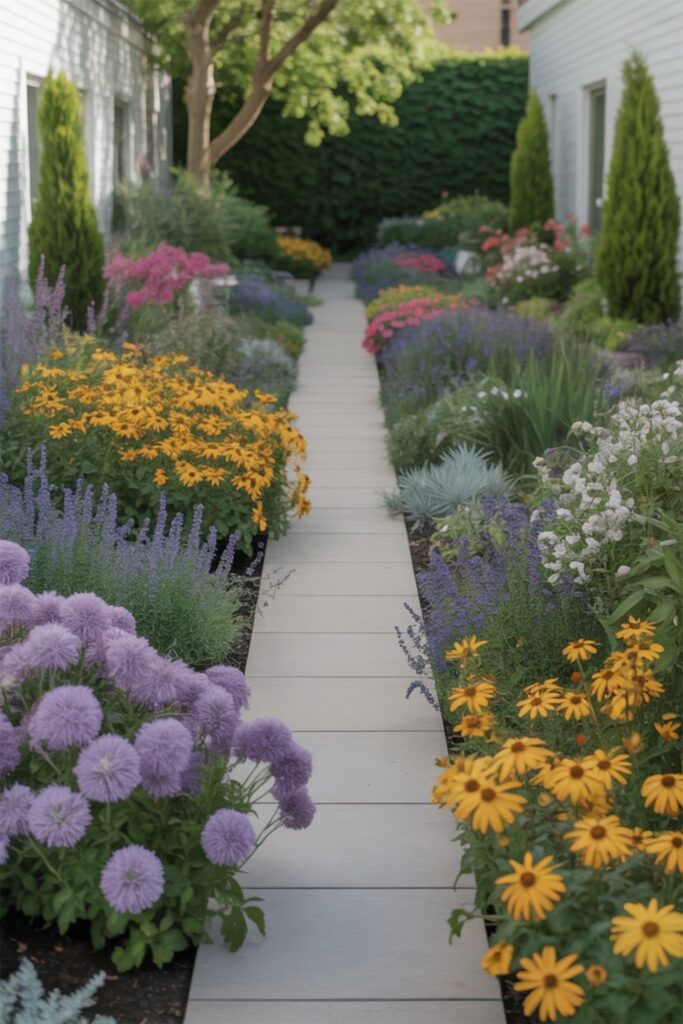
Foundation plantings near homes require garden layout flower designs that complement architecture while controlling scale. Keep plantings proportional to structures large homes overwhelm with tiny flowers, while massive shrubs dwarf small cottages. Layer plantings with small edgers near walkways, medium perennials in middle zones, and taller shrubs near house walls. Avoid planting directly against foundations where poor drainage and limited root space create challenging conditions.
Slopes present drainage and erosion challenges requiring specialized landscape planning approaches. Terrace steep slopes with retaining walls that create level planting beds, or select plants with extensive root systems that stabilize soil naturally. Avoid placing water-loving plants at slope tops where moisture drains away rapidly. Position moisture-lovers at slope bottoms where water accumulates. Ground covers work better than taller plants on steep grades where mowing is impractical or dangerous.
Corner lots and property edges benefit from garden arrangement that defines boundaries while maintaining neighborhood aesthetics. Avoid fortress-like plantings that appear unfriendly or hide homes completely. Instead, create layered borders with see-through elements that suggest boundaries without complete screening. Mix flowering shrubs with perennials for year-round interest that contributes beauty to streetscapes while still providing privacy in living areas behind front gardens.
Small Space Garden Layout Strategies
Maximize limited space through vertical elements in garden layout flower plans. Train climbing roses or clematis on trellises, fences, or arbors to add height without consuming precious ground space. Use obelisks or tuteurs as supports for annual vines that deliver seasonal color and screening. Vertical gardening multiplies planting area significantly while creating privacy and architectural interest in compact urban properties.
Choose plants carefully in small garden layout flowert designs, selecting varieties that earn their space through extended bloom periods, attractive foliage, or multiple seasons of interest. Reject one-trick ponies that flower briefly then contribute nothing else. Daylilies, hostas, and ornamental grasses deliver far more value than plants like oriental poppies that look spectacular for two weeks then disappear completely or turn unsightly for remaining months.
Create illusions of larger space through color coordination choices and pathway placement strategies. Use cool colors (blues, purples) that recede visually to make boundaries feel more distant. Design curved paths that disappear around corners, suggesting gardens continue beyond visible areas. Install mirrors or reflective surfaces that double apparent space through visual trickery. These techniques make small gardens feel substantially larger than actual square footage suggests.
What Tools and Resources Help With Garden Layout Planning?
Graph paper and colored pencils provide simple, effective tools for creating garden layout flower plans without technology requirements. Draw garden boundaries to scale, then sketch bed shapes and mark plant locations with circles sized appropriately for mature spreads. Use different colors for plants blooming in different seasons to visualize bloom sequence progression. This low-tech approach works perfectly for most residential gardens without requiring specialized software.
Free online garden planning tools like GrowVeg, SmartDraw, or SketchUp offer digital alternatives for creating flower bed layout designs. These programs often include plant databases with mature sizes, bloom times, and growing requirements that help select appropriate varieties. Some generate shopping lists from designs and calculate quantities needed. Digital plans can be saved, modified easily, and printed for reference during installation and shopping trips.
Mobile apps like iScape, Garden Plan Pro, or PRO Landscape Home allow visualizing designs using smartphone cameras that overlay digital plants onto photos of actual spaces. This augmented reality approach helps visualize how designs will actually appear in specific locations before committing to purchases and installation. Many apps include extensive plant libraries and design tutorials that educate while facilitating planning processes for beginners and experienced gardeners alike.
Read More About: Garden Plant with Vibrant Flowers for Stunning Landscapes
Learning From Professional Garden Designs
Study public gardens, botanical displays, and professional landscapes for garden arrangement inspiration applicable to residential properties. Photograph combinations that appeal to you, noting which specific plants create effects you admire. Analyze why certain designs work: is it the color coordination, height layering, or foliage textures? Understanding principles behind successful designs helps you apply similar approaches in your own landscape planning.
Garden tours and open garden events provide opportunities to see successful residential garden layout flower designs and speak directly with homeowners about their experiences. Ask about maintenance requirements, which plants exceeded or disappointed expectations, and what they would change if starting over. This practical wisdom from people managing similar-sized properties proves more applicable than studying vast public gardens with professional maintenance staff.
Books and magazines focused on garden design offer endless flower garden layout ideas categorized by style, size, and region. Mark pages featuring designs that resonate with you, then analyze common elements that appear repeatedly in your selections. These patterns reveal your personal aesthetic preferences and provide direction for creating original designs that reflect your taste rather than copying others’ work directly.
Frequently Asked Questions
How far apart should I space flowers in my garden layout?
Follow spacing requirements on plant tags based on mature spread rather than current size. Perennials typically need 12-18 inches between plants, while annuals often thrive at 8-12 inches. Proper spacing prevents overcrowding that invites disease and reduces air circulation critical for healthy growth.
What is the best shape for a flower garden bed?
Rectangular beds suit formal designs and traditional architecture, while curved, flowing shapes create natural, relaxed aesthetics. Island beds work as focal points in open lawn areas, while border beds define property edges. Choose shapes complementing your home’s architectural style and overall landscape planning approach.
How do I plan a flower garden with continuous blooms?
Map bloom sequence during planning by selecting plants with staggered flowering times. Include early spring bulbs, late spring perennials, summer bloomers, and fall flowers. Research specific bloom periods for your region and choose varieties providing overlapping coverage eliminating seasonal gaps in color.
Should I design my flower garden on paper first?
Yes. Planning garden layout flower designs on graph paper prevents expensive mistakes and ensures proper spacing requirements, appropriate sunlight patterns, and effective color coordination. Layout plans serve as shopping guides and installation references preventing impulse purchases that disrupt cohesive designs.
How wide should flower garden borders be?
Border beds accessible from one side should measure 3-4 feet wide minimum for adequate planting depth, with maximum practical width around 5 feet for comfortable reaching during maintenance. Island beds accessible from multiple sides can extend 5-6 feet wide while maintaining maintenance access to all plants.
Conclusion
Creating effective garden layout flower designs transforms chaotic plantings into cohesive, beautiful landscapes that function perfectly while maximizing seasonal interest. Success requires understanding fundamental design principles including visual balance, color coordination, proper height considerations, and strategic pathway placement that ensures accessibility. Whether working with expansive properties or compact urban spaces, thoughtful planning prevents common mistakes while creating gardens that exceed expectations through intentional plant selection and placement.
Start with careful site analysis documenting sunlight patterns, soil conditions, and viewing angles that determine optimal flower bed layout approaches. Invest time creating scaled plans that map mature plant sizes, bloom sequence timing, and maintenance access requirements before purchasing a single plant. Remember that even professional designers refine their work continuously based on performance observations and evolving preferences. Apply these proven landscape planning techniques to create garden arrangement that delivers stunning displays throughout growing seasons while remaining practical to maintain and enjoy for years to come.