Garden Plant with Vibrant Flowers for Stunning Landscapes

Your garden lacks the wow factor you crave. You walk past neighbors’ yards bursting with explosive color while your landscape feels washed out and forgettable. You’ve tried planting flowers, but they produce pale, disappointing blooms that fade quickly or get lost against backgrounds. The problem isn’t your gardening skills, it’s choosing the wrong plants. Creating jaw-dropping displays requires selecting the right garden plant with vibrant flowers that deliver intense color intensity and extended bloom duration in your specific growing conditions.
Pale pastels have their place, but truly memorable gardens need strategic placement of bold colors that command attention and create focal points. This comprehensive guide reveals which plants produce the most spectacular vibrant garden flowers, how to use them effectively in design, and proven techniques for maintaining peak color throughout the growing season.
What Makes Certain Garden Plants Have More Vibrant Flowers?
Garden plant with vibrant flowers stand out due to concentrated pigments in petals that reflect light intensely. Anthocyanins create reds, purples, and blues, while carotenoids produce oranges, yellows, and some reds. Plants producing high concentrations of these pigments deliver the saturated colors that stop people mid-stride. Genetic breeding has enhanced natural pigmentation in many varieties, creating cultivars with color intensity far exceeding their wild ancestors.
Environmental conditions dramatically affect color vibrancy regardless of genetic potential. Full sun plants generally produce more intense colors than the same varieties grown in shade, where reduced light causes paler blooms. Soil pH influences certain pigments hydrangeas famously change from pink to blue based on aluminum availability affected by pH levels. Adequate phosphorus promotes flowering and color development, while nitrogen excess encourages leafy growth at the expense of vibrant blooms.
Bloom duration extends color impact beyond brief flowering periods. Some plants like petunias and zinnias produce continuous blooms for months, while others like peonies deliver spectacular but brief displays. The most effective vibrant garden flowers either bloom for extended periods or produce such intense color that even short flowering times create memorable impressions. Understanding these factors helps you select plants that deliver maximum visual punch in your specific growing conditions.
Which Garden Plants Produce the Most Vibrant Red Flowers?
Bold colors in red create instant drama and draw the eye more powerfully than any other color. Salvia ‘Lady in Red’ produces brilliant scarlet spikes that bloom continuously from late spring through frost with minimal deadheading. This heat-loving annual thrives in full sun, attracting hummingbirds while tolerating drought once established. The intense red remains unfaded even in the scorching afternoon sun that bleaches many other red flowers.
Red geraniums deliver reliable vibrant plant garden flowers in both garden beds and containers. Modern hybrid varieties produce massive flower clusters in true reds without orange or pink undertones. These easy care plants tolerate heat, require little maintenance beyond occasional deadheading, and bloom continuously throughout summer. Zonal geraniums work beautifully as bedding plants, while ivy geraniums cascade dramatically from hanging baskets and window boxes.
For flowering perennials, bee balm (Monarda) produces shaggy red blooms that attract butterflies and hummingbirds throughout midsummer. This native North American plant tolerates various soil conditions and spreads to form impressive clumps. Cardinal flower (Lobelia cardinalis) offers the most intense red in the plant world, a pure, brilliant scarlet that glows in partial shade where most vibrant colors fade. This moisture-loving perennial thrives near water features or in consistently moist garden beds.
Stunning Orange Flowering Plants
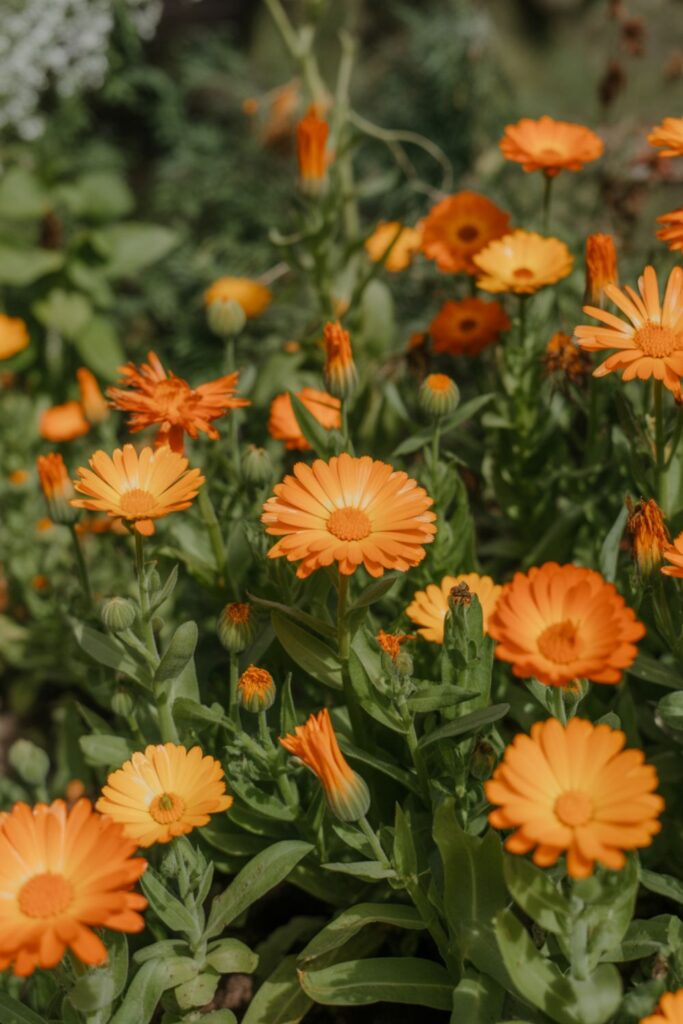
Orange flowers create warm, energetic displays that complement nearly every landscape style. Marigolds remain the most popular orange garden plant with vibrant flowers due to foolproof growing, continuous blooming, and pest-deterring properties. French marigolds offer compact options for edging, while African marigolds produce dinner-plate sized blooms on 3-foot plants. Both types thrive in heat and poor soil that defeats many fussier plants.
Daylilies provide flowering perennials in every orange shade imaginable, from soft apricot to electric tangerine. ‘Primal Scream’ produces ruffled, intense orange blooms that glow at dusk. Each flower lasts one day, but plants produce dozens of buds for weeks of continuous color. These drought resistant plants require almost no maintenance once established, multiplying steadily to create impressive displays within a few years.
California poppies deliver brilliant orange vibrant garden flowers that reseed freely, creating naturalized drifts in sunny, well-drained locations. These delicate-looking but tough plants tolerate poor soil and drought while blooming for months. Their tissue-paper petals in electric orange create stunning mass displays in meadow gardens or mixed borders. They self-sow enthusiastically but pull easily if they appear where unwanted.
Read More About: Flower Garden Beds Ideas to Refresh Your Outdoor Space
What Are the Best Plants for Vibrant Yellow Flowers?
Yellow flowers inject cheerfulness and visibility into landscapes, especially valuable in shady spots where color intensity typically diminishes. Sunflowers range from 2-foot dwarf varieties to towering 12-foot giants, all producing bold yellow blooms that follow the sun. ‘Lemon Queen’ offers a softer lemon-yellow, while ‘Russian Mammoth’ produces classic golden faces up to 14 inches across. These pollinator attracting plants are ridiculously easy care, requiring only full sun and occasional watering.
Coreopsis delivers one of the longest blooming flowering perennials available, producing cheerful yellow daisies from late spring through fall with regular deadheading. ‘Moonbeam’ offers soft pale yellow, while ‘Zagreb’ provides deep golden color on compact 12-inch plants. This native perennial tolerates heat, drought, and poor soil while attracting butterflies constantly. It’s nearly impossible to kill once established, making it perfect for beginners seeking vibrant garden flowers.
Black-eyed Susans (Rudbeckia) produce golden-yellow petals with distinctive dark centers that create striking contrast. These tough native plants handle heat, humidity, and neglect while blooming for months. ‘Goldsturm’ is the most popular cultivar, producing masses of 3-inch flowers on sturdy stems that never need staking. The plants self-sow moderately, creating naturalized colonies that increase impact year after year in full sun locations.
Brilliant Blue and Purple Flowering Plants
Blue flowers are relatively rare in nature, making them especially prized in garden design. Salvia ‘Victoria Blue’ produces intense purple-blue flower spikes that bloom continuously all summer on compact 18-inch plants. This annual thrives in heat and drought, requiring only occasional deadheading for peak performance. The true blue color doesn’t fade even in intense sun that bleaches many other blues toward purple.
Delphiniums create breathtaking vertical accents with towering spikes in shades from sky blue to deep purple. ‘Guardian Blue’ reaches 5-6 feet with densely packed florets in pure blue that photographs spectacularly. These flowering perennials prefer cooler climates and may struggle in extreme southern heat, but where conditions suit them, nothing matches their dramatic impact. Stake tall varieties and remove spent spikes to encourage secondary flowering.
For groundcover-height vibrant garden flowers, lithodora produces electric blue blooms that cover plants completely in late spring. This evergreen perennial spreads slowly, creating carpets of intense color in well-drained, acidic soil. The blue is among the truest available, without purple undertones that affect many so-called blue flowers. Pair with yellow or white companions for maximum contrast and visual pop.
How Do You Design Gardens With Vibrant Flowering Plants?
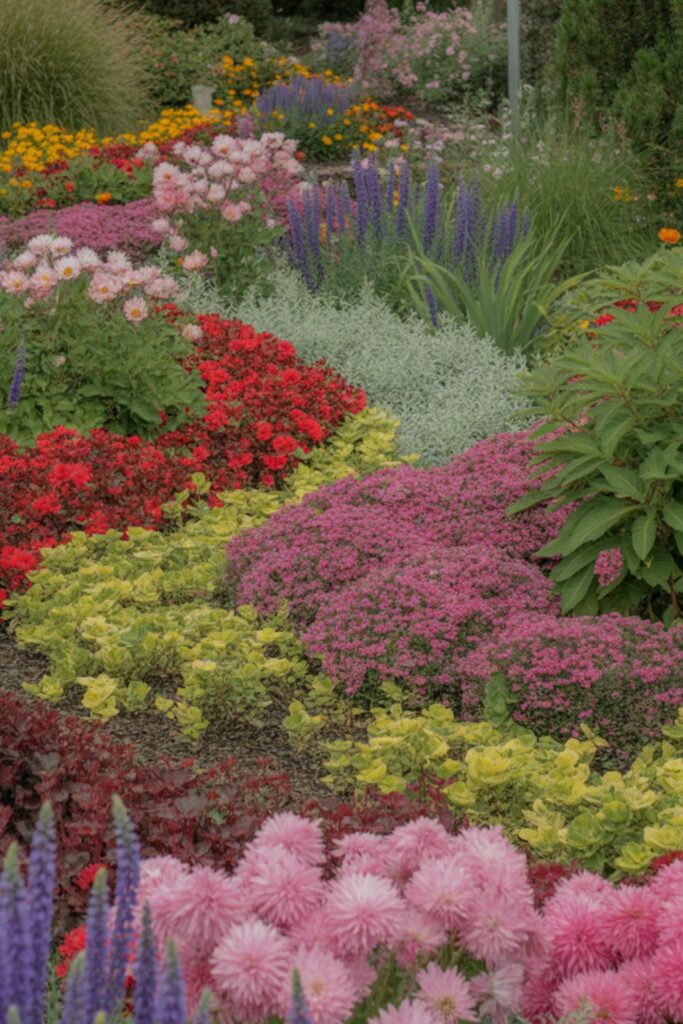
Using garden plant with vibrant flowers effectively requires understanding color theory and avoiding overwhelming chaos. The 60-30-10 rule from interior design works perfectly for gardens use one dominant color for 60% of plantings, a secondary complementary color for 30%, and vibrant accent colors for the remaining 10%. This prevents the circus effect where every color competes, creating visual fatigue rather than intentional beauty.
Create focal points by massing bold colors rather than scattering individual plants throughout beds. Five red salvias planted together create impact, while five red salvias scattered individually get lost. Group odd numbers of the same variety for natural appearance 3, 5, or 7 plants depending on mature size and available space. Repeat color groupings throughout the design to create rhythm and unity rather than one-off plantings that feel random.
Consider bloom duration when planning combinations so companions flower simultaneously rather than sequentially. Pairing orange daylilies with purple salvia works when both bloom together in midsummer. Check bloom times carefully and select varieties that overlap, creating coordinated color shows. Stagger plantings to extend overall garden color early spring bulbs, late spring perennials, summer annuals, and fall bloomers provide continuous vibrant garden flowers throughout the growing season.
Combining Vibrant Colors Successfully
Complementary colors opposites on the color wheel create high-impact combinations when using vibrant garden flowers. Orange and blue spark electric energy, purple and yellow deliver striking contrast, and red with green foliage creates classic drama. These combinations work best in sunny locations where color intensity remains strong. Use one color dominantly with the complementary color as accent for sophisticated results rather than equal proportions that can appear jarring.
Analogous color schemes combine neighbors on the color wheel like red-orange-yellow or blue-purple-pink for harmonious blends. These combinations feel naturally cohesive and work beautifully throughout gardens, creating flow between different areas. They’re more forgiving than complementary schemes, allowing generous use of bold colors without risk of clashing. Add white or silver foliage plants as buffers between analogous colors to prevent muddiness where colors blend too closely.
Temperature contrast provides another design tool. Warm colors reds, oranges, yellows appear to advance toward viewers, making them excellent foreground choices. Cool colors blues, purples recede visually, working well in backgrounds. Strategic placement using vibrant garden flowers manipulates perceived distance and garden size. Small spaces feel larger when cool colors dominate, while large gardens feel more intimate with warm color emphasis in foreground areas.
What Are the Easiest Vibrant Flowering Plants to Grow?
Zinnias top the list for foolproof vibrant garden flowers that anyone can grow successfully. These easy care annuals germinate quickly from seed, tolerate heat and humidity, and bloom continuously with minimal deadheading. They come in every color except blue, with many offering two-tone or striped petals. ‘Benary’s Giant’ produces enormous 4-5 inch blooms, while ‘Zahara’ series offers disease resistant varieties that resist powdery mildew in humid climates.
Lantana delivers non-stop color in the hottest, driest conditions where most plants struggle. This heat tolerance champion produces clusters of tiny flowers in color combinations like orange-pink-yellow or purple-white-yellow. Butterflies mob these pollinators attracting plants constantly. Lantana works beautifully in containers, hanging baskets, or as bedding plants. In frost-free climates it becomes a woody shrub, while colder zones treat it as an annual.
For flowering perennials requiring absolutely minimal effort, rudbeckia and echinacea (coneflowers) perform reliably year after year with zero pampering. Both tolerate heat, drought, poor soil, and pests while producing months of bold blooms. Newer cultivar introductions offer colors beyond traditional yellows and purples now available in orange, red, white, and even green. These native plants support local ecosystems while providing the most reliable vibrant garden flowers for beginners and busy gardeners.
Low-Maintenance Container Plants
Container suitable plants deliver vibrant garden flowers flexibility for renters, small spaces, or experimenting before committing to in-ground beds. Petunias are unbeatable for continuous color in containers, with modern varieties like ‘Supertunia’ and ‘Wave’ cascading dramatically while blooming relentlessly. They need only regular watering and monthly feeding to perform spectacularly all summer. Colors range from soft pastels to intense magentas and purples that glow at dusk.
Million bells (Calibrachoa) produces hundreds of tiny petunia-like flowers that cover plants completely. These vigorous trailers work perfectly in hanging baskets and combination containers. They come in nearly every color and bloom continuously without deadheading. Pair with upright plants like spikes or grasses for container combinations that deliver professional-looking results with minimal skill or effort required.
Geraniums thrive in containers with less frequent watering than most annuals require. Their thick stems store moisture, allowing them to tolerate occasional neglect that would kill petunias or impatiens. Modern varieties produce massive flower heads in true reds, hot pinks, and vibrant corals. They handle both sun and partial shade, making them versatile for various patio or deck locations where containers shift throughout the day.
How Do You Maintain Peak Color in Vibrant Flowering Plants?
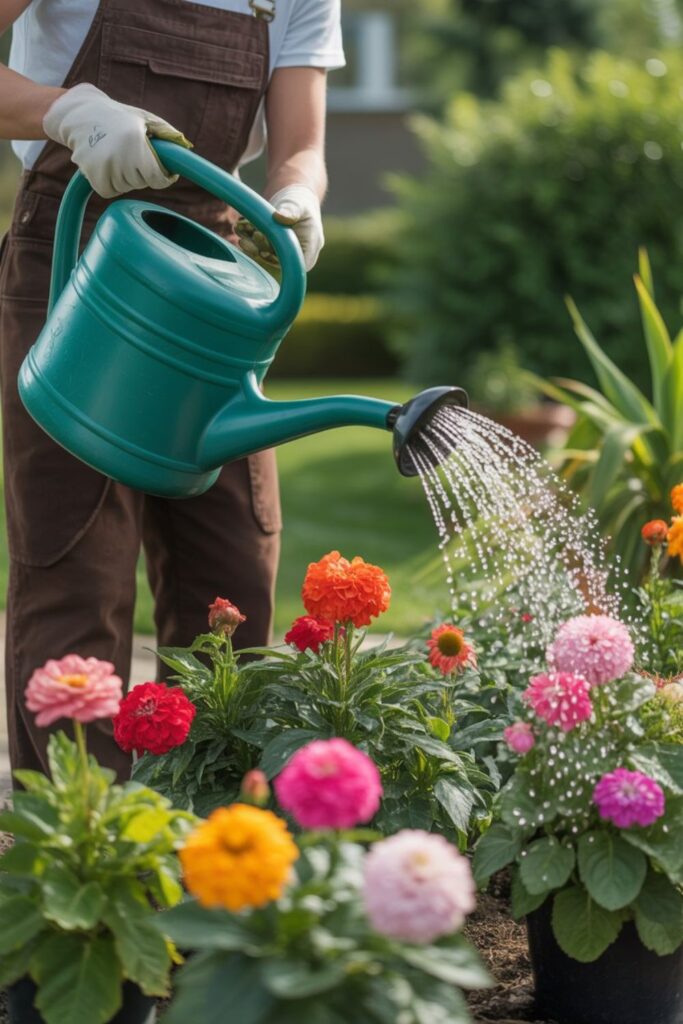
Deadheading removing spent blooms represents the single most important task for maintaining continuous color in many garden plant with vibrant flowers. This simple action prevents seed formation, redirecting plant energy into producing new flowers rather than setting seed. Pinch or snip faded flowers just above the next set of leaves or buds. Petunias, zinnias, and marigolds respond dramatically with increased flowering when deadheaded regularly.
Adequate fertilization supports vigorous growth and abundant blooming throughout the season. Use balanced fertilizer like 10-10-10 or bloom-boosting formulas higher in phosphorus like 15-30-15 for flowering perennials and annuals. Apply liquid fertilizer every 2-3 weeks at half strength or use slow-release granular products monthly. Avoid excess nitrogen that promotes leafy growth at the expense of flowers, resulting in green plants with disappointing bloom production.
Consistent watering prevents stress that reduces flowering and causes premature bloom drop. Most vibrant garden flowers need 1 inch of water weekly from rain or irrigation combined. Water deeply but infrequently to encourage deep roots rather than shallow, frequent watering that creates weak root systems. Morning watering allows foliage to dry before evening, reducing disease risk. Container suitable plants need more frequent watering often daily during summer heat since they dry faster than in-ground plantings.
Protecting Color From Fading
Intense sun can bleach certain flower colors, particularly reds and purples, causing premature fading that reduces color intensity. Provide afternoon shade for plants prone to bleaching in your climate. Morning sun with afternoon shade offers ideal conditions for many vibrant garden flowers, delivering enough light for vigorous blooming while preventing heat stress and color fading that occurs in all-day scorching sun.
Select varieties bred for fade resistance if sun exposure cannot be modified. Modern petunia cultivars like ‘Supertunia’ maintain color far better than older varieties that washed out within weeks. Check plant tags or variety descriptions for terms like “sun-proof,” “fade-resistant,” or “heat tolerant” when choosing plants for intense sun exposure. These improved varieties contain higher pigment concentrations that resist degradation from UV exposure.
Adequate soil moisture helps maintain color intensity since dehydration stress causes flowers to fade and drop prematurely. Mulch around plants with 2-3 inches of organic material to conserve soil moisture, regulate temperature, and reduce watering frequency. Drip irrigation or soaker hoses deliver water directly to roots without wetting foliage, preventing disease while maintaining consistent moisture that supports peak flowering and color vibrancy.
Which Vibrant Flowering Plants Attract Pollinators Best?
Creating pollinator attracting gardens supports declining bee and butterfly populations while adding movement and life to landscapes. Salvia varieties rank among the most valuable garden plant with vibrant flowers for pollinators, with hummingbirds, bees, and butterflies visiting constantly. The tubular flowers provide easy nectar access, while long blooming periods offer consistent food sources throughout summer and into fall when other plants have finished flowering.
Zinnias attract butterflies more reliably than almost any other annual. Their flat flower faces provide perfect landing platforms, while abundant nectar rewards visitors. Plant large drifts of mixed colors for maximum butterfly activity. Leave some flowers to set seed in fall, goldfinches and other songbirds devour zinnia seeds enthusiastically, extending garden wildlife value beyond the growing season into winter months.
Native flowering perennials like coneflowers, black-eyed Susans, and bee balm evolved alongside local pollinators and support them better than exotic imports. These plants provide the specific nectar, pollen, and habitat native species require. Purple coneflower (Echinacea purpurea) attracts dozens of butterfly species while remaining one of the easiest vibrant garden flowers to grow. Plant generous quantities of native species to create meaningful pollinator habitat rather than token single plants that provide insufficient resources.
Year-Round Planning for Pollinator Gardens
Support pollinators throughout the entire season by selecting plants with staggered bloom times. Early spring bulbs like crocuses provide critical early nectar when food sources are scarce. Summer brings peak flowering with abundant options. Late-season bloomers like asters and sedum remain crucial as most other plants finish, providing final food sources before winter. Continuous flowering ensures consistent pollinator support rather than brief abundance followed by food deserts.
Avoid double-flowered varieties that look showy but offer little nectar or pollen. The extra petals that create fuller appearances are modified reproductive parts, eliminating the nectar and pollen that pollinators need. Single or semi-double flowers provide better value for wildlife while often offering more intense color intensity since plants invest energy in pigmentation rather than excess petal production.
Include host plants for butterfly larvae alongside nectar sources for adults. Monarchs need milkweed, swallowtails use parsley and fennel, and painted ladies prefer hollyhocks and mallows. Caterpillars will chew foliage except this as part of supporting complete life cycles rather than just adult butterflies. The chewed leaves are temporary, and the resulting butterflies visiting your vibrant garden flowers provide rewards far exceeding cosmetic foliage damage.
What Are the Best Vibrant Flowering Plants for Different Climates?
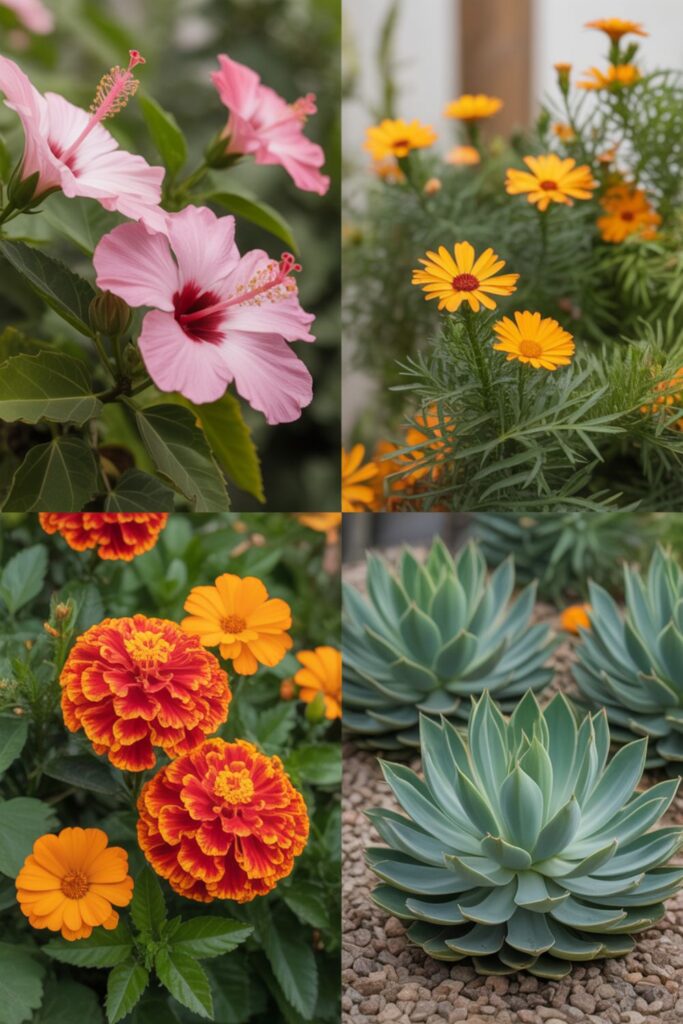
Hot, humid climates challenge many vibrant garden flowers, but heat-lovers thrive where others melt. Pentas produce clusters of star-shaped flowers in red, pink, white, and purple while tolerating brutal heat and humidity. These heat tolerance champions attract butterflies constantly and bloom continuously with minimal care. Vinca (Catharanthus roseus) handles heat and drought that destroy impatiens, producing glossy flowers in intense pinks, reds, purples, and white throughout summer.
Cool-climate gardeners enjoy advantages with plants like delphiniums, lupines, and Iceland poppies that struggle in southern heat. These flowering perennials produce spectacular bold colors in regions with moderate summers and cool nights. Pansies and violas provide cool-season color, blooming through winter in mild climates and returning in early spring before summer heat arrives. Their cheerful faces in every color imaginable brighten gardens when little else flowers.
Drought resistant plants suit arid climates and water-conscious gardens everywhere. Portulaca produces jewel-toned flowers in magenta, orange, yellow, and red on succulent foliage that stores water for extended dry periods. These low-growing annuals create colorful groundcovers that bloom in conditions that defeat most plants. Gaillardia (blanket flower) offers drought resistant perennial options in fiery red-orange-yellow combinations that bloom for months with zero supplemental irrigation once established.
Adapting to Challenging Microclimates
Every garden contains microclimate areas with conditions different from the overall climate. South-facing walls reflect heat, creating hot zones suitable for heat-lovers even in cooler regions. North-facing areas remain cooler and shadier, allowing cool-season plants to persist longer. Identify these microclimates and select garden plant with vibrant flowers suited to specific conditions rather than trying to force inappropriate plants into unsuitable locations.
Wind exposure dramatically affects plant performance, desiccating foliage and breaking tall flower stalks. Choose compact varieties or provide windbreaks using fences, walls, or tougher plants as shields. Coastal gardens face salt spray that kills many plants and select salt-tolerant species like sea thrift, ice plant, or blanket flower that shrug off conditions that devastate inland favorites.
Urban heat islands create warmer conditions than surrounding rural areas due to heat-absorbing pavement and structures. These conditions allow growing plants rated one zone warmer than official USDA designations. Experiment with heat-loving vibrant garden flowers that theoretically shouldn’t survive your zone you may find they thrive in your warm microclimate, expanding available options beyond typical recommendations for your region.
How Much Do Vibrant Flowering Plants Cost?
Annual garden plant with vibrant flowers from garden centers cost $2-$6 per 4-inch pot, with flats of smaller plants reducing per-unit costs to $1-$2 each. Premium varieties and larger pots increase prices to $8-$15. Starting annuals from seed dramatically reduces costs; seed packets provide 25-100+ plants for $2-$4, though requiring 6-8 weeks of indoor growing before transplanting outdoors.
Flowering perennials cost more initially at $8-$20 per gallon-sized plant but return year after year, ultimately costing less than repeatedly purchasing annuals. Rare or newly introduced cultivars command premium prices of $25-$40, though prices drop as varieties become established. Divide existing perennials every few years for free plants that expand displays or trade with gardening friends for new varieties without spending money.
Container suitable combinations in large decorative pots represent significant investment. Professional-quality mixed containers cost $75-$200 at garden centers, including premium pot, quality soil, and multiple plants arranged attractively. Creating your own costs $30-$60 for similar results. A large pot runs $20-$40, soil adds $10-$15, and plants contribute $15-$30 depending on quantity and variety. This DIY approach saves 50% while providing complete creative control over plant selections and color schemes.
Read More About: Guide to Beautiful Gardens Flowers and Stunning Floral Displays
Budget-Friendly Ways to Get Vibrant Color
Maximize color impact while minimizing costs by focusing spending on high-visibility areas. Lavish attention on entry gardens, patios, and areas viewed from main windows where you’ll see displays daily. Use less expensive plants or even colorful foliage in less prominent locations. This strategic approach delivers maximum perceived beauty without requiring equal investment throughout the entire property.
Grow annuals from seed for a fraction of transplant costs. Zinnias, sunflowers, cosmos, and marigolds germinate easily and grow quickly from direct-sowing into garden beds after frost danger passes. No indoor seed-starting equipment required just scatter seed, water, and watch them grow. This method produces abundant vibrant garden flowers for dollars rather than the $50-$100+ required for equivalent transplants from nurseries.
Shop end-of-season sales for deep discounts on both annuals and perennials. Garden centers drastically reduce prices in late summer and fall to clear inventory. Annuals may not provide much remaining bloom that season, but perennials planted in fall establish excellent root systems before winter, often outperforming spring-planted specimens the following year. Purchase perennials at 50-75% off normal prices while getting superior establishment compared to spring planting.
Frequently Asked Questions
What flowering plants have the most vibrant colors?
Zinnias, petunias, salvia, marigolds, and geraniums produce the most intense color intensity available. These garden plant with vibrant flowers maintain bold colors even in intense sun and heat. For perennials, coneflowers, daylilies, and bee balm deliver spectacular color that persists throughout summer.
How do I keep flower colors from fading in the hot sun?
Select fade-resistant varieties bred for heat tolerance and sun exposure. Provide afternoon shade in extreme climates, maintain consistent soil moisture, and fertilize regularly. Deadhead blooms promptly before they bleach completely, maintaining fresh flowers with peak color intensity throughout the season.
Which vibrant flowering plants bloom the longest?
Petunias, zinnias, marigolds, and lantana bloom continuously for months with minimal deadheading. For flowering perennials, coreopsis and certain daylily varieties offer the most extended bloom duration, flowering from late spring through fall when properly maintained with regular division.
Can I grow vibrant flowers in containers?
Absolutely. Petunias, million bells, geraniums, and many other container suitable plants deliver spectacular color in pots. Use quality potting mix, fertilize regularly since nutrients leach from containers, and water daily during summer heat. Containers offer flexibility to move vibrant garden flowers to optimal locations.
What are the best low-maintenance plants for vibrant color?
Lantana, zinnias, rudbeckia, and coneflowers require minimal care while producing spectacular blooms. These easy care plants tolerate heat, drought, and poor soil while remaining largely disease resistant. They’re perfect for beginners or busy gardeners wanting maximum color with minimum effort invested.
Conclusion
Selecting the right garden plant with vibrant flowers transforms ordinary landscapes into breathtaking showcases that command attention and create lasting impressions. Success requires understanding which plants produce the most intense color intensity in your specific growing conditions, how to combine bold colors for maximum impact, and proper maintenance techniques that sustain peak flowering throughout the season. Whether you prefer easy care annuals delivering instant gratification or flowering perennials that return reliably year after year, strategic plant selection and placement creates the dramatic displays you envision.
Start with proven performers suited to your climate and available sunlight, expanding your palette as confidence grows through experimentation with new varieties and color combinations. Remember that even expert gardeners continuously refine their selections based on performance observations and changing preferences. Apply these proven techniques for selecting and maintaining vibrant garden flowers to create landscapes that stop traffic, attract beneficial pollinators, and provide the explosive color impact that makes outdoor spaces truly unforgettable throughout the entire growing season.