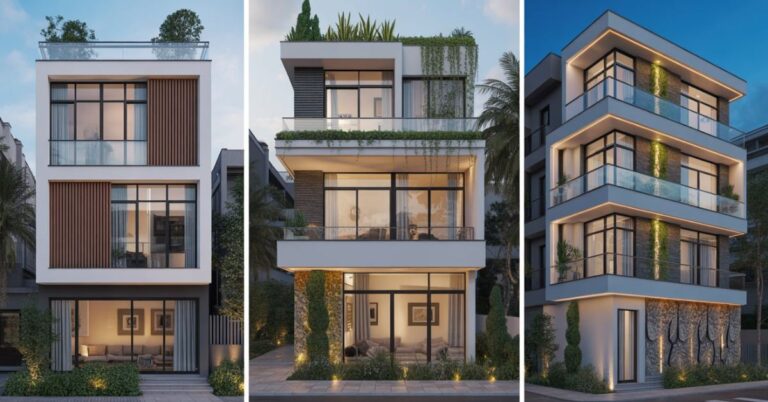
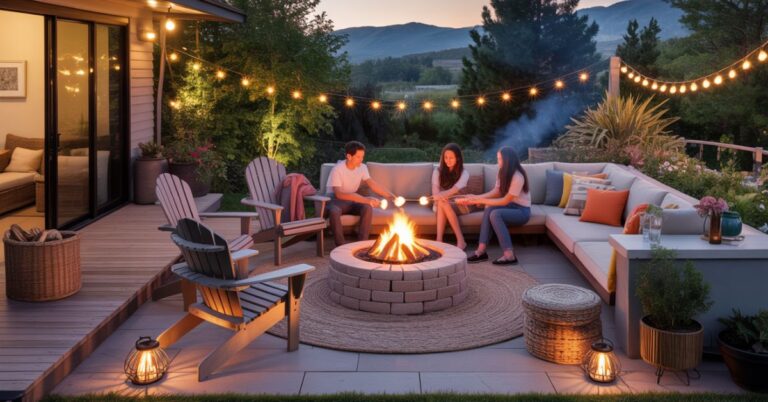
27+ Inspiring Terrace Garden Ideas for Your Rooftop Oasis

You stand on your empty terrace watching neighbors enjoy lush rooftop gardens while your space remains a barren concrete wasteland. The potential is obvious: private outdoor space in the middle of the city, unobstructed sunlight, and square footage that could become your favorite retreat. Yet every time you consider creating a terrace garden, the challenges seem overwhelming: weight restrictions, wind exposure, water access, and the sheer effort of hauling soil and plants up multiple flights of stairs.
Here’s what makes this particularly frustrating: your unused terrace represents wasted real estate costing you money and lifestyle quality daily. Properties with developed outdoor spaces command 15-20% premium prices over comparable units without them. You’re essentially paying for space you never use while missing the mental health benefits, entertaining possibilities, and connection with nature that terrace gardens provide. Meanwhile, the concrete absorbs heat, radiating it into your home and increasing cooling costs during summer months.
The truth that changes everything: inspiring terrace garden ideas have evolved dramatically in recent years. Lightweight growing systems, modular designs, and drought-tolerant plants make rooftop gardening achievable even in challenging conditions. Smart planning addresses structural concerns, irrigation challenges, and maintenance requirements, transforming that empty terrace into a productive, beautiful extension of your living space that serves you year-round.
What Makes Terrace Gardens Different From Ground Gardens?
Terrace gardens operate under fundamentally different conditions than ground-level landscapes, requiring specialized approaches to design, planting, and maintenance. Understanding these unique challenges and advantages ensures successful rooftop gardening rather than disappointing failures.
Weight limitations represent the primary concern for inspiring terrace garden design. Most residential terraces support 50-100 pounds per square foot, with structural beams and load-bearing walls handling more weight than midspan areas. Commercial buildings often accommodate 100-150 pounds per square foot. A saturated planter can easily exceed these limits soil alone weighs 75-100 pounds per cubic foot when wet, plus container weight, plants, and hardscaping materials. Professional structural engineers should evaluate your terrace before major installations, identifying safe load capacities and optimal placement areas.
Wind exposure intensifies dramatically with elevation, creating harsh conditions for plants and people. Rooftop winds run 2-3 times stronger than ground level, with turbulence around building edges proving even more severe. These conditions dry plants rapidly, snap stems, and make outdoor dining uncomfortable. Successful terrace gardens incorporate windbreaks screens, trellises, or strategic plantings reducing wind speed by 50-75% in protected zones.
Temperature extremes affect terrace plants more than ground gardens. Rooftops experience 10-20°F higher temperatures than ground level during summer due to heat radiating from roof surfaces and lack of cooling soil mass. Conversely, winter temperatures drop lower with exposure to wind chill. Containers freeze solid more readily than in-ground plantings, potentially killing roots. These extremes narrow suitable plant selections to truly hardy or adaptable specimens.
Water access determines feasibility for many inspiring terrace garden ideas. Hauling water manually becomes exhausting quickly, limiting garden size and plant selection. Installing hose bibs or automatic irrigation systems requires plumbing work but transforms rooftop gardening from chore to pleasure. Drainage proves equally important standing water adds dangerous weight while creating mosquito breeding grounds and damaging roof membranes.
Legal and Safety Considerations
Building codes and HOA regulations often restrict terrace modifications. Many jurisdictions require permits for structural additions, plumbing, or electrical work on rooftops. Condo associations frequently prohibit permanent installations or limit container types and sizes. Research restrictions before investing in inspiring terrace garden ideas development, obtaining necessary approvals to avoid forced removal of completed projects.
Roof warranties may be voided by certain installations. Penetrating roof membranes for planting beds or irrigation systems almost certainly voids warranties unless performed by approved contractors. Even heavy planters causing membrane stress might create warranty issues. Consult building management or review roofing warranties before proceeding with major installations.
Safety barriers matter tremendously on elevated terraces. Planters positioned near edges must not create climbing hazards for children or compromise railing integrity. Ensure railings meet code requirements typically 42 inches minimum height with no more than 4 inches between balusters. Never stack planters creating platforms allowing access over safety barriers.
How Do You Plan a Terrace Garden Layout?
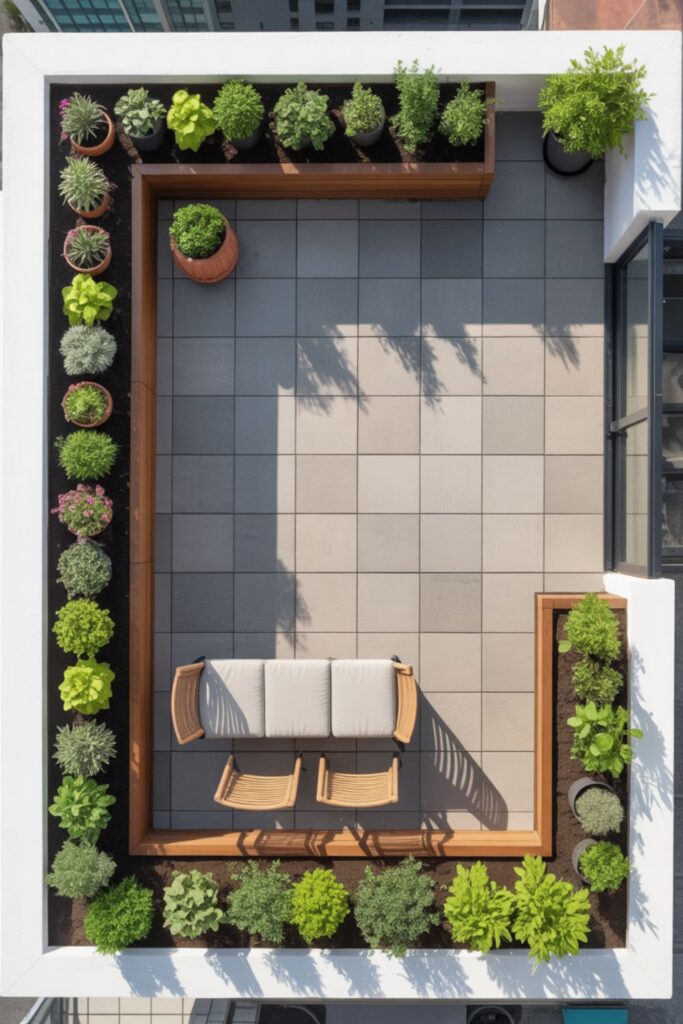
Strategic terrace garden planning maximizes usable space while addressing structural, environmental, and functional requirements. Thoughtful layouts balance planting areas with circulation, seating, and activities for well-rounded outdoor living spaces.
Begin with a detailed terrace assessment, measuring dimensions and noting structural features. Identify load-bearing walls and beams; these areas safely support heavier elements. Mark utility access points including water sources, electrical outlets, and drainage. Note sun exposure throughout the day, tracking patterns across seasons since sun angles change dramatically. Document prevailing wind directions and identify areas receiving strongest gusts versus protected pockets.
Zone your terrace by function and environmental conditions. Create dining areas near doors for convenient food service, positioning them in spots receiving afternoon shade when outdoor meals typically occur. Establish lounging zones in quieter corners away from high-traffic paths. Place intensive planting beds where weight capacity is highest near structural walls using lightweight containers in midspan areas. Reserve windiest edges for windbreak installations rather than seating areas.
Traffic flow deserves careful attention on terraces where space is limited. Maintain 3-4 feet width for primary circulation paths allowing comfortable passage even when furniture is occupied. Create circular flow patterns preventing dead ends that force backtracking. Position frequently accessed areas doors, outdoor kitchens, storage along convenient routes avoiding long walks across terraces.
Microclimates develop on terraces based on building features. South and west-facing walls radiate intense heat, creating hot zones perfect for heat-loving plants like herbs, peppers, and succulents. North-facing areas remain cooler and shadier, suiting ferns, hostas, and shade vegetables. Corners between walls provide wind protection and warmth year-round. Map these microclimates, matching plants to optimal locations rather than fighting environmental conditions.
Creating Privacy and Enclosure
Privacy screening transforms exposed inspiring terrace garden ideas into intimate retreats. Lightweight trellises support climbing plants creating living walls that block sightlines without adding excessive weight. Bamboo screens, shade sails, or outdoor curtains provide instant privacy while remaining removable if regulations prohibit permanent structures. Position screens strategically blocking views from neighboring buildings or overlooking windows while maintaining desirable vistas.
Vertical elements add dimension to flat rooftop spaces. Pergolas create overhead interest and partial shade without solid roofs that add significant weight. Train vines over pergola beams for living ceilings. Arbors frame entryways, defining transitions between terrace zones. These structures also support inspiring terrace garden ideas lighting, fans, and hanging planters, maximizing vertical utility.
Container arrangements define spaces without permanent walls. Group large planters creating borders between functional zones a row of substantial containers separates dining areas from lounging spaces while maintaining visual connectivity. Vary container heights creating dynamic edges more interesting than uniform plantings.
What Are the Best Lightweight Growing Systems for Terraces?
Lightweight materials enable ambitious terrace garden ideas without exceeding weight limits. Modern growing systems deliver functionality matching heavy traditional methods at a fraction of the weight.
Fabric grow bags weigh ounces empty yet support vegetables, flowers, and even small trees. These breathable containers promote excellent root health through air pruning roots reaching fabric edges to dry out and branch rather than circling. Fabric bags cost $5-25 depending on size, lasting 3-5 years with proper care. They fold flat for winter storage, ideal for terraces with limited space. Use 5-gallon bags for herbs and flowers, 10-15 gallon for vegetables, and 20-30 gallon for dwarf trees or large perennials.
Lightweight potting mixes reduce container weight by 30-50% versus traditional soil. Coir-based mixes substitute coconut fiber for heavy peat moss. Perlite and vermiculite add aeration without density. Premium lightweight mixes designed for rooftop gardens contain amendments improving water retention since lighter substrates drain rapidly. Expect to pay $15-30 per cubic foot for quality lightweight media versus $8-15 for standard potting soil, but weight savings justify costs in terrace garden applications.
Modular raised bed systems create custom configurations fitting terrace dimensions perfectly. Lightweight composite lumber, aluminum, or vinyl systems weigh 60-75% less than wooden beds while outlasting them by decades. These beds are installed without tools, reconfigure easily, and disassembled for moving. Elevated designs on legs place growing zones at comfortable working heights while creating storage underneath. Costs run $200-600 for 4×8 foot modular systems versus $100-250 for traditional wooden beds, but portability and weight savings prove worthwhile.
Vertical tower planters maximize production from minimal footprints and weight. These stackable systems grow 20-40 plants in less than 4 square feet of terrace space. Rotating towers ensure even light exposure, promoting balanced growth. Integrated reservoirs reduce watering frequency particularly valuable on terraces lacking convenient water access. Quality vertical planters cost $100-300 but deliver substantial yields from crops like lettuce, herbs, strawberries, and flowers.
Self-Watering Container Systems
Self-watering planters solve the biggest challenge in inspiring terrace garden ideas maintaining consistent moisture in wind-exposed, heat-intensive environments. These containers feature built-in reservoirs supplying water through capillary action, reducing watering frequency from daily to weekly or even biweekly.
Reservoir systems work through wicking fabric strips or specialized wicking systems draw water from bottom reservoirs into soil above. Plants access moisture as needed, preventing both overwatering and drought stress. Overflow holes prevent overfilling, while fill tubes or indicators show reservoir status. These features prove invaluable for inspiring terrace garden ideas where hauling water is labor-intensive.
Quality self-watering planters cost $30-150 depending on size, roughly double traditional containers. However, they save water through reduced evaporation and runoff while keeping plants healthier during hot weather or when you’re traveling. DIY versions using storage totes, PVC pipes, and landscape fabric create self-watering systems for $15-30, offering budget-friendly alternatives to commercial products.
Which Plants Thrive in Terrace Garden Conditions?
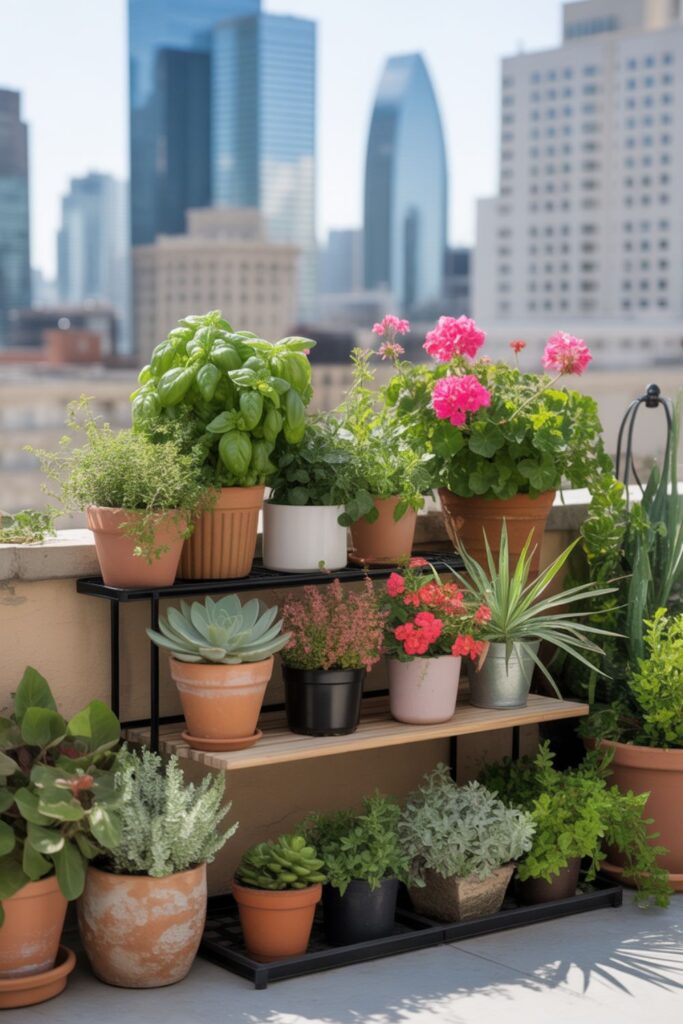
Plant selection determines success or frustration with terrace gardening. Choosing specimens naturally adapted to intense sun, wind, temperature extremes, and container culture ensures thriving gardens rather than constant plant replacement.
Drought-tolerant plants excel on wind-swept terraces where moisture evaporates rapidly. Succulents like sedums, sempervivums, and echeverias withstand neglect while providing architectural interest. Mediterranean herbs rosemary, thyme, oregano, lavender thrive in hot, dry conditions with minimal watering. Ornamental grasses tolerate wind and drought, adding movement and texture to inspiring terrace garden ideas. Russian sage, catmint, and yarrow deliver flowers and foliage beauty with minimal water requirements.
Edible plants transform terraces into productive urban farms. Tomatoes, peppers, eggplants, and cucumbers love hot, sunny rooftop conditions, producing abundantly in containers. Leafy greens including lettuce, kale, and chard grow quickly in cooler seasons. Herbs provide fresh seasonings steps from kitchens. Dwarf fruit trees, citrus, figs, apples on dwarfing rootstock produce surprising yields from 15-25 gallon containers. Strawberries in vertical towers deliver fresh berries from minimal space.
Wind-tolerant plants withstand buffeting without damage. Low-growing groundcovers like creeping thyme, sedum, or ice plants stay below wind currents. Grasses bend gracefully rather than snapping. Plants with flexible stems and smaller leaves shed wind better than brittle species with large foliage. Avoid plants with weak stems, large flowers easily shredded by wind, or shallow root systems that topple in gusts.
Evergreens provide year-round structure in inspiring terrace garden ideas when deciduous plants are bare. Dwarf conifers including junipers, spruces, and pines offer cold-hardy options appropriate for container culture. Broadleaf evergreens like boxwood, holly, and dwarf rhododendrons maintain presence through winter. These plants ensure terraces remain attractive viewed from interior windows during cold months when outdoor access is limited.
Container-Adapted Varieties
Compact cultivars bred specifically for container growing succeed where standard varieties struggle. Determinate tomato varieties stay under 4 feet versus indeterminate types reaching 6-8 feet. Dwarf pepper plants produce full-sized fruit on 18-24 inch plants. Bush cucumbers eliminate sprawling vines. These space-efficient varieties deliver equal yields from smaller plants perfectly suited to inspiring terrace garden ideas scale.
Miniature vegetables including cherry tomatoes, baby eggplants, and mini bell peppers produce profusely in containers. Their smaller size means more frequent harvests of perfectly portioned vegetables ideal for small households. Compact root vegetables like radishes, carrots, and beets grow successfully in 12-18 inch deep containers.
Ornamental edibles combine beauty with function in inspiring terrace garden ideas. Rainbow chard adds colorful stems and foliage. Purple basil provides culinary value and ornamental appeal. Scarlet runner beans produce edible beans plus vibrant red flowers. This dual-purpose approach maximizes value from limited terrace space.
Read More About: 25+ Best Patio in Backyard Ideas
How Do You Manage Water in Terrace Gardens?
Water management makes or breaks inspiring terrace garden ideas success. Balancing adequate irrigation with proper drainage prevents both parched plants and dangerous water accumulation damaging roofs and structures.
Automatic irrigation systems transform terrace gardening from chore to pleasure. Drip irrigation delivers water directly to plant roots, minimizing waste through evaporation. Timer-controlled systems water consistently even when you’re traveling. Basic drip kits cost $50-150, covering 10-20 containers with adjustable emitters for each pot. Professional installations with smart controllers, rain sensors, and zone controls run $500-2,000 but provide ultimate convenience and water efficiency.
Hose bibs installed on terraces eliminate hauling water from interior spaces. Plumbing work costs $300-800 depending on distance from existing lines and installation complexity. Include freeze-proof valves in cold climates preventing winter damage. Even if not installing automatic irrigation immediately, running supply lines during initial plumbing work provides flexibility for future upgrades.
Rainwater harvesting reduces water costs and environmental impact. Rain barrels capture downspout runoff, storing 50-80 gallons for irrigation. Position barrels near planted areas for convenient access. Connect multiple barrels for increased capacity. Some municipalities offer rebates for rainwater harvesting installations, offsetting costs while reducing stormwater runoff. Basic rain barrel systems cost $80-200, delivering free irrigation water throughout growing seasons.
Drainage systems prevent water accumulation threatening roof membranes. Never block existing roof drains with planters or hardscaping. Elevate containers on pot feet or spacers allowing water to drain underneath toward roof drains. Install saucer-free drainage where possible, using lightweight gravel or paver bases directing water toward drains. In areas where standing water persists, create drainage channels using perforated pipes covered with landscape fabric and gravel.
Water Conservation Strategies
Mulching container surfaces reduces evaporation by 50-70%, critical in wind-exposed inspiring terrace garden ideas. Apply 1-2 inches of shredded bark, cocoa hulls, or decorative stone over soil surfaces. Mulch also moderates soil temperatures, suppresses weeds, and adds finished appearance to plantings. Lightweight mulches like cocoa hulls minimize added weight while providing excellent coverage.
Grouping containers creates microclimates where plants shelter each other from wind, reducing moisture loss. Clustered plantings also simplify irrigation watering multiple containers in one location proves more efficient than scattered placements requiring walks across terraces between each pot. This arrangement concentrates weight over structural supports as an added benefit.
Hydrogel amendments mixed into potting media absorb water during irrigation then release it gradually as soil dries. These super-absorbent polymers reduce watering frequency by 25-40%. Use sparingly 1-2 tablespoons per gallon of growing media since excessive amounts cause soil to swell and overflow containers. Hydrogels work particularly well in hanging baskets and smaller containers that dry rapidly.
What Design Styles Work Best for Terrace Gardens?
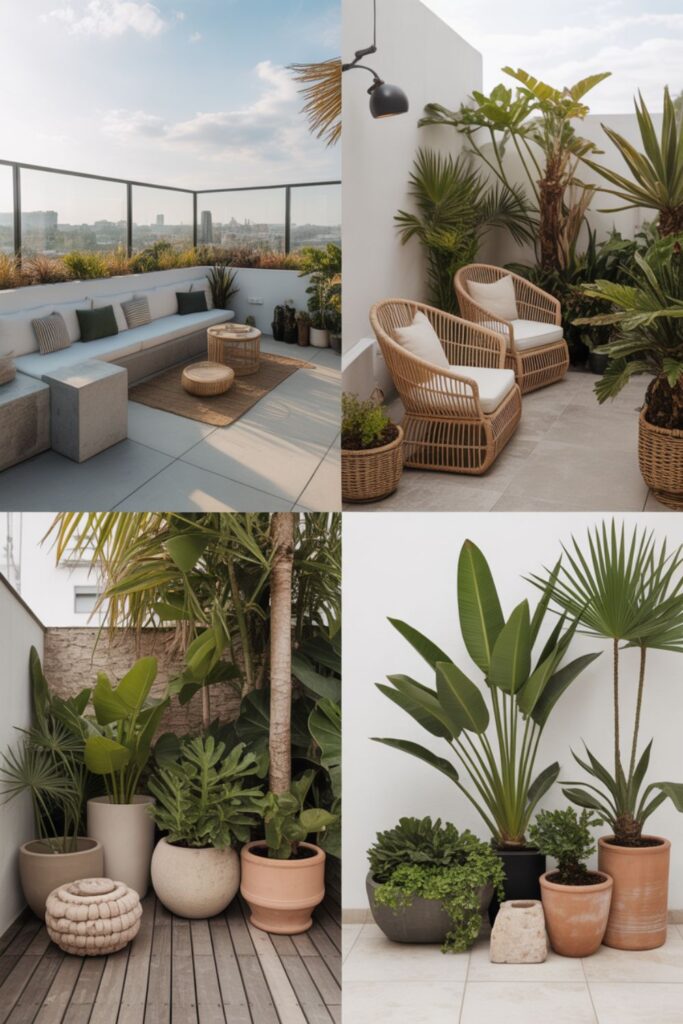
Design cohesion transforms collections of plants and furniture into unified inspiring terrace garden ideas spaces reflecting personal style while maximizing functionality. Establishing clear aesthetic direction guides material selections and planting choices.
Modern minimalist terrace designs emphasize clean lines, limited color palettes, and architectural plants. Rectangular planters in metallic or concrete finishes align geometrically. Plant selections favor grasses, succulents, and specimen plants with strong forms rather than flowering perennials. Neutral furniture in teak, aluminum, or resin creates streamlined appearances. This style works brilliantly on contemporary building terraces, complementing modern architecture. Simple hardscaping using large-format pavers or composite decking maintains uncluttered aesthetics.
Cottage garden styles bring lush abundance to inspiring terrace garden ideas through layered plantings and mixed materials. Rustic wooden containers, wrought iron furniture, and flowering vines create romantic, informal atmospheres. Plant combinations emphasize flowers roses, lavender, daisies, and climbing clematis with herbs mixed throughout. This approach maximizes planting density, filling every available space with greenery and blooms. Cottage style works beautifully on historic building terraces or creating private garden retreats.
Mediterranean designs suit hot, sunny terraces perfectly. Terra cotta containers, gravel surfaces, and warm-toned furniture establish regional character. Plant selections mirror Mediterranean climates olives, citrus, lavender, rosemary, and bougainvillea. Tile accents, water features, and wrought iron details complete authentic appearances. This style excels on south and west-facing terraces receiving intense sun and heat.
Tropical themes create lush resort atmospheres on sheltered terraces. Bold foliage plants, bananas, cannas, elephant ears, and palms provide dramatic impact. Bright flowering plants including hibiscus and mandevilla add color. Teak or bamboo furniture, natural fiber rugs, and string lighting enhance tropical ambiance. This style requires protection from strong winds that shred large leaves but thrives in warm, humid microclimates.
Seasonal Theme Gardens
Spring bulb gardens bring early season color to inspiring terrace garden ideas emerging from winter dormancy. Layer bulbs in large containers tulips, daffodils, hyacinths, and crocuses planting late bloomers deep with early types above for extended displays. Combine bulbs with cool-season pansies or violas for continuous color. After blooming, replace bulb containers with summer plantings, storing dormant bulbs for replanting in fall.
Summer vegetable gardens maximize production during peak growing season. Dedicate terrace space to tomatoes, peppers, beans, and cucumbers climbing trellises. Intensive planting in raised beds or large containers yields surprising harvests. This productive phase emphasizes function over ornamental value, though many vegetables offer attractive foliage and flowers.
Fall display gardens extend terrace garden beauty beyond summer. Ornamental kale and cabbage provide color tolerating frost. Chrysanthemums deliver abundant flowers in warm autumn tones. Ornamental grasses reach peak beauty with feathery seed heads. Pumpkins and gourds add seasonal decoration. This phase bridges summer and winter, maintaining terrace appeal through shoulder seasons.
How Do You Create Shade on Sunny Terraces?
Shade structures transform blistering rooftop spaces into comfortable outdoor rooms usable throughout hot months. Strategic shade also protects plants from scorching sun while reducing cooling costs for interior spaces below.
Pergolas provide partial shade through open-beam construction, cooling terraces by 10-15°F without blocking all sunlight. Aluminum pergolas offer lightweight, maintenance-free options weighing 50-75% less than wood structures. Install pergolas near terrace edges when possible, anchoring them to load-bearing walls for structural security. Cover pergolas with climbing vines, grapes, wisteria, or jasmine creating living ceilings that block additional sun while staying cooler than solid materials. Retractable canopy systems add flexibility, providing shade when needed while opening for sun exposure during cooler months.
Shade sails deliver contemporary aesthetics and excellent sun protection. These tensioned fabric structures block 85-98% of UV radiation depending on material quality. Triangle or square configurations are installed using corner anchors attached to railings, walls, or posts. High-quality marine-grade fabrics last 8-12 years before requiring replacement. Shade sails cost $200-800 depending on size and material, substantially less than solid roof structures. Remove them during winter in areas experiencing snow or ice accumulation to prevent damage.
Market umbrellas provide portable shade easily repositioned as sun angles change. Large 9-11 foot umbrellas shelter dining or lounging areas effectively. Quality models with fade-resistant canopies and stable bases cost $200-600. Cantilever umbrellas offer offset shade, positioning coverage away from central poles that obstruct seating. Weighted bases must be substantial 50-80 pounds minimum preventing toppling in wind. Some terraces prohibit umbrellas due to wind concerns; verify restrictions before purchasing.
Living shade from trees and large shrubs provides cooling while filtering wind and improving air quality. Containerized trees require large planters 25-50 gallon minimum and species adapted to container culture. Dwarf fruit trees, Japanese maples, crape myrtles, and birches succeed in terrace conditions. Position tree containers over structural supports where weight capacity is highest. Deciduous trees deliver summer shade while allowing winter sun, providing natural seasonal adjustment.
Cooling Strategies Beyond Shade
Light-colored surfaces reflect heat rather than absorbing it, keeping inspiring terrace garden ideas 15-20°F cooler. Paint deck surfaces white or light gray. Choose light-toned planters and furniture. Use light-colored gravel or stone instead of dark mulch in planted areas. This strategy works particularly well in spaces where overhead shade is impossible due to view preservation requirements or structural limitations.
Water features cool through evaporation while adding soothing sounds masking urban noise. Wall-mounted fountains or tabletop water features consume minimal space while providing cooling effects. Larger installations like disappearing fountains or pond-free waterfalls deliver more dramatic cooling. Even small water features reduce perceived temperature by 5-10°F in immediate areas through evaporative cooling and psychological effects of water sounds.
Misting systems create oasis-like environments on hot terraces. Fine mist droplets evaporate before landing, cooling air by 15-25°F without creating wet conditions. Professional systems with timers and low-pressure nozzles cost $200-800 installed. These systems work best in dry climates where evaporative cooling proves most effective. High humidity reduces misting efficiency, causing wet surfaces rather than air cooling.
What Are Common Terrace Garden Challenges and Solutions?
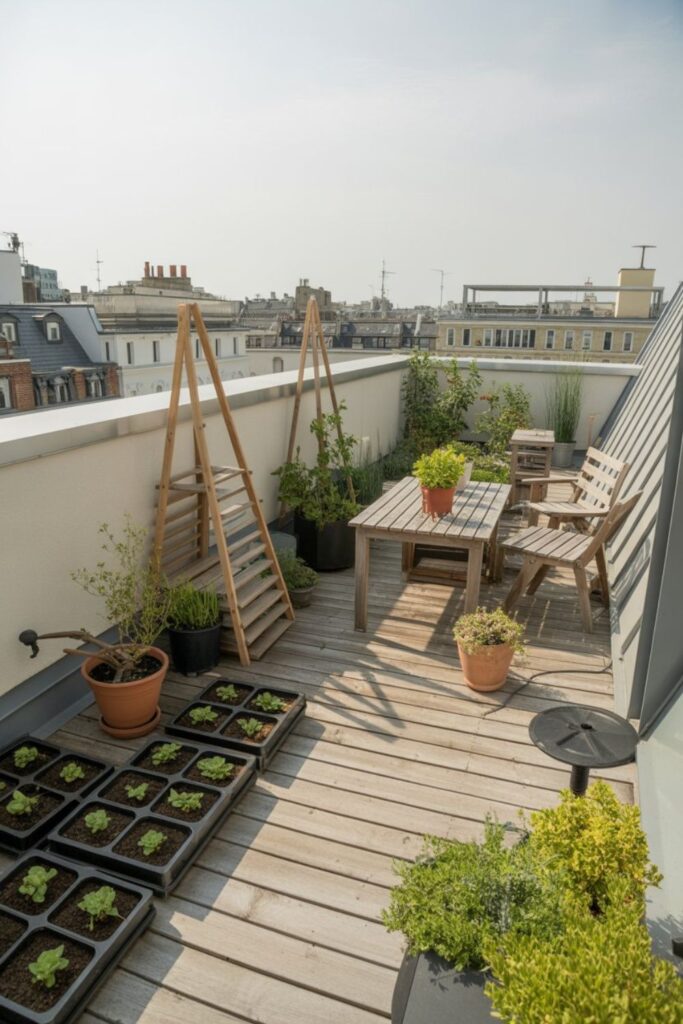
Terrace gardening presents unique obstacles requiring creative problem-solving. Understanding common challenges and proven solutions prevents frustration while ensuring long-term success.
Weight restrictions limit ambitious inspiring terrace garden ideas. Solution: Distribute weight strategically over structural supports. Use lightweight growing media, fabric containers, and hollow-core planters. Replace heavy stone mulch with bark or cocoa hulls. Install modular systems easily reconfigured if weight issues develop. Consult structural engineers for large installations, ensuring safety while maximizing possibilities.
Wind damage topples plants, dries soil rapidly, and makes terraces uncomfortable. Solution: Install windbreak screens reducing wind speed by 50-75% in protected zones. Select wind-tolerant plants with flexible stems. Stake tall plants securely using substantial supports. Position sensitive plants in sheltered corners or behind wind barriers. Weight containers with rocks or bricks preventing tipping during gusts.
Extreme temperatures stress plants beyond normal ranges. Solution: Choose hardy plants adapted to temperature extremes. Insulate containers in winter using bubble wrap or moving them to protected locations. Provide afternoon shade during summer peak heat. Use light-colored containers reflecting heat rather than absorbing it. Mulch soil surfaces moderating temperature fluctuations.
Limited water access makes irrigation labor-intensive. Solution: Install hose bibs or automatic irrigation systems during initial terrace development. Use self-watering planters reducing watering frequency. Select drought-tolerant plants requiring less water. Implement rainwater harvesting capturing free irrigation water. Group containers consolidate watering efforts rather than scattering them across terraces.
Pest and Disease Management
Elevated gardens often experience fewer pest problems than ground-level landscapes, but challenges still occur. Aphids, spider mites, and whiteflies arrive on wind currents or via infested plants. Solution: Inspect new plants thoroughly before introducing them to terraces. Use insecticidal soaps or neem oil treating infestations organically. Encourage beneficial insects by planting flowers attracting ladybugs and lacewings. Remove severely infested plants preventing spread to healthy specimens.
Fungal diseases develop in containers with poor drainage or excessive watering. Solution: Ensure adequate drainage holes in all containers. Water early morning allowing foliage to dry before evening. Avoid overhead watering and wetting leaves unnecessarily. Space plants properly allow air circulation. Remove diseased foliage promptly preventing spread. Apply organic fungicides preventatively during humid periods when diseases proliferate.
Nutrient deficiencies develop faster in containers than ground gardens due to limited soil volume. Solution: Use quality potting mixes containing slow-release fertilizers. Supplement with liquid fertilizers every 2-4 weeks during the growing season. Watch for deficiency symptoms: yellowing leaves, stunted growth, poor flowering indicating fertilization needs. Container plants require more frequent feeding than in-ground counterparts.
How Do You Maintain Terrace Gardens Efficiently?
Low-maintenance strategies keep inspiring terrace garden ideas beautiful without consuming every weekend. Smart planning and appropriate plant selection minimize time investment while maximizing results.
Mulching reduces weeding by 90% while conserving moisture and moderating temperatures. Apply 1-2 inches of organic mulch over all planted areas annually. Lightweight materials like shredded bark or cocoa hulls add minimal weight to containers. Refresh mulch each spring, adding new layers over decomposed material rather than removing and replacing completely.
Deadheading spent blooms encourages continuous flowering in annuals and many perennials. Quickly pinch or cut faded flowers weekly during peak season. Some modern varieties like self-cleaning petunias eliminate deadheading requirements and select these low-maintenance cultivars when planning terrace gardens for busy lifestyles.
Pruning maintains plant sizes and shapes appropriate for containers and terrace scale. Most shrubs and perennials benefit from annual pruning during dormant periods. Remove dead, damaged, or crossing branches maintaining plant health and appearance. Selective pruning controls size without constant shearing that creates unnatural forms.
Seasonal transitions require several dedicated work sessions annually. Spring preparation involves removing winter protection, refreshing potting soil, dividing overcrowded perennials, and planting annuals. Fall maintenance includes harvesting vegetables, composting finished annuals, cutting back perennials, and protecting tender plants. These focused efforts maintain garden quality with minimal ongoing time investment.
Read More About: 27+ Small Home Garden Design Inspiration
Winterizing Terrace Gardens
Cold climate preparations protect investments and ensure spring success. Hardy perennials and shrubs survive winters in containers with proper protection. Group containers together in sheltered locations. Wrap pots with bubble wrap or burlap insulating roots from temperature extremes. Water thoroughly before ground freezes desiccation kills more container plants than cold. Apply anti-desiccant sprays to evergreens preventing moisture loss through foliage.
Tender plants including tropicals, citrus, and herbs require winter protection or storage. Move them indoors before frost, placing them in bright windows or under grow lights. Gradually acclimate plants to lower indoor light levels over 2-3 weeks preventing shock. Reduce watering and eliminate fertilization during indoor dormancy periods. Return plants outdoors after last spring frost dates, again acclimating gradually.
Empty containers benefit from winter cleaning and storage. Remove annual plants and spent soil. Scrub containers with mild bleach solution (1 part bleach to 9 parts water) eliminating disease pathogens. Drain and dry thoroughly. Store cleaned containers in garages, sheds, or covered areas protecting them from freeze-thaw damage that cracks terra cotta and concrete. This maintenance extends container life by decades.
FAQ About Terrace Garden Ideas
Can any terrace support a garden?
Most residential terraces support lightweight inspiring terrace garden ideas using fabric containers, lightweight potting mix, and strategic weight distribution. Buildings designed with terraces typically accommodate 50-100 pounds per square foot. However, older structures or those not built for outdoor access may have lower capacities. Consult building management or structural engineers before major installations, especially when planning heavy elements like large planters, water features, or hardscaping. Weight concentrates over structural supports walls and beams rather than midspan areas.
How much does it cost to create a terrace garden?
Basic terrace gardens with containers, plants, and growing supplies start at $500-1,500 for modest 200 square foot spaces. Mid-range projects including quality planters, irrigation systems, and diverse plantings run $2,000-5,000. Elaborate installations with automatic irrigation, built-in features, and professional design cost $5,000-15,000 or more. Phase projects over multiple seasons spread costs while allowing design evolution. Start with essential infrastructure drainage, water access then add plants and features incrementally.
What vegetables grow best on terraces?
Heat-loving vegetables thrive in sunny terrace gardens. Tomatoes, peppers, eggplants, and cucumbers produce abundantly in containers. Leafy greens including lettuce, kale, spinach, and chard grow quickly in cooler seasons. Herbs like basil, cilantro, parsley, and rosemary excel on sunny terraces. Root vegetables including radishes, carrots, and beets succeed in containers at least 12 inches deep. Pole beans, peas, and small melons grow vertically on trellises maximizing space efficiency.
How do you protect terrace gardens from wind?
Install windbreak screens, trellises, or lattice panels along terrace perimeters reducing wind speed by 50-75% in protected zones. Choose wind-tolerant plants with flexible stems and smaller leaves that bend rather than break. Stake tall plants securely using substantial supports. Weight containers with rocks or bricks preventing tipping. Position sensitive plants in sheltered corners behind wind barriers. Partially permeable barriers work better than solid walls that create turbulent downdrafts.
Do terrace gardens require special permits?
Requirements vary by location and building type. Condominiums and co-ops often restrict or prohibit permanent installations without approval. Structural modifications, plumbing, or electrical work typically require permits regardless of building type. Some municipalities regulate rooftop garden depth, weight, or water use. Research local codes and building regulations before investing in terrace garden development. Obtain necessary approvals preventing forced removal of completed projects and protecting property values.
How often do terrace gardens need watering?
Watering frequency depends on container size, plant type, temperature, and wind exposure. Small containers in hot, windy conditions may require daily watering during summer. Large containers with drought-tolerant plants might need water only 2-3 times weekly. Self-watering planters reduce frequency to weekly or biweekly. Automatic irrigation systems maintain consistent moisture without daily attention. Check soil moisture before watering, stick your finger 2 inches deep; water if dry at that depth.
Conclusion
Terrace gardens represent incredible opportunities for urban dwellers seeking green space, fresh food, and private outdoor retreats. These elevated landscapes provide unique advantages unobstructed sunlight, freedom from ground-level pests, and privacy while requiring specialized approaches addressing structural limitations and environmental extremes. Success comes from understanding these unique conditions and working with them rather than against them.
Start your inspiring terrace garden ideas journey by assessing structural capacity, establishing water access, and defining intended uses. Begin modestly with container gardens testing conditions and building expertise before expanding to ambitious installations. Choose hardy, adapted plants succeeding in your specific microclimate rather than fighting to grow unsuitable specimens. Your terrace garden will evolve continuously, improving as you gain experience and refine designs, eventually becoming the peaceful sanctuary and productive landscape you envisioned when looking at that empty concrete space.