Best Interior Garden Ideas to Transform Your Home

Your home feels lifeless. The walls seem bare, the air feels stale, and despite your best decorating efforts, something’s missing. You’ve tried artwork and furniture arrangements, but nothing brings that organic warmth you’re craving. The solution isn’t another throw pillow or trendy paint color, it’s living, breathing greenery that transforms your space from sterile to spectacular.
Interior garden ideas offer more than visual appeal. They purify your air, boost your mood, reduce stress levels, and create a personal sanctuary right inside your living space. Whether you’re working with a spacious sunroom or a cramped studio apartment, indoor gardens adapt to any environment. From cascading vertical gardens that maximize square footage to minimalist succulent arrangements that require almost zero maintenance, the possibilities are endless. This comprehensive guide reveals proven strategies, creative concepts, and practical tips to help you cultivate an indoor garden that thrives year-round while elevating your home’s aesthetic and your quality of life.
What Makes Interior Gardens Different from Outdoor Gardens?
Interior gardens operate under completely different conditions than their outdoor counterparts. Understanding these distinctions helps you make smarter choices about plant selection, placement, and care routines.
Light availability tops the list of differences. While outdoor gardens receive direct sunlight for hours, indoor gardening relies on filtered natural light through windows or supplemental grow lights. You’ll need to assess each room’s light exposure. South-facing windows provide the brightest conditions, while north-facing spots work better for low-light plants like pothos or snake plants. Temperature consistency also sets indoor spaces apart. Your home maintains relatively stable conditions year-round, eliminating frost concerns but introducing heating and cooling challenges that affect humidity levels.
Space constraints shape how you design Interior garden ideas. You’re not working with endless square footage instead, you’re maximizing vertical surfaces, windowsills, shelves, and corners. This limitation becomes an advantage when you embrace creative solutions like living walls, hanging planters, or tiered plant stands. Container gardening dominates the indoor scene, giving you complete control over soil composition, drainage, and mobility. Unlike outdoor beds where plants stay rooted, indoor containers let you rotate displays seasonally, move struggling plants to better light, or completely redesign your green space whenever inspiration strikes.
Read More About: 50+ Small Garden Ideas for splendid Outdoor Spaces
How Do You Choose the Right Plants for Your Interior Garden?
Selecting appropriate plants determines whether your interior garden ideas flourish or fail. Match your choices to your lifestyle, available light, and commitment level.
Start by honestly evaluating your schedule. Busy professionals need low-maintenance houseplants like ZZ plants, snake plants, or cast iron plants that tolerate neglect and irregular watering. These survivors forgive missed waterings and thrive in various light conditions. If you’re home frequently and enjoy hands-on plant care, explore more demanding species like fiddle leaf figs, calatheas, or orchids that reward attention with stunning foliage or blooms. Consider your home’s environmental conditions too; drafty spaces near doors suit hardy succulents, while humid bathrooms create perfect habitats for ferns and tropical plants.
Light assessment proves critical. Measure how many hours of direct, indirect, or low light each potential garden spot receives. High-light plants like herbs, citrus trees, or flowering species need south or west-facing windows with 6+ hours of bright exposure. Medium-light plants including monstera, rubber plants, or dracaena adapt to east-facing windows or spots several feet from bright windows. Low-light champions like philodendrons, peace lilies, or Chinese evergreens survive in north-facing rooms or interior spaces without windows when supplemented with grow lights. Don’t fight your home’s natural conditions, embrace them by selecting plants evolutionarily adapted to similar environments. This approach minimizes frustration and maximizes success rates for your indoor garden.
What Are the Best Interior Garden Ideas for Small Spaces?
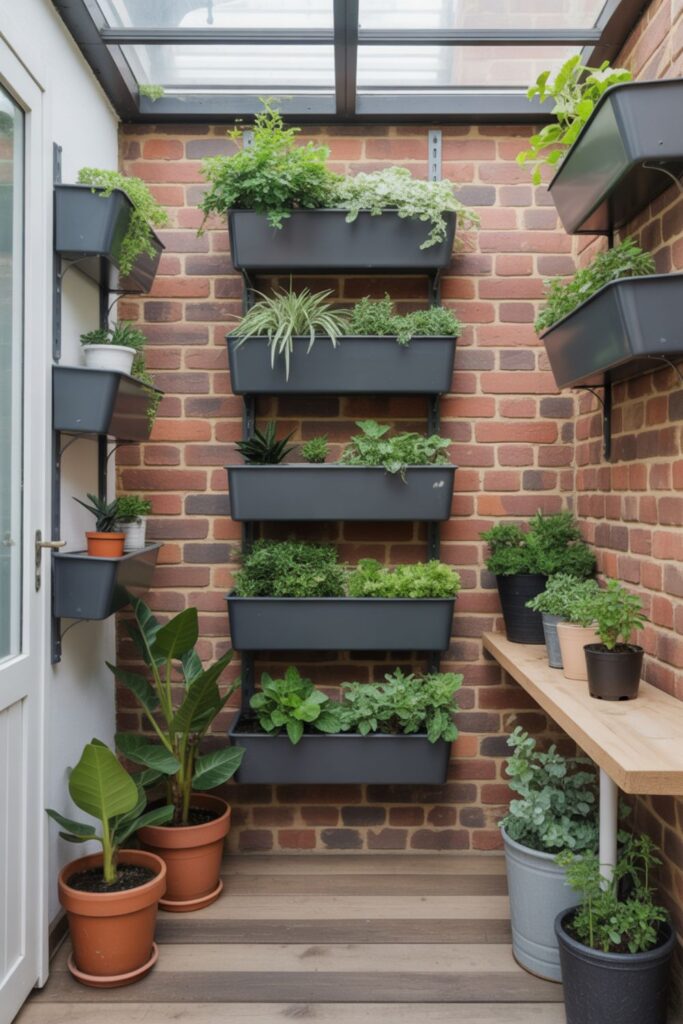
Limited square footage shouldn’t limit your Interior garden ideas ambitions. Smart design strategies help you cultivate lush green spaces even in tight quarters.
Vertical gardens revolutionize small spaces by utilizing wall surfaces instead of precious floor area. Install modular living wall systems with built-in irrigation, mount individual planters on rails, or arrange floating shelves at varying heights to create visual interest. Wall-mounted herb gardens work beautifully in kitchens, positioning fresh basil, cilantro, and thyme within arm’s reach while adding aromatic beauty. Pocket planters made from felt or fabric attach directly to walls, supporting dozens of plants in the footprint of a single painting. These systems typically feature built-in moisture barriers to protect your walls from water damage.
Hanging planters maximize overhead space that usually goes unused. Suspend trailing plants like string of pearls, pothos, or spider plants from ceiling hooks, creating cascading greenery that draws the eye upward and makes rooms feel larger. Macramé hangers add bohemian charm, while sleek metal or ceramic hanging containers suit modern aesthetics. Window-mounted herb gardens capitalize on bright windowsill space without cluttering countertops and install narrow trays or tiered stands that accommodate multiple pots while maintaining your view. Multi-tiered plant stands function like vertical bookshelves for plants, displaying 4-6 specimens in the floor space of one. Corner units fit particularly well in awkward spaces, transforming dead zones into flourishing focal points.
How Can You Create a Living Wall in Your Home?
Living walls serve as dramatic statement pieces that transform ordinary rooms into botanical showcases. These vertical garden installations require planning but deliver unmatched aesthetic appeal.
Modular systems offer the easiest installation path. Purchase pre-made panels with built-in pockets or planters designed specifically for living walls. Brands like Florafelt, Woolly Pocket, and LiveScreen provide complete kits with mounting hardware, irrigation options, and plant selection guides. These systems typically feature moisture-resistant backing that protects your walls from water damage and root penetration. Mount panels directly to studs for secure installation, ensuring weight distribution across multiple attachment points. Some advanced systems incorporate drip irrigation or self-watering reservoirs that simplify maintenance and keep plants consistently hydrated.
DIY approaches work for budget-conscious gardeners willing to invest time. Build a wooden frame matching your desired dimensions, then attach wire mesh or chicken wire across the surface. Layer landscape fabric over the mesh, creating pockets by stapling horizontal sections at regular intervals. Fill pockets with lightweight potting mix designed for vertical gardens standard soil proves too heavy and compacts over time. Start plants in the pockets while the frame lies flat, giving roots time to establish before mounting vertically. This acclimation period (typically 2-3 weeks) prevents plants from sliding out when you hang the frame. Choose plants with similar light and water requirements for easier maintenance. Ferns, pothos, philodendrons, and peperomia varieties work exceptionally well, offering varied textures and colors while tolerating the unique conditions of vertical growth.
What Role Does Lighting Play in Interior Garden Success?
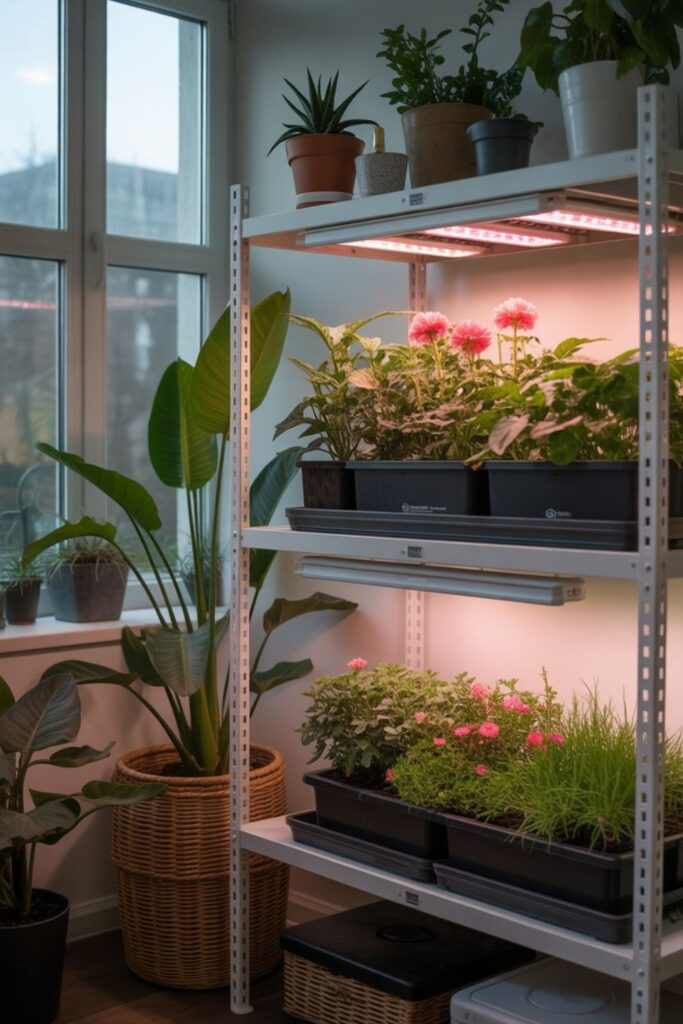
Light functions as the fundamental currency of plant life. Getting this element right separates thriving indoor gardens from struggling collections.
Natural light quality varies dramatically by window orientation and season. South-facing windows deliver the most intense light 6-8 hours of direct sun daily perfect for succulents, cacti, citrus trees, and flowering plants. East-facing windows provide gentle morning sun followed by bright indirect light, suiting most tropical houseplants like monsteras, philodendrons, and ferns. West-facing windows blast intense afternoon sun that can scorch sensitive foliage but works wonderfully for sun-loving species. North-facing windows offer consistent but dim light appropriate only for true low-light champions. Assess your space during different times of day and seasons, since winter sun angles differ significantly from summer patterns.
Supplemental grow lights extend your options when natural light proves insufficient. LED grow lights offer the most energy-efficient solution, producing minimal heat while delivering full-spectrum light that supports photosynthesis. Position lights 6-12 inches above plant canopies for leafy plants, closer for seedlings and herbs. Most plants need 12-16 hours of artificial light daily to compensate for lower intensity compared to natural sun. Red and blue light spectrums prove most important blue promotes compact, leafy growth while red encourages flowering and fruiting. Full-spectrum white LEDs simplify the process by providing balanced light that appears natural to human eyes while meeting plant needs. Timer-controlled lights ensure consistent schedules even when you’re away, preventing the stress that irregular lighting causes. Consider your room’s aesthetics too: modern grow lights come in attractive fixtures that blend seamlessly with contemporary décor rather than screaming “indoor farm.”
How Do You Design an Indoor Herb Garden?
Fresh herbs elevate your cooking while filling your home with delightful aromas. Indoor herb gardens combine functionality with beauty, making them perfect interior garden ideas for kitchens.
Location selection determines success. Place your herb garden near south or west-facing windows where plants receive 6+ hours of direct sun. Kitchens work ideally since you’ll use herbs during meal prep, but any bright spot works. If natural light falls short, supplement with LED grow lights positioned 4-6 inches above plants. Herbs like basil, cilantro, parsley, thyme, and oregano adapt well to indoor gardening when given adequate light. Start with nursery transplants rather than seeds for faster results basil and cilantro grow particularly quickly, providing harvests within weeks.
Container selection impacts both function and form. Individual pots allow you to cater to each herb’s specific water needs basil demands consistent moisture while thyme and oregano prefer drier conditions between waterings. Group pots on decorative trays for cohesive displays that catch excess water. Long rectangular planters accommodate multiple herbs, creating miniature gardens on windowsills or countertops. Ensure all containers feature drainage holes to prevent root rot. Use lightweight, well-draining potting mix formulated for containers rather than garden soil. Mix in perlite or vermiculite to improve aeration. Harvest regularly by pinching off top growth this pruning encourages bushier plants and prevents flowering, which reduces leaf production. Rotate pots weekly so all sides receive equal light, promoting even growth. Fresh herbs within arm’s reach while cooking proves endlessly satisfying, and the living greenery adds warmth to kitchens that tile and appliances can’t match.
What Are the Benefits of Adding Plants to Different Rooms?
Strategic plant placement throughout your home creates tailored benefits for each space’s unique function and environment.
Bedrooms become serene sanctuaries with the right plant selection. Snake plants and pothos provide air purification benefits, removing toxins like formaldehyde and benzene while producing oxygen. Despite the myth that plants shouldn’t occupy bedrooms due to nighttime carbon dioxide production, the amount is negligible compared to purification benefits. Lavender promotes relaxation and improved sleep quality through its calming scent. Position plants away from bedside tables where they might get knocked over, instead using windowsills, dressers, or corners. Low-maintenance varieties work best in bedrooms since you’ll interact with them less frequently than living area plants.
Living rooms and common areas support larger, more dramatic specimens that serve as architectural elements. Fiddle leaf figs, bird of paradise, or large monstera create focal points that anchor seating arrangements. Floor plants in corners soften hard angles and fill empty vertical space. Grouping plants at varying heights adds visual interest combine tall floor plants with medium tabletop specimens and trailing plants on shelves. Living rooms typically offer better light than bedrooms, supporting a wider variety of species. These social spaces benefit from conversation-starting specimens with unique characteristics variegated foliage, unusual growth patterns, or striking blooms.
Bathrooms provide naturally humid environments perfect for tropical plants that struggle in drier rooms. Ferns, orchids, peace lilies, and air plants thrive in steamy conditions near showers and tubs. These plants actually absorb excess moisture from the air, reducing mildew risk while beautifying utilitarian spaces. Place moisture-loving plants on counters, window ledges, or hanging from shower curtain rods in well-lit bathrooms. Even windowless bathrooms can support certain plants when supplemented with grow lights on timers. Home offices benefit from plants that boost productivity and reduce stress. Studies show that Interior garden ideas improve concentration, creativity, and overall work satisfaction. Position a small plant like a succulent or pothos on your desk where you’ll see it regularly, providing mental breaks from screen time.
How Do You Maintain Proper Humidity for Indoor Plants?
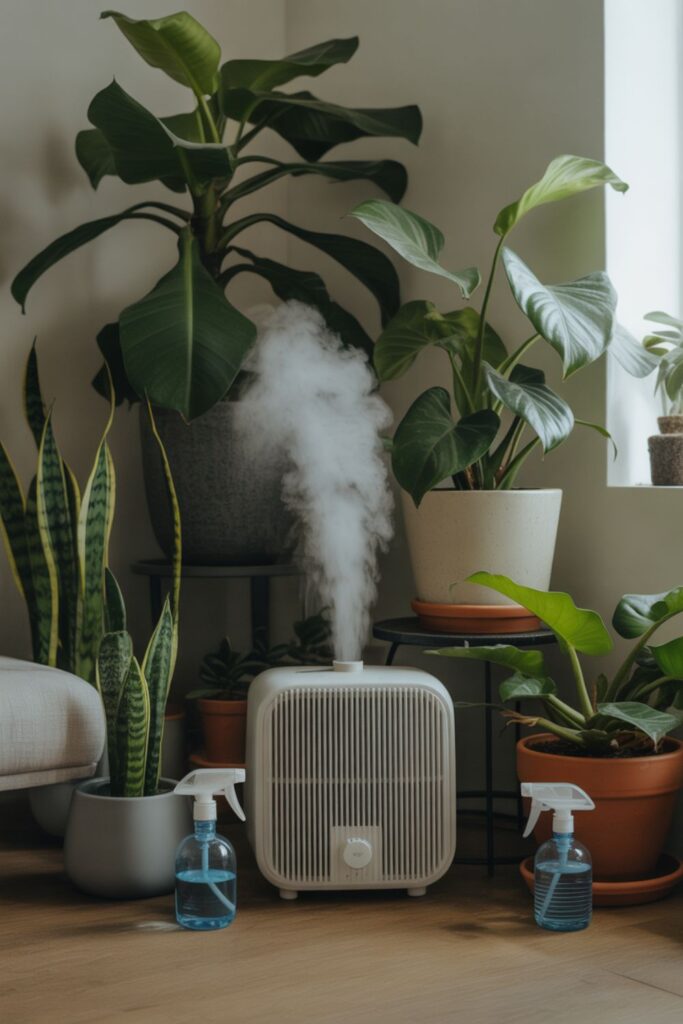
Humidity control separates mediocre Interior garden ideas from exceptional ones, especially for tropical species adapted to moist environments.
Most homes maintain 30-50% relative humidity, while many popular houseplants prefer 50-70%. Low humidity causes brown leaf tips, crispy edges, and increased pest susceptibility. Grouping plants together creates microclimates with higher local humidity as moisture transpired by one plant benefits its neighbors. This simple strategy requires no equipment just arrange plants close enough that their leaves nearly touch. Pebble trays offer another low-tech solution. Fill shallow trays with pebbles or gravel, add water until it nearly reaches the top of the stones, then place pots on the pebbles. As water evaporates, it increases surrounding humidity without waterlogging roots the pebbles keep pots elevated above the water line.
Humidifiers provide precise control for serious collectors or homes with extremely dry air. Cool-mist ultrasonic models work quietly and efficiently, though they require regular cleaning to prevent mineral buildup and bacterial growth. Position humidifiers near plant groupings but not directly next to plants moisture should disperse throughout the area. Run humidifiers during heating season when indoor air becomes particularly dry, typically winter months in most climates. Monitor humidity levels with an inexpensive hygrometer to ensure you’re meeting target ranges. Some plants communicate humidity needs clearly peace lilies droop dramatically when thirsty but perk up within hours of watering, while calatheas develop brown edges in dry air.
Bathrooms, kitchens, and laundries naturally maintain higher humidity due to water usage. Capitalize on these conditions by positioning tropical plants in these rooms. Morning showers create perfect conditions for ferns, orchids, and air plants that absorb moisture directly from the air. Avoid placing plants directly in shower spray, which can damage foliage instead use adjacent counters, window ledges, or shelves where they receive ambient steam. Misting plants provides temporary humidity boosts but proves labor-intensive for minimal benefit. If you enjoy the ritual, mist daily during dry seasons, but recognize this method can’t replace proper humidity control in truly dry environments.
What Are Creative Container Ideas for Indoor Gardens?
Containers serve as both functional necessities and design elements that express your personal style while supporting plant health.
Repurposed items add character and sustainability to your Interior garden ideas. Vintage teapots, enamelware pitchers, wooden crates, and ceramic bowls become charming planters with proper preparation. Drill drainage holes in the bottom using a masonry bit for ceramic or metal containers this prevents root rot by allowing excess water to escape. Line porous materials like untreated wood with plastic to prevent moisture damage to furniture surfaces. Thrift stores, estate sales, and flea markets offer endless possibilities at fraction-of-retail prices. Mix these eclectic containers with contemporary pots for collected-over-time appeal that feels personal rather than store-bought.
Modern minimalist designs suit contemporary spaces beautifully. White ceramic pots in various sizes create clean, cohesive looks that don’t compete with plants for attention. Matte black containers provide dramatic contrast that makes green foliage pop. Concrete planters offer industrial edge with surprising versatility; they work equally well with sculptural succulents or lush tropicals. Geometric shapes like hexagons, cylinders, and angular faceted designs add architectural interest. Self-watering planters incorporate reservoirs that reduce maintenance, particularly useful for frequent travelers or notorious over-waterers. These systems use wicking mechanisms that draw water up into soil as needed.
Hanging and wall-mounted options expand your growing space vertically. Macramé hangers in neutral cotton bring bohemian warmth to any room they’re experiencing a major revival and complement trailing plants perfectly. Metal and leather hanging containers suit modern and industrial aesthetics. Wall-mounted options include floating shelves specifically designed for plants with moisture-proof surfaces, magnetic containers that attach to metal surfaces, and peg rail systems that allow flexible arrangement. Ensure all hanging containers include drainage or are specifically designed as cachepots (decorative outer containers that hide functional nursery pots). Weight matters too verify that your hanging hardware can support filled pots, which weigh substantially more than empty ones. Soil, water, and plants combine to create surprising heft that inadequate hooks can’t safely support.
How Can You Incorporate Edible Plants into Interior Gardens?
Growing food indoors delivers fresh ingredients year-round while creating beautiful, purposeful green spaces that serve multiple functions.
Microgreens provide the fastest path from seed to harvest typically 7-14 days. These nutrient-dense seedlings pack intense flavors and add gourmet touches to salads, sandwiches, and garnishes. Grow them in shallow trays filled with potting mix, planting seeds densely for maximum yield. Place trays under grow lights or in bright windowsills, keeping soil consistently moist. Radish, broccoli, mustard, and sunflower microgreens offer diverse flavors and textures. After harvesting, replant immediately for continuous production. The compact growing method makes microgreens perfect for small spaces and apartment dwellers with limited square footage.
Compact fruiting plants extend your indoor garden into true food production. Dwarf citrus varieties including Meyer lemons, kumquats, and calamondin oranges grow successfully indoors with adequate light. These trees need 8-12 hours of bright light daily south-facing windows or supplemental grow lights prove essential. They also require good air circulation and consistent temperatures between 60-85°F. Cherry tomatoes grow well in large containers (minimum 5 gallons) placed in the brightest spot available. Choose determinate varieties bred for container growing like Tiny Tim or Tumbling Tom. Dwarf pepper plants produce jalapeños, bell peppers, or specialty varieties in pots as small as 2 gallons. Strawberry plants adapt to hanging baskets beautifully, with trailing habit and white flowers adding ornamental value before fruit production. Alpine strawberries produce smaller berries than standard varieties but fruit continuously throughout the growing season.
Mushroom growing kits offer unique edible interior garden ideas that don’t require light. Oyster, shiitake, and lion’s mane mushrooms grow from pre-colonized blocks placed in humid areas like basements or bathrooms. Simply mist the blocks twice daily and harvest fresh mushrooms within weeks. This option suits experimental gardeners interested in expanding beyond traditional plants. The process teaches fascinating lessons about fungal biology while producing gourmet ingredients that cost significantly more at grocery stores.
What Common Mistakes Should You Avoid with Indoor Gardens?
Understanding typical pitfalls helps you sidestep problems that doom countless indoor gardening attempts, saving time, money, and heartache.
Overwatering kills more houseplants than any other single factor. Excess water suffocates roots, preventing oxygen uptake and creating conditions for root rot. Most plants prefer soil that dries partially between waterings rather than constant moisture. Test soil moisture by inserting your finger 2 inches deep in water only when soil feels dry at this depth. Yellow leaves, mushy stems, and moldy soil surface indicate overwatering. Containers without drainage exacerbate this problem by trapping water at the bottom. Always use pots with drainage holes, or double-pot by placing nursery pots inside decorative cachepots, removing the inner pot to water and allowing excess to drain before returning it.
Insufficient light causes weak, leggy growth and pale leaves as plants stretch desperately toward available light. This etiolation creates unattractive specimens susceptible to pests and diseases. Be honest about your home’s light levels: dim corners can’t support high-light plants no matter how much you want them there. Match plants to available light or invest in grow lights to expand options. Similarly, neglecting humidity needs leads to chronic issues with tropical plants. Brown leaf tips and edges signal air too dry for the species. Address this with grouping, pebble trays, or humidifiers rather than hoping plants will adapt they won’t.
Ignoring pest problems until they’re severe allows infestations to spread throughout your collection. Check plants regularly for signs of spider mites (fine webbing), mealybugs (white cottony masses), scale (brown bumps on stems), or fungus gnats (tiny flies around soil). Isolate affected plants immediately to prevent spread. Treat promptly with insecticidal soap, neem oil, or appropriate organic controls. Prevention through proper plant care works better than treating healthy plants with good air purification to resist pests more effectively than stressed specimens. Finally, buying plants impulsively without researching care requirements sets you up for failure. That gorgeous calathea catches your eye, but without proper humidity and consistent moisture, it’ll decline rapidly in typical home conditions. Research before purchasing, ensuring you can provide necessary conditions for long-term success.
How Do You Style and Arrange Indoor Plants for Maximum Impact?
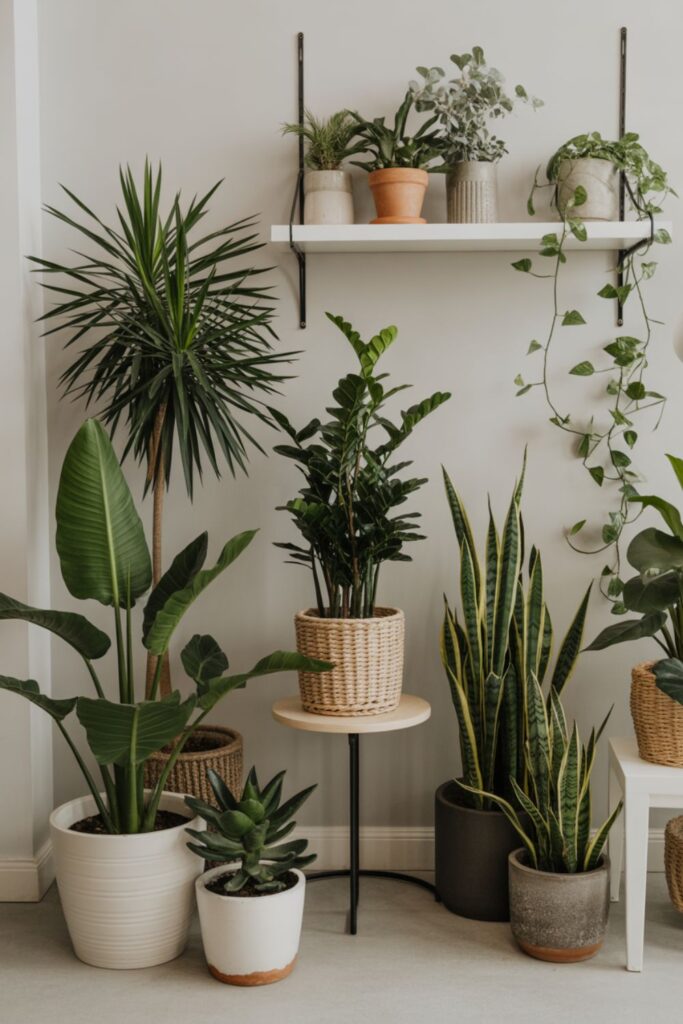
Thoughtful arrangement transforms random plant collections into cohesive interior garden ideas that enhance your home’s overall design scheme.
Group plants in odd numbers (3, 5, 7) at varying heights to create visual interest and natural-looking displays. This technique mimics how plants grow in nature scattered and uneven rather than uniform. Combine different textures and leaf shapes for contrast pair broad-leafed fiddle leaf figs with delicate ferns, or architectural snake plants with trailing pothos. This variety prevents monotony and creates dynamic compositions that draw the eye. Consider scale relationships between plants and their containers, as well as plants relative to surrounding furniture. Massive plants in tiny pots look precarious, while small plants in oversized containers appear lost.
Color coordination ties plant displays to existing décor. Match pot colors to accent pillows, artwork, or room features for integrated looks. Alternatively, choose neutral containers (white, black, concrete, natural terracotta) that work anywhere and let foliage provide color. Variegated plants with cream, yellow, or pink markings add unexpected pops that complement colorful rooms. All-green collections suit minimalist spaces where plants provide the only organic element. Repetition creates cohesion use the same container style in different sizes throughout a room, or repeat specific plant varieties in multiple locations to establish rhythm.
Create focal points with statement plants that command attention. A large floor plant in a room’s corner becomes an anchor point that grounds the space. Place this specimen first, then arrange smaller plants around it in supporting roles. Use plants to define areas in open-concept spaces. A row of tall plants can visually separate living and dining areas without walls. Direct sight lines toward plants positioned at eye level when seated, placing something visually interesting where you’ll naturally look while relaxing. Layer plants at different distances from walls not everything should line up against the perimeter. Pull some plants into the room to create depth and make spaces feel fuller and more lived-in.
What Are the Best Low-Maintenance Interior Garden Ideas?
Time-crunched individuals can still enjoy lush Interior garden ideas by selecting resilient plants and implementing smart care systems.
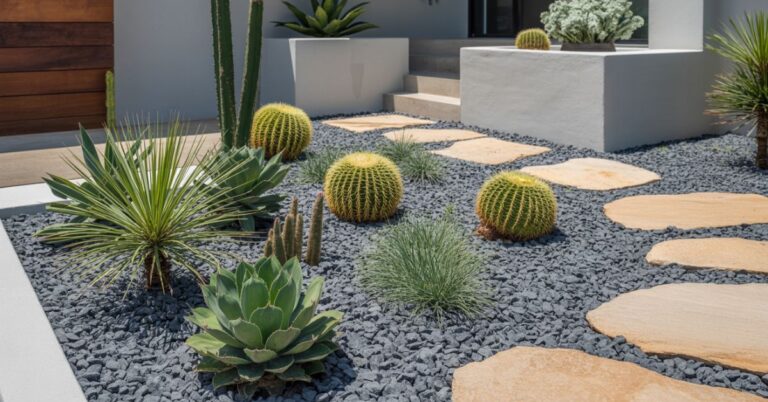
Succulent and cactus gardens deliver maximum visual impact with minimal care requirements. These drought-adapted plants store water in their tissues, tolerating weeks between waterings. Arrange multiple varieties in shallow containers filled with fast-draining cactus mix. This approach provides textural diversity: some succulents grow in rosettes, others trail, and some produce interesting blooms. Place arrangements in bright light and water only when soil dries completely. Overwatering poses the only serious threat to these hardy plants. Desert-themed displays suit modern and southwestern décor particularly well.
Snake plants (Sansevieria) arguably rank as the most indestructible houseplants available. They tolerate neglect, low light, irregular watering, and temperature fluctuations while slowly growing and producing occasional fragrant white flowers. Their architectural upright leaves suit contemporary spaces beautifully. Place them anywhere they literally thrive on neglect. ZZ plants (Zamioculcas zamiifolia) offer similar bulletproof performance with glossy leaves that reflect light beautifully. Both species work perfectly for travelers, busy professionals, or self-proclaimed “black thumbs” who’ve killed everything previously.
Self-watering systems reduce daily maintenance dramatically. Sub-irrigation planters feature reservoirs that hold several days’ to weeks’ worth of water, with wicking mechanisms that draw moisture into soil as needed. Plants regulate their own water intake, preventing overwatering while ensuring consistent moisture. These systems work especially well for moisture-loving plants like peace lilies and ferns. Vacation watering globes provide temporary solutions to fill decorative glass bulbs with water and insert them into soil, where they slowly release moisture over 7-14 days. Capillary mat systems allow you to water multiple plants simultaneously by placing pots on absorbent mats that draw water from a reservoir. These approaches maintain healthy plants even when you can’t water daily or travel frequently for work.
How Can Interior Gardens Improve Indoor Air Quality?
Plants function as natural air purification systems, removing harmful chemicals while producing oxygen and regulating humidity making them both beautiful and functional additions to homes.
NASA’s Clean Air Study identified specific houseplants that effectively remove common indoor pollutants. Spider plants remove formaldehyde and xylene, chemicals released by pressed wood furniture and cleaning products. Peace lilies tackle benzene, formaldehyde, trichloroethylene, and ammonia pollutants found in paints, varnishes, and cigarette smoke. Boston ferns excel at removing formaldehyde while adding substantial moisture to dry indoor air through transpiration. Snake plants uniquely produce oxygen at night, making them ideal bedroom companions. English ivy reduces airborne mold particles, benefiting allergy sufferers. To achieve meaningful air purification, NASA recommends at least one plant per 100 square feet of living space, with larger or multiple plants in heavily used areas like living rooms and bedrooms.
Plants improve air quality through multiple mechanisms beyond direct pollutant removal. Transpiration, the process where plants release water vapor through leaf pores, increases humidity levels, alleviating dry air that irritates respiratory systems. Microorganisms in potting soil also break down volatile organic compounds (VOCs), contributing to cleaning effects. Plant leaves trap dust and particulates, physically removing them from circulation. Regularly wiping leaves with damp cloths maximizes this benefit while keeping plants healthy and photosynthesizing efficiently.
Realistic expectations matter when considering air purification through plants. While plants demonstrably improve air quality, they can’t replace mechanical HEPA filtration in severely polluted environments or substitute for proper ventilation. View plants as one component of comprehensive indoor air quality strategies that include source reduction (choosing low-VOC paints and furnishings), adequate ventilation, and mechanical filtration when necessary. The psychological benefits of indoor gardens reduce stress, improved mood, increased sense of wellbeing arguably provide more immediate and noticeable benefits than air cleaning. That said, any air quality improvement remains worthwhile, especially given that plants simultaneously deliver aesthetic, psychological, and air quality benefits in a single package.
Read More About: Best Outdoor Plant Decoration Ideas for a Stunning Garden
What Are the Costs Associated with Starting an Indoor Garden?
Understanding financial requirements helps you budget appropriately and make informed decisions about which interior garden ideas suit your resources.
Basic starter collections remain surprisingly affordable. A modest Interior garden ideas of 5-10 common houseplants costs $50-150 when purchasing from big-box stores or online retailers. Small pothos, snake plants, spider plants, and philodendrons typically range from $5-15 each in 4-6 inch pots. Budget for basic supplies including potting mix ($10-20 for a large bag), containers with drainage ($5-25 each depending on size and material), and basic tools like watering can ($10-15) and pruning shears ($10-20). This initial investment provides everything needed to start Interior garden ideas successfully.
Mid-range collections incorporating larger specimens or specialized varieties cost $300-800. Statement floor plants like fiddle leaf figs, monsteras, or bird of paradise range from $50-200 depending on size. Self-watering containers add $30-80 each but reduce maintenance. Basic LED grow lights for supplemental lighting cost $30-100 per fixture. Humidity management tools including hygrometers ($10-20) and small humidifiers ($30-60) ensure optimal conditions. Organic fertilizers and pest control products add another $20-40. This level supports more diverse collections with slightly more demanding plants.
High-end indoor gardens featuring rare specimens, extensive living walls, or full-spectrum lighting systems can exceed $2,000-5,000. Rare aroids, variegated monsters, or collector varieties cost $100-1,000+ per plant. Custom-built living wall systems with irrigation run $1,500-5,000 installed. Professional-grade LED grow light panels cost $200-800 each. Designer ceramic or concrete containers range from $75-300 per pot. These investments suit serious collectors building botanical showcases rather than casual hobbyists. Ongoing costs remain modest regardless of initial investment expect to spend $10-30 monthly on potting mix, fertilizer, and occasional plant additions. Electricity costs for grow lights add $5-20 monthly depending on wattage and run time. The relatively low ongoing expenses make Interior garden ideas an affordable long-term hobby compared to many alternatives.
Frequently Asked Questions
What are the easiest interior garden ideas for beginners?
Start with low-maintenance houseplants like pothos, snake plants, or ZZ plants that tolerate irregular watering and varying light conditions. Simple windowsill herb gardens with basil and mint provide quick results and practical benefits. Avoid finicky plants like fiddle leaf figs or calatheas until you’ve developed consistent care routines and confidence.
How often should I water my indoor garden plants?
Watering frequency depends on plant type, pot size, humidity, temperature, and light levels. Most tropical houseplants need water when the top 1-2 inches of soil feel dry to touch, typically every 7-10 days. Succulents and cacti require watering only when soil dries completely, often every 2-3 weeks. Always check soil moisture rather than following rigid schedules.
Can interior gardens survive in rooms without windows?
Windowless rooms can support indoor gardens with proper artificial lighting. Install full-spectrum LED grow lights on timers providing 12-16 hours of daily illumination. Choose low-light plants like pothos, philodendrons, or snake plants that adapt most successfully to artificial light. Rotate plants to naturally lit areas periodically to maintain optimal health
What plants purify indoor air most effectively?
NASA research identifies spider plants, peace lilies, snake plants, Boston ferns, and English ivy as top air purification performers. These species remove common pollutants including formaldehyde, benzene, and xylene while producing oxygen. Place at least one plant per 100 square feet for noticeable air quality improvements throughout your home.
How do I prevent pests in my interior garden?
Maintaining plant health through proper watering, adequate light, and good air circulation stressed plants attract pests more readily. Inspect new plants carefully before bringing them home and quarantine them for 1-2 weeks. Address problems immediately using insecticidal soap or neem oil. Clean leaves regularly to remove dust where pests hide and reproduce.
Do interior gardens increase home value?
While indoor gardens don’t directly increase appraisal values, they significantly enhance perceived home quality during showings. Well-maintained plants make spaces feel cared for, fresh, and inviting. They improve air quality and aesthetic appeal, potentially helping homes sell faster. Built-in features like irrigation systems or permanent living walls may add modest value.
Conclusion
Interior garden ideas transform houses into homes by introducing living elements that improve air quality, boost mental health, and create personalized sanctuaries. Whether you start with a single pothos on your desk or commit to an elaborate living wall system, indoor gardening adapts to any space, budget, or skill level. The key lies in matching plants to your environment’s light and humidity conditions while choosing varieties that align with your maintenance commitment and aesthetic preferences.
Your indoor garden journey begins with a single plant and grows from there. Start small, learn from inevitable mistakes, and gradually expand as your confidence builds. The rewards extend far beyond decoration you’ll develop deeper connections with nature, reduce stress through nurturing routines, and enjoy fresher air in your living spaces. Create your green space today by selecting appropriate plants, securing proper containers and supplies, and committing to consistent care. Your home deserves the warmth, vitality, and beauty that only living plants provide. Transform your interior spaces into thriving gardens that nourish both body and spirit while creating environments where you truly want to spend time.