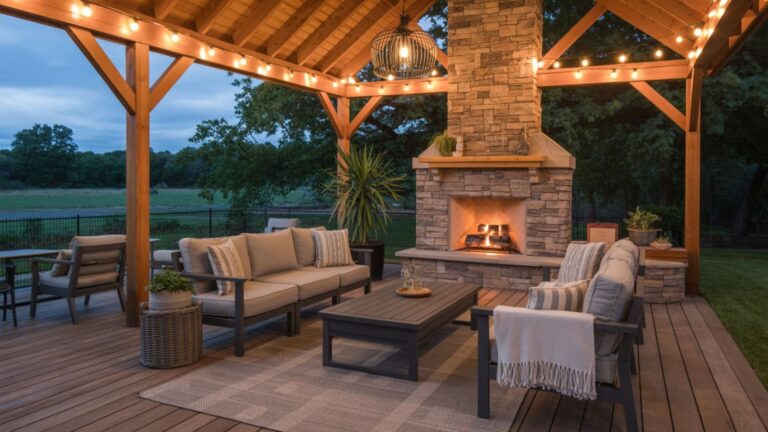
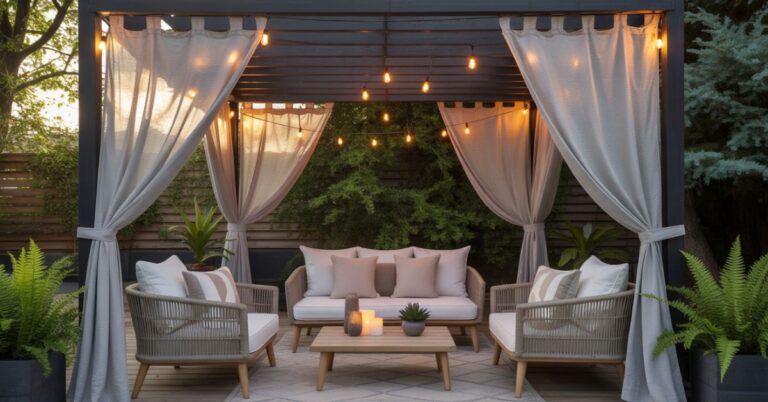
25+ Outside Plant Decor Ideas for a Stylish Space

Your outdoor space feels bland and uninviting. You walk past your porch or patio every day, noticing how lifeless it looks compared to your neighbor’s vibrant garden oasis. The concrete feels cold, the corners sit empty, and guests barely glance at your exterior before heading inside. This lack of personality doesn’t just affect your home’s appearance it impacts your mood and reduces your property’s curb appeal significantly.
Imagine hosting a gathering where everyone rushes past your entrance without a second thought. Picture potential buyers driving by your home, unimpressed by the forgettable facade. The frustration builds as you scroll through magazine-worthy outdoor plant decoration images, wondering why your space can’t look equally inviting. You’ve invested in furniture and lighting, yet something fundamental is missing. Your outdoor area remains a blank canvas that desperately needs life, color, and character.
The solution lies in strategic outside plant decor ideas that blend creativity with practical design principles. You don’t need an expensive landscape architect or years of gardening experience to create stunning exterior spaces. With the right plant placement, container selection, and styling techniques, you can transform any outdoor area into a welcoming retreat that reflects your personality while boosting your home’s value.
How to Choose the Right Plants for Outdoor Decor
Selecting appropriate plants for your exterior spaces requires understanding your climate zone, sunlight exposure, and maintenance commitment. Your garden decor success starts with matching plant requirements to your specific environment rather than choosing based solely on appearance.
First, assess your outdoor area’s sun exposure throughout the day. South-facing spaces receive intense direct sunlight, making them ideal for sun-loving flowering plants like petunias, geraniums, and marigolds. North-facing areas receive minimal direct light, requiring shade-tolerant varieties such as hostas, ferns, and impatiens. East-facing locations enjoy gentle morning sun, perfect for begonias and hydrangeas, while west-facing spots endure harsh afternoon heat, demanding drought-resistant options like lavender and succulents.
Consider your USDA hardiness zone to ensure plants survive seasonal temperature fluctuations. Perennials that thrive in Zone 7 may struggle in Zone 4’s harsh winters. Research your zone’s specific requirements and select plants accordingly. Native plants typically require less maintenance and water because they’ve adapted to local conditions over centuries. The Lady Bird Johnson Wildflower Center provides excellent native plant databases sorted by region and growing conditions.
Your lifestyle significantly impacts plant selection. Busy professionals benefit from low-maintenance options like ornamental grasses, sedums, and succulents, which tolerate occasional neglect. Garden enthusiasts might enjoy high-maintenance roses, dahlias, or tropical specimens requiring regular deadheading and feeding. Honest self-assessment prevents frustration and plant casualties down the road.
What Are the Best Container Options for Outdoor Plant Displays
Container gardening offers incredible flexibility for renters, small-space dwellers, and anyone wanting movable outdoor plant decoration. Your container choices dramatically affect both plant health and visual impact, making material selection crucial.
Terracotta pots remain timeless classics that provide excellent breathability for root systems. Their porous nature prevents overwatering issues but requires more frequent irrigation in hot climates. These affordable containers develop attractive patinas over time, adding rustic charm to patio plants. However, terracotta cracks easily during freeze-thaw cycles, necessitating winter storage in cold regions.
Fiberglass and resin planters mimic expensive materials like stone or concrete at a fraction of the cost. These lightweight options withstand temperature extremes without cracking and come in countless styles from modern geometric shapes to traditional urns. Their non-porous surfaces retain moisture longer than terracotta, reducing watering frequency. High-quality resin planters resist UV fading and maintain appearance for years.
Wooden containers like whiskey barrels and cedar planters create warm, natural aesthetics perfect for cottage gardens and farmhouse styles. Cedar’s natural rot resistance extends container lifespan, while untreated wood requires annual sealing to prevent deterioration. Wooden planters provide good insulation for roots during temperature fluctuations.
Metal containers including galvanized tubs, copper pots, and powder-coated steel planters deliver industrial-chic or elegant looks depending on finish. Metal conducts heat rapidly, potentially damaging roots in direct sun, so position these containers strategically or line interiors with insulation. Drainage holes are essential in all container types to prevent root rot.
Creative Vertical Garden Ideas for Small Outdoor Spaces
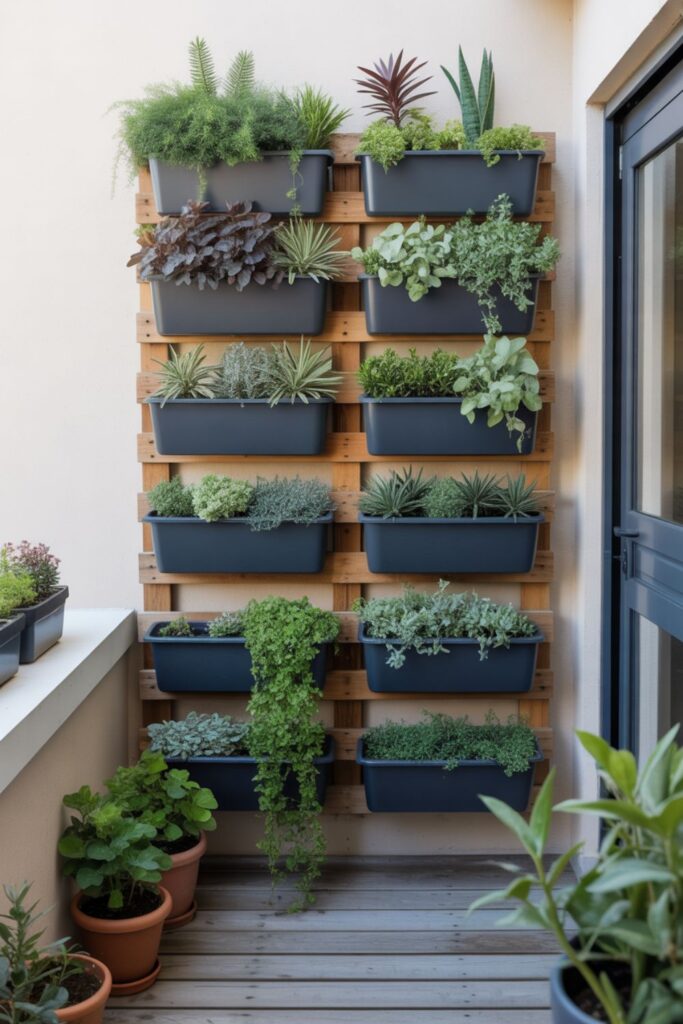
Vertical gardens maximize limited square footage by utilizing unused wall space, fences, and structures. These space-efficient solutions work beautifully for apartment balconies, narrow side yards, and compact patios where ground space is precious.
Wall-mounted pocket planters create living tapestries from herbs, succulents, or trailing flowers. These felt or fabric systems feature multiple planting pockets arranged in attractive patterns. Install them on blank walls, privacy screens, or fence sections to add instant dimension. Ensure proper irrigation systems since vertical arrangements dry faster than ground-level plantings. Drip irrigation or self-watering versions reduce maintenance demands considerably.
Ladder plant stands offer tiered display options without permanent installation requirements. Lean vintage wooden ladders against walls or fences, positioning potted plants on each rung. This approach works particularly well for showcasing collections of herbs, small flowering plants, or varied succulents at different heights. Paint ladders in coordinating colors or leave natural wood for rustic appeal.
Trellis systems support climbing plants like jasmine, clematis, morning glories, and climbing roses while adding architectural interest. Install trellises against walls, between posts, or as freestanding dividers to create garden rooms. These structures provide privacy screening while maximizing planting area. Choose materials wood, metal, or vinyl based on desired aesthetic and maintenance preferences.
Hanging gutter gardens repurpose rain gutters into horizontal planters perfect for shallow-rooted plants like lettuce, strawberries, and trailing flowers. Mount multiple gutters at staggered heights along fences or walls, creating cascading greenery. This innovative approach combines functionality with visual appeal while keeping plants accessible for harvesting and maintenance.
Read More About: 20+ Cinder Blocks Garden Ideas for Any Yard
How to Create Stunning Entryway Plant Arrangements
Your home’s entrance creates crucial first impressions that significantly impact curb appeal and visitor perception. Strategic outside plant decor ideas at your front door welcome guests while reflecting your style immediately.
Symmetrical arrangements flanking your entrance deliver formal, balanced aesthetics suitable for traditional architecture. Place matching planters with identical plants on both sides of your door, creating visual harmony. Topiary standards, boxwood spheres, or elegant urns filled with seasonal flowers work beautifully in paired configurations. This classic approach never feels outdated and increases perceived property value.
Layered height combinations add depth and visual interest to entry displays. Position tall plants like ornamental grasses or small trees in back corners, medium-height shrubs or perennials in middle positions, and low trailing plants along container edges. This professional technique mimics natural landscape layers while ensuring all plants receive adequate visibility and light.
Seasonal rotation keeps entrances fresh throughout the year. Spring welcomes tulips, daffodils, and pansies in pastel palettes. Summer showcases vibrant annuals like petunias, zinnias, and begonias. Fall transitions to mums, ornamental kale, and decorative grasses. Winter features evergreen boughs, holly berries, and cold-hardy pansies. Switching displays seasonally demonstrates attention to detail and keeps your entrance relevant.
Container groupings in odd numbers typically three, five, or seven create more dynamic compositions than even-numbered arrangements. Vary container sizes, heights, and materials while maintaining cohesive color schemes. This designer trick appears effortless yet delivers professional results that catch eyes from the street.
What Are the Most Popular Outdoor Plant Color Schemes
Color psychology significantly influences outdoor space ambiance and perceived temperature. Your plant palette choices create specific moods while either complementing or contrasting with architectural elements.
Monochromatic schemes using single-color variations create sophisticated, calming environments. White gardens featuring gardenias, white roses, alyssum, and dusty miller appear larger and glow beautifully in evening light. These elegant spaces suit formal settings and provide peaceful retreats. Purple monochromatic gardens using lavender, salvia, petunias, and alliums deliver dramatic impact with romantic undertones.
Complementary color combinations pair opposite hues on the color wheel orange with blue, yellow with purple, or red with green creating vibrant, energetic displays. Plant orange marigolds with blue lobelia, or pair yellow coreopsis with purple salvia for eye-catching contrasts that enliven spaces. These bold schemes work particularly well in contemporary settings and maximalist designs.
Analogous color schemes combine three adjacent colors on the wheel, such as yellow-orange-red or blue-purple-pink. These harmonious palettes feel cohesive and natural while offering sufficient variety. Plant yellow daylilies with orange zinnias and red dahlias, or combine blue hydrangeas with purple petunias and pink impatiens for pleasing gradations.
Cool color palettes featuring blues, purples, and whites create calming retreats that visually recede, making small spaces appear larger. These colors work beautifully in shaded areas and evening gardens where they remain visible after sunset. Warm colors reds, oranges, and yellows energize spaces and create focal points that draw attention from distances.
Budget-Friendly DIY Outdoor Plant Decor Projects
Creative outdoor plant decoration doesn’t require substantial investment when you embrace repurposing and DIY approaches. Resourceful projects deliver unique results while stretching your budget considerably.
Repurposed containers offer endless possibilities beyond traditional pots. Transform old wheelbarrows, vintage crates, retired boots, or colanders into quirky planters with drainage holes. Paint these finds in coordinating colors or leave patinas for shabby-chic appeal. Thrift stores, garage sales, and your own basement provide treasure troves of potential containers requiring minimal investment.
Painted concrete blocks stack into modern modular planters perfect for succulents, herbs, or small flowers. Arrange blocks in geometric patterns, leaving openings for soil and plants. Spray paint blocks in trendy colors like matte black, sage green, or terracotta for contemporary looks. This project costs under $30 and completes in an afternoon.
Pallet gardens repurpose shipping pallets into vertical planters ideal for herbs, strawberries, or trailing flowers. Sand pallets thoroughly, treat with weatherproof stain, attach landscape fabric backing, add soil, and plant. Lean finished pallets against walls or mount securely. This space-saving solution costs virtually nothing if you source free pallets from local businesses.
Tire planters transform discarded tires into colorful container gardens. Clean tires thoroughly, paint exteriors with outdoor spray paint in vibrant hues, fill with soil, and plant flowers or vegetables. Stack multiple tires vertically for added height and interest. This eco-friendly project diverts waste while creating functional garden elements.
How to Design Eye-Catching Balcony Plant Displays
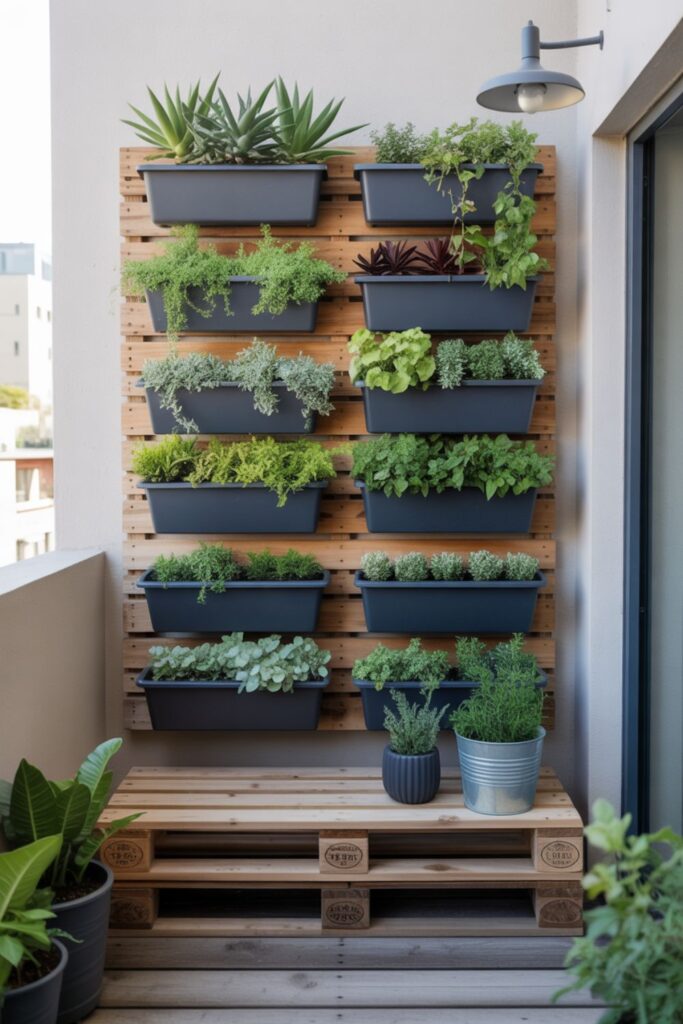
Balcony plant ideas require strategic planning to maximize limited space while adhering to weight restrictions and building regulations. Your approach must balance aesthetics with structural considerations.
Weight distribution remains paramount in balcony gardening. Concentrate heavier containers near structural supports and walls rather than cantilevered edges. Choose lightweight soil alternatives like coconut coir-based mixes rather than heavy topsoil. Plastic or fiberglass containers significantly reduce load compared to concrete or ceramic options. Check building codes regarding weight limits before proceeding with extensive installations.
Railing planters optimize space by utilizing existing structures without consuming precious floor area. Adjustable brackets secure planters directly to railings, creating continuous green borders. Select compact varieties like petunias, herbs, or trailing flowers that won’t obstruct views. Ensure secure attachment to prevent dangerous falls during storms or high winds.
Corner utilization maximizes square footage in small balconies. Position tall plants in corners where they won’t impede traffic flow while creating vertical interest. Tiered plant stands in corners display multiple plants without expanding footprints. This strategic placement keeps walkways clear while enhancing greenery.
Privacy screening with tall plants transforms exposed balconies into intimate retreats. Bamboo, ornamental grasses, or climbing vines trained on trellises block sightlines from neighbors while adding lush textures. These living screens provide wind protection and noise reduction beyond visual privacy.
Top Trending Outdoor Plant Decor Styles
Contemporary design trends influence garden decor preferences, with several distinct aesthetics dominating current landscapes. Understanding these styles helps you achieve cohesive, on-trend appearances.
Modern minimalist gardens emphasize clean lines, limited plant varieties, and sculptural specimens. Geometric concrete planters house architectural plants like snake plants, agaves, or ornamental grasses. Monochromatic green palettes dominate with occasional white or black accents. Negative space receives equal consideration as planted areas, creating zen-like simplicity. This style suits contemporary architecture and busy professionals seeking low-maintenance elegance.
Cottage gardens embrace abundant, romantic plantings with informal arrangements that appear naturally occurring. Mix perennials, annuals, herbs, and vegetables in layered compositions without rigid structure. Climbing roses, delphiniums, foxgloves, and lavender create English countryside charm. Vintage containers, weathered wood accents, and meandering pathways enhance the relaxed, timeless aesthetic. This approach requires regular maintenance but delivers unmatched charm and biodiversity.
Mediterranean gardens feature drought-tolerant plants in earthy terracotta containers, evoking Italian and Greek coastal regions. Lavender, rosemary, olive trees, succulents, and ornamental grasses thrive with minimal water. Gravel pathways, stone accents, and aged terracotta create sun-drenched atmospheres perfect for warm climates. These water-wise gardens align with sustainable landscaping principles while delivering vacation vibes.
Tropical oases transport viewers to exotic destinations through lush, bold foliage. Large-leafed plants like elephant ears, bird of paradise, cannas, and palms create jungle-like density. Vibrant flower colors, hot pinks, oranges, and reds punctuate green backdrops. This style works in warm climates year-round or as seasonal displays elsewhere using annual tropicals.
What Are the Best Low-Maintenance Outdoor Plants
Busy lifestyles demand resilient plants that tolerate irregular care while maintaining attractive appearances. These hardy options deliver reliable performance with minimal intervention.
Succulents top the low-maintenance list with incredible drought tolerance and minimal feeding requirements. Sedums, sempervivums, and echeverias store water in fleshy leaves, surviving weeks without irrigation. Their diverse forms and colors from blue-gray to burgundy create interesting compositions in containers or rock gardens. These plants thrive in poor soil and actually suffer from excessive attention, making them perfect for neglectful gardeners.
Ornamental grasses provide year-round structure with virtually no maintenance beyond annual spring cutback. Varieties like fountain grass, blue fescue, and maiden grass tolerate drought, poor soil, and pest pressure while delivering movement and texture. Their wispy plumes soften hard landscapes and provide winter interest when other plants disappear. Most grasses require division only every 3-5 years.
Daylilies produce stunning blooms despite neglect, tolerating diverse soil conditions and irregular watering. Each flower lasts a single day, but continuous bud production ensures months of color from early summer through fall. Thousands of varieties offer colors from pale yellow to deep burgundy. These perennials multiply readily, filling spaces quickly without aggressive spreading.
Hostas dominate shaded areas with bold foliage requiring virtually zero maintenance. Hundreds of varieties range from miniature specimens to giant three-foot clumps. Leaf colors include blue-gray, chartreuse, variegated combinations, and deep green. Once established, hosts need no deadheading, occasional division, and tolerate neglect remarkably well. Slugs pose the primary pest challenge in humid climates.
How to Incorporate Lighting with Outdoor Plant Displays
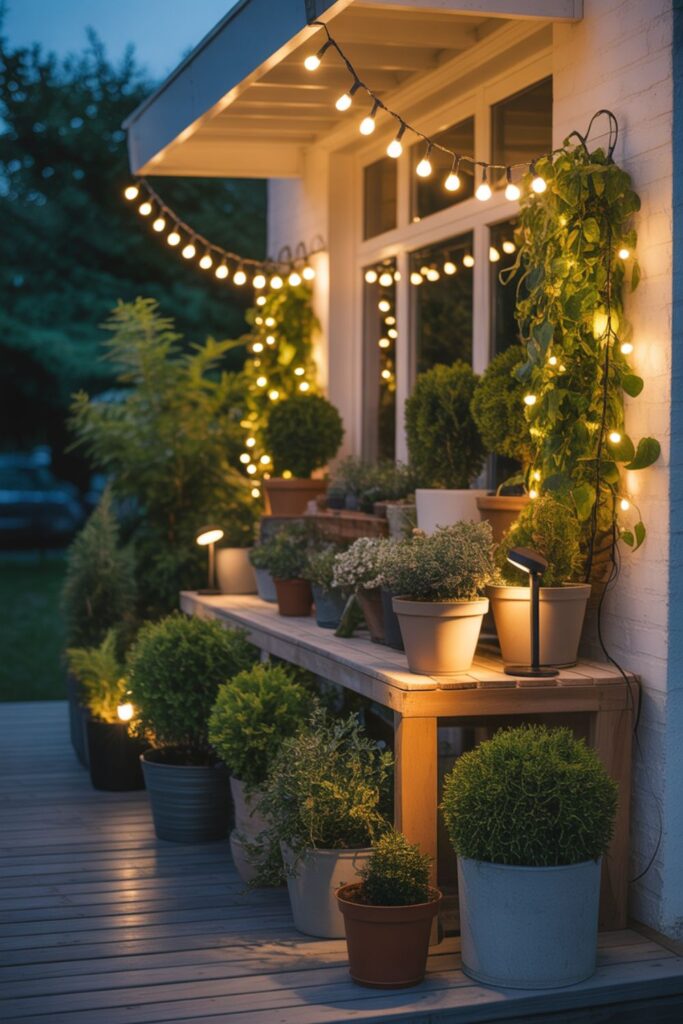
Strategic lighting transforms outdoor plant decoration from daytime-only interest into nighttime focal points that extend outdoor enjoyment hours. Your lighting choices dramatically impact ambiance and plant visibility after dark.
Uplighting positioned below plants casts dramatic shadows upward onto walls or canopies, highlighting plant forms and textures. Place ground-level spotlights at plant bases to illuminate trees, large shrubs, or architectural specimens. This technique creates theater-like effects that emphasize plant structure while adding mystery and sophistication. LED spotlights with adjustable heads allow precise beam direction.
String lights woven through container groupings or overhead structures create magical ambiance reminiscent of outdoor cafes. Solar-powered or plug-in options drape across pergolas, wrap around posts, or hang between trees. Warm white bulbs deliver inviting glows while maintaining plant visibility. This affordable lighting option transforms ordinary spaces into enchanted outdoor rooms.
Path lighting integrated with container plants illuminates walkways while showcasing nearby plantings. Position low-voltage stake lights among patio plants lining pathways, ensuring safe navigation while highlighting floral displays. Solar options eliminate wiring concerns but may provide insufficient brightness in heavily shaded areas. This dual-purpose approach enhances safety and aesthetics simultaneously.
Lanterns and candles nestled among plants add romantic warmth and flickering interest. Group pillar candles in hurricane glasses at varying heights throughout container displays. Hang lanterns from shepherd’s hooks positioned among tall plants. Real or battery-operated candles work equally well, with battery versions eliminating fire concerns and weather limitations.
What Mistakes Should You Avoid in Outdoor Plant Decor
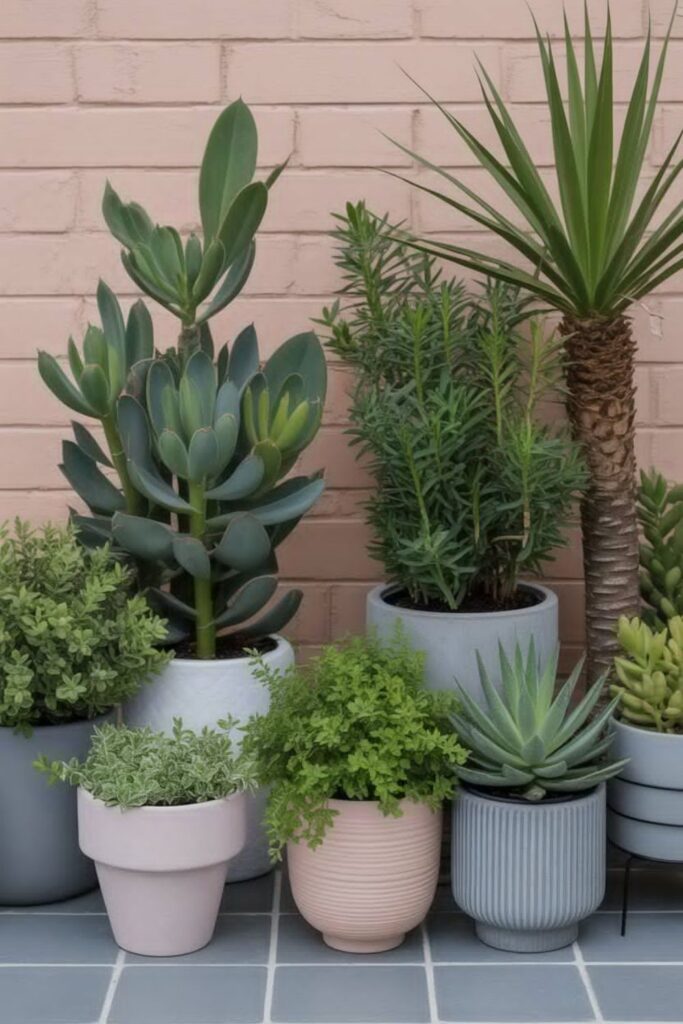
Common errors undermine even well-intentioned outside plant decor ideas, wasting money and creating frustration. Recognizing these pitfalls helps you avoid disappointing results.
Overcrowding containers tempts gardeners seeking instant fullness but creates competition for nutrients, water, and light. Cramped roots struggle to establish properly while disease pressure increases in poorly ventilated foliage. Follow spacing recommendations on plant tags, allowing room for mature growth. Patient gardeners achieve healthier, more sustainable displays than those prioritizing immediate impact.
Ignoring mature plant sizes leads to constant pruning or replacement when specimens outgrow locations. That cute six-inch shrub may reach six feet at maturity, overwhelming nearby plants and containers. Research adult dimensions before purchasing, selecting appropriately sized varieties for available space. Dwarf cultivars offer full-size plant appearance in compact forms perfect for containers.
Neglecting drainage dooms plants regardless of other care quality. Containers without adequate drainage holes cause waterlogged soil that suffocates roots and promotes rot. Drill additional holes if needed, and add gravel layers at container bottoms to facilitate water flow. Well-draining soil mixes prevent saturation even with proper holes.
Mixing incompatible plants with different water, light, or soil requirements creates maintenance nightmares. Sun-loving petunias languish alongside shade-preferring impatiens, while drought-tolerant succulents suffer next to moisture-demanding ferns. Group plants with similar cultural needs in each container, simplifying care while optimizing growing conditions for all specimens.
Read More About: 30+ Small Garden With Rocks Ideas to Transform Compact Spaces
How to Create Seasonal Outdoor Plant Decor Rotations
Year-round interest requires strategic seasonal planning that keeps outdoor spaces vibrant through changing conditions. Your rotation system maintains continuous appeal without starting from scratch each season.
Spring transitions begin as temperatures stabilize above freezing consistently. Replace winter evergreens and cold-hardy pansies with early bloomers like tulips, daffodils, primroses, and violas. Pastel color palettes, soft pinks, lavenders, yellows, and whites evoke renewal and fresh starts. Incorporate flowering branches like forsythia or cherry blossoms for vertical interest. This season emphasizes rebirth and delicate beauty after winter dormancy.
Summer rotations showcase heat-tolerant annuals delivering continuous color through intense weather. Petunias, zinnias, marigolds, geraniums, and begonias thrive in summer heat while blooming prolifically. Vibrant color combinations of hot pinks with oranges, or bold reds with yellows create energetic displays. Add tropical specimens like cannas, elephant ears, or coleus for bold foliage. Summer containers require frequent watering and deadheading to maintain peak appearance.
Fall transitions introduce warm autumn tones through mums, ornamental kale, asters, and decorative grasses. Burgundy, rust, orange, and gold palettes complement changing foliage. Add mini pumpkins, gourds, or corn stalks for harvest themes without appearing cliché. Incorporate cool-weather annuals like pansies and snapdragons that continue blooming through light frosts. This season balances abundance with impending dormancy.
Winter displays challenge gardeners in cold climates but remain achievable through evergreen branches, holly berries, winterberry stems, and cold-hardy pansies. Add decorative elements like birch branches, pinecones, or festive ribbons without overwhelming natural beauty. Evergreen boughs provide structure while berries add color pops. In mild climates, continue with pansies, violas, ornamental kale, and cool-season vegetables.
FAQs
What are the easiest outdoor plants for beginners?
Beginner-friendly options include petunias, marigolds, geraniums, and impatiens for flowers, while succulents, hostas, and ornamental grasses require minimal care and forgive mistakes. These resilient plants tolerate inconsistent watering and adapt to various light conditions, making them ideal starting points. Focus on plants labeled “low-maintenance” at nurseries, and choose varieties suited to your specific climate zone for best results.
How often should I water outdoor container plants?
Container plants typically need daily watering during hot summer months since pots dry faster than ground soil, while spring and fall may require watering every 2-3 days depending on weather and plant types. Check soil moisture by inserting your finger two inches deep in water when soil feels dry at this depth. Succulents and drought-tolerant plants need less frequent irrigation than tropicals or annuals, so adjust schedules based on specific plant requirements.
Can I use indoor plants for outdoor decoration?
Many indoor plants transition outdoors for summer months if acclimated gradually to prevent shock, but most cannot tolerate frost or temperature extremes. Start by placing indoor plants in shaded outdoor areas for a few hours daily, gradually increasing exposure over 1-2 weeks. Pothos, snake plants, and philodendrons enjoy summer vacations outdoors in shaded spots, but bring them inside before fall temperatures drop below 50°F consistently.
What outdoor plants attract butterflies and hummingbirds?
Butterflies favor nectar-rich flowers like coneflowers, butterfly bush, zinnias, and lantana, while hummingbirds prefer tubular blooms such as salvia, fuchsia, petunias, and bee balm. Plant these in sunny locations with nearby water sources to create pollinator-friendly habitats. Avoid pesticides that harm beneficial insects, and include host plants like milkweed for monarch butterflies to complete their life cycles in your garden.
How do I protect outdoor plants from pests naturally?
Natural pest control includes companion planting with marigolds, introducing beneficial insects like ladybugs, using neem oil sprays, and maintaining healthy soil that produces vigorous plants resistant to pest damage. Remove affected leaves promptly, encourage biodiversity that attracts pest predators, and avoid overhead watering that promotes fungal diseases. Strong water sprays dislodge aphids and spider mites without chemicals, while diatomaceous earth deters crawling insects around container bases.
Conclusion
Strategic outside plant decor ideas transform ordinary outdoor spaces into personalized retreats that enhance daily living and property value. Your success depends on matching plants to environmental conditions, selecting appropriate containers, and implementing cohesive design principles rather than random placement. Whether you embrace modern minimalism, cottage garden abundance, or Mediterranean drought-tolerance, thoughtful planning creates outdoor areas that reflect your style while thriving in your specific climate. The key lies in starting with achievable projects, learning from successes and failures, and gradually expanding your outdoor plant decoration as confidence grows.
Your outdoor spaces deserve the same attention and creativity you invest in interior rooms. Begin with a single well-planned container grouping at your entrance, master the basics of plant care and seasonal rotation, then expand to patios, balconies, or garden areas. Remember that even small improvements such as a pair of symmetrical planters, a vertical herb garden, or a collection of colorful annuals significantly impact curb appeal and personal enjoyment. Take action today by assessing your outdoor areas, identifying one space for improvement, and implementing the techniques shared here. Your transformed outdoor sanctuary awaits, requiring only your commitment to creating beautiful, welcoming exteriors that invite relaxation and admiration throughout every season.