20+ Plant Decor Ideas to Transform Your Space extraordinary

Your home has plants scattered randomly on windowsills and counters, but something feels off. They look more like botanical obligations than intentional decor, sitting wherever they happen to land rather than contributing to your overall design. You’ve scrolled through Instagram feeds where plant decor looks effortlessly curated, layered, styled, and integrated into spaces so naturally that greenery becomes architecture. Meanwhile, your collection feels disconnected and haphazard despite spending decent money on both plants and pots. The frustration builds because you know plants should elevate your space, not clutter it.
Here’s what changes everything: plant decor isn’t about having more plants, it’s about strategic placement, thoughtful container choices, and understanding how to layer greenery at varying heights and textures. Your existing plants can absolutely transform into cohesive design elements that anchor rooms, soften hard edges, and create the organic warmth that makes houses feel like homes. You don’t need a degree in horticulture or interior design, you need proven plant decor ideas that work with your space and lifestyle.
Why Plant Decor Matters More Than Just Adding Greenery
Plant decor transcends simple houseplant ownership by treating living greenery as essential design elements rather than afterthoughts. Strategic botanical styling creates visual impact that furniture and accessories alone never achieve.
Living elements add organic movement impossible with static decor. Plants grow, leaves shift toward light, and seasonal changes create evolving displays. This constant subtle transformation keeps spaces feeling fresh without rearranging furniture. The unpredictability of natural forms prevents the sterile perfection that makes rooms feel staged rather than lived-in.
Biophilic design principles prove humans crave natural connections even indoors. Studies consistently show plants reduce stress, improve air quality, and boost productivity and creativity. These aren’t decorative luxuries, they’re wellness necessities. Spaces rich in greenery feel more comfortable psychologically, encouraging people to linger and relax rather than pass through quickly.
Architectural softening happens automatically when plants interrupt hard lines and angles. Trailing pothos cascading from shelves softens rigid edges. Large floor plants like fiddle leaf figs balance harsh corners. This organic contrast prevents spaces from feeling cold or institutional. The juxtaposition between manufactured structures and living forms creates visual harmony.
Color without commitment comes naturally through plant decor ideas. Introduce greens ranging from deep forest to bright chartreuse without paint or permanent fixtures. Variegated varieties add cream, white, or pink accents. Flowering houseplants bring seasonal color. These living palettes adapt and change, offering flexibility that fixed color schemes lack.
Budget-friendly impact distinguishes plant decor ideas from expensive renovations. A $30 monster in a $20 planter creates as much visual interest as a $500 artwork. Propagating existing plants generates free decor indefinitely. This democratization of design allows renters and homeowners alike to create stunning spaces without major investments.
Choosing the Right Planters and Containers
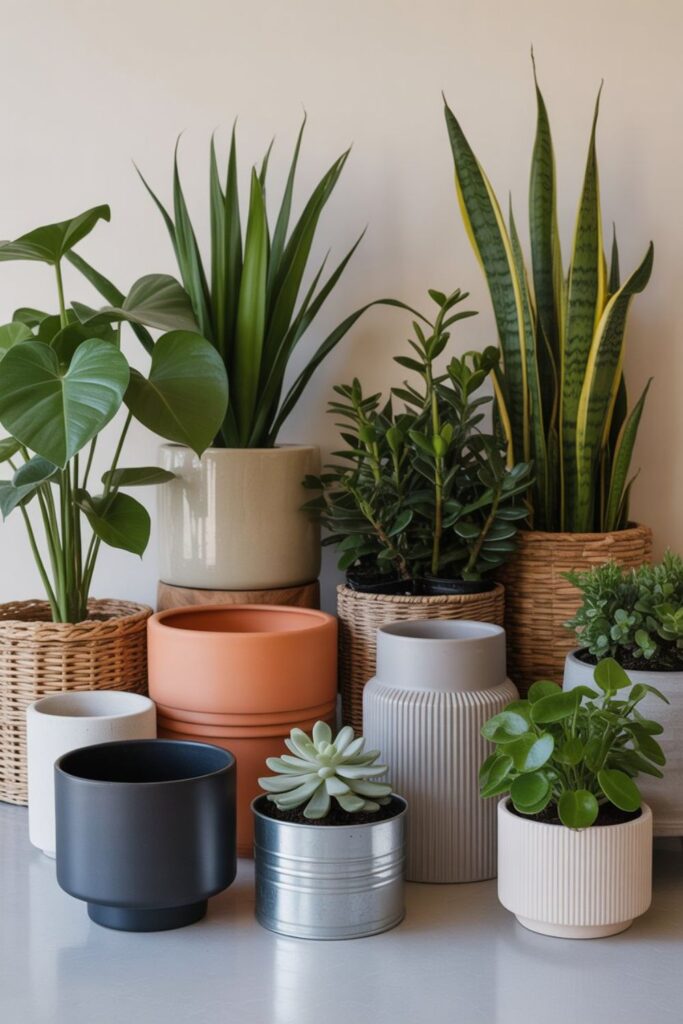
Container selection dramatically affects how plants read as decor versus random greenery. Strategic planter choices unify collections while showcasing individual specimens effectively.
Ceramic pots offer versatility through endless shapes, colors, and textures. Glazed finishes in white, black, or earth tones create clean modern aesthetics. Textured unglazed terracotta feels rustic and organic. Brightly colored ceramics become statement pieces themselves. Drainage holes remain essential decorative pots without drainage work as cache pots holding nursery containers inside. Quality ceramic planters cost $15-80 depending on size and artisan quality.
Woven baskets bring natural texture and casual warmth. Seagrass, water hyacinth, and rattan baskets suit boho and coastal aesthetics perfectly. Their neutral tones complement any plant color while adding dimensional interest. Line baskets with plastic saucers to protect from water damage. These budget-friendly options cost $10-40 and work beautifully as cache pots for less attractive nursery containers.
Concrete planters deliver industrial modern style with substantial visual weight. The matte gray finish feels contemporary and sophisticated. Concrete’s porous nature wicks moisture effectively, benefiting succulents and cacti. Lightweight fiber-cement versions mimic authentic concrete at fractions of the weight. These statement pieces range from $25-150 depending on size and whether they’re authentic concrete or composite materials.
Metal containers in brass, copper, or matte black create sleek accents. Brushed metals suit mid-century modern spaces. Matte black pots provide dramatic contrast against green foliage. Ensure metal containers have drainage or use them as decorative cache pots. Vintage metal finds from thrift stores add character when cleaned and repurposed. Costs vary wildly $15 for basic designs to $100+ for artisan pieces.
Matching versus mixed container strategies both work when executed thoughtfully. Uniform white ceramic pots throughout a space create cohesive minimalism. Mixed containers in complementary materials all naturals like wood, ceramic, and baskets feel curated rather than random. Avoid the grab-bag approach where every pot differs completely. Establish a loose theme through color, material, or style that ties the collection together.
Scale appropriately small plants drowning in oversized pots look as awkward as large plants bursting from tiny containers. Pot diameters should measure 1-2 inches larger than root balls for most houseplants. Statement floor plants benefit from substantial planters that anchor them visually and physically.
Strategic Plant Placement That Creates Visual Impact
Placement transforms random plant collections into intentional decor. Understanding where and how to position greenery maximizes both aesthetic appeal and plant health.
Vertical layering creates depth by positioning plants at floor, table, and ceiling heights. Large floor plants anchor corners and flank furniture. Mid-height specimens on stands, tables, and shelves create the visual middle ground. Hanging plants and tall plant stands bring greenery to eye level and above. This three-dimensional approach prevents the single-plane monotony that makes collections feel flat.
Corner softening utilizes plants to address dead spaces that resist furniture. Tall plants like snake plants or bird of paradise fill vertical corners dramatically. Smaller specimens on corner shelves create ascending displays. These strategic placements solve decorating challenges while showcasing greenery effectively.
Symmetrical arrangements deliver formal balance suited to traditional spaces. Flank doorways, mantels, or furniture with matching plants in identical containers. Twin fiddle leaf figs on either side of a sofa create architectural bookends. This classical approach feels intentionally designed rather than accidental.
Asymmetrical groupings feel more organic and contemporary. Cluster three plants of varying heights and textures on one side of a console table, leaving the other side open. This dynamic approach creates visual interest through intentional imbalance. Odd-numbered groups three, five, seven look more natural than even numbers.
Natural light considerations prevent placing sun-loving plants in dark corners where they’ll struggle. Assess light exposure throughout your home at different times. South and west-facing windows receive intense light perfect for succulents and cacti. North-facing windows suit low-light tolerant plants like pothos and snake plants. East-facing windows deliver gentle morning light ideal for most houseplants.
Traffic flow must accommodate greenery without creating obstacles. Avoid placing plants where they’ll get bumped constantly or block pathways. Floor plants need 12-18 inch clearances from high-traffic routes. This practical consideration prevents damaged plants and frustrated humans.
Humidity zones matter for tropical plants requiring moisture. Group humidity-loving specimens in bathrooms or kitchens where ambient moisture naturally occurs. Position them on pebble trays filled with water to create localized humidity. Clustering plants together also increases ambient moisture through transpiration.
Read More About: 20+ Outdoor Covered Patio with Fireplace Ideas
How Do You Style Plants on Shelves and Surfaces?
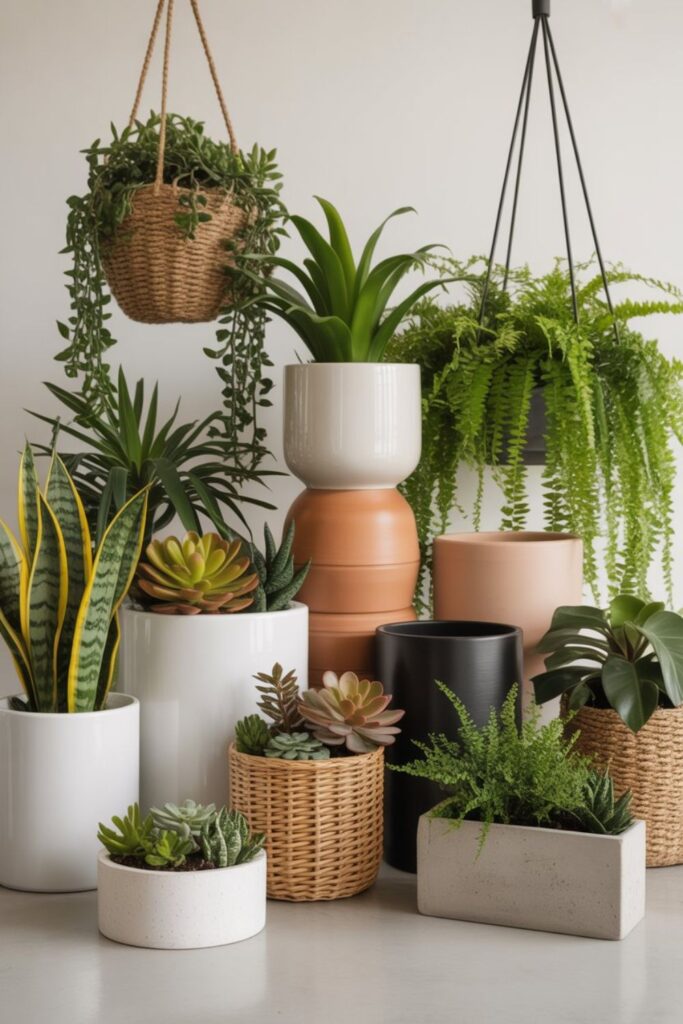
Surface styling elevates plant decor from basic greenery to curated vignettes. Thoughtful arrangement principles create professional-looking displays using plants you already own.
The rule of three works brilliantly for shelf and table styling. Group plants in odd numbers three, five, seven for naturally pleasing arrangements. Vary heights using books, small plant stands, or containers of different dimensions. This creates a visual rhythm that draws eyes across displays rather than stopping at single points.
Layering creates depth by positioning objects at front, middle, and back levels. Place trailing plants at shelf edges where vines cascade forward. Position medium specimens in the middle zone. Tall narrow plants or vertical elements occupy back positions. This dimensional approach prevents flat-looking arrangements.
Negative space prevents clutter by leaving some surfaces intentionally empty. Not every shelf needs plants, books, and decorative objects competing for attention. Strategic emptiness gives eyes places to rest while making featured items stand out. Aim for 30-40% negative space in most displays.
Texture mixing combines different leaf shapes, sizes, and surface qualities. Pair glossy rubber plant leaves with fuzzy pilea varieties. Combine spiky snake plants with soft trailing pothos. These textural contrasts create interest even within all-green palettes. The variety prevents monotony while maintaining color cohesion.
Height variation prevents boring horizontal lines. Use plant stands, stacked books, or pedestals to create elevation changes. A six-inch height difference between adjacent plants creates noticeable visual interest. Extremely varied heights a two-inch succulent beside a 24-inch dracaena create dramatic contrast.
Balancing visual weight distributes attention across entire arrangements. Large dramatic plants balance multiple smaller specimens on opposite sides. Dark containers feel heavier than light ones. Busy variegated plants balance solid green varieties. This equilibrium prevents arrangements from feeling lopsided or tilted.
Complementary objects enhance rather than compete with plants. Natural materials like wood bowls, stone objects, or ceramic vessels complement organic plant forms. Avoid overcrowding shelves where plants fight decorative items for attention. Select accessories that enhance rather than distract from greenery.
Hanging Plant Ideas That Maximize Vertical Space
Hanging plants utilize overlooked vertical real estate while creating cascading greenery that softens rooms from above. Strategic suspension transforms ceilings and walls into living gardens.
Macrame plant hangers bring bohemian texture while showcasing trailing varieties. Cotton rope hangers in natural or dyed colors support pots at varying lengths. Hang them at staggered heights near windows for maximum visual impact. Choose hangers with secure knots and sturdy loops. Cheap versions fail under weight. Quality macrame hangers cost $15-35 and last year.
Ceiling hooks require proper installation into joists or using toggle bolts in drywall. Swag hooks screwed into ceiling joists support substantial weight. For drywall-only locations, heavy-duty toggle bolts rated for 50+ pounds prevent disasters. Test installations before adding expensive plants. This permanent solution allows flexibility in changing plants seasonally.
Wall-mounted planters attach directly to vertical surfaces without ceiling penetration. Wooden wall planters, metal brackets, or floating shelves designed for plants keep floor space clear. Create ascending or descending patterns that draw eyes upward. Ensure pots have catch trays preventing water damage to walls and floors below.
Curtain rod installations offer renter-friendly hanging solutions. Tension rods wedged between window frames or walls require no permanent mounting. S-hooks suspended from rods hold lightweight planters. This temporary approach suits apartments where drilling isn’t permitted. Change arrangements seasonally without leaving holes.
Plant varieties suited for hanging include trailing pothos with cascading vines reaching six feet, string of pearls creating beaded curtains, spider plants producing arching stems with babies, and ferns adding soft textured volume. Choose varieties matching your light conditions and maintenance preferences.
Grouping multiple hanging plants at varying heights creates lush canopy effects. Hang three to five plants near windows using different length hangers. The layered greenery filters light beautifully while maximizing growing potential in bright spots. This jungle effect transforms windows into living focal points.
Practical considerations include watering logistics and drip management. Use lightweight plastic pots inside decorative hangers for easy removal during watering. Allow plants to drain thoroughly in sinks before rehanging. Self-watering hanging planters with built-in reservoirs reduce frequency. Consider pulley systems for very high installations requiring regular access.
Creating Plant Arrangements and Groupings
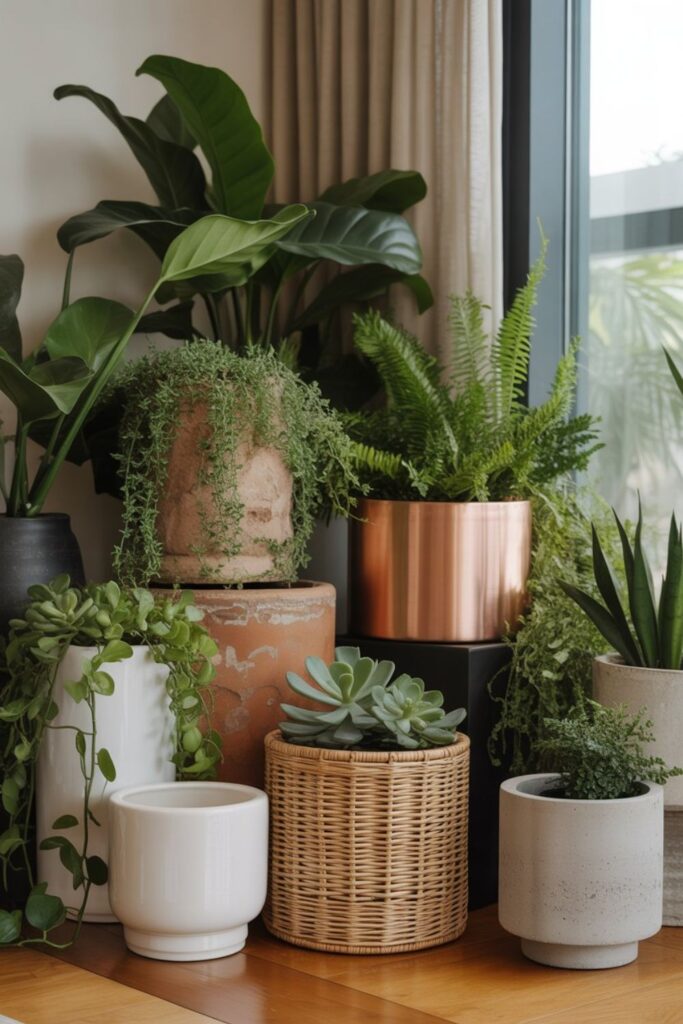
Clustered plant arrangements create more impact than scattered individual specimens. Understanding grouping principles transforms collections into cohesive displays.
Thriller, filler, spiller combinations work as beautifully indoors as in container gardens. The “thriller” provides height and drama for a tall snake plant or dracaena. “Fillers” occupy middle zones with rounded forms of pothos or peperomia. “Spillers” cascade down a string of hearts or trailing philodendron. This three-tier formula creates complete compositions.
Monochromatic green groupings emphasize texture and form over color. Combine plants with different leaf shapes, broad monstera leaves, spiky snake plant blades, and rounded pilea foliage. The varied greens from forest to lime create subtle depth. This approach suits minimalist aesthetics prioritizing form.
Variegated plant collections introduce color through foliage patterns. Group plants featuring white, cream, or pink variegation for cohesive displays. Calatheas, prayer plants, and variegated pothos share similar color stories. These curated collections feel intentionally designed rather than randomly assembled.
Size progression creates visual flow by arranging plants from smallest to largest or vice versa. Graduate from tiny succulents to medium ferns to large fiddle leaf figs. This sizing technique guides eyes through arrangements naturally. Avoid placing all large plants together and all small ones elsewhere mix sizes for balance.
Container coordination unifies disparate plant varieties through shared aesthetic elements. Group all plants in white ceramic pots regardless of plant type. Or collect natural materials all terracotta, all woven baskets. This container consistency creates cohesion even when plant varieties differ wildly.
Corner groupings transform dead spaces into lush vignettes. Position the tallest plant at the back corner, medium specimens flanking at angles, smallest in front. This layered corner approach fills vertical and horizontal space simultaneously. Add a small stool or plant stand for additional elevation variety.
Windowsill gardens maximize natural light while creating living curtain effects. Line entire sills with plants in uniform containers, varying heights naturally through species selection. This approach works brilliantly in kitchens where herbs provide both beauty and culinary function. Ensure consistent watering as grouped plants dry at similar rates.
What Are the Best Low-Maintenance Plants for Decor?
Low-maintenance varieties ensure plant decor succeeds even for busy households or beginning plant parents. These forgiving species tolerate neglect while maintaining attractive appearances.
Snake plants (Sansevieria) survive weeks without water while tolerating low light conditions. Their architectural upright forms suit modern spaces perfectly. Variegated varieties add visual interest. These nearly indestructible plants cost $10-40 depending on size and thrive on benign neglect.
Pothos varieties including golden, marble queen, and neon tolerate various light conditions from low to bright indirect. They grow vigorously with minimal care, creating lush trailing displays. Propagate cuttings easily for free plants. These adaptable vines cost $8-25 and work anywhere in homes.
ZZ plants (Zamioculcas zamiifolia) handle low light and infrequent watering through rhizome water storage. Their glossy leaves look perpetually healthy. They grow slowly, maintaining size without constant maintenance. These bulletproof plants cost $15-50 and suit offices and dim corners.
Spider plants produce cascading foliage with white stripes plus baby plantlets on runners. They tolerate varying conditions while purifying air effectively. The prolific babies provide propagation opportunities. These classic houseplants cost $10-20 and work beautifully in hanging planters.
Succulents including echeveria, jade plants, and aloe store water in leaves, requiring watering every 2-3 weeks. They need bright light but tolerate some neglect. Their sculptural forms create modern displays. Individual succulents cost $3-15, making collections affordable.
Cast iron plants (Aspidistra) earned names through indestructibility. They survive low light, irregular watering, and temperature fluctuations. Dark green leaves create elegant vertical forms. These Victorian favorites cost $20-50 and suit challenging locations.
Philodendrons in heartleaf and Brasil varieties trail beautifully while tolerating various conditions. They signal water needs through slight leaf drooping, then recover quickly when watered. Fast growth creates lush displays rapidly. These easy vines cost $10-30.
Maintenance expectations remain reasonable water when the top inch of soil dries, provide appropriate light, and fertilize monthly during the growing season. These basic requirements prevent most problems. Low-maintenance doesn’t mean no-maintenance, but these varieties forgive occasional lapses gracefully.
Styling Plants in Different Rooms
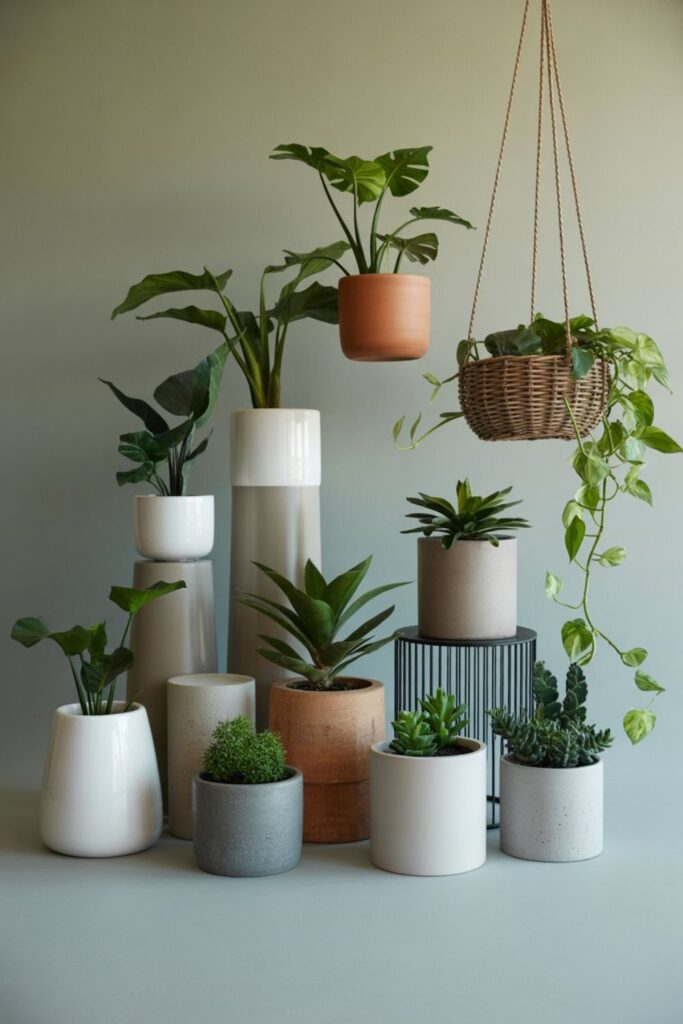
Plant decor adapts to each room’s specific conditions and functions. Strategic species selection and styling maximize success while enhancing each space’s purpose.
Living rooms benefit from large statement plants creating focal points. Fiddle leaf figs, monstera deliciosa, and rubber plants anchor seating areas dramatically. Position them in corners, flank sofas, or fill empty spaces beside furniture. Supplement with smaller specimens on coffee tables, shelves, and consoles. Aim for 3-5 plants varying in size and height.
Bedrooms require air-purifying varieties promoting better sleep. Snake plants release oxygen at night unlike most plants. Peace lilies and spider plants filter toxins effectively. Position plants away from beds if you’re sensitive to humidity. Bedside tables accommodate small pothos or succulents. Keep quantities moderate 2-4 plants suit most bedrooms without creating jungle overwhelm.
Kitchens become functional gardens with culinary herb collections. Basil, rosemary, thyme, and parsley grow on sunny windowsills providing fresh ingredients steps from cooking areas. Pothos and philodendrons tolerate varying kitchen temperatures and humidity from cooking. Position plants away from stoves where heat damages foliage. Grouping 4-6 small herbs creates useful displays.
Bathrooms leverage natural humidity for tropical species. Ferns, calatheas, and orchids thrive in steamy environments. Position them on shelves, window sills, or hanging from shower rods where they benefit from ambient moisture. Ensure adequate natural or artificial light windowless bathrooms challenge most plants despite perfect humidity.
Home offices boost productivity with strategic greenery. Position a medium plant near computer screens where you’ll see it during breaks this reduces eye strain. Snake plants or pothos on filing cabinets add life without maintenance distractions. Avoid flowering varieties that attract gnats to workspaces. Keep quantities to 2-3 plants preventing clutter.
Entryways create first impressions with dramatic specimens. Large plants flanking doorways welcome visitors while filling vertical space. Smaller plants on console tables soften hard entry furniture. Choose varieties tolerating temperature fluctuations from opening doors. Snake plants and ZZ plants handle entry conditions well.
Dining rooms benefit from centerpiece arrangements on tables plus corner specimens. Avoid heavily fragranced plants that compete with food aromas. Keep table plants low enough to maintain sight lines across tables. Tall corner plants add elegance without interfering with dining function.
Plant Stand and Display Solutions
Plant stands elevate greenery literally and figuratively, creating tiered displays that maximize visual impact and light exposure. Strategic stand selection enhances both plants and overall decor.
Tiered plant stands position multiple plants at varying heights in compact footprints. Three-tier corner stands fit dead spaces while displaying 3-6 plants vertically. Ladder-style stands lean against walls with graduated shelf depths. These space-efficient solutions cost $30-100 depending on materials and capacity.
Mid-century modern plant stands featuring single pots on tapered legs suit retro aesthetics. Wood or metal frames elevate plants 12-24 inches, creating floor interest without bulk. These iconic designs cost $25-80 and work beautifully with large statement plants like fiddle leaf figs or monsteras.
Rolling plant carts provide mobility for rotating plants toward light or rearranging frequently. Bar cart-style metal frames with 2-3 tiers hold multiple small to medium plants. Wheels allow easy movement for cleaning or seasonal adjustments. These functional pieces cost $40-120.
Wall-mounted shelves designed specifically for plants create vertical gardens without floor space consumption. Floating wooden shelves in ascending patterns display collections beautifully. Ensure proper anchoring supporting combined plant and water weight. These custom displays cost $15-60 per shelf depending on size and materials.
Pedestals elevate single dramatic specimens creating sculpture-like presentations. Short pedestals 8-12 inches tall work for coffee table-sized plants. Tall pedestals 24-36 inches showcase plants at eye level. Materials range from wood to marble to resin. Costs span $20-200 based on size and materials.
DIY solutions including stacked books, overturned crates, or repurposed furniture create custom heights economically. Vintage ladders become rustic plant displays. Wood blocks elevate plants on shelves for staggered heights. This creative approach costs pennies while delivering personalized results.
Placement strategies position tallest plants on floor-level stands with progressively shorter specimens on higher surfaces. This creates proper scale progression. Ensure stands complement rather than compete with plants simple designs let greenery star while ornate stands risk visual conflict.
Read More About: 21+ Patio Deck Ideas to Elevate Your Outdoor Space
Seasonal Plant Decor Changes and Maintenance
Seasonal adjustments keep plant decor fresh while addressing changing light and temperature conditions. Strategic rotation and maintenance ensure year-round success.
Winter considerations include moving plants away from cold windows and drafty areas. Reduce watering frequency as growth slows. Supplement natural light with grow lights when days shorten dramatically. Group plants for increased humidity combating dry heating systems. Rotate collections so all plants get prime light exposure periodically.
Spring brings increased light and warmth triggering growth spurts. Resume regular fertilizing schedules. Repot rootbound plants into larger containers. Prune leggy growth encourages bushier forms. Propagate healthy specimens creating free plants for expanding displays or gifts.
Summer heat requires increased watering frequency as plants actively grow and transpire. Move plants away from windows where intense sun burns foliage. Monitor for pests that proliferate in warm conditions treat infestations immediately. Consider moving some plants outdoors to shaded porches where they’ll thrive.
Fall transitions prepare plants for dormancy. Reduce fertilizing as growth naturally slows. Gradually acclimate outdoor plants to indoor conditions before frost arrives. Clean foliage removing summer dust buildup. Check for pests hitchhiking indoors on returning plants quarantine new arrivals initially.
Decorative seasonal touches celebrate holidays without permanent changes. Add ornaments to large plants during winter holidays. Spring bulbs forced indoors provide temporary color. Autumn brings miniature pumpkins nestled among pots. These temporary additions feel festive without compromising plant health.
Rotation schedules prevent phototropism where plants lean permanently toward light. Rotate pots 90 degrees weekly ensuring even growth. Swap plants between high and low-light locations seasonally so all get prime exposure part of the year. This musical chairs approach prevents any single plant from suffering long-term.
Frequently Asked Questions
How do you decorate with plants without looking cluttered?
Use odd-numbered groupings (3, 5, 7) rather than random placement. Coordinate container colors and materials for cohesion. Leave 30-40% negative space on surfaces. Vary heights significantly using stands and hanging options rather than placing all plants at the same level.
What are the easiest houseplants for decorating?
Pothos, snake plants, spider plants, ZZ plants, and philodendrons tolerate neglect while looking attractive. These forgiving varieties survive varying light conditions and irregular watering. They cost $10-30 each and propagate easily for free expansion.
Where should you not put plants in your house?
Avoid placing plants directly against heating vents, air conditioning returns, or drafty windows. Don’t position sun-loving plants in windowless bathrooms or dark corners. Keep plants away from high-traffic areas where they’ll get constantly bumped or knocked over.
How many plants should you have in a room?
Living rooms accommodate 5-8 plants varying in size from large floor specimens to small shelf plants. Bedrooms work well with 2-4 plants. Kitchens and bathrooms handle 3-5 smaller varieties. Scale quantity to room size: more plants in larger spaces, fewer in compact rooms.
What color pots go with everything?
White, black, natural terracotta, and neutral woven baskets complement any decor style and plant variety. These timeless container colors create cohesion while letting plants remain the visual focus. Avoid bright colored pots unless matching specific color schemes.
How do you arrange plants on shelves?
Use the rule of three positioning plants in odd-numbered groups. Vary heights using books or small stands. Place trailing varieties at shelf edges. Leave some shelves partially empty for visual breathing room. Mix plant sizes and textures for interest.
Conclusion
Your journey from random plant owner to intentional plant decor curator doesn’t require starting over; it requires strategic rethinking of what you already have. The principles presented here prove that transformative plant decoration comes from thoughtful placement, coordinated containers, varied heights, and understanding how to group plants for maximum impact. Whether you’re working with two plants or twenty, budget containers or artisan ceramics, bright rooms or dim corners, these proven strategies elevate greenery from obligatory care tasks into design elements that fundamentally improve how spaces look and feel.
Start implementing these plant decor ideas gradually rather than attempting complete overhauls overnight. Rearrange existing plants using height variation and grouping principles this weekend. Next month brings coordinated planter upgrades. The following season adds strategic new varieties filling gaps in your collection. Each small improvement compounds, creating the curated botanical styling that makes visitors ask how you achieved such professional results. Your home already has potential written all over it. The plants just needed intentional placement, thoughtful containers, and someone willing to treat them as essential decor rather than green afterthoughts. That transformation starts right now.