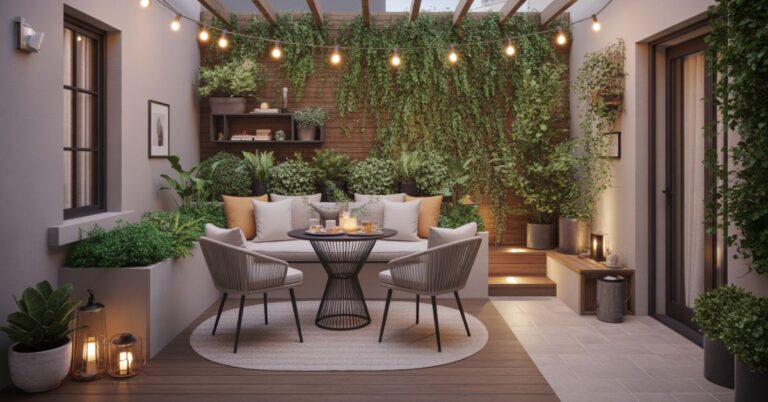
Planter Ideas: Stunning Container Displays in Every Season

Transform your outdoor space with creative planter ideas that shine year-round. Container gardening offers endless possibilities for small spaces, patios, and balconies. With the right planter ideas, seasonal changes can breathe new life into your flower pots and container arrangements.
This comprehensive guide reveals proven techniques for creating beautiful displays that thrive through spring, summer, fall, and winter. Whether you’re working with balcony gardens or expansive patio planters, these planter ideas will help you design stunning container displays that impress neighbors and guests alike. By applying these practical planter ideas, you’ll enjoy outdoor spaces that feel fresh, vibrant, and welcoming in every season.
Reasons for Gardening in Containers
Container gardening revolutionizes how you design and enjoy outdoor spaces, especially when facing challenging yard conditions or limited square footage. Unlike traditional garden beds, containers give you complete control over soil quality, drainage, and plant placement. You can even move your flower and planter ideas to capture optimal sunlight or shield delicate plants from harsh weather. This flexibility makes container gardening perfect for apartment dwellers, renters, or anyone eager to experiment without committing to permanent landscaping.
Accessibility is another reason container gardening appeals to gardeners of all ages and abilities. Front door planters, tabletop displays, and creative planter ideas bring gardening to comfortable heights, reducing back strain and knee stress. Maintenance becomes easier too, you can stay on top of watering schedules, spot pests early, and adjust plant care quickly. Containers also extend your growing season since tender plants can be moved indoors or to protected areas when temperatures drop, allowing your planter ideas to thrive year-round.
Read More About: Unique Container Ideas The Complete Guide for Flower Pot Magic
How to Design Flower Pots
Successful container garden design begins with understanding the scale relationship between your chosen vessels and the plants you intend to grow. Large whiskey barrel planters provide enough room for bold arrangements such as tall canna lilies paired with trailing accents, while smaller clay pots are ideal for compact planter ideas like herb gardens. Always consider the mature size of each plant when selecting containers to ensure proper root space and balanced proportions that feel full, not crowded.
Color coordination also transforms ordinary pots into extraordinary focal points. Galvanized containers create a neutral backdrop that enhances both tropical foliage and cottage-style flowers. Vintage planter ideas bring character, while milk can planters add rustic charm to patios and porches. For the best results, match your container materials and finishes to your home’s exterior palette and surrounding landscape features, ensuring a cohesive and visually striking design.
Quick Tips for Keeping Your Flower Containers Looking Good
Daily maintenance ensures your containers stay fresh and vibrant throughout the growing season. Regular deadheading encourages nonstop blooms in petunias, calibrachoa, and verbena, while promptly removing yellowing leaves reduces disease risks and keeps arrangements attractive. A quick visual check during your morning coffee is often enough to spot small problems before they turn into major setbacks for your planter ideas.
Weekly grooming takes container gardening a step further by enhancing both plant health and visual appeal. Pinching the tips of coleus and impatiens promotes bushier growth, while trimming aggressive spreaders like creeping Jenny helps maintain balance in mixed arrangements. Vines such as Lysimachia and sweet potato vine also benefit from occasional pruning to prevent them from overwhelming companion plants. With just a little consistency, your planter ideas can thrive beautifully all season long.
How to Maintain Your Flower Planters
A quality potting mix is the foundation of thriving container gardens, delivering proper drainage while retaining enough moisture for healthy root growth. Unlike garden beds that benefit from compost top-ups, containers require full soil renewal each year since repeated watering depletes nutrients and breaks down organic matter. Choosing a premium potting mix designed for containers ensures your planter ideas have the best environment to flourish, while heavy garden soil should be avoided as it compacts and becomes waterlogged.
Fertilizing containers also demands more frequent care than in-ground beds. Because regular watering washes nutrients away, slow-release fertilizers like Miracle-Gro Bloom Booster offer a reliable base of nutrition that lasts for months. For maximum impact, supplement with liquid fertilizers every two weeks during peak growth, especially for blooming favorites like geraniums and begonias. Keep an eye on leaf color and plant vigor, early signs of nutrient deficiency let you fine-tune your feeding schedule to keep your planter ideas vibrant and productive.
| Container Size | Fertilizer Schedule | Recommended Products |
| Small (6-12 inches) | Weekly liquid feeding | Liquid bloom fertilizer |
| Medium (12-18 inches) | Bi-weekly liquid + slow release | Granular slow-release |
| Large (18+ inches) | Monthly liquid + slow release | Compost tea + granules |
Plan Your BEST GARDEN Ever
Strategic planning turns scattered container display ideas into cohesive outdoor living spaces that deliver beauty and interest all season long. Begin by assessing available space, sunlight exposure, and your maintenance capacity before selecting plants and containers. For small-space gardens, thoughtful planter ideas maximize visual impact without overwhelming limited areas. Creating a simple sketch of container placement helps you account for traffic flow and the best viewing angles from both indoors and outdoors.
A smart budget ensures you prioritize essential purchases while avoiding impulse buys that result in mismatched collections. Investing in durable containers not only saves money over time but also complements your home’s architectural style. Creative DIY planter ideas, such as repurposing a vintage toolbox or galvanized wash tub, add personality while keeping costs down. Plan for succession plantings to ensure continuous color, especially in front door planters that set the tone and create lasting first impressions for visitors.
How to Revitalize Tired Looking Flowers
Mid-season plant fatigue shows up as reduced flowering, yellowing leaves, and overall lackluster appearance in your container arrangements. Emergency revival techniques include deep watering followed by drainage assessment, as both overwatering and underwatering create similar stress symptoms. Remove any dead or diseased plant material immediately to prevent further decline. Cut back leggy growth on petunias and calibrachoa by one-third to encourage fresh new growth and renewed flowering.
Soil replacement or amendment often restores vigor to struggling flower pots. Remove plants carefully, shake off old soil, and replant in fresh potting mix enriched with compost. This technique works particularly well for perennial garden containers that have been growing in the same soil for multiple seasons. Sometimes strategic companion planting helps struggling plants by providing beneficial shade or wind protection from stronger neighbors.
Tips on Watering Container Gardens
Watering container gardens requires more attention than traditional garden beds since containers dry out faster due to increased surface area exposure and improved drainage. Morning watering allows plants to absorb moisture before day heat increases evaporation rates. Check soil moisture by inserting your finger two inches deep into the potting mix rather than relying on surface appearance, which can be misleading.
Self-watering gadgets and drip irrigation kit systems help maintain consistent moisture levels, especially valuable during vacation periods or hot summer weather. Wine bottle watering spikes and olive oil bottles converted into slow-release watering devices provide budget-friendly automation options. Mulching container surfaces with decorative materials reduces evaporation while adding visual interest to your planter ideas.
| Watering Method | Best For | Cost | Maintenance |
| Hand watering | Small collections | Low | Daily attention |
| Drip irrigation | Large displays | Medium | Weekly checks |
| Self-watering containers | Busy schedules | High | Minimal |
| Wine bottle spikes | Budget-conscious | Very low | Occasional refill |
Making Changes to Container Gardens
Seasonal container gardening requires adaptability as weather shifts and plant needs change. Mid-season replacements keep displays vibrant when early bloomers fade or heat-sensitive plants wilt during summer peaks. Always remove tired plants with care to protect the root systems of healthy companions. A well-planned rotation of planter ideas. such as transitioning spring pansies and violas into summer impatiens and begonias, ensures continuous color and interest throughout the year.
Upcycled garden décor adds charm and sustainability by transforming everyday objects into creative planter ideas. A repurposed toolbox can hold compact herbs or annuals, while galvanized tubs and old milk cans bring rustic farmhouse appeal to modern patios. Just remember to drill proper drainage holes when reusing items not originally designed for planting.
Eclectic or “hodgepodge” containers also make striking outdoor displays when tied together with thoughtful design choices. Mix and match container sizes, materials, and shapes, but create harmony with repeated plant varieties or coordinated color palettes. Rustic log planters add natural texture, while vintage containers contribute character and authenticity. These versatile planter ideas balance creativity with cohesion, giving your space a polished yet personal touch.
More Flower Planter Ideas
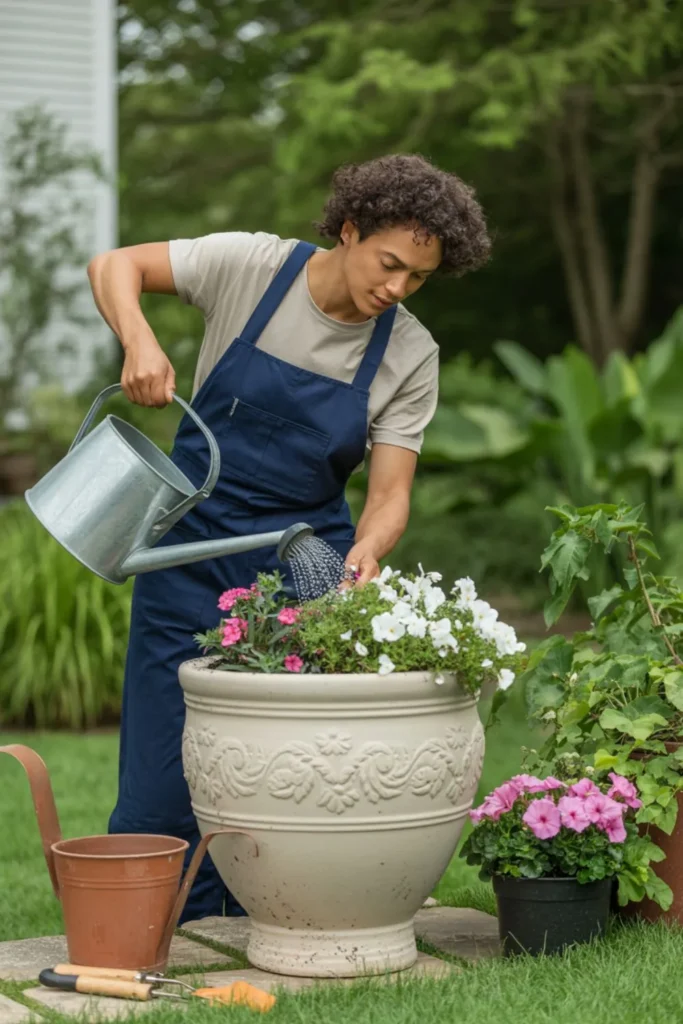
Theme-based container arrangements transform outdoor spaces into cohesive, visually engaging displays. Cottage garden planter ideas pair romantic blooms such as lavender, daisies, and snapdragons in weathered containers, evoking the charm of established gardens. Mediterranean-inspired planter ideas use drought-tolerant herbs and silver-leaved plants in terra cotta vessels, perfectly suited for warm climates. Native plant planter ideas not only reduce maintenance but also support local wildlife and biodiversity.
Edible container gardens merge beauty with functionality, combining vegetables and herbs into ornamental displays. Vibrant hot peppers provide both color and culinary use, while ornamental kale transitions seamlessly from fall to winter containers, offering fresh greens for salads. Mixing edible flowers like pansies and violas with herbs creates planter ideas that delight both the eyes and the palate, making your container gardens practical, decorative, and seasonally versatile.
Selecting Thrillers, Fillers, and Spillers
The thriller filler spiller formula is a proven approach for creating professional-looking container arrangements. Thriller plants provide height and visual drama, serving as focal points in the center of containers. Tall, striking plants like canna lilies, purple fountain grass, and dahlias make excellent planter ideas, typically occupying about 30% of the planting space for maximum impact.
Filler plants fill the mid-level area around the thriller, adding mass, texture, and continuous color. Coleus, impatiens, and begonias are ideal fillers, offering diverse foliage and flowering patterns. Spiller plants trail gracefully over container edges, softening hard lines and creating movement. Creeping Jenny, sweet potato vine, and calibrachoa are popular planter ideas for achieving beautiful cascading effects, tying the container display seamlessly to the surrounding landscape.
Choosing a Color Palette for Container Arrangements
Color theory guides successful planter combinations by creating either harmonious blends or dramatic contrasts that catch attention without overwhelming viewers. Monochromatic schemes using various shades of single colors create sophisticated, calming displays perfect for formal settings. Purple themes might combine deep verbena, medium-toned petunias, and pale violas for elegant gradations that work well in front door planters.
Complementary color combinations use opposite color wheel positions to create high-impact displays that energize outdoor spaces. Orange marigolds paired with blue lobelia create vibrant contrasts ideal for patio planters where bold statements are welcome. Proven Winners container recipes often feature tested color combinations that provide reliable results for beginning container gardeners.
Vertical and Hanging Planter Ideas
Hanging baskets maximize growing space in small areas while adding vertical interest to flat landscape planes. Calibrachoa and trailing petunias create abundant flowering displays that cascade beautifully from elevated positions. Consider weight factors when selecting containers and plants for hanging applications, as soil and water add considerable weight to overhead installations.
Privacy screen planters serve dual functions by providing living barriers while displaying beautiful plant combinations. Tall containers filled with upright growers like cordyline or ornamental grasses create effective visual screens for patios and balconies. Deck rail planter systems utilize often-overlooked spaces while keeping plants within easy reach for maintenance.
Get Creative with Your Planter Ideas
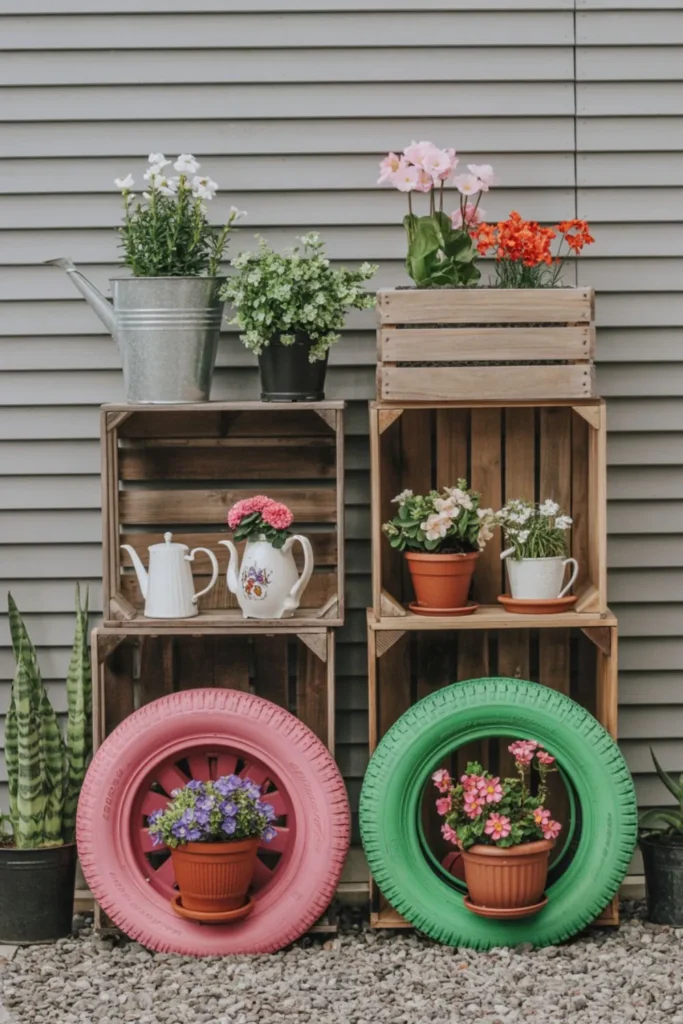
Innovation in container gardening comes from exploring creative approaches and unconventional materials. Shoe and boot planter ideas bring whimsical charm to children’s gardens or casual outdoor spaces. Antique carts and potato cart arrangements add historical flair while offering mobile solutions that adapt to seasonal changes.
Mixed-media planter ideas combine containers of varying materials and textures to create dynamic, visually engaging displays. Iron containers provide structure and elegance, while galvanized wash tubs contribute rustic appeal. Wine barrel arrangements strike a balance with refined rustic charm, complementing diverse architectural styles and enhancing the overall outdoor aesthetic.
Planter Ideas for Shade
Shade container gardening requires thoughtful plant selection, as many popular container plants thrive best in full sun. Impatiens, begonias, and coleus flourish in partial to full shade, offering vibrant color and varied foliage textures. Coral bells provide perennial structure with leaves that maintain interest throughout the growing season, making them versatile planter ideas for shaded spots.
Ferns and wintergreen create lush, woodland-inspired displays in areas where flowering options are limited. These shade-loving plants benefit from consistent moisture, making them ideal candidates for self-watering containers or drip irrigation systems. Cushion bush and skimmia provide evergreen structure in winter container gardens, perfect for shaded entries or north-facing patios. With the right selection, your shaded planter ideas can be both functional and visually striking all year round.
Learn the Power of Potscaping
Potscaping applies landscape design principles to container display ideas, creating cohesive outdoor rooms using portable plantings. Grouping flower pots of varying heights and sizes creates visual weight and interest while allowing for seasonal changes and plant replacements. Arrange containers in odd-numbered groups with varying heights to create natural-looking compositions.
Container vignette arrangements tell visual stories through thoughtful plant and container combinations. Create pathway focal points using large statement containers flanked by smaller supporting displays. Curb appeal planters positioned near entrance areas should reflect your home’s architectural style while providing welcoming color and texture.
Sneak Some Edibles into Your Ornamental Containers
Edible container gardens challenge traditional separations between vegetable gardens and ornamental displays by showcasing the natural beauty of food plants. Hot peppers provide colorful fruits and attractive foliage that rivals many ornamental plants. Cherry tomatoes cascade beautifully from hanging baskets while providing fresh ingredients for summer meals.
Herbs integrate seamlessly into flower container ideas, often providing aromatic benefits along with culinary value. Lavender serves triple duty with fragrant flowers, useful leaves, and pollinator attraction. Many herbs like sage, rosemary, and thyme offer attractive foliage colors and textures that enhance mixed ornamental plantings while providing cooking ingredients.
Choose Unique Foliage to Add to Container Arrangements
Colorful flower pots don’t always need flowers to create stunning displays when unique foliage plants provide year-round interest and texture variations. Coleus offers incredible foliage color range from deep burgundy to lime green, often with contrasting edges or patterns. Sweet potato vine provides trailing foliage in colors ranging from chartreuse to deep purple, creating excellent spiller elements.
Evergreen foliage plants ensure winter container gardens maintain structure and interest when flowering plants go dormant. Cordyline provides architectural spiky leaves in various colors, while coral bells offer rounded leaves with intricate patterns and seasonal color changes. These perennial foliage plants can be divided and propagated to create new displays without additional plant purchases.
Don’t Be Afraid to Add Perennials to Your Containers
Perennial garden plants adapt well to container culture when given adequate root space and proper care. Many gardeners avoid perennials in containers, fearing winter damage, but overwintering containers is entirely feasible with proper protection methods. Hellebores and cyclamen actually prefer cool conditions and provide valuable winter interest when most other plants are dormant.
Perennial garden accents in containers offer long-term value compared to annual plantings that require complete replacement each season. Dahlias can be grown successfully in containers, with tubers lifted and stored indoors during winter months. Japanese maples in large containers provide stunning focal points with foliage colors that change dramatically throughout seasons.
Make a Big Impact with Singles or Doubles
Sometimes the most dramatic container display ideas come from simple approaches using single plant varieties in appropriately sized containers. Red geraniums in matching containers create classic, timeless displays perfect for formal entries or traditional home styles. Mass plantings of single varieties often provide more impact than complex mixed arrangements, especially when viewed from distances.
Paired container arrangements work beautifully for flanking entryways, defining outdoor room boundaries, or creating symmetrical focal points. Front door planters using identical plant combinations provide welcoming balance while simplifying maintenance routines. Consider seasonal plant changes to maintain interest while keeping basic container and placement structures consistent.
Find More Container Gardening Information and Planter Ideas
Container gardening book resources provide detailed information about advanced techniques, plant combinations, and troubleshooting common problems. Local garden centers often carry regional publications that address specific climate challenges and plant availability in your area. Online communities and social media platforms showcase real gardener experiences with various planner combinations and seasonal strategies.
Regional extension offices provide valuable resources for understanding local growing conditions, pest management, and plant selection. Many areas offer container gardening workshops during spring months, providing hands-on learning opportunities and chances to connect with other gardeners. Proven Winners container recipes offer tested combinations with known success rates for beginning container gardeners.
5 Plant Combinations for Spring Container Gardens
Velvety Repetition: Common Daisies and Forget-me-nots
Spring container gardens shine with soft, delicate combinations that capture the season’s fresh optimism. Daisies and forget-me-nots create romantic, cottage-garden-inspired planter ideas reminiscent of blooming meadows. Their similar water and light needs make maintenance simple for busy gardeners, while the crisp white petals of daisies beautifully contrast with the soft blue of forget-me-nots, complementing a variety of container materials and outdoor settings.
These charming combinations are especially effective in tabletop containers, where the intricate details of each flower can be fully appreciated. Both daisies and forget-me-nots thrive in cooler spring temperatures but begin to fade as summer heat sets in, making them ideal early-season planter ideas that transition seamlessly into heat-tolerant summer arrangements.
A Tabletop Rainbow: Snapdragons, Forget-me-nots and Pansies
Multi-height container arrangements add dynamic visual interest by combining plants with varied forms and flowering habits. Snapdragons provide striking vertical elements with tall flower spikes, while pansies contribute mid-level color with their flat-faced blooms, and forget-me-nots fill in gaps with delicate clustered flowers. This layering approach allows for endless customization, making these planter ideas both versatile and visually appealing.
Proper maintenance keeps these multi-height combinations thriving. Regular deadheading encourages continuous flowering, while transitioning gradually to summer plantings ensures your display remains vibrant as cool-season plants fade. Pansies often perform best in partially shaded spots, making this combination ideal for areas that receive morning sun and afternoon shade, allowing your planter ideas to flourish throughout the season.
Silver Linings: Lavender, Violas and Snowberries
Drought-tolerant flowers like lavender anchor this sophisticated combination while providing fragrant benefits and pollinator attraction. Violas add delicate color accents, while snowberries contribute unique white berry displays that extend interest beyond the flowering season. This combination works well in areas with excellent drainage where overwatering could damage lavender roots.
The textural contrasts in this planting create visual interest even when flowers aren’t prominent. Lavender‘s gray-green foliage provides a neutral backdrop for viola colors, while snowberries add structural elements and seasonal berry interest that bridges into winter displays.
Chasing Away the Blues: Muscari, Moss and Violas
Muscari bulbs forced in containers provide early spring color that coincides with viola flowering periods. Adding moss creates naturalistic ground cover that mimics woodland settings while providing moisture retention around bulb plantings. This combination works exceptionally well in shallow, wide containers that showcase the grape hyacinth flower clusters.
Bulb integration in spring container gardens requires planning since muscari needs cold treatment for proper flowering. Pre-chilled bulbs are available at garden centers, or you can chill your own bulbs in refrigerator vegetable drawers for 12-16 weeks before planting.
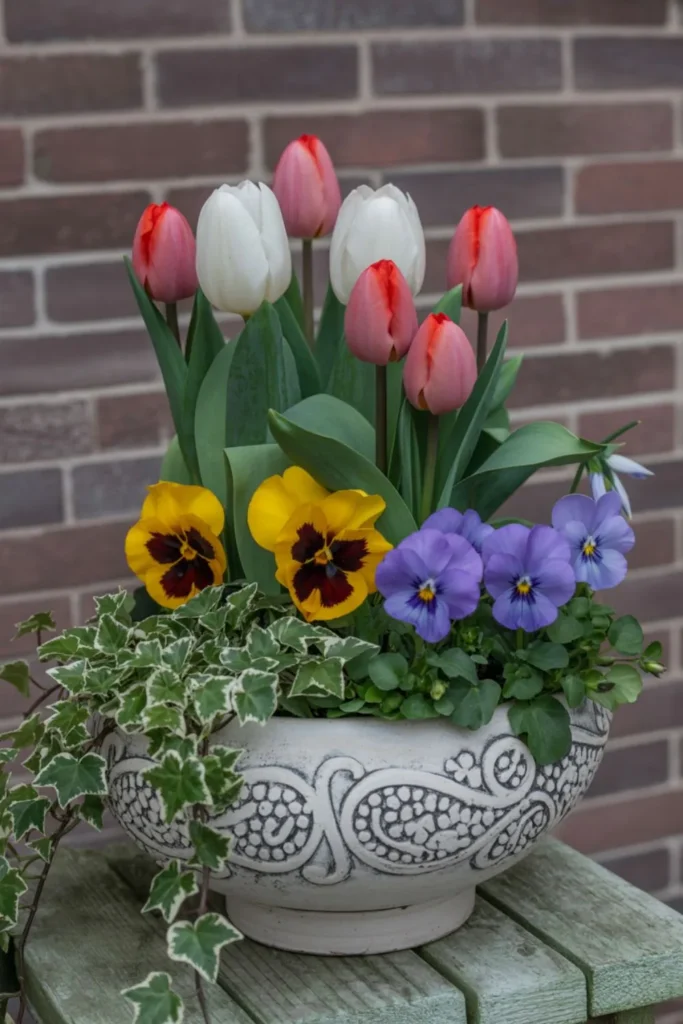
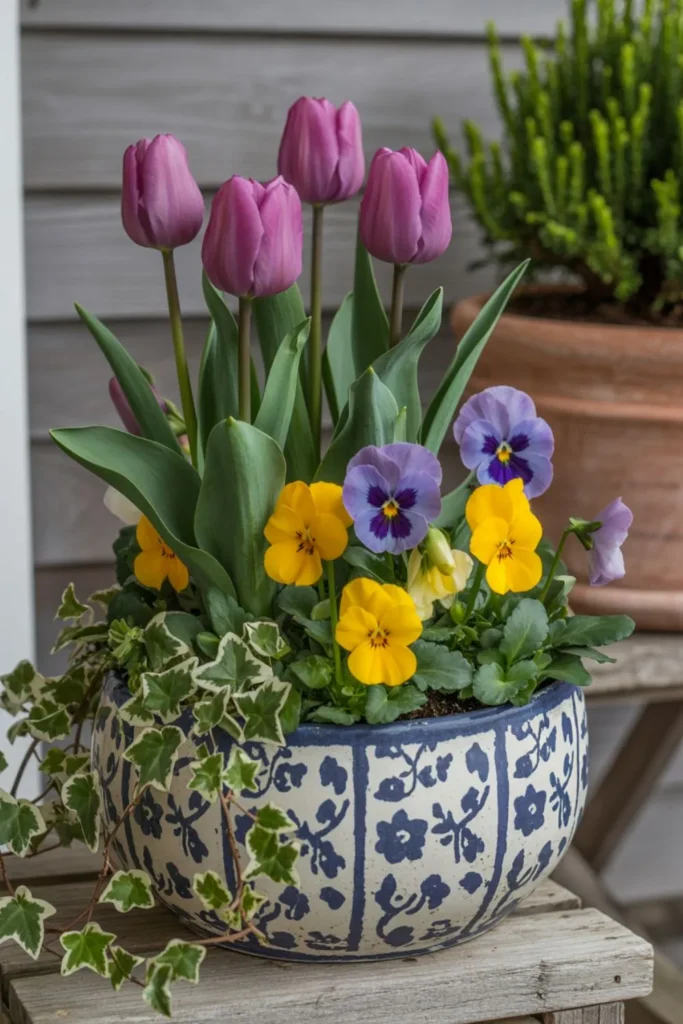
Back to Basics: Pansies and English Ivy
Classic combinations prove their worth through decades of reliable performance in varied growing conditions. Pansies provide cheerful faces throughout cool weather, while ivy offers trailing elements and evergreen foliage that transitions into summer and fall displays. This simple combination suits beginning gardeners who want attractive results without complex plant requirements.
English ivy serves as living mulch around pansy roots while providing year-round container structure. As pansies decline in summer heat, ivy continues growing and can support new plant additions. This combination works particularly well in front door planters where reliable appearance is important.
5 Plant Combinations for Summer Container Arrangements
Cascading Fragrance: Geraniums and More Geraniums
Red geraniums create classic summer container arrangements that evoke memories of European window boxes and traditional American porches. Monochromatic plantings using different geranium varieties provide sophisticated displays that work with any container style or color. Ivy geraniums offer trailing habits perfect for hanging baskets, while upright varieties provide structure and continuous flowering.
Jolly bee geranium and other scented varieties add aromatic dimensions to container plantings, releasing fragrance when leaves are brushed or crushed. Geranium care includes regular deadheading and occasional fertilization with Miracle Gro Bloom Booster to maintain continuous flowering throughout summer months.
Layer Cake: Grasses, Coleus and Some Creeping Jenny
Purple fountain grass provides dramatic thriller elements in large summer container arrangements, creating movement and sound elements as breezes rustle through the foliage. Coleus offers incredible variety in foliage colors and patterns, serving as excellent filler plants that thrive in partial shade conditions. Creeping Jenny cascades over container edges with bright chartreuse foliage that contrasts beautifully with purple grass plumes.
This combination adapts well to changing light conditions throughout summer as trees develop full foliage and create more shade. Coleus and creeping Jenny both tolerate shade better than many flowering annuals, making this combination ideal for locations with variable sun exposure.
Lime Tower: Canna, Coleus, Sweet Potato Vine and Grasses
Canna lily provides tropical drama with large leaves and exotic flowers in summer container arrangements designed for maximum impact. This combination requires large containers, preferably whiskey barrel planters or similar sized vessels that can accommodate extensive root systems. Sweet potato vine creates abundant trailing elements, while ornamental grasses add textural interest and movement.
Bold color statements work best in locations where dramatic impact is desired, such as pool areas, entertainment spaces, or large patio installations. Canna lily requires consistent moisture and regular fertilization to support rapid growth and abundant flowering throughout summer months.
Elegant Simplicity: Tubular Grasses, Oxalis and Spillers
Minimalist container garden design relies on plant form and texture rather than abundant flowering for visual impact. Ornamental grasses provide architectural elements while oxalis adds delicate flowers and interesting leaf patterns. Trailing plants like calibrachoa or lysimachia soften container edges without overwhelming the simplified composition.
This combination suits contemporary architectural styles and requires minimal maintenance once established. Grass varieties should be selected based on mature size to ensure proper scale relationships within chosen containers.
Big, Bold, Beautiful: Impatiens, Oxalis and Anise Hyssop
Impatiens provide reliable color in shade to partial shade locations where many container plants struggle. Oxalis adds interesting leaf patterns and delicate flowers, while anise hyssop contributes fragrance and pollinator attraction. This combination works well in areas where deer pressure makes other plants impractical.
Begonias can substitute for impatiens in areas with downy mildew problems, providing similar flowering habits and shade tolerance. Both plants require consistent moisture but good drainage to prevent root rot problems common in overwatered containers.
5 Plant Combinations for Fall Containers
Fiery Redheads: Dahlias and Blanket Flowers
Fall containers showcase warm color palettes that reflect autumn’s natural progression toward dormancy. Dahlias provide spectacular late-season blooms in sizes ranging from dinner plate dimensions to delicate pompoms. Blanket flowers complement dahlia displays with their warm orange and red petals marked with yellow edges. This combination requires excellent drainage and regular deadheading to maintain peak performance.
Dahlia tubers can be lifted after frost kills foliage and stored indoors for next season’s plantings. This storage process allows gardeners to preserve expensive varieties while expanding collections through division of established clumps.
Autumn Sunset: Marigolds and Purple Alyssum
Marigolds remain reliable performers throughout fall months, providing continuous color until hard frost arrives. Purple alyssum creates beautiful contrasts with orange and yellow marigold flowers while adding sweet fragrance to container displays. This combination tolerates light frost and continues flowering longer than many summer annuals.
How to save marigold seeds becomes relevant as flowers mature and begin setting seed. Allow some flowers to remain on plants past peak appearance to collect marigold seeds for next season’s plantings. Seed saving from container plants requires careful timing and proper drying seeds techniques.
Wispy Baskets for Small Spaces: Marigolds, Dahlias and Verbena
Small space gardening benefits from combinations that provide maximum impact in minimal square footage. Compact marigold varieties paired with small-flowered dahlias and trailing verbena create abundant displays suitable for balcony gardens and tabletop container arrangements. Weight considerations become important for hanging baskets applications, requiring lightweight potting mixes and careful plant selection.
Verbena continues flowering through light frost, extending the display season beyond many summer annuals. Regular deadheading and occasional fertilization maintain flowering performance throughout fall months.
Halloween Mood: Ornamental Kale, Pearl Millet and Mums
Ornamental kale provides dramatic foliage colors that intensify with cool weather, creating perfect fall transitions from summer flowering displays. Pearl millet adds architectural elements with interesting seed heads that attract birds and provide winter interest. Mums offer traditional fall flowering in colors that complement ornamental kale foliage.
This combination works well for seasonal celebrations and transitions naturally into winter container gardens when flowering elements fade. Ornamental kale tolerates significant frost and continues providing color long after other plants succumb to cold weather.
A Statuesque Mix: Cattail, Kale and Hot Peppers
Architectural plant combinations create striking displays that work well as focal points in large container display ideas. Cattail provides dramatic vertical elements, while ornamental kale offers colorful foliage at mid-level. Hot peppers contribute bright fruit colors and interesting plant forms that bridge ornamental and edible gardening approaches.
This combination requires large containers and consistent moisture for optimal performance. Hot pepper varieties should be selected based on ornamental value as well as culinary use, with many varieties offering colorful fruits in purple, yellow, orange, and red.
5 Ideas for Winter Container Gardens
Fuchsia Beats Gray: Heather, Cyclamen and Cypress
Winter container gardens challenge gardeners to find plants that provide color and interest during dormant seasons. Heather offers tiny flowers and evergreen foliage that tolerates harsh weather conditions. Cyclamen provides bright flowers during cool months, preferring temperatures that would damage summer annuals. Cypress contributes evergreen structure and interesting foliage texture.
This combination requires protection from harsh winter winds and extreme temperature fluctuations. Overwintering containers successfully requires attention to drainage, as frozen soil can damage plant roots and crack containers.
Winter Wonderland: Coral Bells, Cushion Bush and Wintergreen
Evergreen foliage plants ensure winter container gardens maintain visual interest when flowering options are limited. Coral bells provide colorful leaves that often intensify during cool weather, while cushion bush offers interesting texture and form. Wintergreen contributes glossy leaves and red berries that provide natural holiday decoration.
Resilient garden plants like these tolerate harsh conditions while requiring minimal maintenance during winter months. Protection from drying winds and extreme temperature swings helps ensure spring survival and continued performance.
A Barrel of Fun: Skimmia, Cypress and Ferns
Large winter container gardens create dramatic focal points during seasons when landscape interest diminishes. Skimmia provides evergreen foliage and interesting berry displays, while cypress offers architectural form and year-round color. Ferns add textural interest and often remain green in protected locations throughout winter months.
Grouping flower pots of different sizes creates visual weight and helps protect plants from harsh weather exposure. Larger containers provide better root insulation and are less prone to complete soil freezing that damages plant roots.
Winter Classics: Hellebores and Cyclamen
Hellebores bloom during winter months in many climates, providing flowers when few other plants are active. Cyclamen offers bright colors and interesting leaf patterns that complement hellebore flowers and foliage. Both plants prefer cool conditions and actually perform better during winter months than summer heat.
These winter container gardens require minimal care but benefit from protection during extreme weather events. Both plants prefer good drainage and can suffer from crown rot if containers don’t drain properly during winter precipitation.
A Modular Design: Daffodils, Cordyline and English Ivy
Daffodils forced in containers provide early spring preview during late winter months. Cordyline contributes architectural foliage and interesting colors, while English ivy provides evergreen trailing elements. This modular approach allows individual containers to be rearranged or replaced as seasonal needs change.
Bulb forcing requires advance planning and proper cold treatment for successful flowering. Daffodil bulbs need 12-16 weeks of cold treatment before forcing, making planning essential for timed flowering displays.
How to style a flower pot?
Combine plants of different heights, colors, and textures, and consider container material and placement to create a balanced, eye-catching display.
What is the best flower to plant in a pot?
Petunias, geraniums, and pansies are popular choices due to their vibrant blooms and adaptability to container growing.
What is a lazy flower pot?
A lazy flower pot is a self-watering or low-maintenance container that reduces frequent care while keeping plants healthy.
What should I put in my flower pot?
Include a mix of soil, drainage-friendly substrate, and plants suited to sunlight conditions, adding decorative elements if desired.
Conclusion
Planter ideas evolve throughout seasons, offering endless opportunities for creative expression and gardening experimentation. Container gardening provides flexibility, accessibility, and beauty that adapts to changing needs and preferences. Whether you’re creating spring container gardens with pansies and daisies or designing winter container gardens with evergreen structure, success comes from understanding plant needs and seasonal transitions.
Seasonal container gardening rewards gardeners with year-round beauty that enhances outdoor living spaces while providing opportunities to grow favorite plants in challenging conditions. Small space gardening through containers allows apartment dwellers and urban gardeners to enjoy gardening benefits while drought-tolerant flowers and water-wise practices support environmental sustainability. Start with simple combinations and expand your skills as experience builds confidence in creating stunning container display ideas that reflect your personal style and growing expertise.