27+ Beautiful Second Story Patio Ideas for Modern Homes
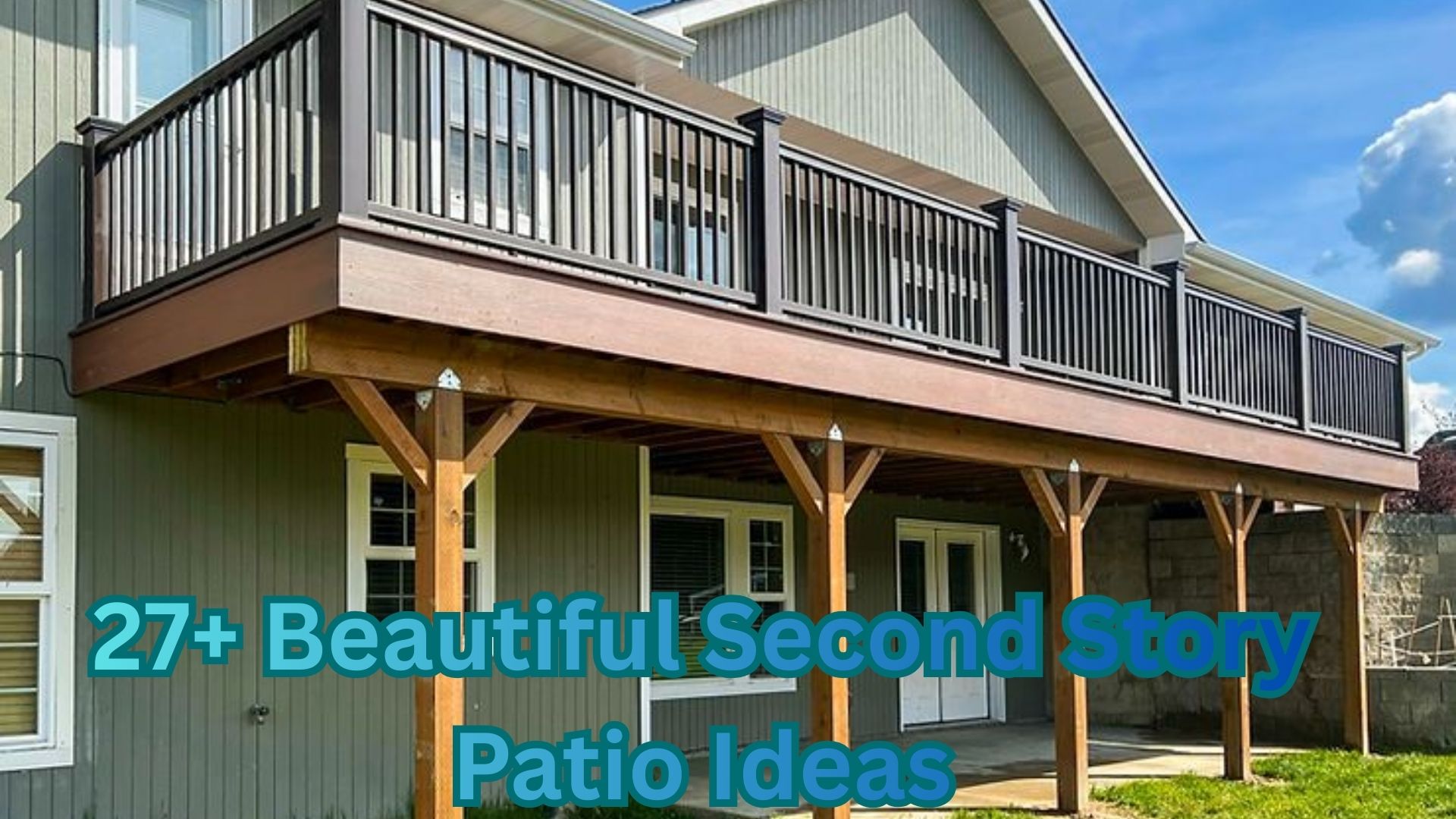
Your ground floor patio feels ordinary and offers little privacy from neighbors. You glance up at your unused second story and see wasted potential valuable square footage sitting idle while you cram guests onto crowded lower-level spaces. The frustration grows when friends showcase their stunning elevated outdoor spaces with panoramic views and complete privacy. You know your home has the same potential, but uncertainty about structural requirements, design options, and costs keeps that second floor deck just a dream.
Second story patio ideas unlock your home’s vertical potential, creating private retreats with superior views while adding 10-20% to property values. These upstairs patio designs range from simple balcony expansions to elaborate rooftop entertaining areas complete with outdoor kitchens and fire features. This comprehensive guide explores 15+ proven design concepts, essential structural considerations, budget planning, and creative solutions that transform underutilized upper levels into your home’s most coveted space.
Why Choose a Second Story Patio Over Ground Level Options?
Elevated outdoor spaces deliver advantages impossible to achieve with ground-level patios. Understanding these benefits helps justify the additional investment and complexity.
Privacy tops the list second level decks place you above fence lines and neighbor sightlines, creating secluded spaces without extensive screening. You’ll enjoy conversations and relaxation without feeling observed. Views improve dramatically at elevation, whether you’re overlooking gardens, neighborhoods, water features, or distant landscapes. Ground-level patios show only immediate surroundings, while upper decks provide perspective and visual interest. Space efficiency matters in smaller lots where ground space is precious, building vertically preserves yard area for gardens, play areas, or pools. Separation from ground-level traffic, noise, and pests creates more peaceful environments. Children playing below won’t disrupt adult conversations above. The elevation also provides natural security, as second story patios are inherently less accessible to unwanted visitors.
What Structural Requirements Apply to Second Story Patios?
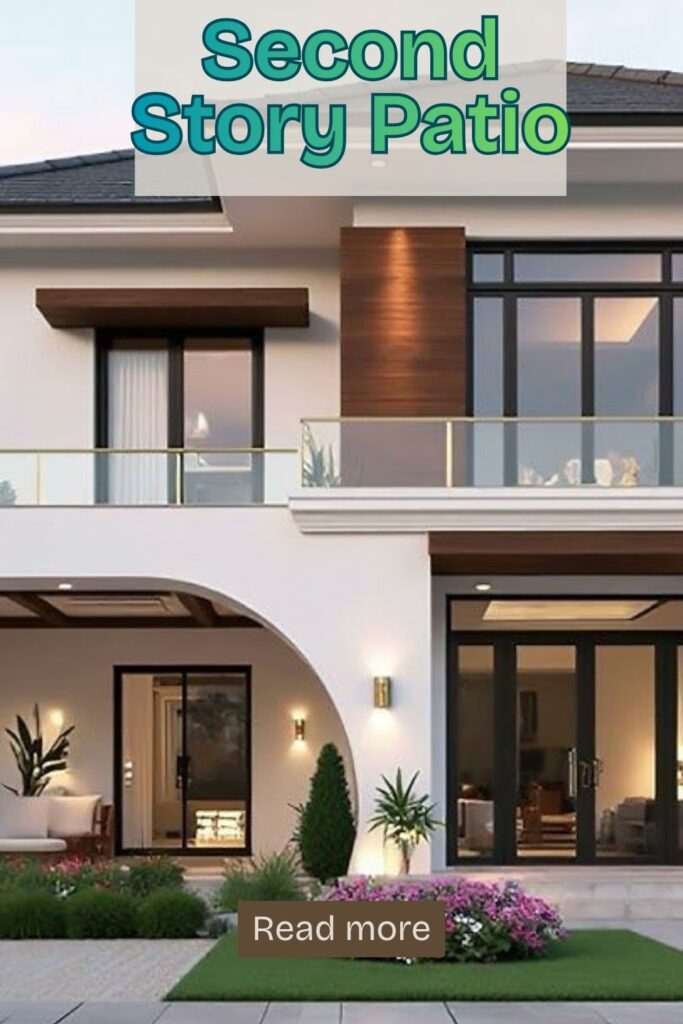
Structural support determines feasibility and costs before any design decisions. Upper-level construction demands significantly more engineering than ground-level projects.
Load-bearing walls and existing framing must support additional weight from decking materials, furniture, people, and environmental loads like snow. Professional structural engineers assess your home’s capacity through detailed inspections of floor joists, beams, and foundation. Existing second-story floors rarely support outdoor deck loads without reinforcement; interior floors typically handle 40 pounds per square foot (live load) while decks require 50-60 PSF. Reinforcement might include sistering additional joists alongside existing ones, installing steel beams, or adding support posts extending to the foundation. Cantilevered balcony designs that extend beyond the building’s footprint need careful calculations to prevent excessive bounce or structural failure.
How Much Does a Second Story Patio Cost to Build?
Budget planning for second floor deck construction requires understanding premium pricing compared to ground-level equivalents. Elevation adds complexity and costs at every phase.
Basic upstairs patio design projects without roofing start at $30,000-$50,000 for 200-300 square feet, including structural reinforcement, decking, railings, and stairs. Mid-range builds with composite materials, built-in seating, lighting, and simple pergola coverage run $50,000-$85,000. High-end Second Story Patio incorporating outdoor kitchens, fire features, glass railings, and extensive roofing reach $85,000-$150,000+. Material transportation to upper levels increases labor costs 20-30% compared to ground work. Structural engineering fees add $1,500-$5,000 depending on complexity.
Read More About: Modern Small Backyard Design For Compact Spaces
What Are the Best Access Solutions for Second Story Patios?
Getting to your Second Story Patio seamlessly matters as much as the destination itself. Access design impacts both functionality and aesthetics significantly.
Interior door transitions from bedrooms, hallways, or second-floor living areas provide the most weather-protected and convenient access. French doors or sliding glass doors create wide openings that blur indoor-outdoor boundaries. This option works best when your deck aligns with existing rooms. Exterior staircases offer independent access without routing through interior spaces, ideal when your deck sits above garages or first-floor covered areas. Straight-run stairs require 12-16 feet of ground space, while switchback or L-shaped designs fit tighter areas. Spiral staircases consume just 4-6 feet diameter but feel cramped when carrying food, drinks, or supplies.
How Do You Ensure Second Story Patio Safety and Code Compliance?
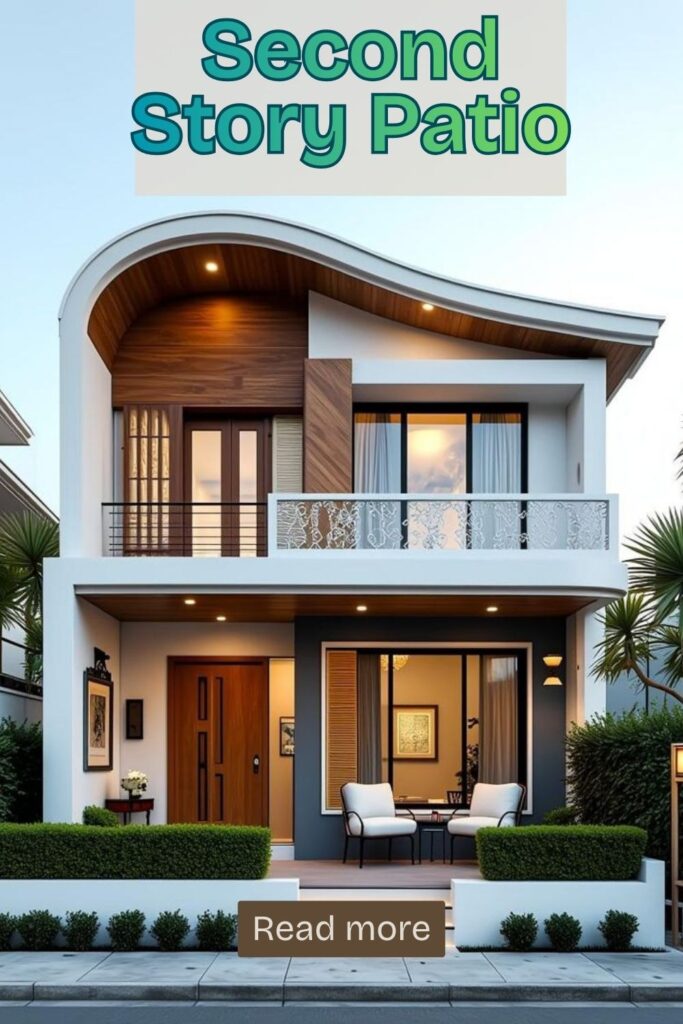
Safety regulations and building codes govern elevated deck construction more strictly than ground-level structures. Non-compliance creates liability and forces expensive corrections.
Railing requirements mandate 36-42 inch heights for residential decks, with balusters spaced no more than 4 inches apart (preventing small children from slipping through). Top rails must withstand 200 pounds of force applied horizontally at any point. Glass railings need tempered safety glass and proper anchoring systems meeting engineering specifications. Stair railings require graspable handrails 34-38 inches tall throughout the descent. Structural inspections verify proper joist spacing, beam sizing, post anchoring, and ledger board attachment before covering with decking. Electrical work requires weatherproof boxes, GFCI protection, and proper conduit routing per code.
What Design Styles Work Best for Second Story Patios?
Architectural harmony between your Second Story Patio and home’s existing style creates cohesive aesthetics. The right design feels intentional rather than added as an afterthought.
Modern minimalist designs feature clean lines, frameless glass railings, composite or metal decking, and built-in lighting. These work beautifully with contemporary homes featuring flat roofs and geometric forms. Traditional wooden decks using pressure-treated lumber or cedar with classic baluster railings complement craftsman, colonial, or farmhouse architecture. Stain colors matching your home’s trim create visual unity. Coastal-inspired spaces incorporate white or light gray composites, cable railings, and nautical accents like weathered teak furniture and navy cushions. Mediterranean influences feature stucco columns supporting pergolas, terracotta tiles, wrought iron railings, and warm earth tones. Match materials and colors to your home’s existing palette siding colors, roof materials, and trim details should inform deck choices.
Should You Add Roofing or Pergola Coverage to Your Second Story Patio?
Overhead protection extends usability while defining your upstairs patio design aesthetically. Coverage decisions balance cost, maintenance, and functionality.
Solid roofing provides complete weather protection, making your second floor deck usable during rain and intense sun. Gable or shed roofs match most home architectures, tying into existing rooflines or creating freestanding structures. Expect to add $15,000-$35,000 for roof framing, sheathing, shingles or metal roofing, gutters, and integration flashing. The enclosed feeling may feel restrictive on smaller decks. Pergola coverage offers partial shade through slatted roofs or cross beams that filter sunlight while maintaining open-air ambiance. Costs run $3,000-$12,000 depending on materials (wood, vinyl, or aluminum) and size. Add retractable shade cloth or climbing vines for adjustable coverage.
What Flooring Materials Perform Best on Second Story Patios?
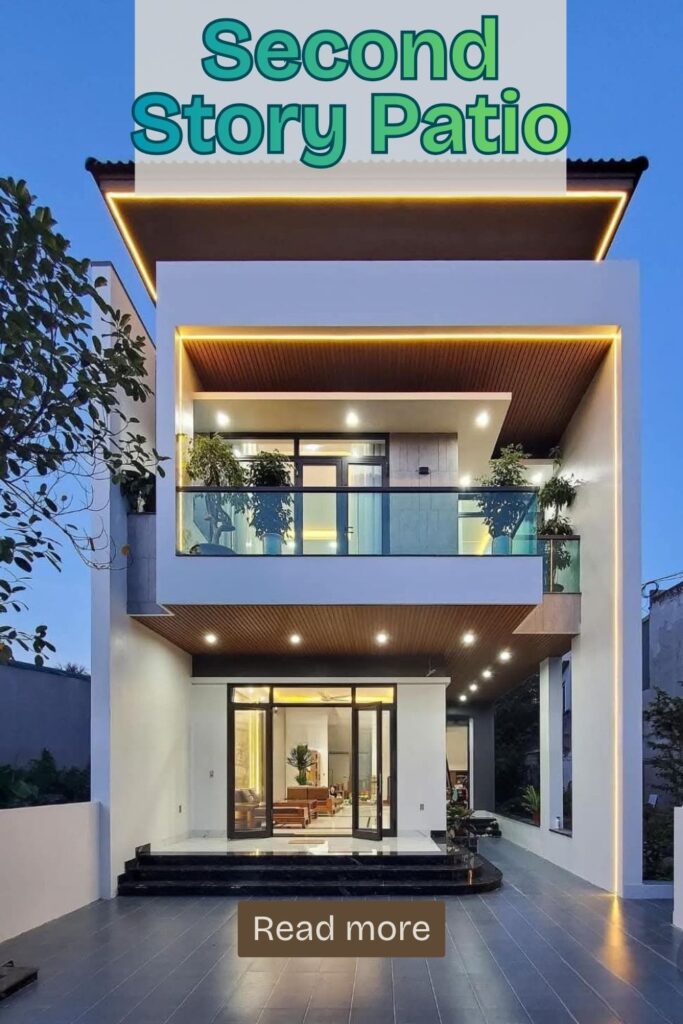
Material selection impacts maintenance, safety, appearance, and longevity. Elevated outdoor space flooring faces unique challenges compared to ground-level options.
Composite decking leads in popularity for second story patios, costing $8-$12 per square foot installed. Brands like Trex, TimberTech, or Azek resist rot, never need staining, and provide slip-resistant surfaces. Color-matching your home’s exterior creates cohesive appearances. Pressure-treated lumber offers economy at $3-$6 per square foot but requires annual maintenance including cleaning, sanding, and sealing. Expect 15-20 year lifespans before board replacement. Tropical hardwoods like ($10-$18 per square foot) deliver rich colors and 25-30 year durability with minimal maintenance beyond occasional oiling. PVC decking ($10-$15 per square foot) provides the ultimate low-maintenance solution completely waterproof, stain-proof, and scratch-resistant, though it feels slightly softer underfoot.
How Do You Address Privacy on Second Story Patios?
Elevation provides natural privacy from ground-level views but leaves you exposed to neighboring second stories and street views. Strategic privacy screening solutions balance seclusion with openness.
Privacy walls extending above standard railing heights create full enclosure on one or more sides. Built from matching decking materials, horizontal slats, or decorative panels, these walls block sightlines while allowing air circulation. Check local codes some jurisdictions limit wall heights or require setbacks from property lines. Lattice panels with climbing vines soften hard edges while providing seasonal screening. Fast-growing options like clematis, jasmine, or climbing roses fill in within one season. Outdoor curtains made from weather-resistant fabrics add romantic aesthetics and flexibility, draw them for privacy or tie back for openness. Install on ceiling-mounted tracks or rods for easy operation.
What Lighting Design Enhances Second Story Patio Functionality?
Thoughtful lighting extends second floor deck usability into evening hours while enhancing safety and ambiance. Layered approaches deliver both function and atmosphere.
Railing-mounted lights every 6-8 feet provide perimeter illumination highlighting deck boundaries and preventing accidental falls. LED post cap lights install atop railing posts, drawing just 1-5 watts while delivering decades of maintenance-free operation. Under-railing LED strips create dramatic uplighting effects, illuminating the deck surface from below for ambient glow without glare. Overhead string lights or cafe lights hung in crossing patterns add festive warmth perfect for entertaining. Choose commercial-grade strings with LED bulbs that withstand weather and minimize energy costs. Recessed ceiling lights in covered areas provide bright task lighting for dining or cooking zones. Dimmable fixtures let you adjust intensity based on activity. Step lights embedded in stair risers illuminate each tread, crucial for safe navigation after dark.
Can You Include Fire Features on Second Story Patios?
Fire elements create focal points and extend seasonal use, but elevated outdoor spaces face restrictions and safety concerns requiring careful planning.
Fire pits on second level decks must follow strict codes; many jurisdictions prohibit wood-burning fires on elevated structures entirely. Gas or propane fire features usually gain approval when positioned away from railings, walls, and overhead structures. Place fire tables on non-combustible pads protecting decking underneath. Maintain 3-feet minimum clearance from railings or walls per most codes. Portable fire bowls designed for deck use provide flexibility to move for parties or store during off-seasons. Built-in fire features integrate seamlessly into custom seating arrangements but require gas line installation during construction. Linear fire features work beautifully as modern centerpieces in contemporary upstairs patio designs. Chimineas offer enclosed fire chambers that contain sparks better than open fire pits.
How Do You Manage Water Drainage on Second Story Patios?
Proper drainage solutions prevent the most common and expensive problems in second floor deck construction. Water management protects both your deck and the structure below.
Deck boards should always slope away from your house at minimum 1/8 to 1/4 inch per foot, directing water toward outer edges rather than pooling. Gap spacing between composite boards (typically 1/4 inch) or pressure-treated lumber (1/8 inch) allows water to drip through to drainage systems below. Under-deck drainage systems capture water falling between boards, channeling it through gutters and downspouts away from areas below. Systems like Trex RainEscape or TimberTech DrySpace cost $8-$15 per square foot but create dry, usable space underneath your deck.
Proper flashing where the deck ledger attaches to your home prevents water intrusion into wall cavities; this critical detail causes rot and structural damage when done incorrectly. Pitch roofed covers to drain away from your house, with gutters collecting runoff and routing it safely away via downspouts. Never allow deck drainage to flow onto lower roofs or into areas where it can seep into basements or crawl spaces.
What Furniture and Decor Work Best on Second Story Patios?
Furnishing elevated outdoor spaces requires balancing style, comfort, and practical considerations unique to upper-level locations. Smart choices enhance functionality while withstanding environmental challenges.
Wind exposure increases with elevation, making lightweight furniture impractical. Heavy resin wicker, wrought iron, or substantial teak pieces resist tipping during gusty conditions. Anchor lighter pieces with deck mounting brackets or use weighted bases. Low-profile furniture minimizes wind resistance while maintaining open sightlines choose lower seating heights (14-16 inches) rather than tall dining chairs. Built-in benches with storage underneath maximize space efficiency while eliminating furniture-moving concerns.
Weather-resistant cushions made from solution-dyed acrylic fabrics (Sunbrella, Outdura) resist fading and mildew while providing comfort. Store cushions during storms to extend lifespan. Modular sectionals adapt to different entertaining needs, rearranging for intimate conversations or large gatherings. Container gardens add color and soften hard surfaces without permanent planting beds use lightweight fiberglass or resin planters rather than heavy ceramic to minimize structural loads. Outdoor rugs define seating zones and add warmth, but choose ones rated for direct sun and moisture exposure.
Should You Add an Outdoor Kitchen to Your Second Story Patio?
Outdoor kitchens on second level decks create ultimate entertaining venues but require extensive planning around utilities, weight, and code requirements.
Basic setups with portable grills and serving carts provide cooking capability without permanent infrastructure, costing $1,000-$3,000. Built-in grills require gas lines (natural gas or propane) run from below or through your home’s interior to reach the upper level. Professional installation runs $800-$2,500 depending on distance and complexity. Refrigerators and ice makers need dedicated electrical circuits and proper weatherproofing budget $1,500-$3,000 for undercounter refrigerator units designed for outdoor use. Sinks require both water supply and drainage, making plumbing the most complex addition.
Routing through interior walls costs $2,000-$5,000 while exterior routing visible on your home’s facade looks less attractive but reduces costs. Weight considerations become critical when full outdoor kitchens with stone countertops and multiple appliances can exceed 2,000 pounds, requiring structural assessment and potential reinforcement. Position kitchens near your home’s exterior wall where structural support is strongest rather than cantilevered areas. Local codes may require fire suppression systems, proper ventilation, and specific clearances from combustible materials.
What Are Creative Small Second Story Patio Ideas?
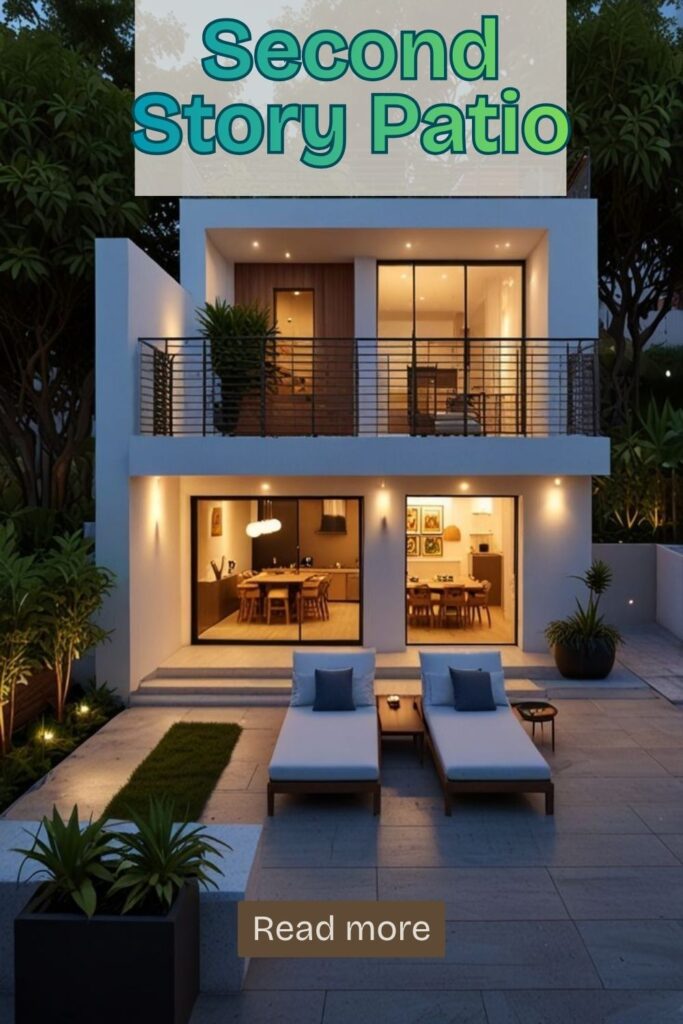
Limited second floor deck dimensions demand space-maximizing strategies. Clever design makes even 100-150 square foot areas functional and inviting.
Floating deck designs cantilever from your home’s structure, creating outdoor space without visible supports below. These work beautifully above first-floor covered porches or entryways, extending 6-8 feet from the building. Fold-down tables and Murphy-style benches provide dining and seating that disappears when not needed, preserving open space. Corner designs maximize awkward L-shaped areas where two exterior walls meet, creating cozy nooks with built-in seating wrapping both walls. Vertical gardens using wall-mounted planters add greenery without consuming precious floor space.
Juliet balconies shallow balconies just deep enough for a small table and two chairs provide outdoor access from bedrooms with minimal construction. These projects are just 3-4 feet, enough for morning coffee but not full entertaining. Multi-level designs split single decks into two zones with a step-up or step-down transition, creating visual interest and defining separate activity areas within compact footprints.
How Do Second Story Patios Affect Home Insurance and Resale Value?
Financial implications extend beyond construction costs. Understanding property value impacts and insurance considerations helps you make informed decisions.
Properly permitted second story patios increase home values 8-15% in markets where outdoor living spaces command premiums. A $60,000 deck investment might add $40,000-$75,000 to your home’s appraised value, particularly in urban areas with limited ground-level outdoor space. Quality construction using durable materials and professional installation recovers more value than budget builds that appear temporary. Home insurance premiums may increase 3-8% due to elevated replacement value and increased liability exposure. Contact your insurer before beginning construction to verify coverage adequacy and understand rate impacts.
Deck-related injuries create liability concerns: proper railings, adequate lighting, and code compliance minimize risk. Some insurers require inspections of elevated structures before providing coverage. Unpermitted construction creates serious problems at resale: lenders may refuse to finance homes with unpermitted additions, while buyers negotiate steep discounts or demand removal.
Read More About: Patio Add On To House: Complete Guide For Perfect Outdoor
What Seasonal Considerations Apply to Second Story Patios?
Year-round planning ensures your elevated outdoor space remains enjoyable across all seasons. Climate-specific strategies maximize usability and protect your investment.
Snow load calculations determine structural requirements in northern climates decks must support 30-60 pounds per square foot depending on your region. Roofed patios need even higher capacity. Consider heated flooring systems ($15-$30 per square foot) that melt snow and ice, making winter access safe without shoveling elevated surfaces. Summer heat management requires overhead shade pergolas with adjustable louvers, retractable awnings, or shade sails prevent your second floor deck from becoming unusable during peak afternoon sun. Outdoor fans enhance air circulation, making humid climates more comfortable.
Spring and fall bring variable weather, invest in weatherproof storage for cushions and accessories so you can protect them quickly during unexpected storms. Wind screens or clear vinyl panels on railings extend shoulder-season use by blocking chilly breezes while preserving views. Infrared heaters mounted to ceilings or posts add supplemental warmth during cool evenings, extending entertaining seasons by weeks or months.
Frequently Asked Questions
Can any second-story home support an added patio or deck?
Not automatically structural capacity varies based on your home’s age, construction methods, and existing floor framing. Homes built before 1970 often need significant reinforcement, while newer construction may require only minor modifications. Professional structural engineering assessment ($500-$2,000) determines feasibility and necessary modifications before proceeding with design.
How wide should a second story patio be to feel functional?
Minimum 8-10 feet depth provides adequate space for furniture and circulation behind seating. Comfortable entertaining spaces measure 10-14 feet deep, accommodating dining tables with circulation space. Widths depend on available exterior wall length 16-20 feet wide and supports distinct zones for dining and lounging without feeling cramped.
Do second story patios require special permits beyond standard deck permits?
Yes, elevated structures face additional scrutiny including structural engineering review, more frequent inspections during construction, and potentially architect-stamped plans. Permit costs run 50-100% higher than ground-level equivalents. Timeline from application to approval extends 4-8 weeks in most jurisdictions compared to 2-4 weeks for ground-level projects.
What’s the maximum cantilever distance for a second story deck without posts?
Most residential applications safely cantilever 4-6 feet beyond the last support beam using proper engineering and reinforced joists. Greater distances require either intermediate support posts extending to the ground or complex structural solutions like steel beams, both significantly increasing costs. Consult structural engineers for your specific situation.
How do you prevent sound transmission to rooms below a second story deck?
Under-deck ceiling systems with acoustic insulation reduce sound transfer by 40-60%. Install foam or fiberglass insulation between joists, then cover with solid ceiling panels rather than open slats. Rubber deck underlayment between joists and decking boards dampens footstep noise. Expect to add $5-$12 per square foot for comprehensive sound control.
Can you convert a flat roof into a rooftop patio?
Potentially, but flat roofs rarely support the live loads patios require (50-60 PSF) without significant structural reinforcement underneath. Waterproofing becomes critical if any penetrations for railings or structures risk leaks. Installation of proper drainage, protective walking surfaces over membranes, and railing systems add substantial costs. Structural assessment is mandatory before attempting conversion.
Conclusion
Second story patio ideas transform unused vertical space into your home’s crown jewel, a private retreat offering superior views, enhanced privacy, and elevated entertaining possibilities. The investment demands careful planning around structural requirements, code compliance, and design integration, but delivers outsized returns in both daily enjoyment and property value. Whether you’re considering a modest balcony expansion or an elaborate rooftop deck with full amenities, prioritizing quality construction and professional guidance ensures decades of reliable use.
Start your project by consulting structural engineers who assess feasibility and provide load calculations for permit applications. Work with experienced deck contractors familiar with elevated construction’s unique challenges rather than general handymen. Your second floor deck represents a significant investment, but the lifestyle enhancement and property value increase justify the expense when executed properly. The view from above awaits begin planning your elevated outdoor oasis today and discover why homeowners consistently rank upper-level outdoor spaces among their favorite home features.