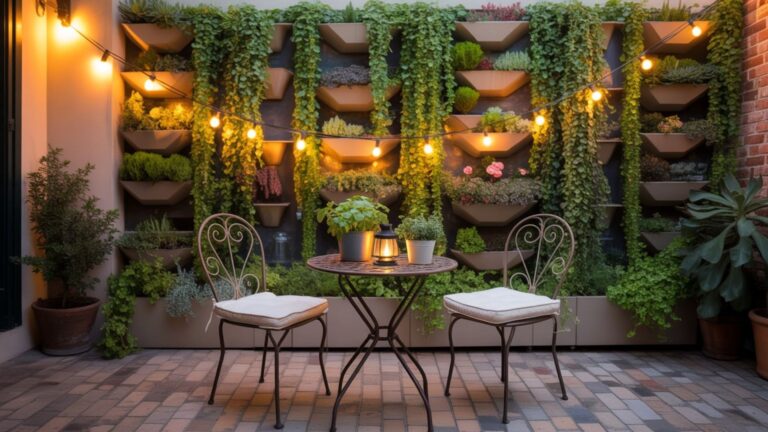
Small Garden With Rocks For Stunning Landscapes

Your cramped backyard or tiny patio feels lifeless and uninspiring despite your best intentions to create an outdoor oasis. Limited square footage makes traditional gardening seem impossible, and maintenance demands overwhelm your already busy schedule. That barren patch of dirt or concrete mocks your desire for beautiful outdoor living space, while neighbors with expansive yards showcase lush landscapes you can’t replicate.
A small garden with rocks offers the perfect solution for space-challenged properties, combining low-maintenance beauty with water-wise practicality that thrives where traditional gardens fail. This comprehensive guide reveals professional rock garden design strategies that maximize visual impact in minimal space, reduce watering needs by up to 70%, and create stunning landscapes that require a fraction of the upkeep demanded by conventional flower beds.
Understanding the Benefits of Rock Gardens for Small Spaces
Small garden with rocks designs provide practical solutions for challenging growing conditions including poor soil, limited water access, and restricted square footage. Rocks serve as permanent hardscaping elements that eliminate weeding, reduce water consumption, and maintain year-round visual appeal regardless of season or weather. Unlike traditional gardens requiring constant attention, rock gardens establish quickly and improve with age as plants mature and stones settle into natural-looking arrangements.
Rock garden design principles originated in alpine regions where plants adapted to harsh conditions with minimal soil and extreme temperature fluctuations. These tough performers thrive in crevices between stones, creating dramatic displays that appear effortless yet sophisticated. Research from the National Association of Landscape Professionals shows that well-executed rock gardens can increase property values by 5-10% while reducing landscape maintenance costs by 40-60% compared to traditional lawns and flower beds. The combination of aesthetic appeal and practical benefits makes rock gardens ideal for busy homeowners, rental properties, and anyone seeking maximum impact with minimal ongoing commitment.
Read More About: Beautiful Flower Yard To Create a Stunning Outdoor Paradise
Selecting the Right Rocks and Stones for Your Design
Your rock garden design success depends heavily on choosing appropriate stone types that complement your home’s architecture and existing landscape features. Natural stones like limestone, sandstone, and granite provide authentic textures and colors that age beautifully over time. Limestone offers neutral tones ranging from cream to gray, sandstone provides warm reds and oranges, while granite delivers dramatic darks and speckled patterns.
Decorative stones come in various sizes serving different purposes throughout your small garden with rocks project. Large boulders weighing 50-200 pounds create focal points and anchor designs, medium stones ranging from softball to basketball size fill middle layers, and pebble garden layout materials including river rock and crushed gravel cover ground surfaces. Mix sizes for natural-looking arrangements that mimic how stones appear in wild settings rather than uniform coverage that looks artificially staged.
Consider local stone whenever possible; it costs less due to reduced transportation and blends seamlessly with regional architectural styles. Most landscape suppliers sell stone by the ton, with prices ranging from $40-200 depending on type and availability. Calculate approximately one ton of stone covering 80-100 square feet at three inches depth for accurate quantity estimates.
Planning Your Small Rock Garden Layout and Design
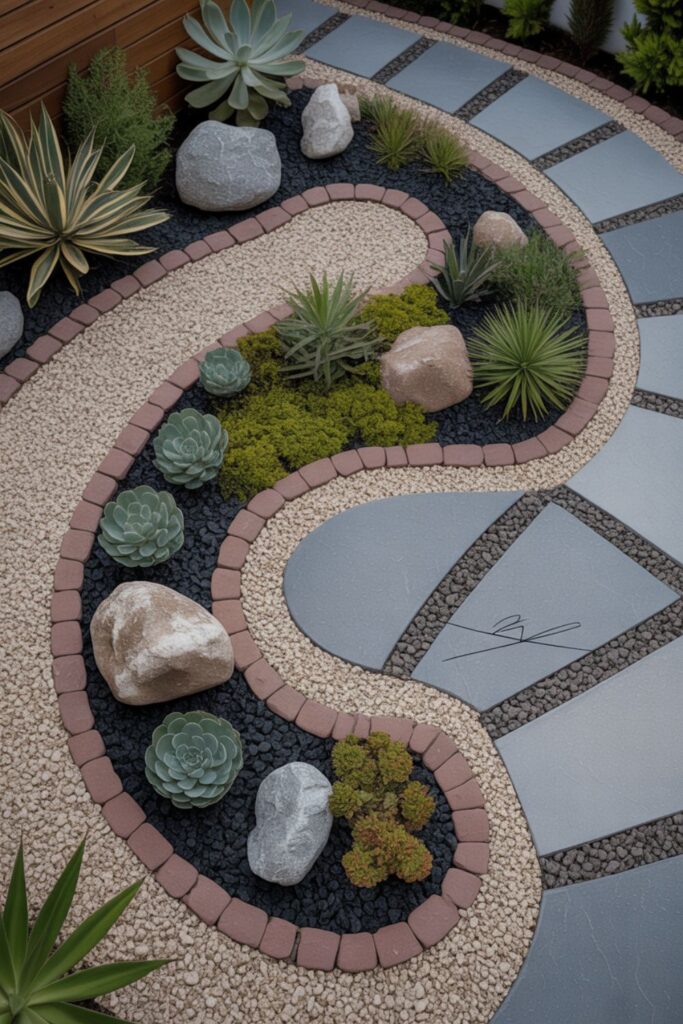
Effective small garden with rocks requires strategic planning that maximizes every square inch while maintaining visual balance. Sketch your space on graph paper noting existing features like walls, pathways, and structures that influence your design. Identify sunny and shady areas since alpine plants and succulents need different light exposures than shade-tolerant species like ferns and hostas.
Create elevation changes using berms and terraced levels that add dimension to flat spaces. Even modest height variations of 6-12 inches dramatically improve visual interest and drainage solutions that prevent water pooling. Position largest boulders first as anchors establishing your overall layout, then fill surrounding areas with progressively smaller stones. The rule of thirds applies to rock placement, positioning major focal points at intersecting lines dividing your space into thirds both horizontally and vertically rather than centering everything.
Odd-numbered groupings of rocks and plants feel more natural than even-numbered arrangements. Leave adequate space between stones for ground cover plants and soil pockets where roots can establish. Professional small garden with rocks balances approximately 60% rocks with 40% planted areas for optimal aesthetics and plant health.
Choosing Plants That Thrive in Rock Gardens
Alpine plants adapted to rocky mountain environments represent ideal choices for small garden with rocks landscapes. These tough performers including sedums, sempervivums, thyme, and dianthus tolerate poor soil, limited water, and temperature extremes while providing colorful blooms and interesting foliage. Succulents like hens-and-chicks, stonecrop, and ice plant store water in fleshy leaves allowing extended drought tolerance perfect for xeriscaping techniques.
Ground cover varieties fill gaps between stones creating living carpets that suppress weeds while softening hard edges. Creeping thyme releases fragrance when walked upon, moss phlox produces spring blankets of color, and creeping Jenny adds chartreuse foliage brightening shady spots. Ornamental grasses including blue fescue, Mexican feather grass, and Japanese forest grass contribute movement and texture contrast against static stone surfaces. Combine evergreen selections providing year-round structure with deciduous varieties offering seasonal color changes.
Native plants adapted to your region require less intervention than exotic species, though many Mediterranean and alpine plants perform well across diverse climates. Position plants in soil pockets between rocks where roots access nutrients and moisture while foliage cascades naturally over stone surfaces creating integrated appearances rather than plants simply sitting atop rocks.
Installing Your Rock Garden Step by Step
Proper installation ensures your small garden with rocks remains attractive and functional for decades with minimal intervention. Start by removing existing grass, weeds, and vegetation down to bare soil. Test drainage solutions by digging a one-foot-deep hole, filling it with water, and observing how quickly it drains if water remains after 12 hours, you’ll need to improve drainage with added sand or gravel.
Install landscape fabric over prepared soil to suppress weeds while allowing water penetration. Cut X-shaped slits for plants rather than covering entire areas. Position largest boulders first, burying bottom thirds for stable, natural-looking placement that appears as though stones emerged from the ground rather than being dropped on top. Build up surrounding soil creating slight berms that enhance the illusion of natural stone outcroppings. Add medium-sized stones filling gaps and creating layers, then spread decorative stones or gravel covering exposed soil between larger rocks.
Aim for three to four inch depth of small stones providing adequate weed suppression. Plant in pockets between stones, adding quality soil amended with compost in planting holes. Water thoroughly after installation, then reduce frequency as plants establish most rock garden species prefer drier conditions than traditional garden plants. Apply additional gravel around plant bases preventing soil splash and creating finished appearances.
Creating Pathways and Functional Elements
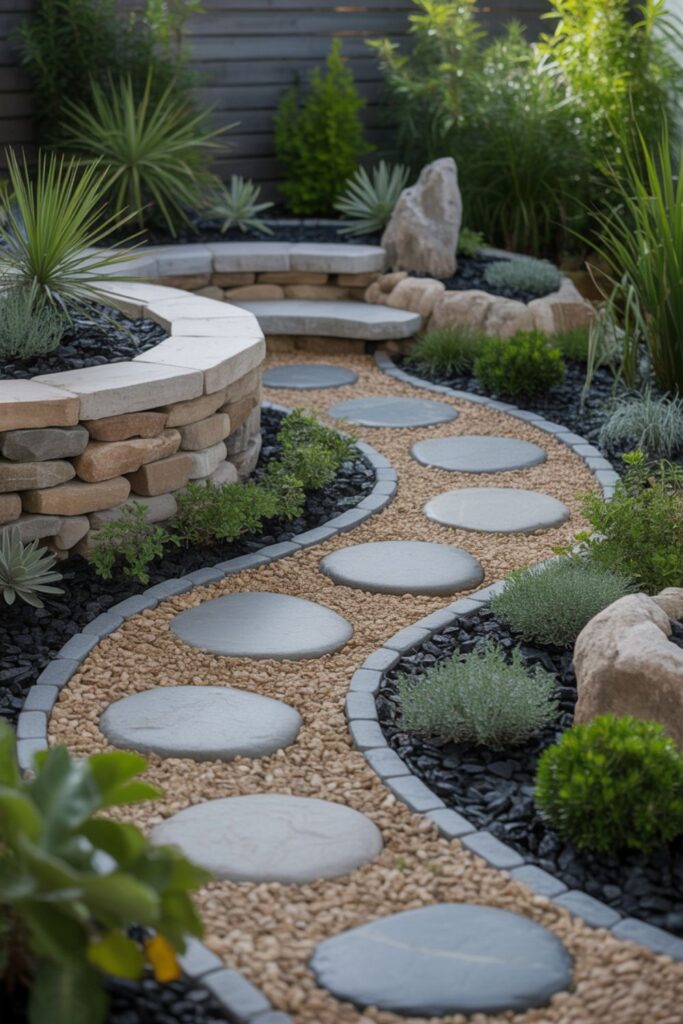
Stone pathway design adds functionality allowing access throughout your small garden with rocks without damaging plants or compacting soil. Stepping stones placed 18-24 inches apart accommodate average stride length, while continuous paths using flagstone or pavers suit high-traffic areas. Set pathway stones level with surrounding grade preventing tripping hazards, and fill joints with small gravel or creeping ground covers like thyme that tolerate foot traffic.
Integrate functional hardscaping elements including seating areas, water features, and decorative borders that expand your garden’s utility beyond pure aesthetics. A simple boulder positioned at comfortable sitting height creates natural seating requiring zero maintenance. Small fountains or bubbling rock features add soothing sounds while attracting birds and beneficial insects. Raised stone borders define garden edges and contain small garden with rocks preventing stones from migrating into adjacent lawns.
Lighting transforms evening ambiance uplights positioned beneath specimen plants and boulders create dramatic shadows while path lights ensure safe navigation. These functional additions turn your rock garden from static display into usable outdoor living space suitable for relaxation, entertaining, and daily enjoyment regardless of your property’s limited size.
What Are the Best Rocks for Small Garden Designs?
The best rocks balance aesthetic appeal with practical considerations including availability, cost, and scale appropriate to your space. River rock provides smooth, rounded stones in diverse colors ranging from white and tan to black and red. Pea gravel consisting of small rounded stones works beautifully for pathways and mulch alternative applications, while crushed granite offers angular pieces in gray, tan, and pink tones that lock together preventing migration.
Lava rock delivers dramatic dark colors with lightweight porous texture, though sharp edges can be uncomfortable for areas receiving foot traffic. Sandstone boulders provide warm earth tones with natural layering that creates visual interest, while limestone offers neutral colors aging gracefully with weathered patinas. Mexican beach pebbles present smooth, dark stones perfect for modern minimalist pebble garden layout styles. Avoid extremely small gravels under one-quarter inch since they stick to shoes and migrate easily, and skip excessively large boulders overwhelming tiny spaces. Most successful small garden with rocks designs incorporate three to four different stone types and sizes creating natural-looking variety without chaotic clutter. Local stone quarries and landscape suppliers often provide samples allowing you to test combinations before committing to full orders.
How Do I Maintain a Rock Garden?
Rock gardens require dramatically less maintenance than traditional landscapes, though some basic care ensures continued beauty. Pull weeds promptly when they appear before root systems establish prevention proves easier than removal once plants mature. Refresh decorative stones every few years as they settle and become partially buried, adding new material restoring original depth and clean appearances.
Trim dead foliage from perennial plants in spring before new growth emerges, and divide overcrowded specimens every three to four years rejuvenating vigor. Most rock garden plants need minimal fertilization since excessive nutrients cause weak, leggy growth. Water newly installed gardens regularly for the first season establishing root systems, then reduce frequency to occasional deep watering during extreme drought. Remove fallen leaves and debris in autumn preventing smothering of low-growing plants and moss.
Check landscape fabric periodically for tears or exposed areas allowing weed penetration, patching as needed. Reset any unstable stones and adjust plant placement as growth patterns reveal overcrowding or awkward spacing. Annual maintenance typically requires just four to eight hours for average small rock gardens compared to weekly mowing and monthly flower bed care traditional landscapes demand.
Incorporating Water-Wise Xeriscaping Principles
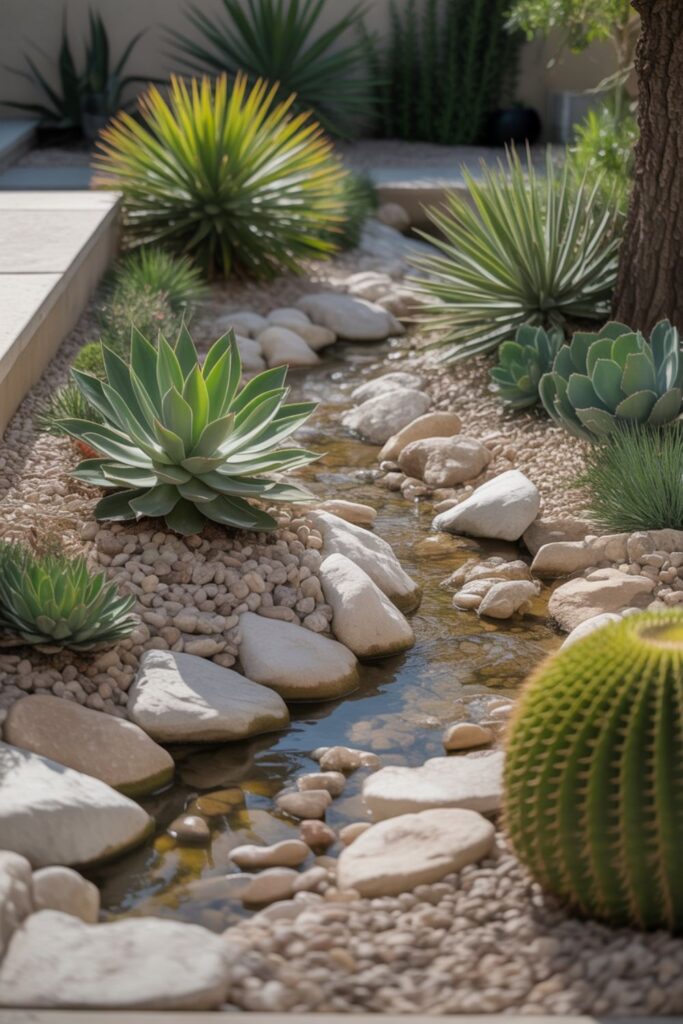
Xeriscaping techniques reduce outdoor water consumption by 50-75% through strategic plant selection and efficient irrigation practices. Group plants with similar water needs together rather than mixing drought-tolerant species with moisture-loving varieties. Position thirsty plants near downspouts or low spots receiving natural runoff, reserving driest areas for succulents and alpine plants thriving in arid conditions.
Mulch alternative strategies using stone provide permanent coverage eliminating annual mulch replacement while suppressing weeds and moderating soil temperatures. Unlike organic mulches that decompose requiring regular replenishment, rock remains stable for decades with minimal intervention. Drip irrigation systems deliver water directly to root zones eliminating waste from evaporation and overspray, though properly established rock gardens often require no supplemental irrigation except during severe drought.
Rainwater harvesting using rain barrels captures roof runoff providing free irrigation during dry spells. Native plants adapted to regional rainfall patterns naturally require less water than exotic species bred for different climates. Your small garden with rocks designed using xeriscaping principles not only conserves precious water resources but also thrives during drought conditions and water restrictions when traditional landscapes struggle or fail completely.
Design Styles for Small Rock Gardens
Japanese rock gardens emphasize minimalism and contemplation using carefully positioned stones representing mountains or islands surrounded by raked gravel symbolizing water. This zen aesthetic suits modern architecture and urban spaces where simplicity and clean lines dominate. Alpine rock gardens recreate mountain environments using dwarf conifers, spreading perennials, and weathered stones arranged in naturalistic compositions mimicking rocky outcroppings.
Contemporary rock garden design incorporates geometric patterns, monochromatic color schemes, and architectural plants like agaves and yuccas creating bold statements in compact footprints. Cottage-style rock gardens combine informal stone arrangements with billowing perennials and flowering plants softening hard edges with romantic abundance. Desert rock gardens showcase cacti, succulents, and drought-adapted plants between decorative boulders reflecting arid southwestern landscapes.
Mediterranean designs pair terra cotta containers, fragrant herbs, and warm-toned stones evoking coastal European villages. Tropical rock gardens use lava rock with exotic plants including bromeliads, orchids, and ferns creating lush microclimates in humid regions. Choose styles complementing your home’s architecture and personal aesthetic preferences rather than following trends that may not suit your property or maintenance capabilities.
Read More About: Vibrant Flower Garden Design To Create Stunning Outdoor Spaces
What Plants Work Best Between Rocks in Small Gardens?
Low-growing, spreading plants that tolerate poor soil and limited water excel in crevices between rocks. Sedums including ‘Dragon’s Blood’, ‘Angelina’, and ‘Autumn Joy’ provide colorful foliage and flowers while spreading to fill gaps. Sempervivums (hens-and-chicks) create rosette clusters in hundreds of varieties offering diverse colors from lime green to deep burgundy.
Creeping thyme releases wonderful fragrance and produces summer blooms in white, pink, or purple shades tolerating foot traffic on pathways. Dianthus (pinks) delivers intensely fragrant flowers and blue-gray foliage perfect for rock crevices. Ajuga forms low mats with spring flower spikes in blue, purple, or white plus colorful foliage year-round. Phlox subulata (moss phlox) creates spring carpets of vibrant blooms completely obscuring rocks beneath. Alpine strawberries produce white flowers and tiny edible fruits while spreading between stones.
Delosperma (ice plant) offers succulent foliage with daisy-like flowers in neon colors thriving in hot, dry conditions. These tough performers establish quickly, require minimal care, and create the naturalized appearance making a successful small garden with rocks designs look professionally installed yet effortlessly maintained.
Solving Common Small Rock Garden Challenges
Weed control challenges many rock garden owners despite landscape fabric installation. Apply pre-emergent herbicides in early spring preventing seed germination, and spot-treat persistent weeds with targeted applications rather than broadcast spraying that may harm desirable plants. Hand-pulling proves most effective for isolated weeds, removing entire root systems preventing regrowth.
Stone migration occurs when slopes and heavy rain displace smaller rocks. Install edging materials like metal or plastic landscape borders containing gravel within defined areas. Choose larger stones for sloped areas where small gravels won’t remain stable. Compacting soil and stone layers during installation reduces settling and movement. Fading colors affect some decorative stones exposed to intense sun and weather. Rejuvenate appearance by rinsing stones with water or applying stone sealers designed for landscaping applications. Poor drainage creates soggy conditions rotting plant roots and encouraging moss on stone surfaces.
Improve drainage by incorporating sand or gravel into soil before installation, and ensure proper grading directing water away from problem areas. Winter damage from freeze-thaw cycles can crack stones and heave plantings. Select stone types rated for your climate’s temperature extremes, and avoid placing tender plants in exposed northern locations receiving harsh winter conditions.
Budget-Friendly Rock Garden Ideas
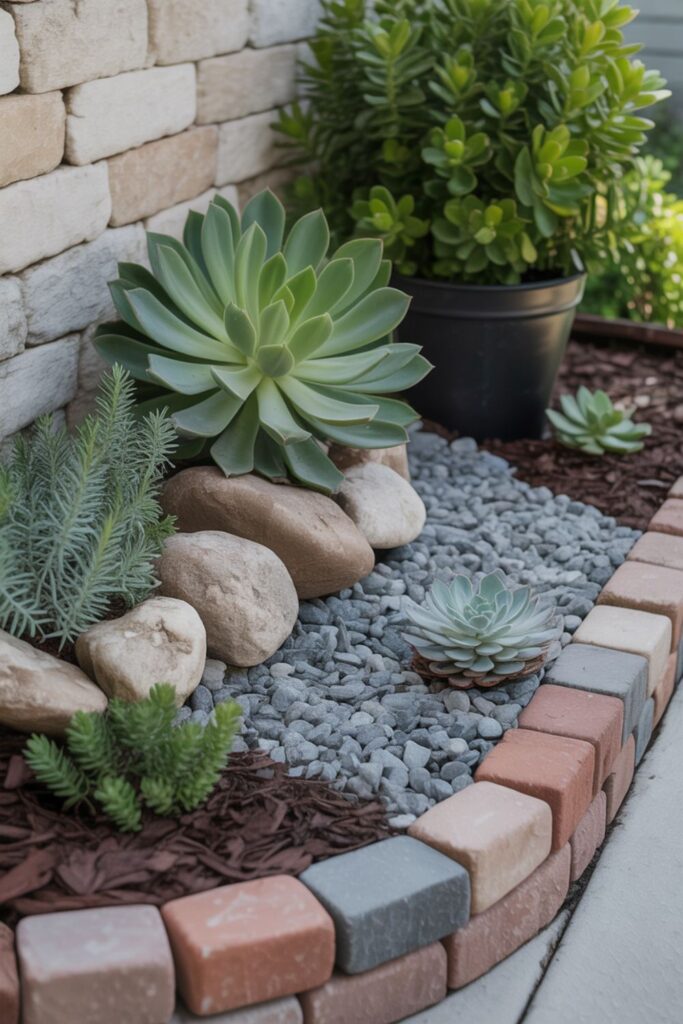
Creating an impressive small garden with rocks doesn’t require massive investment when you employ cost-saving strategies. Source free or inexpensive stones from construction sites, road projects, and property clearing operations always obtain permission before collecting. Check online classifieds and community groups where people often give away rocks from landscaping projects or demolition work.
Start small with a manageable area rather than attempting your entire property at once. Phased installation spreads costs over multiple seasons while allowing you to learn through experience before tackling larger sections. Substitute expensive boulders with grouped smaller stones creating similar visual impact at fraction of the cost. Propagate plants through divisions and cuttings rather than purchasing everything most rock garden perennials multiply readily providing free material. Choose regional stones avoiding exotic imports requiring long-distance shipping.
Buy stone in bulk quantities directly from quarries rather than bagged products at retail centers, savings often exceed 50% for identical materials. Use crushed gravel or decomposed granite instead of pricey river rock for pathways and base layers. Reclaim materials including broken concrete pieces (urbanite) creating rustic, cost-free alternatives to purchased stone. These budget-conscious gravel garden ideas deliver professional results without professional price tags.
FAQ: Small Garden With Rocks
How much does it cost to create a small rock garden?
Most small garden with rocks projects cost $300-1,500 for DIY installations covering 100-200 square feet including stone, plants, and materials. Stone represents the largest expense at $40-200 per ton depending on type and availability. Professional installation adds $1,500-5,000 in labor costs depending on design complexity and region. Costs decrease dramatically when using free or recycled stones and propagating plants rather than purchasing everything new from landscape suppliers.
Can I install a rock garden on a slope?
Slopes make excellent locations for rock garden design since natural drainage prevents waterlogging that damages plants. Position largest boulders at slope bottom providing visual weight and stability, then work upward with progressively smaller stones. Bury stones deeply on slopes preventing downhill sliding, and use angular crushed rock rather than round pebbles that roll easily. Terracing creates level planting pockets on steep grades, and spreading ground cover plants establish root systems stabilizing soil preventing erosion between stones.
Do rock gardens attract snakes or pests?
Rocks provide shelter attracting beneficial creatures including toads, lizards, and ground beetles that consume garden pests. Snakes may occasionally use rock piles as sunning spots or winter shelters, though this proves beneficial since they control rodents and slugs. Keep rock gardens away from home foundations if snakes concern you, and maintain open spaces around large boulders allowing you to see underneath. Proper installation using landscape fabric prevents rodents from burrowing beneath stones, while regular maintenance removing debris eliminates habitat for unwanted pests.
What is the best time to build a rock garden?
Spring and fall offer ideal conditions for installing small space landscaping projects including rock gardens. Moderate temperatures make physical labor more comfortable, and plants establish root systems before summer heat or winter cold stress them. However, hardscaping elements including stone placement can occur year-round whenever ground isn’t frozen. Summer installation works if you water plants diligently through establishment periods, while winter projects prepare gardens for spring planting once weather warms.
How deep should rocks be in a garden?
Decorative stones and gravel should reach three to four inches deep providing adequate weed suppression and finished appearance. Larger boulders should be buried approximately one-third their height creating stable, natural-looking placement. Pathway stones need setting flush with surrounding grade preventing tripping hazards. Base layers beneath visible stones require two to three inches of compacted gravel improving drainage and preventing settling that creates uneven surfaces over time.
Conclusion
A small garden with rocks transforms challenging properties into stunning low-maintenance landscapes that outperform traditional gardens in beauty, sustainability, and ease of care. The strategies covered here from stone selection and proper installation to plant choices and xeriscaping techniques provide complete guidance for creating professional results regardless of experience level. Your compact outdoor space holds unlimited potential when you embrace rocks as primary design elements rather than afterthoughts.
Begin planning your rock garden today by assessing your space, identifying problem areas, and sketching initial designs that reflect your style preferences and practical needs. Remember that rock gardens improve with age as plants mature and stones weather into natural-looking arrangements, so imperfections in new installations evolve into character over time. The investment you make now pays dividends for decades through reduced maintenance, lower water bills, and increased property value that far exceeds initial costs.