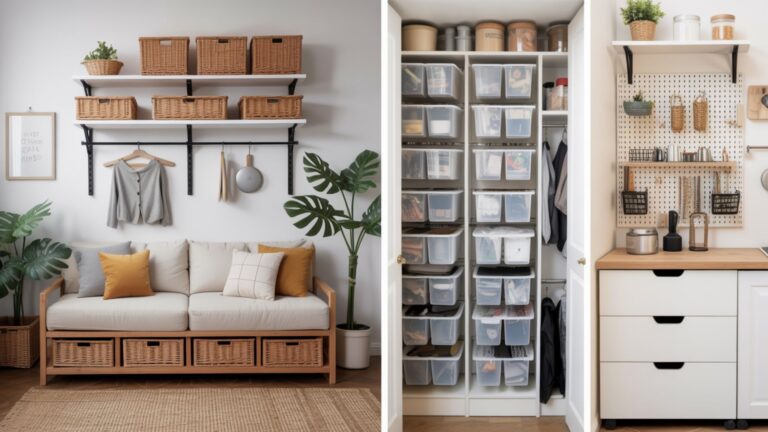
Small Space Living Designs, Organization And Space-Saving Ideas
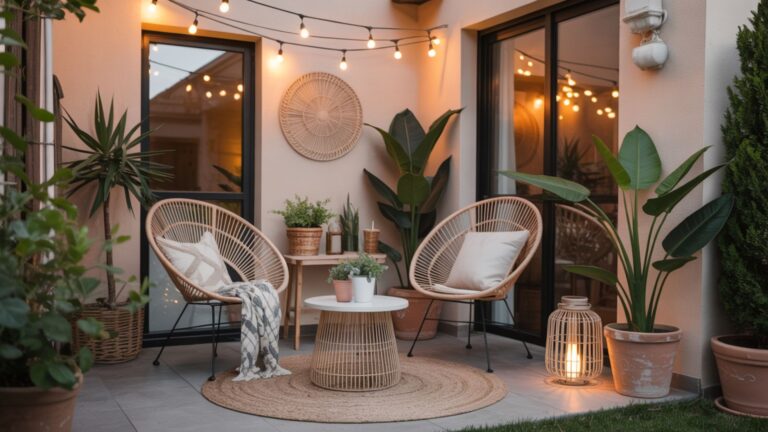
Small space living has evolved from a compromise to an intentional lifestyle choice embraced by millions seeking simplicity, affordability, and reduced environmental footprints in increasingly expensive urban environments. Whether you’re inhabiting a studio apartment, tiny house, compact condo, or simply downsizing from larger homes, living well in limited square footage requires strategic design thinking and smart organization that transforms cramped quarters into functional, beautiful spaces that feel surprisingly spacious. The challenge isn’t the size itself, it’s knowing how to make every inch work harder through multifunctional furniture, clever storage solutions, and design principles that create visual expansion.
The frustration intensifies when your small home feels perpetually cluttered despite constant organizing efforts, when you can’t find space for essential belongings, or when rooms feel claustrophobic rather than cozy. Maybe you’ve tried decorating tips from magazines only to find they don’t translate to your specific layout, or you’re overwhelmed by conflicting advice about what belongs in small spaces. You watch HGTV shows featuring gorgeous tiny homes and wonder how they achieve such functionality and style when your place feels chaotic and cramped no matter what you try.
Here’s the liberating truth: small space design success comes from understanding fundamental principles about visual perception, strategic furniture selection, and disciplined editing that anyone can learn and apply regardless of budget or design experience. With proven space-saving solutions, organizational systems, and decorating techniques specifically optimized for compact living, you can create homes that feel open, organized, and personalized without requiring major renovations or expensive custom built-ins. This comprehensive guide delivers actionable small space living ideas that transform tight quarters into efficient, attractive homes you’ll actually love living in rather than merely tolerating.
What Are the Key Principles of Small Space Design?
Multifunctionality stands as the cornerstone of successful small space living, requiring every piece of furniture and design element to serve multiple purposes rather than single dedicated functions. In small space living, a sofa that converts to a guest bed eliminates the need for a separate guest room, while an ottoman with hidden storage provides both seating and organization. Coffee tables that lift to dining height, beds with built-in drawers, and desks that fold away when not in use exemplify the multifunctional thinking that maximizes utility in small space living environments.
Visual continuity is essential in small space living, creating perceived spaciousness by minimizing visual interruptions and maintaining consistent sightlines throughout connected areas. Use matching or complementary colors across rooms rather than distinct palettes for each area in small space living, creating flow that makes spaces feel unified and larger. Limit furniture to similar heights, preventing choppy skylines that fragment spaces visually, and position larger pieces strategically so they don’t block natural pathways or sightlines in small space living layouts. This cohesive approach tricks the eye into reading small space living areas as continuous expanses rather than disconnected compartments.
Strategic editing is critical for effective small space living, requiring disciplined curation of belongings, keeping only items that serve genuine purposes or bring authentic joy while ruthlessly eliminating everything else. Small space living cannot accommodate the accumulation that larger homes hide away in closets, basements, or spare rooms, making constant vigilance against clutter essential for maintaining functionality. Adopt one-in-one-out policies in small space living, where new purchases require eliminating something existing, preventing gradual accumulation that overtakes limited storage capacity and destroys carefully maintained organization systems.
Light and Color Psychology
Light maximization expands small spaces psychologically through abundant natural and artificial illumination that eliminates shadowy corners where rooms appear to end. Remove heavy window treatments favoring sheer curtains or cellular shades that provide privacy while admitting maximum daylight. Layer lighting using overhead fixtures, task lighting, and ambient sources creating even illumination without dark spots that visually shrink spaces. Mirrors positioned opposite windows reflect natural light deeper into rooms, effectively doubling illumination while creating dimensional illusions that suggest spaces extend beyond actual walls.
Color selection dramatically impacts perceived room size, with light, neutral palettes reflecting maximum light while creating visual continuity that makes small spaces feel open and airy. Whites, creams, soft grays, and pale pastels work brilliantly as base colors, with accent colors introduced through easily changeable elements like pillows, artwork, and accessories. However, small spaces can successfully incorporate darker colors when applied strategically dark accent walls can create depth perception, while painting ceilings darker than walls tricks eyes into reading rooms as taller than actual dimensions.
How Do You Maximize Storage in Small Spaces?
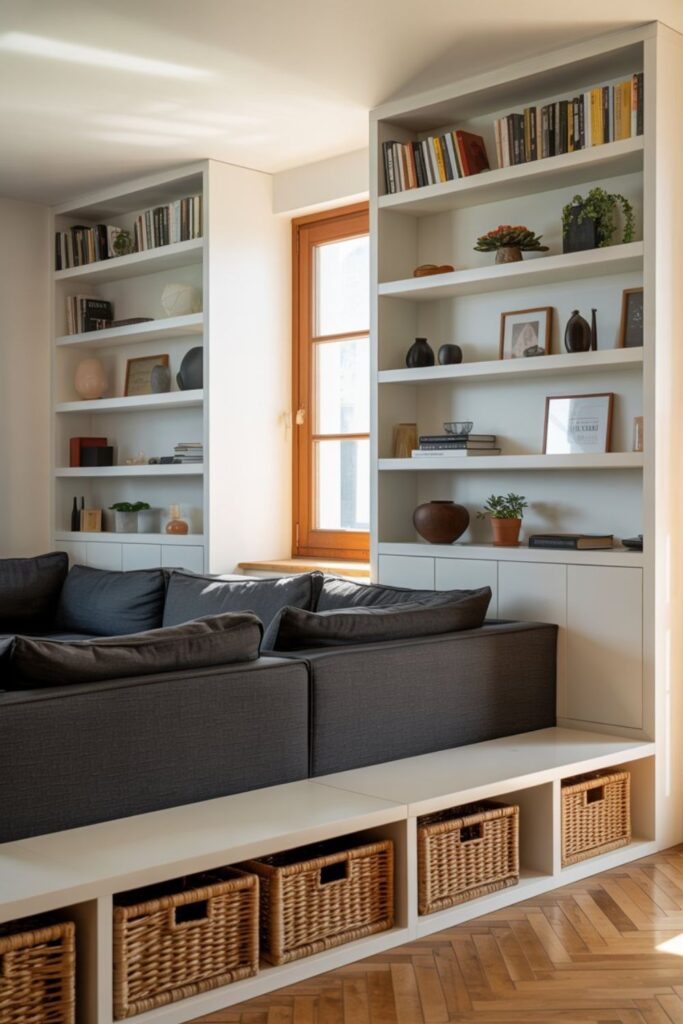
Vertical storage is a key strategy in small space living, capitalizing on often-wasted wall space by extending storage solutions upward rather than outward, preserving precious floor area while dramatically increasing capacity. In small space living, installing floor-to-ceiling shelving systems, wall-mounted cabinets, or modular units that reach ceiling heights allows you to store frequently used items at convenient levels while relegating seasonal or rarely needed belongings to higher shelves. This vertical approach in small space living proves particularly effective in kitchens, bathrooms, and home offices, where conventional storage cabinets consume valuable floor space that could better serve other functions.
Under-utilized spaces offer untapped potential in small space living, hiding storage opportunities in areas most people overlook—from under beds and staircases to above doorways and inside furniture. In small space living, investing in bed risers that elevate mattresses 12-18 inches creates room for rolling storage bins holding off-season clothing, extra linens, or hobby supplies. Building or installing narrow shelving above doors throughout the home maximizes these dead spaces for books, decorative items, or storage baskets. Hollow ottomans, storage benches, and coffee tables with lift-tops transform functional furniture into hidden storage, keeping living areas clutter-free while maintaining clean aesthetics in small space living environments.
Closet and Cabinet Organization
Closet optimization multiplies storage through strategic systems that utilize every cubic inch rather than allowing wasted space above hanging clothes or in awkward corners. Install double hanging rods for shirts and pants, stacking garments vertically instead of using single rods that waste upper space. Add shelf dividers preventing stacked clothing piles from toppling, slim hangers maximizing rod capacity, and over-door organizers for shoes, accessories, or cleaning supplies. Consider modular closet systems adjustable to changing needs, accommodating everything from seasonal wardrobe rotations to life transitions requiring different storage configurations.
Kitchen cabinet efficiency improves dramatically through pull-out shelves, lazy Susans, door-mounted racks, and tiered organizers that eliminate deep-cabinet black holes where items disappear. Install tension rods vertically in cabinets creating dividers for baking sheets, cutting boards, and pot lids that otherwise stack awkwardly. Use drawer organizers separating utensils and tools, preventing jumbled messes requiring excavation finding specific items. Magnetic knife strips, hanging pot racks, and wall-mounted spice systems free drawer and cabinet space while keeping frequently used items immediately accessible during meal preparation.
What Furniture Works Best in Small Spaces?
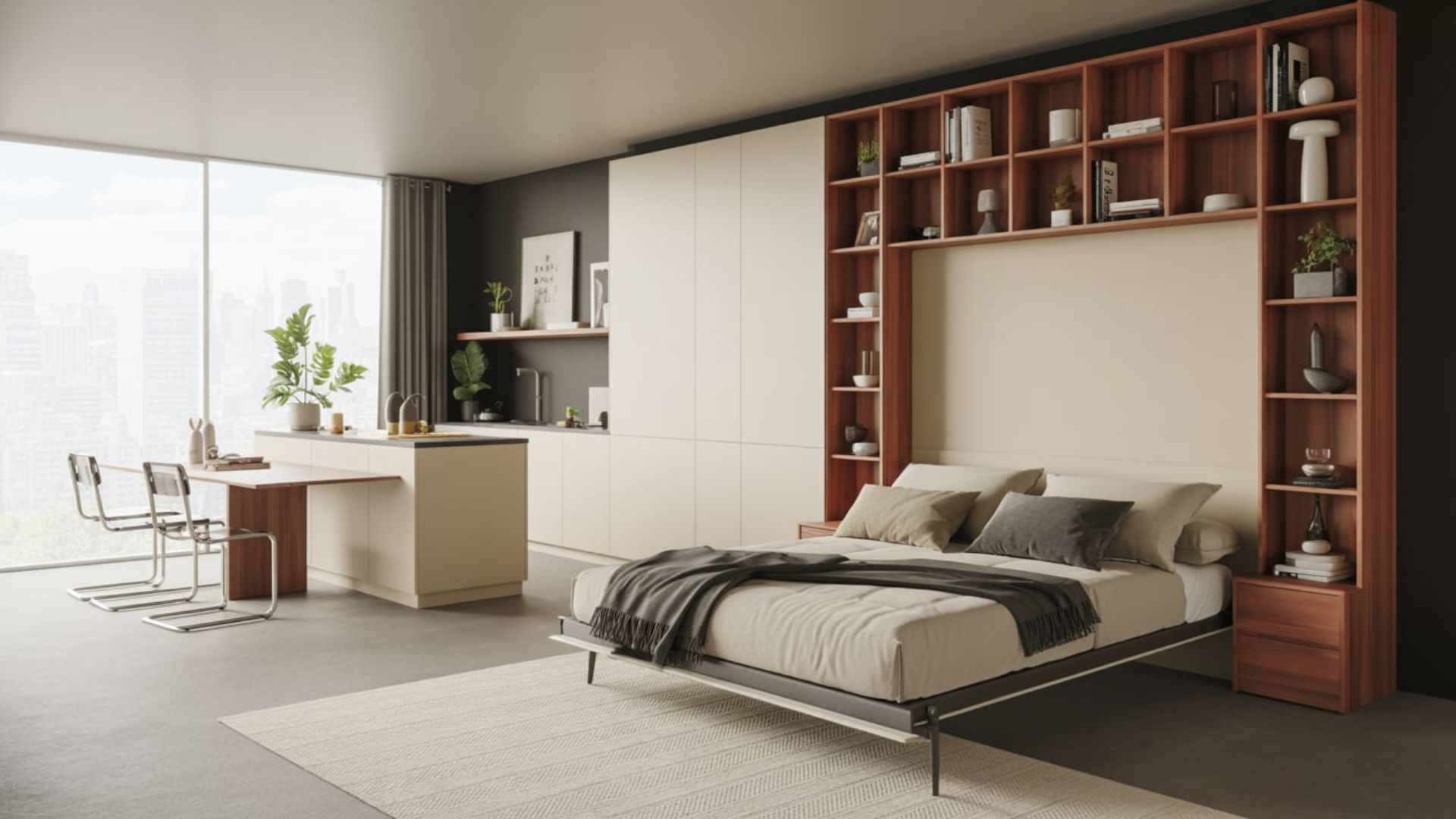
Murphy beds revolutionize small space living in studio and one-bedroom apartments by transforming sleeping areas into functional living spaces during waking hours through wall-mounted beds that fold up when not in use. Modern small space living solutions include murphy bed systems with integrated shelving, desks, or sofas, maintaining room functionality when beds are stored and eliminating the traditional “bed dominates the room” problem that often plagues small bedrooms. While initial costs run higher than conventional beds, the space liberation in small space living justifies the investment for anyone committed to maximizing limited square footage through permanent solutions.
Expandable dining tables are another essential tool in small space living, providing full-size dining when entertaining while shrinking to console or desk dimensions for everyday use. These tables solve the space-versus-functionality dilemma in small space living that forces many residents to eat meals on coffee tables or laps. Drop-leaf tables, butterfly-leaf designs, and nesting tables all offer flexibility for varying needs throughout the week without permanently dedicating precious square footage to occasional large-group dining. Look for designs with built-in storage for leaves and extensions, further enhancing small space living by eliminating the need for separate storage that consumes additional room.
Read More About: 21+ Creative Vegetable Garden Ideas for Small Spaces
Modular and Convertible Furniture
Sectional sofas adapt to changing layouts and needs through separate components that rearrange into various configurations rather than fixed-format traditional sofas that limit furniture arrangement flexibility. These versatile pieces can transform from L-shaped loungers to straight sofas or separate chairs depending on room requirements and evolving preferences. Choose compact sectionals with storage ottomans serving as additional seating during gatherings, then removing to open floor space when hosting crowds or creating play areas for children.
Nesting tables and stackable seating provide flexibility having multiple pieces available when needed while storing compactly when not in use, essential for small homes that lack dedicated storage areas. Nesting coffee tables deploy for entertaining then tuck away preserving floor space, while stackable stools serve as extra seating during parties before stacking in closets or corners afterward. This expandable-contractible approach lets small spaces accommodate varying functional demands without permanent space commitments to occasional-use furniture that sits idle most of the time.
How Do You Create Zones in Studio Apartments?
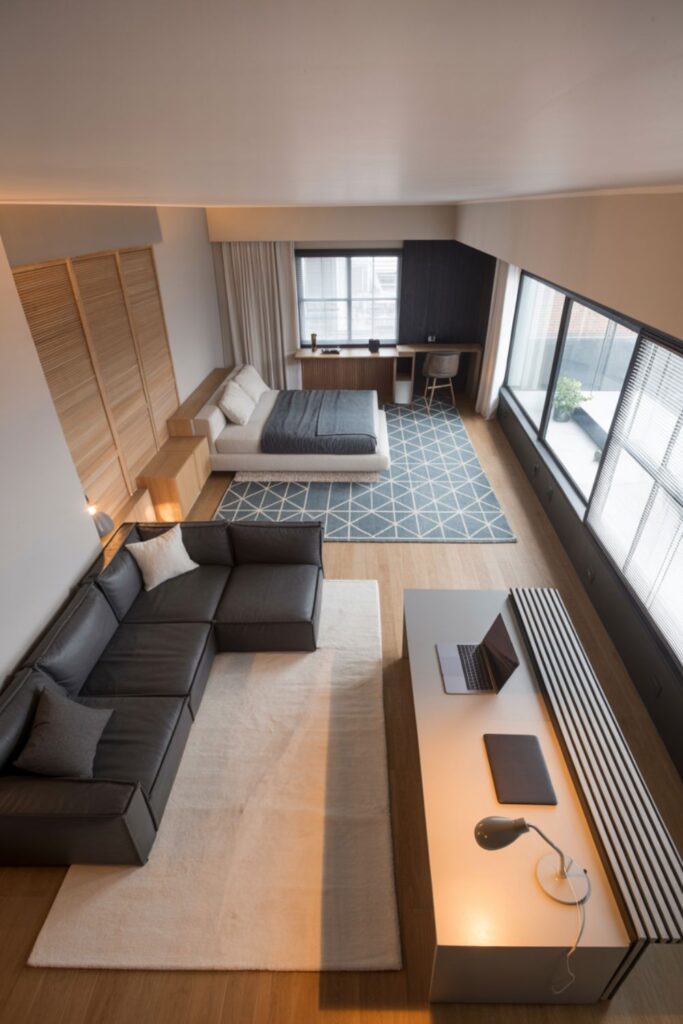
Room dividers are essential in small space living, defining distinct functional areas without solid walls that would create cramped, cave-like compartments in already limited floor plans. In small space living, tall bookcases positioned perpendicular to walls create visual separation between sleeping and living areas while providing valuable storage and display space. Curtains hung from ceiling-mounted tracks offer flexible division in small space living, opening completely when spaciousness matters or closing for privacy when needed. Folding screens add architectural interest while remaining movable, adjusting to different configurations as needs change or furniture arrangements evolve in small space living environments.
Furniture placement is a critical strategy in small space living, establishing implied zones through strategic positioning that suggests distinct areas even without physical barriers. In small space living, position sofas with backs toward sleeping areas, psychologically separating spaces while maintaining open sightlines that preserve the studio’s airy quality. Create subtle flooring transitions using area rugs to define living rooms, dining areas, or work zones in small space living through textural and color changes, visually designating purposes without constructing permanent divisions. Angle furniture slightly rather than aligning everything with walls, creating interest and definition that flat arrangements lack, enhancing overall small space living functionality.
Visual and Functional Separation
Color and lighting differentiate zones through strategic variations that communicate changing functions without architectural barriers consuming precious square footage. Paint or wallpaper accent walls behind beds establishing sleeping zones visually distinct from neutral-painted living areas. Use different lighting fixtures in each zone pendant lights over dining tables, floor lamps in reading corners, task lighting at desks creating functional and psychological separation through illumination rather than walls. These subtle cues help brains process distinct areas despite open plans, making studios feel more like complete apartments than single rooms.
Elevated platforms create dramatic spatial definition by physically raising sleeping or lounging areas 12-24 inches above main floors, establishing clear hierarchies and functional zones. Build platforms with integrated storage drawers underneath maximizing utility while creating architectural interest that draws eyes and defines space powerfully. This strategy works particularly well in studios with sufficient ceiling heights to accommodate elevation without creating oppressive low-clearance situations. Steps leading to platforms can incorporate additional storage or seating, extracting maximum functionality from structural elements that primarily serve spatial organization purposes.
What Are the Best Small Kitchen Solutions?
Appliance downsizing replaces standard full-size units with compact alternatives saving substantial space without sacrificing essential functionality for small households. Apartment-size refrigerators (18-24 inches wide) provide adequate capacity for 1-2 people while freeing 6-12 inches compared to standard models. Countertop convection ovens or toaster ovens often suffice for small households, eliminating full-size range needs while consuming minimal counter space. Portable induction cooktops stored when not in use create flexible cooking surfaces appearing only when needed, then disappearing into cabinets liberating counters for food preparation.
Magnetic knife strips and wall-mounted storage free valuable drawer and counter space by vertically organizing frequently used items within arm’s reach. Mount rails holding utensils, paper towel holders, spice racks, and cutting boards on backsplash areas or empty wall sections transforming vertical surfaces into functional storage. Hang pots and pans from ceiling-mounted racks in kitchens with adequate height, or use wall-mounted systems keeping cookware accessible while decorating kitchens with attractive copper or stainless finishes. These solutions maintain clean counters and empty drawers for items that truly require enclosed storage.
Counter and Prep Space Expansion
Rolling kitchen carts serve as mobile islands providing additional prep surfaces, storage, and serving stations that tuck into corners or closets when not needed. Choose carts with butcher block or granite tops creating durable work surfaces matching counter heights for seamless workflow. Models with wine racks, towel bars, knife blocks, and shelving maximize utility beyond simple counter expansion. Position carts centrally during cooking sessions creating U-shaped workflows, then roll them aside opening floor space for dining or entertaining once meal preparation completes.
Over-sink cutting boards double usable counter space by creating preparation surfaces spanning sink basins typically wasted during non-washing activities. These specialty boards rest on sink edges providing stable surfaces for chopping vegetables, mixing ingredients, or staging prepared foods before cooking. Colander-style versions with perforations allow direct rinsing without moving ingredients to sinks, streamlining workflows in kitchens where every motion matters due to limited space. When not in use, boards lean behind refrigerators or hang on walls occupying minimal storage space considering the functionality they provide.
How Do You Make Small Bathrooms Feel Larger?
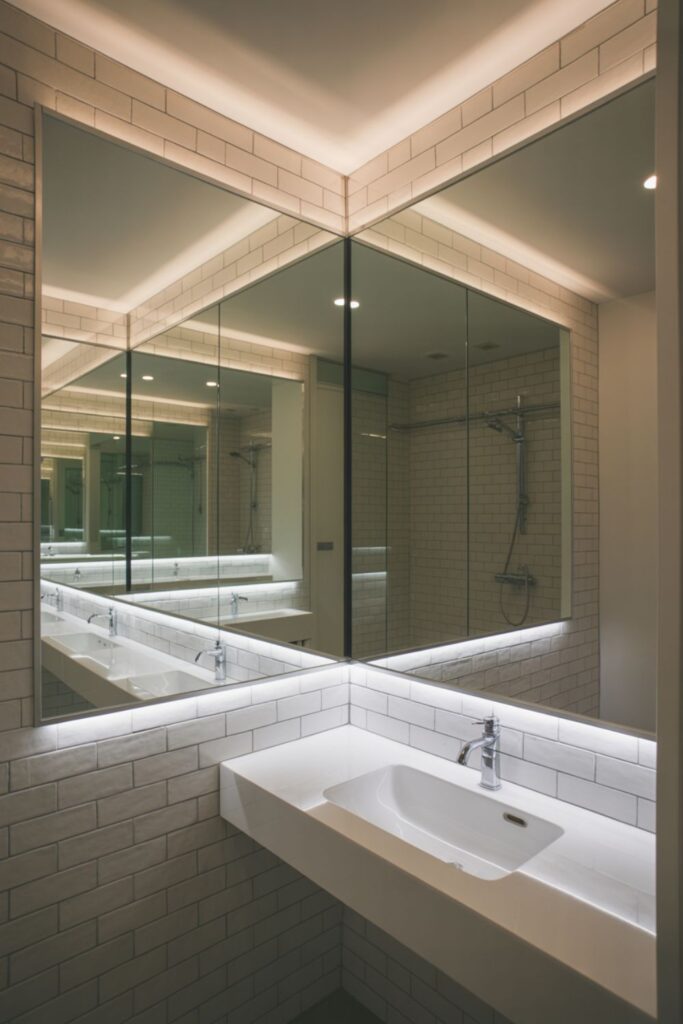
Pedestal sinks or wall-mounted vanities create visual openness by exposing floor space that traditional cabinet vanities hide, making small bathrooms feel less cramped despite reducing storage capacity. Floating vanities achieve similar effects while retaining some storage, mounting to walls with open space underneath creating illusions of expanded floor area. However, lost storage requires compensating through medicine cabinets, over-toilet shelving, or creative organizational solutions preventing bathroom essentials from cluttering limited counter space.
Glass shower doors rather than opaque curtains or frosted enclosures allow eyes to travel through entire bathrooms without visual barriers that make spaces feel choppy and confined. Clear glass maximizes perceived size though requires more frequent cleaning maintaining sparkle. Frameless designs create particularly seamless, modern aesthetics eliminating chunky frames that visually fragment spaces. For privacy concerns in shared bathrooms, consider frosted lower portions with clear uppers maintaining openness while providing modesty where it matters most.
Large mirrors expand small bathrooms dramatically through reflections that essentially double perceived space while amplifying natural and artificial light throughout rooms. Install mirrors extending full wall widths above vanities rather than small medicine cabinets that waste reflection potential. Consider mirror walls opposite windows capturing and distributing natural light that would otherwise terminate at single surfaces. Frame mirrors minimally or skip frames entirely, preventing visual weight that diminishes expansion effects mirrors provide in tight quarters.
Color and Material Strategies
Monochromatic color schemes unify small bathrooms through limited palettes that eliminate visual fragmentation occurring when multiple colors break spaces into distinct sections. All-white bathrooms feel clean, bright, and spacious, while gray, beige, or even black monochromatic designs create sophisticated appearances without compromising size perception. Introduce texture and pattern through tiles, textiles, and accessories maintaining color consistency, preventing monotony without sacrificing cohesive expansion effects unified palettes provide.
Large-format tiles minimize grout lines that visually divide surfaces into small sections, creating cleaner appearances that read as more spacious than busy patterns created by numerous small tiles. Use 12×24 inch or larger tiles on floors and walls, running them in consistent directions throughout bathrooms for maximum continuity. Light-colored tiles reflect more light than dark alternatives though darker colors work successfully when surfaces remain uncluttered and lighting is abundant. Extend floor tiles into shower areas without transitioning to different materials, maintaining visual flow that expands perceived bathroom dimensions.
What Are Space-Saving Bedroom Ideas?
Platform beds with storage combine sleeping and organization functions through integrated drawer systems, lift-up mattress platforms, or bookcase headboards that eliminate needs for separate dressers or nightstands. Drawers built into bed bases hold clothing, linens, or shoes keeping bedrooms clutter-free without consuming additional floor space. Captain’s beds featuring drawers on both sides plus footboard storage compartments maximize every inch beneath mattresses, critical in bedrooms lacking closets or where closet space must accommodate multiple people’s belongings.
Wall-mounted nightstands float beside beds providing surfaces for lamps, phones, and bedtime reading without floor-standing furniture that consumes precious space and makes rooms feel cluttered. These minimal solutions often include small drawers or shelves holding essentials while maintaining open floor areas that simplify cleaning and create visual lightness. Alternatively, narrow console tables 8-10 inches deep serve as nightstands without protruding substantially into traffic paths, particularly effective for beds positioned against walls rather than centered in rooms.
Closet Alternatives and Organization
Wardrobe armoires substitute for missing closets in older buildings or studio apartments, providing hanging space, shelving, and drawer storage in freestanding furniture pieces. Choose tall, narrow models maximizing vertical space rather than wide, short units consuming excessive floor area. Armoires with mirrored doors serve double duty reflecting light and creating spatial illusion alongside storage functions. Position them strategically functioning as room dividers when placed between sleeping and living areas, adding utility beyond pure clothing storage.
Clothing racks embrace minimalist aesthetics while providing visible, accessible garment storage that actually helps small-space dwellers maintain organized, edited wardrobes. Rolling racks offer flexibility moving between rooms as needed, while wall-mounted systems save floor space though require permanent installation. These open-storage solutions work particularly well for people who prefer capsule wardrobes or seasonal rotations, making conscious clothing decisions easier when entire collections remain visible rather than hidden in overstuffed closets where items get forgotten and never worn.
How Do You Maximize Natural Light in Small Spaces?
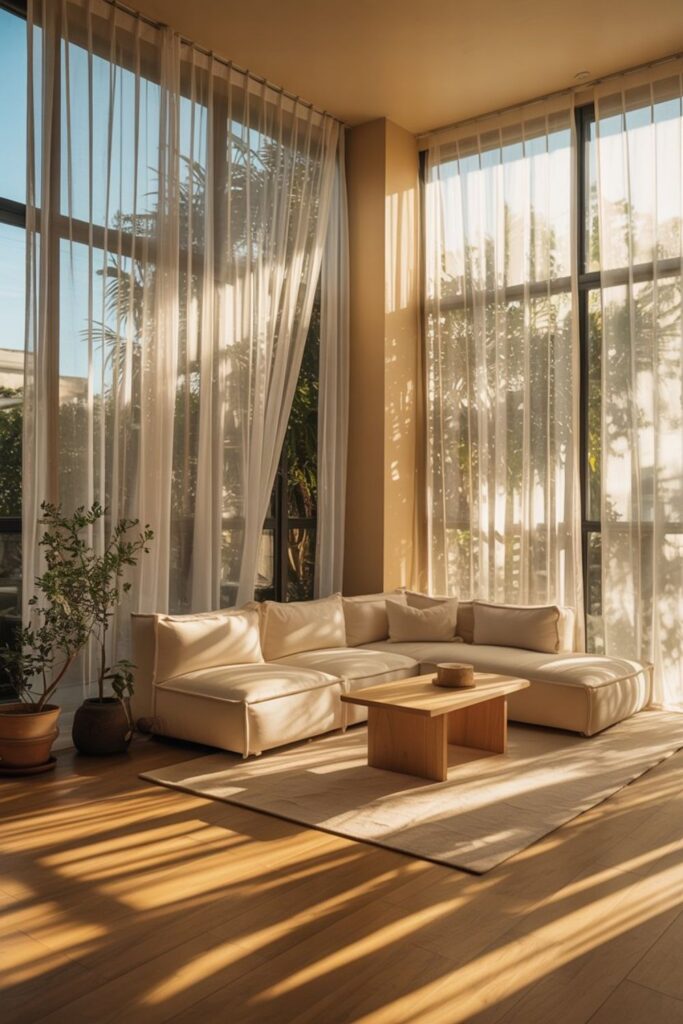
Window treatment selection balances privacy needs against light maximization, favoring solutions that maintain brightness while preventing unwanted views inward. Sheer curtains filter light gently while obscuring details from outside viewers, cellular shades provide insulation and privacy when lowered but open completely admitting full light when raised, and cafe curtains cover only lower window portions allowing upper sections to flood interiors with daylight. Avoid heavy drapes or dark colors that absorb light and create visual weight inappropriate for spaces needing brightness and airiness.
Reflective surfaces amplify available natural light through strategic placement bouncing illumination throughout rooms rather than allowing it to be absorbed by matte finishes. Glossy paint finishes, metallic accents, glass furniture, and lacquered pieces all reflect light increasing overall brightness. Position mirrors opposite or adjacent to windows capturing and redirecting natural light into darker corners and interior areas lacking direct window access. Even small reflective accessories like chrome lamps, glass vases, or metallic picture frames contribute to cumulative brightening effects that help small spaces feel open and inviting.
Interior door solutions maintain light flow between rooms through glass-paneled doors, French doors with large window sections, or eliminating doors entirely where privacy isn’t critical. Frosted or textured glass provides obscurity while transmitting light, perfect for bathrooms or bedrooms needing separation without darkness. Pocket doors sliding into walls rather than swinging open save space while allowing complete closure when necessary, though installation requires wall modifications that rental situations may not permit. For ultimate openness, replace doors with curtains or barn-style sliding doors that visually lighten transitions between spaces.
Artificial Lighting Strategies
Layered lighting combines ambient, task, and accent illumination creating dimensional, well-lit environments that feel spacious and functional throughout day and night. Overhead fixtures provide general ambient light, table and floor lamps deliver task lighting for reading or working, and picture lights or LED strips add accent illumination highlighting architectural features or collections. This varied approach eliminates harsh overhead-only lighting that creates flat, uninviting atmospheres while allowing customized illumination levels matching activities and moods.
LED strip lighting installed under cabinets, along shelves, or behind furniture creates ambient glow that expands perceived space through indirect illumination that visually extends boundaries beyond physical walls. These flexible, low-profile fixtures consume minimal electricity while producing substantial light, making them economical for always-on accent lighting. Color-changing LED strips allow mood customization, though warm white (2700-3000K) typically creates most flattering, comfortable environments for residential settings. Hide power supplies and wiring carefully maintaining clean aesthetics that indirect lighting provides.
Read More About: Raised Bed Gardening to Build, Plant And Maintain Productive Gardens
What Mistakes Should You Avoid in Small Space Living?
Oversized furniture destroys small space functionality by consuming excessive floor area while creating cramped traffic patterns and visual oppression. That sectional sofa dominating your studio makes the space feel smaller rather than larger despite providing ample seating. Scale furniture appropriately for room dimensions apartment-size sofas (72-76 inches), armless chairs, and low-profile pieces maintain openness while fulfilling functional needs. When uncertain whether furniture fits, create paper templates matching furniture footprints testing placement before purchasing or moving heavy items into spaces only to discover they overwhelm rooms.
Excessive pattern and color overwhelms small spaces creating visual chaos that makes rooms feel busy, cluttered, and smaller than minimal cohesive designs occupying identical square footage. While accent walls, patterned textiles, and colorful accessories add personality and interest, too many competing elements fragment spaces visually preventing eyes from reading rooms as unified wholes. Limit bold patterns to 1-2 locations per room, maintain consistent base colors throughout, and remember that visual calm typically expands small spaces more effectively than busy, stimulating environments.
Storage and Organization Pitfalls
Inadequate storage planning dooms small space living from the outset when insufficient consideration goes into where belongings will actually reside, leading to perpetual clutter and frustration. Before moving into small spaces, honestly assess possessions calculating required storage volume, then design or acquire adequate systems accommodating everything properly. Failing this planning results in items scattered across surfaces, stacked in corners, or stuffed into inappropriate locations creating ongoing organizational headaches that undermine quality of life in otherwise functional spaces.
Visible clutter accumulation destroys carefully designed small spaces faster than any other single factor, making even spacious apartments feel cramped when surfaces overflow with miscellaneous items. Adopt daily habits returning items to designated homes, processing mail immediately rather than piling it, and completing quick cleaning tasks preventing small messes from becoming overwhelming projects. This discipline proves non-negotiable in small spaces lacking large homes’ capacity to absorb disorder in out-of-sight areas where it doesn’t immediately impact daily life and aesthetic enjoyment.
Frequently Asked Questions
How do you make a small apartment look bigger?
Visual expansion techniques include using light colors throughout, maximizing natural light, hanging curtains near ceilings to emphasize height, using large mirrors strategically, keeping floors visible through minimal furniture, and maintaining consistent color palettes eliminating visual fragmentation. Furniture selection matters enormously, choosing appropriately scaled pieces with exposed legs showing floor beneath them, glass or lucite furniture that maintains visual openness, and multipurpose items reducing total furniture quantity cluttering spaces.
What size furniture is best for small spaces?
Apartment-size furniture typically measures 10-20% smaller than standard dimensions sofas around 72-76 inches instead of 84-96 inches, dining tables seating four comfortably in 36-48 inch rounds or squares instead of larger formats. Prioritize furniture with exposed legs showing floor beneath, slim profiles with shallow depths, and vertical rather than horizontal orientation maximizing functionality without consuming excessive floor area. Always measure spaces and doorways before purchasing, ensuring furniture actually fits through entry points, a surprisingly common oversight causing expensive return hassles.
How do you organize a studio apartment?
Studio organization requires creating distinct zones through furniture placement, room dividers, or rugs defining functional areas without permanent walls. Maximize vertical storage with floor-to-ceiling shelving, use multifunctional furniture extensively, and maintain disciplined clutter control through regular purging and one-in-one-out purchasing rules. Invest in bed solutions incorporating storage, create kitchen efficiency through wall-mounted systems, and use consistent organizing products throughout maintaining visual cohesion that helps small spaces feel intentional rather than chaotic.
What are the benefits of small space living?
Advantages include lower housing costs freeing income for experiences and savings, reduced cleaning and maintenance time, smaller environmental footprints through reduced resource consumption, and forced simplicity eliminating unnecessary possessions that accumulate in larger homes. Small space living often positions people in vibrant urban areas with walkable amenities, reducing car dependence while increasing community connection. The lifestyle encourages intentional living, mindful consumption, and focus on quality over quantity throughout possessions and experiences.
How do you live comfortably in 400 square feet?
Extremely small space living requires ruthless editing, keeping only essentials and beloved items, maximizing every inch through vertical storage and multifunctional furniture, and maintaining vigilant organization preventing clutter accumulation. Choose bed solutions incorporating storage, eliminate unnecessary furniture, use walls and vertical space extensively, and consider whether items could be borrowed or rented rather than owned. Success in very small spaces requires lifestyle adaptation embracing minimalism, frequent outdoor time, and comfort with cozy intimate environments rather than spacious spreads.
Conclusion
Small space living offers remarkable opportunities for intentional, simplified lifestyles when approached with strategic design thinking, smart furniture selection, and organizational discipline that maximizes every square foot. By implementing proven space-saving solutions including multifunctional furniture, vertical storage systems, and visual expansion techniques that trick eyes into perceiving greater spaciousness, you transform compact homes from cramped compromises into comfortable, attractive sanctuaries perfectly suited to modern life. Whether you’re inhabiting small spaces by choice or necessity, the principles remain constant: edit ruthlessly, choose quality over quantity, maximize functionality through clever design, and maintain organizational systems preventing clutter accumulation that destroys carefully planned spaces.
The most successful small space dwellers view limitations as creative challenges rather than insurmountable obstacles, finding innovative solutions that actually improve quality of life compared to sprawling homes requiring constant maintenance, cleaning, and financial resources. Start with foundational elements like appropriate furniture sizing, adequate storage planning, and light maximization, then layer personality through carefully curated accessories, artwork, and textiles that express individuality without overwhelming limited square footage. Your small space becomes a perfectly edited reflection of what truly matters when you eliminate everything extraneous, creating homes that feel spacious, organized, and deeply personal regardless of actual dimensions measured in square feet.