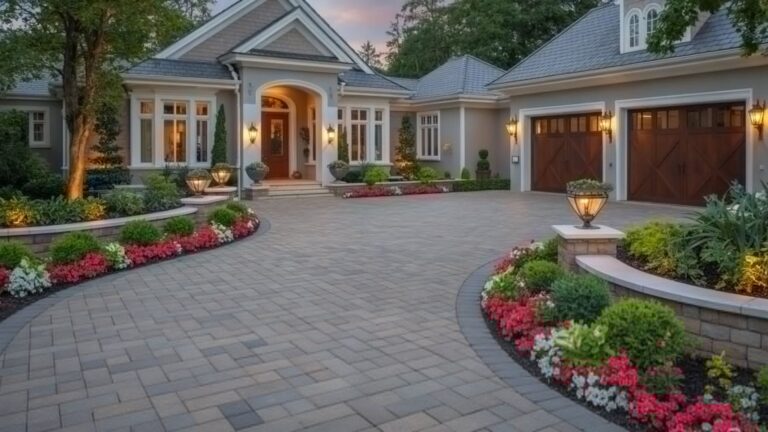
27+ Stone In Garden Ideas for Stylish Outdoors

Your garden lacks structure and visual interest despite healthy plants growing throughout beds. The space feels flat and one-dimensional, offering nothing compelling during winter months when perennials disappear and color fades. You’ve invested time nurturing plants, but the overall landscape still appears unfinished and amateur compared to gardens featuring striking stone elements that command attention year-round.
Walking through botanical gardens and upscale neighborhoods reveals how masterfully placed stones create permanent architectural bones supporting seasonal plantings. These established landscapes showcase defined pathways, dramatic focal points, elegant borders, and sophisticated features that your garden desperately needs. The contrast between their polished, professional appearances and your basic planted beds feels discouraging. You’ve considered adding stone elements but feel overwhelmed by options, uncertain where to start, and worried about costly mistakes that can’t be easily reversed like planting errors.
The solution lies in understanding proven stone in garden ideas that blend functionality with artistic expression while matching your skill level and budget. Stone applications range from simple afternoon projects to ambitious weekend undertakings, all delivering permanent improvements that elevate gardens from ordinary to extraordinary. You don’t need professional landscaping experience or unlimited resources to incorporate natural stone effectively, just strategic planning, creativity, and willingness to invest physical effort. These timeless elements provide structure, reduce maintenance, solve practical problems, and create visual interest that transcends seasons, ensuring your garden maintains appeal even when flowers fade and foliage disappears during dormant periods.
Read More About: 20+ Landscaping Ideas With Pots for Outdoor Spaces
How to Create Natural Stone Pathways That Define Garden Spaces
Stone pathways serve as essential features in outdoor spaces, acting as garden circulatory systems that guide movement while creating visual structure connecting different landscape zones. Among the top stone in garden ideas, well-designed pathways dramatically impact both functionality and aesthetic cohesion, requiring thoughtful planning to enhance the overall flow of your garden.
Flagstone stepping stone paths exemplify classic stone in garden ideas, offering informal elegance perfect for naturalistic gardens and cottage-style landscapes. Space individual stones 18–24 inches apart along desired routes, allowing groundcovers like creeping thyme, Irish moss, or miniature mondo grass to fill gaps between pavers. This soft, romantic approach blends pathways seamlessly with planted areas rather than creating hard divisions. Choose flagstone pieces at least 2 inches thick for stability underfoot, setting them slightly above surrounding soil to prevent grass encroachment. Irregular, naturally shaped flagstones create organic appearances, enhancing casual garden designs. The Royal Horticultural Society recommends burying stones one-third their depth for long-term stability without shifting or rocking an essential tip for successful stone in garden ideas.
Mortared stone walkways offer permanent, formal solutions for high-traffic areas and represent a refined approach among stone in garden ideas. Excavate pathways 6–8 inches deep, install compacted gravel bases, and top with concrete foundations supporting mortared stone surfaces.
This professional method requires more skill and investment but produces heirloom-quality results lasting generations. Use uniform flagstone for formal straight pathways or varied shapes for curved routes with a natural look. Narrow joints create contemporary aesthetics, while wider joints with contrasting mortar provide Old World charm. Proper drainage is essential to prevent pooling and freeze-thaw damage, ensuring these formal stone in garden ideas remain durable over time.
Loose stone pathways using gravel, crushed rock, or pea gravel provide quick, affordable alternatives, making them practical stone in garden ideas for budget-conscious projects. Dig pathways 4–6 inches deep, line with landscape fabric, add a 2–3 inch crushed stone base, then top with 2 inches of decorative gravel. Edge the paths with larger stones, metal borders, or plants to define boundaries clearly. These permeable surfaces manage stormwater sustainably while producing satisfying crunching sounds underfoot. Maintenance includes periodic raking, weed removal, and replenishing as stones migrate gradually. According to the University of California Agriculture and Natural Resources, gravel pathways cost 60–75% less than solid stone alternatives while offering comparable aesthetic appeal, making them ideal stone in garden ideas for functional beauty.
Combination pathways that mix materials are among the most creative stone in garden ideas, offering both visual interest and practical benefits. Alternate flagstone sections with gravel panels, or set rectangular bluestone pieces in pea gravel to create formal geometry. Add brick or cobblestone borders along flagstone paths for color contrast and edge definition. These hybrid approaches allow imaginative solutions while addressing budget constraints, using premium stones sparingly with affordable filler materials. This strategy stretches resources without sacrificing the overall impact, showcasing some of the most innovative stone in garden ideas in modern landscaping.
Creative Stone Border and Edging Designs for Garden Beds
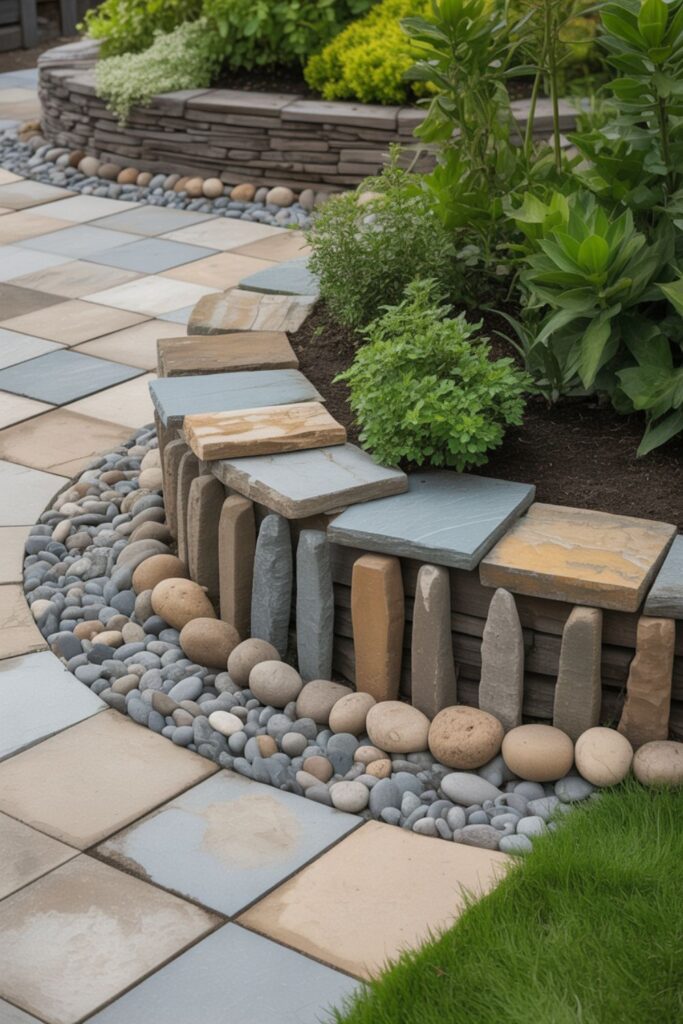
Stone landscaping borders serve multiple purposes, helping to define planting areas, contain mulch, prevent grass invasion, and create smooth visual transitions between lawns and garden beds. Among the top stone in garden ideas, edging choices significantly influence maintenance demands and overall aesthetic polish, making clear zone definition essential in well-designed landscapes.
Stacked stone borders are classic stone in garden ideas, offering rustic, cottage-style edges ideal for informal gardens and naturalistic landscapes. Use flat fieldstones or irregular flagstone pieces, stacking two to three layers high along bed perimeters. No mortar is needed; gravity and proper stone selection maintain stability when the bottom stones are set firmly in shallow trenches. This dry-stack approach allows easy modifications as garden designs evolve over the years. Varying stone sizes within stacks creates organic, “collected-over-time” appearances rather than uniform, manufactured looks. Plant low groundcovers in crevices to soften hard edges while adding living interest to structural elementson, e of the most charming stone in garden ideas for casual landscapes.
Vertical stone soldiers provide formal, architectural borders and rank among elegant stone in garden ideas suited for contemporary or traditional gardens. Select flat flagstones 6–12 inches tall and 1–2 inches thick, placing them vertically in narrow trenches along bed edges. Bury the bottom 3–4 inches and angle stones slightly inward for stability. Backfill and tamp soil firmly around bases to prevent movement. This technique works beautifully along curved beds where rigid materials might appear awkward. Sedimentary stones such as slate or sandstone are ideal due to natural layering that splits cleanly into thin pieces, creating clean lines while keeping plants as focal points.
River rock borders offer movable, low-effort solutions, making them practical stone in garden ideas for flexible garden layouts. Arrange basketball-sized or larger stones along bed edges, pressing them partially into soil for stability. This casual method suits naturalistic landscapes, Japanese-inspired gardens, and contemporary designs that favor simplicity. Gaps between rocks allow groundcovers or lawn edges to soften hard boundaries naturally. Larger stones create bolder statements with less clutter, embodying the “less is more” principle in landscape design. These unfixed borders adjust easily, accommodating garden expansions or redesigns without permanent commitments.
Cobblestone trenches deliver European-inspired edges with Old World charm, making them refined stone in garden ideas for formal beds. Dig narrow 4–6 inch wide trenches along perimeters, setting rounded cobblestones tightly together at soil level or slightly protruding. This method prevents grass invasion while providing mowing strips. Rounded tops shed water, preventing puddles and adding subtle texture. Cobblestone edging works well for formal herb gardens, rose beds, and historical landscape restorations. Although labor-intensive to install, these borders last indefinitely with minimal maintenance, requiring only occasional realignment after frost heaves.
Building Functional Stone Retaining Walls for Sloped Gardens
Retaining walls address erosion issues on slopes while creating level planting terraces, expanding usable garden space and enhancing landscape aesthetics. Among top stone in garden ideas, well-designed retaining walls provide both structural support and visual appeal when built thoughtfully with appropriate materials and techniques.
Dry-stack stone walls are classic stone in garden ideas, relying on friction and gravity rather than mortar to create naturalistic appearances perfect for terraced gardens and informal landscapes. Use flat stones with at least one straight edge for visible faces, reserving irregular pieces for interior fill. Build on solid, undisturbed soil or compacted gravel bases, placing large stones in bottom courses and tilting them slightly backward into the hillside for stability. Overlap joints between courses like brick patterns and include occasional “through stones” spanning the wall thickness to tie front and back faces together. This ancient technique allows water to drain through wall faces, preventing hydrostatic pressure buildup that can cause failure. The Stone Foundation recommends limiting dry-stack walls to 3–4 feet in height unless engineered professionally, a practical guideline for these stone in garden ideas.
Mortared retaining walls offer permanent solutions for significant height changes, making them among the most formal stone in garden ideas. Concrete footings below frost lines support walls, preventing shifting or cracking. This method requires more expertise than dry stacking but provides superior strength for walls exceeding 4 feet or supporting heavy loads. Incorporate drainage pipes (weep holes) at base levels to release water pressure, and face walls with attractive natural stones to conceal concrete cores if needed. Proper permits are often required for walls exceeding local height thresholds or supporting structures, emphasizing the importance of planning for these stone in garden ideas.
Terraced gardens using multiple low walls are creative stone in garden ideas, ideal for Mediterranean-inspired hillside plantings. Construct a series of 18–30 inch walls stepping down slopes to form level planting beds between tiers. This approach manages steep slopes more effectively than single tall walls while appearing less imposing visually. Each terrace creates microclimate opportunities: upper levels drain quickly, suitable for drought-tolerant plants, while lower levels retain moisture, benefiting thirstier species. Stone steps between levels provide functional connections and add architectural interest. The Tuscany region of Italy showcases mastery of terraced stone walls, transforming steep hillsides into productive gardens and vineyards, an inspirational example of stone in garden ideas.
Gabion walls represent modern stone in garden ideas, using wire cages filled with stones for modular, flexible structures. They stack easily, require minimal masonry skill, and allow natural drainage through the rock fill. Gabion walls fit contemporary landscapes, industrial-chic designs, and unstable soil conditions. Fill cages with matching stones for cohesive looks or mix materials for eclectic effects. Wire cages accommodate ground movement better than rigid mortared walls, making them ideal for earthquake-prone areas. Plant creeping species in upper cage layers to soften the industrial appearance over time, creating living, adaptive stone in garden ideas.
Designing Eye-Catching Stone Water Features and Fountains
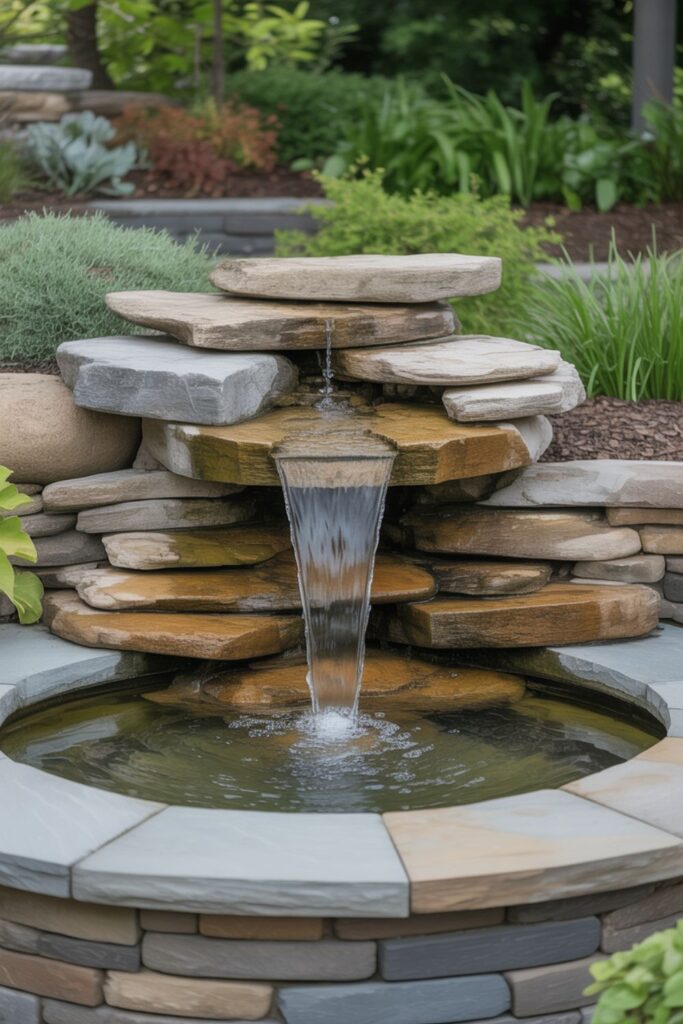
Water features incorporating stone elements are among the most captivating stone in garden ideas, creating sensory focal points that add movement, sound, and reflective beauty to outdoor spaces. The right selection of stones, ranging from simple bubbling rocks to elaborate cascading waterfalls, can transform a garden depending on ambition, budget, and available space.
Bubbling rock fountains represent beginner-friendly stone in garden ideas, providing a simple yet elegant water feature. Large boulders are drilled to create vertical channels, positioned over submersible pumps in underground reservoirs, and surrounded with river rocks to conceal mechanics. Water bubbles from the stone tops, trickling down surfaces into rock-filled basins below. These self-contained features require no ponds, consume minimal water through evaporation, and are safe for children due to the absence of standing water. Select stones with interesting shapes, textures, or colors that deserve focal point status, basalt columns add vertical drama, while rounded river boulders bring organic naturalism. Reservoir size determines refill frequency, with larger reservoirs reducing maintenance, making these fountains practical stone in garden ideas for small or medium gardens.
Pondless waterfalls are dynamic stone in garden ideas, using stacked stones to create cascading water effects without pond maintenance. Build stone walls or natural-looking outcroppings, installing liners behind structures to channel water over stone faces. Water collects in underground gravel-filled basins housing recirculating pumps. Flat flagstones create elegant water sheets, while rounded river rocks generate bubbling, tumbling effects. Conceal liner edges with overhanging stones and planted pockets for a natural look. These features range from modest 3-foot cascades to ambitious 10-foot installations depending on elevation changes and budgets, making them versatile stone in garden ideas.
Stone-edged garden ponds integrate seamlessly into landscapes when rimmed with carefully placed rocks, ranking among refined stone in garden ideas. Arrange large boulders and medium stones along pond perimeters, allowing some overhang to conceal liners. Vary stone sizes and orientations for natural formations rather than uniform circles. Tuck aquatic plants into shallow marginal shelves to soften edges, and add flat stones at water level as basking spots for frogs and dragonflies while providing functional access for maintenance. Submerged stones also support aquatic creatures and enhance biological balance, following recommendations from the National Wildlife Federation.
Japanese stone water basins, or tsukubai, provide meditative stone in garden ideas for small gardens and zen-inspired landscapes. Natural stone basins or carved granite bowls collect water from bamboo spouts or dripping stones, surrounded by carefully selected rocks and minimal plantings. These traditional features emphasize simplicity and natural beauty, fostering mindfulness and contemplative experiences. While authentic tsukubai follow centuries-old stone placement traditions, modern interpretations allow creative freedom while maintaining essential minimalist principles.
Creating Stunning Rock Gardens and Alpine Landscapes
Rock gardens celebrate stone as the primary design element, making them standout stone in garden ideas that showcase carefully arranged boulders and smaller stones alongside alpine plants, succulents, and dwarf specimens. A well-designed rock garden becomes a low-maintenance showpiece, blending geological drama with botanical beauty while emphasizing stones as the main focal point.
Boulder placement forms the foundation of many stone in garden ideas. Select 3–7 large specimen boulders as primary features, positioning them to mimic natural outcroppings rather than scattering randomly. Bury boulders one-third to one-half their depth to create the illusion they emerge naturally from the earth. Angle stones slightly backward to enhance visual stability and direct rainwater toward planting pockets. Group boulders in odd numbers and at varying distances to achieve natural formations. Step back frequently to evaluate views from multiple angles, as professional landscape designers spend hours positioning single boulders understanding their permanent impact is critical. The American Rock Garden Society offers detailed guidance on boulder selection and placement techniques, making these arrangements some of the most refined stone in garden ideas.
Planting pockets between stones accommodate alpine plants and succulents that require excellent drainage. Mix native soil with coarse sand and gravel to create gritty mediums resembling mountain scree, ideal for alpine growth. Shallow crevices suit tiny saxifrages and sempervivums, while deeper pockets house larger specimens. Position plants with their mature sizes in mind so they complement rather than overwhelm stone features. Emphasize foliage diversity through leaf shape, color, and texture, as many alpine species bloom briefly. Evergreen specimens provide year-round structure, ensuring that stone in garden ideas remain visually appealing even when other plants are dormant.
Gravel mulch unifies rock gardens aesthetically and offers practical benefits, making it a key element in stone in garden ideas. Spread 1–2 inches of small angular gravel that matches or complements larger stones across planting areas. Gravel suppresses weeds, improves drainage around plant crowns, prevents rot, and ties disparate elements together visually. It also moderates soil temperature and reflects light onto lower foliage. Choose gravel colors that harmonize with boulder tones for example, gray granite pairs beautifully with gray pea gravel, while warm sandstone coordinates with tan decomposed granite.
Miniature alpine landscapes are intricate stone in garden ideas, recreating mountain scenery in compact spaces. Incorporate dwarf conifers as evergreen anchors, position rocks to suggest cliff faces or ridges, and add tiny alpine wildflowers to complete the scene. These detailed compositions work well in containers, through-plantings, or small dedicated garden areas. Careful attention to scale is essential to ensure miniature plants remain proportional to rock sizes rather than being overpowered by ordinary specimens. This specialized style appeals to detail-oriented gardeners who enjoy intricate design challenges and plant collecting.
Innovative Stone Sculpture and Art Garden Ideas
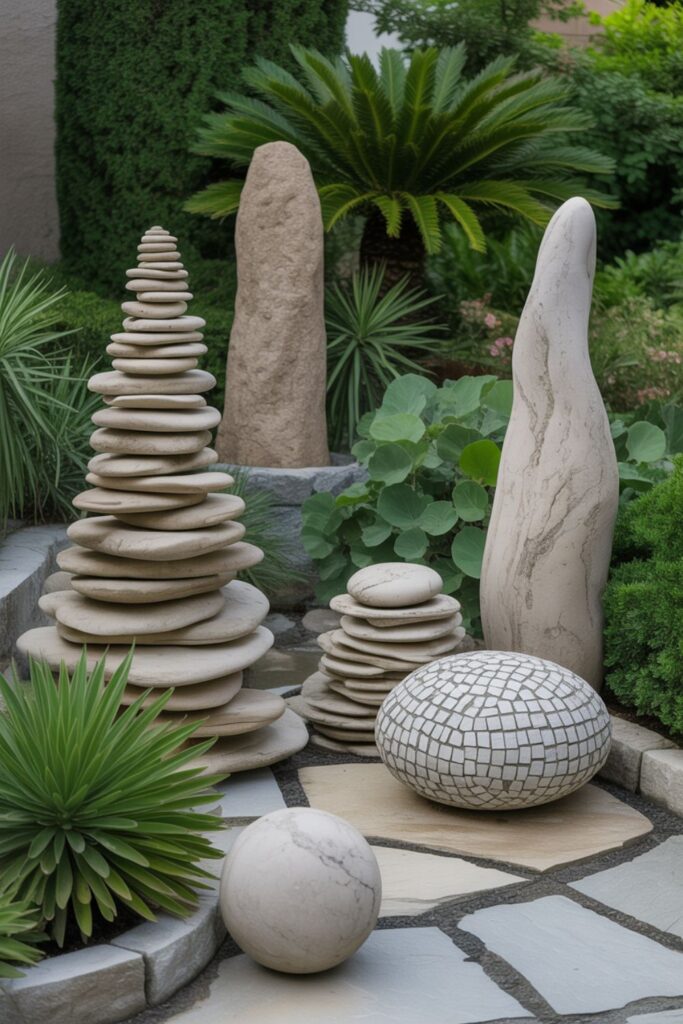
Decorative rock ideas extend beyond functional uses into artistic expression, making them standout stone in garden ideas that transform gardens into outdoor galleries and showcase stone’s sculptural potential. Creative installations allow personal statements while adding unique focal points impossible to replicate elsewhere.
Stacked stone cairns are classic stone in garden ideas, forming vertical sculptures without mortar or engineering. Balance flat stones atop each other, largest at the bottom progressing to smallest at the top. These ancient markers require patience to achieve stability, turning the process into a meditative practice. Cairns can mark pathway intersections, garden room transitions, or stand as freestanding art pieces. Their impermanent nature, easily toppled by wind or visitors, adds philosophical depth about impermanence and change. Gardeners may create multiple cairns in varying heights to establish rhythmic repetition, or feature a single commanding specimen. This low-cost project using found stones delivers high visual impact, exemplifying simple yet effective stone in garden ideas.
Stone spheres and orbs provide geometric sculptural accents, ranking among refined stone in garden ideas that contrast with organic plant forms. Purchase carved granite or marble spheres, or create DIY versions using concrete molds. Position them as focal points in formal gardens, at pathway termini, or nestled among plantings. Clusters of three spheres in graduated sizes create dynamic groupings following odd-number design principles. Smooth, spherical surfaces provide contemporary sophistication, contrasting beautifully with rough stone pathways or natural boulders. Partially bury larger spheres to create the illusion they emerge mysteriously from the earth, serving as punctuation marks in landscape compositions.
Natural stone monoliths are dramatic vertical accents, exemplifying bold stone in garden ideas. Select tall, narrow stones 3–6 feet high and position upright, partially buried for stability. These standing stones evoke prehistoric monuments such as Stonehenge or Celtic menhirs, adding timeless and mysterious qualities. Single monoliths command attention through scale and verticality, contrasting with horizontal landscape layers. Group multiple monoliths in circles or lines to create ceremonial spaces ideal for meditation or gathering areas. Ensure adequate burying depth typically one-third of total height to prevent toppling, and use heavy equipment as needed for safety when positioning large specimens.
Mosaic stone installations are intricate stone in garden ideas, creating detailed artistic focal points using colored pebbles arranged in patterns. Press small stones into wet mortar to form images, abstract designs, or text embedded in pathways or walls. This labor-intensive technique produces unique, permanent artwork impossible to replicate by other methods. Simple projects might include small circular medallions along paths, while ambitious designs can cover patios with elaborate scenes. Mixed river pebbles provide natural color palettes, or painted stones expand chromatic possibilities. Mosaic projects are particularly engaging for families, allowing children to participate and create personalized garden art while learning about stone in garden ideas.
Stone Solutions for Practical Garden Challenges
Stone in garden ideas solve numerous practical landscape challenges while enhancing aesthetics. Strategic stone applications address drainage issues, erosion control, and maintenance reduction, providing permanent and visually appealing solutions that improve both function and beauty in outdoor spaces.
Dry creek beds are among the most effective stone in garden ideas, managing stormwater runoff while preventing erosion and flooding. Excavate shallow channels following natural drainage patterns, line with landscape fabric, and arrange river rocks to mimic natural stream beds. Place the largest boulders along edges and curves to suggest water flow around obstacles, filling centers with progressively smaller stones where water moves fastest. Plant moisture-loving perennials along banks to stabilize soil and enhance naturalistic effects. These dry creek installations remain attractive even during dry periods while functioning effectively during storms. The Texas A&M AgriLife Extension Service highlights dry creek beds as sustainable stormwater solutions superior to concrete channels or underground drainage in residential landscapes.
Stone mulch is a practical stone in garden idea for high-maintenance or challenging areas, replacing grass or organic mulch with permanent, attractive ground covers. Apply stones beneath trees where grass struggles with shade and root competition, on steep slopes prone to erosion, or in narrow side yards inaccessible to mowers. Stone mulch eliminates mowing, reduces irrigation needs, and avoids annual replacement required by decomposing organic mulches. Select stone colors and sizes appropriate to each location larger river rocks for open spaces and smaller pea gravel for tight areas. Use landscape fabric underneath to prevent weeds and ensure long-term low-maintenance performance.
Gravel gardens are innovative stone in garden ideas embracing xeriscaping principles, combining drought-tolerant plants with stone ground covers. Replace thirsty lawns with gravel surfaces punctuated by Mediterranean plants, ornamental grasses, and succulents requiring minimal irrigation. Gravel conserves water, provides excellent drainage, moderates soil temperatures, and suppresses weeds effectively. While popular in arid western regions, gravel gardens also succeed in wetter climates when plants are carefully selected, as demonstrated by the Beth Chatto Gardens in England.
Stepping stone access paths are practical stone in garden ideas for maintaining planting beds without compacting soil and damaging roots. Place individual flat stones strategically, spacing 18–24 inches apart to allow comfortable access to all areas for weeding, deadheading, or harvesting. Unlike solid pathways that consume significant space, stepping stones disappear visually among plantings while providing stable footing. Stones should be at least 12 inches across to support comfortable single-foot placement. This simple solution transforms difficult-to-maintain beds into accessible, manageable spaces while adding subtle visual interest.
Japanese-Inspired Stone Garden Design Principles
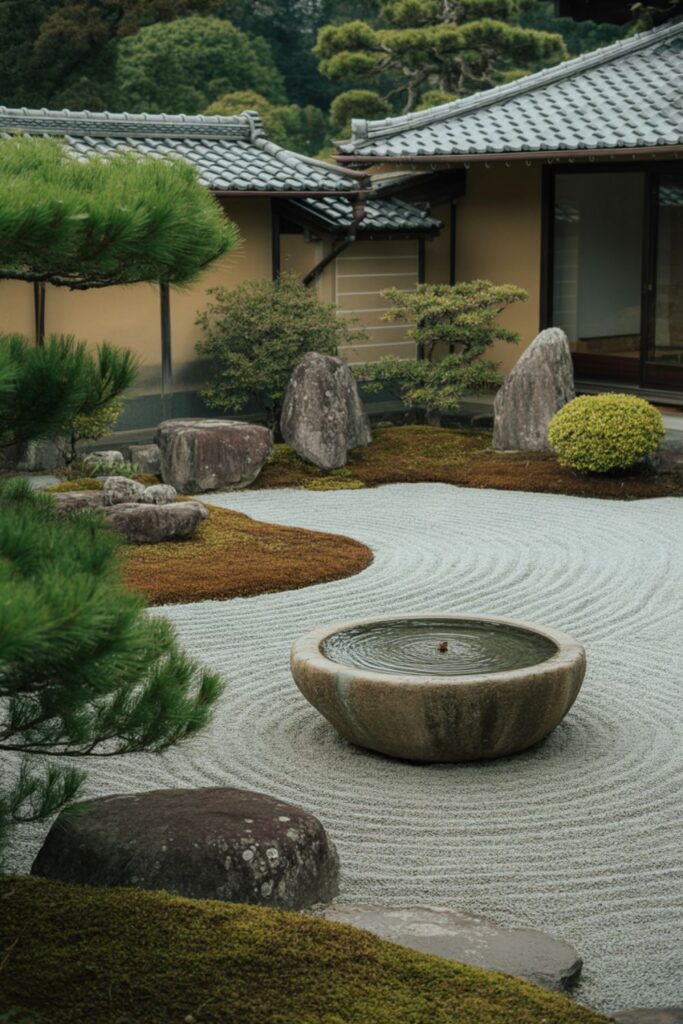
Japanese garden traditions offer centuries of wisdom regarding stone use, placement, and philosophical meaning. Your understanding of these principles elevates stone garden projects beyond random placement into meaningful compositions reflecting natural beauty and encouraging contemplation.
Stone represents mountains and islands in Japanese design philosophy, requiring careful selection and positioning. Choose stones with interesting weathering, attractive colors, or distinctive shapes worthy of contemplation. Position stones asymmetrically following triangular arrangements rather than centered or symmetrical placements Western designs often favor. The three-stone grouping called “Buddhist triad” appears throughout Japanese gardens one tall vertical stone flanked by two lower horizontal pieces suggesting Buddha with attendant bodhisattvas. These ancient compositional rules create balanced yet dynamic arrangements feeling naturally occurring rather than artificially designed. Kyoto temple gardens demonstrate stone placement mastery, with individual stones positioned precisely after hours of consideration.
Gravel raking patterns represent water in karesansui (dry landscape) gardens. Spread fine white or gray gravel 2-4 inches deep across designated areas, using specialized zen rakes creating parallel lines suggesting calm water or circular patterns evoking ripples around stones. This maintenance ritual becomes meditative practice requiring 10-15 minutes weekly. The temporary nature of raked patterns embraces impermanence wind, rain, and animals disturb designs requiring renewal. This constant recreation teaches acceptance of change and impermanence, core concepts in Buddhist philosophy underlying Japanese garden design. The act of raking itself provides contemplative focus clearing mental clutter.
Natural stone lanterns add architectural interest and symbolic lighting. Traditional designs include yukimi-gata (snow-viewing lanterns) positioned near water features, tachi-gata (pedestal lanterns) marking important pathways, and oki-gata (small lanterns) suitable for intimate spaces. Authentic Japanese lanterns carved from granite cost thousands, but concrete reproductions deliver similar aesthetics affordably. Position lanterns purposefully rather than randomly near water basins, at garden entries, or beside significant plantings. These elements originated practically lighting nighttime passages but evolved into primarily decorative and symbolic features representing enlightenment and spiritual illumination.
Stepping stone pathways called tobi-ishi control movement speed and viewing angles. Space stones deliberately require slowed pace and careful foot placement, encouraging mindful progression through gardens rather than hurried passage. This intentional design forces visitors experiencing gardens fully rather than quickly traversing. Vary spacing occasionally wider gaps demand attention preventing distraction, while closer groupings allow relaxed walking. Stone placement angles dictate viewing directions, positioning visitors facing important features at key moments. This sophisticated choreography transforms simple pathways into carefully orchestrated experiences revealing garden beauty sequentially.
Read More About: Best Garden Stones for Plant Displays
Budget-Friendly DIY Stone Garden Projects
Creative stone landscaping delivers impressive results without substantial investment when embracing resourceful sourcing and DIY approaches. Your budget limitations become opportunities for creativity rather than obstacles preventing beautiful stone gardens.
Scavenged stone collection from legal sources provides free materials for numerous projects. Walk creek beds finding river rocks, ask farmers for fieldstones removed from pastures, or collect stones from your own property during excavation projects. Ensure legal right to collect never take stones from protected areas, private land without permission, or environmentally sensitive locations. Cleaning collected stones removes soil and organic matter revealing natural beauty. This patient approach builds stone collections gradually, with each piece carrying memories of discovery adding personal significance beyond purchased stones. Ethical wildcrafting respects nature while connecting gardeners to regional geology and local materials.
Repurposed urbanite broken concrete offers free stone alternatives for pathways, walls, and borders. Demolition sites, construction projects, and your own patio removals generate abundant materials. Select flat, attractive pieces resembling natural flagstone, rejecting rebar-containing concrete posing safety hazards. Stack urbanite creating rustic walls, lay as pathway pavers, or use as edging material. The irregular shapes and weathered surfaces deliver authentic character impossible with new materials. Paint surfaces with concrete stains mimicking natural stone colors if desired. This sustainable approach diverts waste from landfills while creating functional garden elements essentially free.
Painted rock accents add colorful interest without expensive carved stone investments. Gather smooth river rocks, clean thoroughly, then decorate with outdoor acrylic paints or paint markers. Create inspirational word stones with motivational messages, decorative designs adding whimsy, or realistic paintings transforming stones into faux creatures like ladybugs or turtles. Position painted stones as garden surprises, pathway accents, or container toppers. Children particularly enjoy painting projects, creating personalized garden art reflecting family creativity. Seal painted stones with outdoor varnish ensuring designs withstand weather. This zero-cost project (using rocks you already have) adds personalized touches impossible with commercial solutions.
Stone stairways on slopes use field stones or salvaged materials creating functional access. Excavate level treads into hillsides, installing compacted gravel bases, then positioning large flat stones as steps. Each tread should measure 12-18 inches deep and 36-48 inches wide accommodating comfortable single-file passage. Use the largest, flattest stones ensuring stability and safety. Fill around stones with smaller rocks preventing erosion and locking steps in place. Install additional stones or pressure-treated timbers as risers if needed, creating defined step edges. These rough-hewn stairs suit naturalistic landscapes and rural properties where polished formality feels inappropriate. The Vermont Hillside Garden demonstrates rustic stone stairway mastery, climbing steep terrain gracefully using simple stacked field stones.
FAQs
What type of stone works best for garden pathways?
Flagstone delivers ideal pathway surfaces due to flat, slip-resistant textures and natural beauty, while gravel provides affordable, permeable alternatives for informal routes and decomposed granite creates firm, wheelchair-accessible surfaces. Choose based on formality needs, budget constraints, and desired maintenance levels formal gardens benefit from uniform flagstone, cottage gardens suit irregular stepping stones, and contemporary landscapes often embrace clean decomposed granite appearances.
How do I prevent weeds from growing between garden stones?
Install commercial-grade landscape fabric beneath all stone applications blocking light necessary for weed germination, then apply polymeric sand or grout between tightly spaced stones preventing seed lodgment, and use pre-emergent herbicides in early spring stopping weed seeds before sprouting. Regular maintenance including prompt weed removal before root establishment and periodic debris clearing preventing organic matter accumulation that becomes weed growing medium proves equally important as initial prevention measures.
Can I install stone garden features myself or should I hire professionals?
Simple projects including stone mulch, basic borders, stepping stone paths, and small rock gardens suit confident DIYers with basic tools and physical capability, while complex undertakings like mortared retaining walls over 3 feet, elaborate water features, or heavy boulder placement often require professional expertise, equipment, and engineering ensuring safety and longevity. Start with modest projects building skills and confidence before attempting ambitious installations, and always obtain necessary permits for walls exceeding local height thresholds.
How much does it cost to add stone elements to gardens?
Material costs range from $30-50 per ton for basic pea gravel to $200-400+ per ton for premium stones like Mexican beach pebbles, with typical garden projects requiring 2-10 tons depending on scale and coverage areas. Labor significantly impacts total costs DIY projects cost only materials plus tool rentals, while professional installation typically doubles or triples total expenses adding $50-150 per hour for skilled labor depending on project complexity and regional rates.
What stones work best in shaded garden areas?
Darker stones including slate, black river rocks, and charcoal gravel excel in shade since they absorb limited available light preventing glare while making surrounding greenery appear more vibrant, and moss-friendly stones like sandstone and limestone develop attractive patinas in humid shaded conditions adding character over time. Avoid bright white stones in shade as they create harsh glare effects and show dirt, algae, and organic staining more readily than darker alternatives in low-light conditions.
Conclusion
Strategic stone in garden ideas provide a permanent framework transforming ordinary landscapes into sophisticated outdoor environments featuring year-round structure, reduced maintenance, and timeless beauty complementing seasonal plantings. Your stone selections should balance aesthetic vision with functional needs including drainage management, erosion control, pathway creation, and maintenance reduction while respecting budget realities and physical capabilities. Whether implementing simple stepping stone paths, ambitious tiered retaining walls, or contemplative Japanese-inspired designs, natural stone delivers unmatched permanence and character that synthetic materials cannot replicate. The key lies in thoughtful planning considering long-term vision, proper installation ensuring stability and performance, and creative integration blending stone elements harmoniously with existing plantings and architectural features. Your garden deserves the permanence and sophistication that natural stone garden features provide through careful material selection and strategic placement. Begin by identifying one area requiring improvement perhaps an undefined pathway, eroding slope, or lacking focal point then implement appropriate stone solutions using techniques outlined here. Start with manageable projects building confidence and skills before attempting complex installations, and always prioritize proper preparation including drainage consideration, stable foundations, and landscape fabric preventing future weed battles.