Stunning Backyard Patio Ideas for a Beautiful Transformation
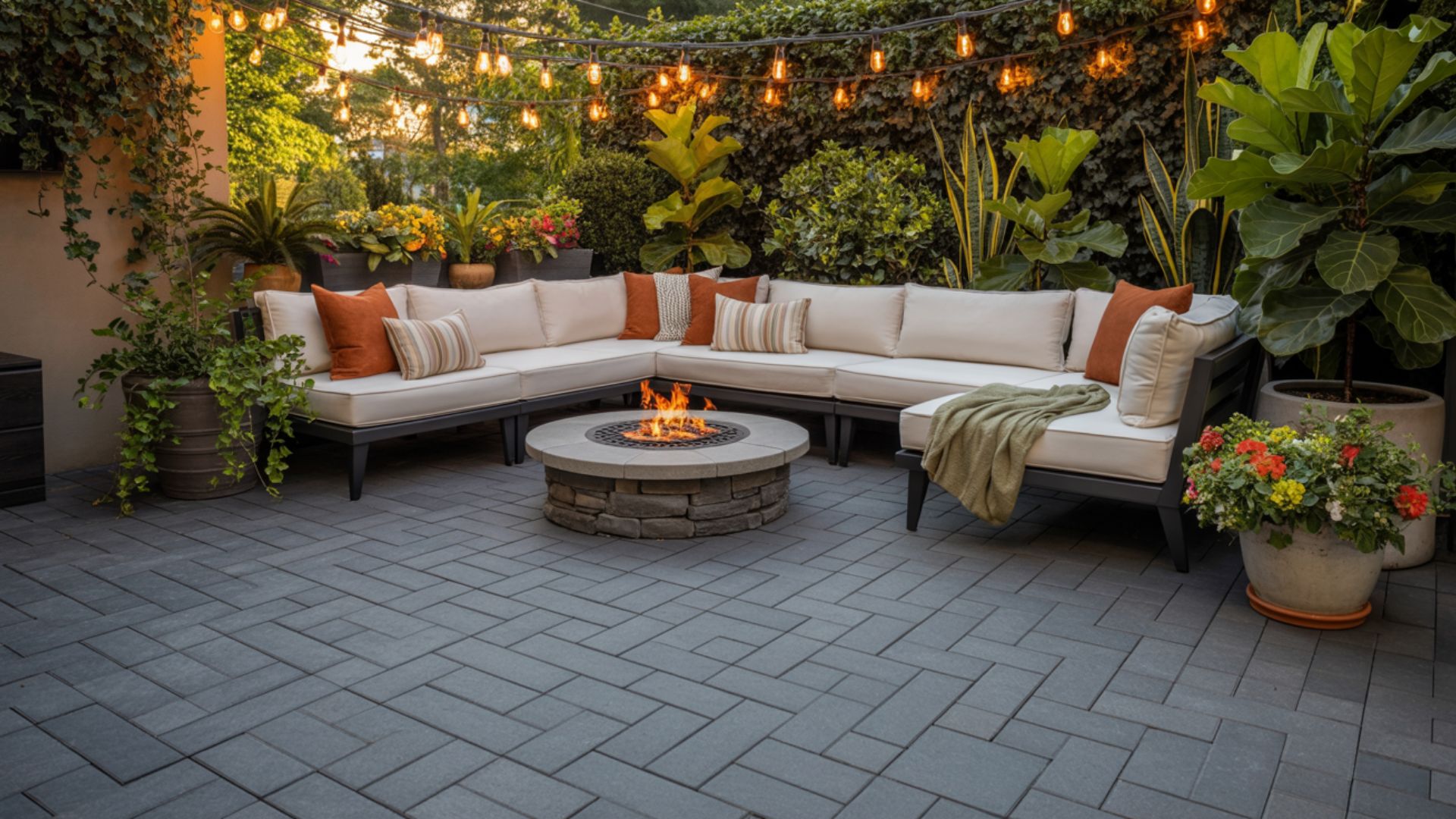
Your backyard sits there, begging for attention. Maybe it’s a concrete slab gathering dust, or perhaps just an empty patch of grass that never quite lives up to its potential. Either way, you’re missing out on what could be your favorite room in the house one without walls.
The problem isn’t just wasted space. It’s the missed summer evenings with friends, the untaken coffee breaks surrounded by nature, and the home value you’re leaving on the table. Your neighbors are already sipping cocktails on their stylish backyard patio ideas setups while you’re stuck inside scrolling through inspiration photos.
Here’s the good news: transforming your backyard patio doesn’t require a contractor’s budget or a design degree. Whether you’re working with 100 square feet or 500, concrete or pavers, $500 or $5,000, this guide walks you through everything you need to create an outdoor space that makes you never want to go inside. Let’s turn that neglected patch into your new favorite retreat.
What Makes a Great Backyard Patio Design?
Great patio design ideas balance three essential elements that work together like a well-rehearsed band. Function comes first. Your patio needs to serve your lifestyle, whether that means hosting weekend barbecues, creating a quiet reading nook, or building an outdoor office space.
Style follows close behind. The best outdoor patio ideas complement your home’s architecture while reflecting your personality. A modern farmhouse pairs beautifully with natural stone and warm wood tones, while contemporary homes shine with sleek pavers and minimalist furniture arrangements.
Budget reality rounds out the trio. Smart design doesn’t mean expensive design. Some of the most stunning backyard patio designs come from creative material choices and DIY elbow grease rather than unlimited credit cards.
Key Design Elements That Work
Your patio foundation matters more than you might think. Patios included 63.7% of new single-family homes in 2023, marking eight consecutive years of record growth. Homeowners increasingly recognize patios as essential outdoor features rather than optional luxuries.
Material selection shapes both aesthetics and longevity. Poured concrete dominates nationwide as the most popular choice, though regional preferences vary significantly. East South Central regions favor concrete heavily, while New England homeowners mix natural stone with concrete pavers for upscale appeal.
Smart zoning creates distinct areas within your patio footprint. Designate specific spots for dining, lounging, and cooking rather than treating your entire space as one generic outdoor room. This approach maximizes functionality without requiring additional square footage.
Modern Patio Trends Dominating 2025
The outdoor living revolution continues full throttle in 2025, with homeowners treating their patios as genuine extensions of indoor spaces. These aren’t your grandmother’s concrete slabs with folding chairs.
Biophilic Design Takes Center Stage
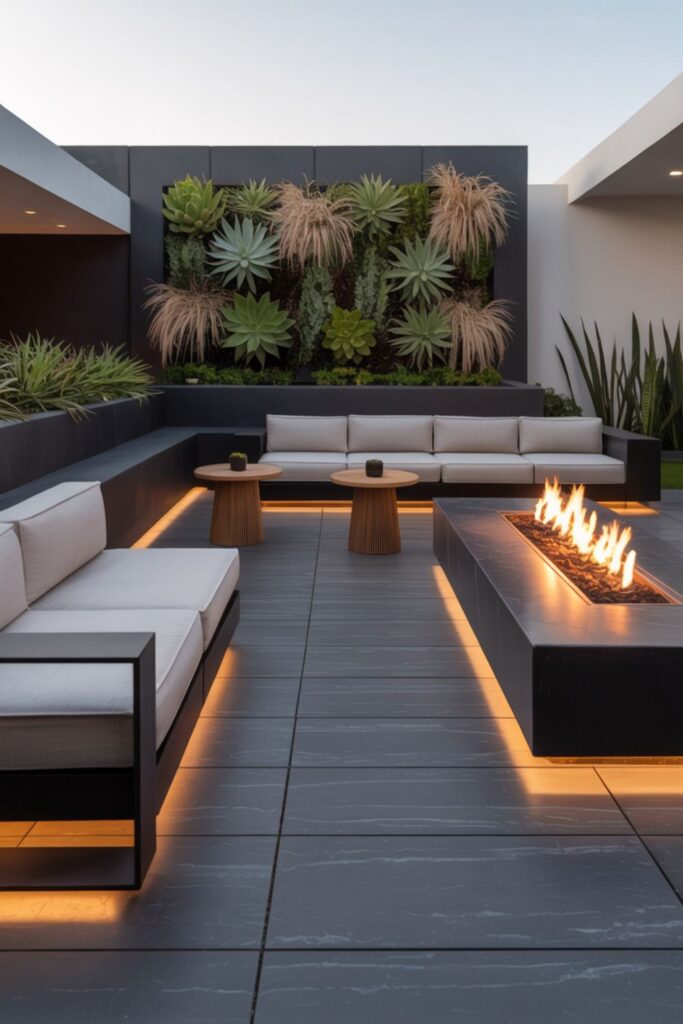
Biophilic design encourages maximum use of natural elements, from plants to water features to organic shapes. Picture vertical garden walls climbing beside bubbling fountains, surrounded by lush greenery and even vegetable gardens. This approach creates spaces that look beautiful while promoting relaxation and well-being.
Wellness-focused features blend seamlessly into modern patio ideas for backyard spaces. Meditation nooks, yoga platforms, and outdoor spas transform patios into sanctuaries for unwinding and recharging. Water elements like fountains promote tranquility, while aromatic plants such as lavender and rosemary enhance sensory experiences.
Multi-Functional Outdoor Living Spaces
Your patio works overtime in 2025. Patios now serve multiple purposes beyond lounging, functioning as home offices with outdoor desks and Wi-Fi boosters, or spaces with yoga mats and workout equipment. This versatility adapts to your lifestyle whether you’re hosting dinner parties or enjoying quiet solitude.
Outdoor kitchens evolved far beyond basic grills. Fully equipped outdoor culinary hubs feature everything from pizza ovens to wine fridges and dishwashers, designed for serious cooking and entertaining.
Warm Neutral Color Palettes
Color trends shifted dramatically away from cold grays. Warm neutrals like creamy beiges and soft browns replaced the cold greys of past years, creating welcoming modern palettes for outdoor spaces.
Split-level designs redefine traditional flat patios. Multi-level backyard ideas create unique zones for lounging, dining, and entertaining, with steps and flower beds adding visual interest.
Budget-Friendly Backyard Patio Ideas
Creating stunning patio designs doesn’t demand bottomless budgets. Smart material choices and strategic DIY projects stretch dollars while delivering impressive results.
DIY Concrete Patio Solutions
Concrete remains the most cost-effective foundation option. Average costs to pour concrete range from $6 to $15 per square foot, depending on area size and whether it includes decorative elements. Basic poured concrete offers durability and customization potential at a fraction of premium material costs.
Stamped concrete mimics expensive materials beautifully. You can achieve high-end stone or tile appearances without matching price tags. Staining adds color depth, transforming plain gray slabs into eye-catching focal points.
Affordable Material Alternatives
Gravel patios solve budget constraints elegantly. Clear a grass patch using a cultivator, lay landscaping fabric, and fill with gravel. This approach works exceptionally well for large spaces where other materials would cost prohibitively.
Concrete pavers offer middle-ground pricing. Concrete pavers range from $8 to $15 per square foot after installation, with customization options for colors and textures. They install easier than individual bricks while covering more area per piece.
Creative Furniture and Decor Hacks
Pallet furniture delivers personality without price tags. Repurpose shipping pallets into benches, tables, and planters with minimal tools and effort. Sand them smooth, add weather-resistant stain, and you’ve crafted custom pieces for pennies on retail dollars.
String lights create magical ambiance inexpensively. Drape fairy lights over pergolas, wrap them around porch railings, or bunch them above tables for soft sparkling centerpieces. This budget-friendly approach transforms ordinary spaces into enchanting evening retreats.
Mix-and-match seating reduces costs while adding character. Thrift store finds gain new life with fresh paint and coordinated cushions. Unmatched pieces become cohesive collections through shared colors or materials.
Small Backyard Patio Designs That Maximize Space
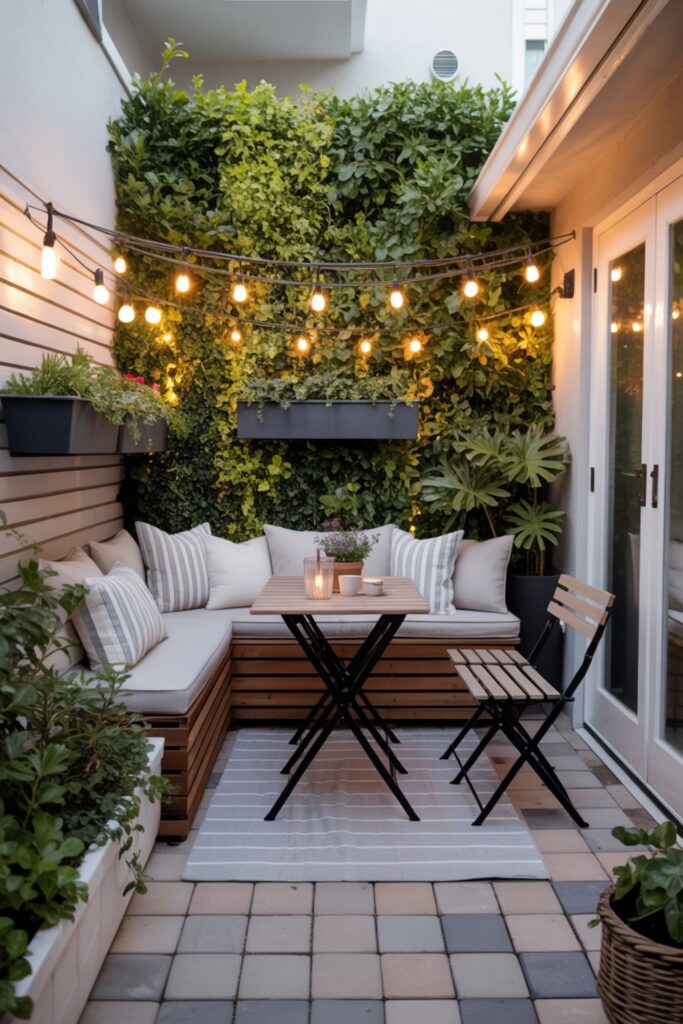
Limited square footage doesn’t limit style potential. Smart design choices make compact patios feel spacious and functional.
Vertical Garden Solutions
Wall-mounted planters reclaim floor space beautifully. Vertical gardens provide practical growing areas while serving as living art installations. Vertical gardens improve curb appeal and backyard aesthetics without consuming valuable ground space.
Herbs, salad greens, and vining vegetables thrive in vertical formats. Plants with shallow root structures or climbing tendencies work particularly well. This approach suits renters and homeowners alike, requiring no permanent installations.
Space-Saving Furniture Arrangements
Multi-purpose pieces work harder in tight quarters. Benches double as storage containers for pillows and blankets. Sectional sofas configure flexibly, adapting to entertaining needs or intimate gatherings.
Round tables maximize seating capacity while maintaining flow. Their compact shapes and transparent glass tops create barely-there appearances, making spaces feel larger than measurements suggest.
Strategic Layout Planning
Zone creation matters even more in small spaces. Dedicate specific corners to distinct activities rather than cramming everything together. A reading nook needs a different setup than a dining area, even when both occupy the same patio.
Built-in seating preserves precious floor space. Concrete or wood benches along perimeter walls provide seating without furniture footprints. Add cushions for comfort and color pops.
Read More About: 27+ Patio Ideas on a Budget for Stylish Outdoor Spaces
Covered Patio Ideas for Year-Round Use
Weather shouldn’t dictate outdoor enjoyment schedules. Covered patios rank as the most popular outdoor living area type, favored by 44% of experts, offering year-round usability by protecting homeowners from elements.
Pergola and Canopy Options
Pergolas blend form with function beautifully. Their open-roof designs provide partial shade while maintaining airy feels. Train climbing vines across beams for natural coverage that evolves with seasons.
Retractable shades offer weather control flexibility. Adjustable louvers let you enjoy sunshine or create shade on demand. This adaptability extends patio use across varying conditions and temperatures.
Shade Structure Materials
Pop-up gazebos deliver quick solutions affordably. These temporary structures move wherever needed and store compactly during off-seasons. They cost significantly less than permanent installations while providing immediate relief from sun and light rain.
Offset umbrellas direct shade precisely. Unlike standalone versions, these adjustable options let you control coverage areas throughout the day. They work brilliantly for dining or conversation zones requiring targeted protection.
Climate-Resilient Features
Shade structures respond logically to intense heat, with features like retractable shades and adjustable louvers giving more control to ensure comfort and year-round use. Summers grow longer and hotter, making weather protection increasingly essential rather than optional.
Fire features extend seasons naturally. Fire pits chosen by 58% of experts allow year-round outdoor space use, with modern designs enabling enjoyment into cooler months. Wood-burning options provide traditional ambiance while gas versions offer cleaner, more controlled heat.
Outdoor Kitchen and Dining Patio Concepts
Cooking outdoors elevates entertaining from ordinary to extraordinary. Outdoor kitchens rank as the most in-demand feature, cited by 73% of experts, epitomizing luxury and functionality.
Essential Outdoor Kitchen Elements
Built-in grills form outdoor kitchen foundations. Prices vary widely based on fuel type and brand, from basic propane models to professional-grade gas systems. Permanent installations add property value while simplifying hosting preparations.
Counter space matters as much outdoors as inside. Incorporate food prep areas flanking grills, ideally with weatherproof cabinetry below for storage. This setup keeps utensils, seasonings, and serving pieces conveniently accessible.
Sink installations boost functionality dramatically. Running water outdoors means fewer indoor trips during meal preparation. Pair with adequate drainage systems to handle dishwashing and cleanup tasks.
Dining Zone Design
Separate cooking from eating intentionally. Position dining tables away from grill smoke and heat while maintaining reasonable serving distances. This arrangement keeps guests comfortable while cooks work.
Lighting layers create ambiance after dark. Combine task lighting over food prep areas with softer ambient fixtures above dining tables. String lights or lanterns add warmth without harsh glare.
Pizza Oven Trends
Pizza ovens remain hugely popular, ranging from portable models like the Ooni Koda 16 to restaurant-worthy appliances. These versatile features handle more than pizza bread, roasted vegetables, and even desserts benefit from wood-fired cooking.
Budget-conscious homeowners start with portable versions. Permanent installations follow once outdoor cooking becomes an established lifestyle rather than an experimental hobby.
Patio Material Comparison and Cost Analysis
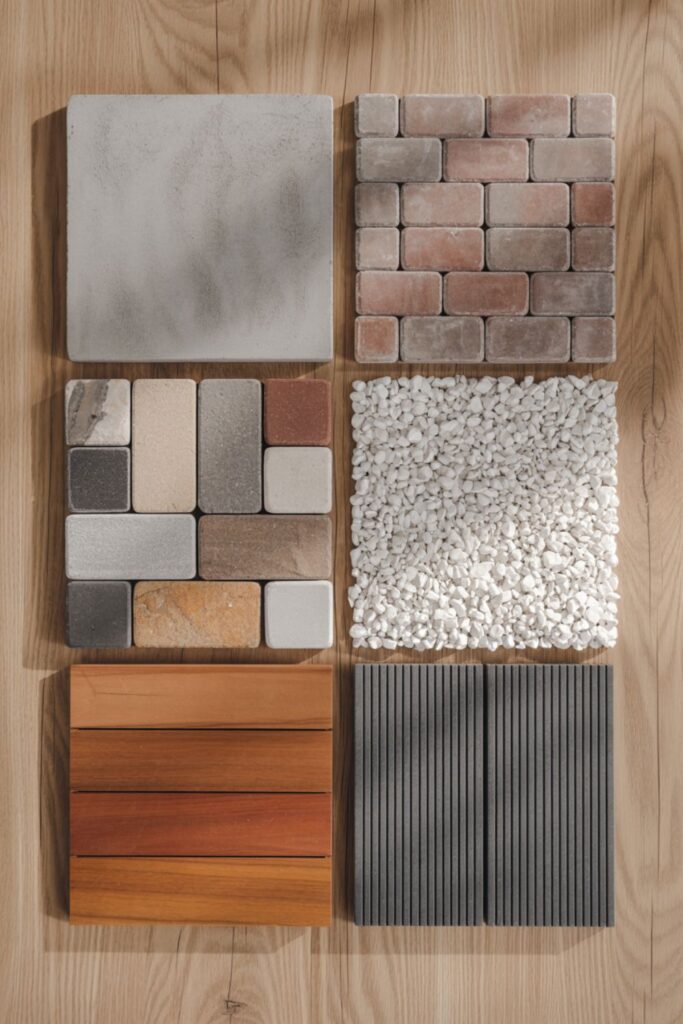
Material selection shapes both aesthetics and long-term investment returns. Understanding cost differences helps align choices with budgets.
Concrete vs. Pavers Breakdown
Average paver costs range from $10 to $30 per square foot for materials and installation, while concrete averages $6 to $15 per square foot. Upfront savings make concrete attractive, but consider total lifecycle costs.
Pavers offer easier repairs long-term. Individual damaged pieces lift out and replace without affecting surrounding areas. Concrete cracks require more invasive fixes, often resulting in visible patches that never quite match original surfaces.
Installation complexity affects pricing significantly. Labor costs for pavers run higher due to individual piece placement and detailed base preparation. Concrete pours quickly but requires multi-day curing before use.
Natural Stone and Brick Options
Natural stone ranks among costliest options at $15 to $50 per square foot, fitting various home styles. Flagstone patios specifically average $15 to $30 per square foot, offering popular middle-ground pricing.
Brick pavers fall between concrete and stone. Brick paver costs range from $10 to $20 per square foot, though this material proves more damage-prone than concrete alternatives.
Porcelain and Composite Materials
Porcelain pavers deliver durability with relatively low maintenance. These manufactured products resist staining, fading, and weather damage better than many natural materials. Pricing typically matches mid-range natural stone.
Composite decking brings indoor aesthetics outdoors. While technically deck material rather than paving, composite works beautifully for raised patios. It resists rot, insects, and warping while requiring minimal upkeep.
Lighting Ideas to Enhance Your Patio Atmosphere
Proper illumination transforms patios from daytime-only spaces into evening destinations. Strategic lighting adds safety, functionality, and ambiance.
Ambient Lighting Solutions
String lights reign as budget-friendly atmosphere creators. Solar-powered versions eliminate electrical work while providing eco-friendly operation. LED options last longer and consume less energy than traditional bulbs.
Lanterns offer portable, adjustable lighting. Group various sizes and heights for visual interest. Battery-powered or solar versions mean no cords cluttering pathways.
Fairy lights deliver whimsical touches. Wrap these delicate strands around railings, columns, or tree branches near patios. Their soft glow creates a magical evening ambiance perfect for intimate gatherings.
Task and Safety Lighting
Low-voltage landscape lights highlight pathways and features. These fixtures improve navigation safety while showcasing trees, garden beds, or architectural details. Energy-efficient designs keep operating costs minimal.
Step lighting prevents accidents on multi-level patios. Install fixtures along stair risers or tucked beneath overhangs. Subtle illumination guides traffic without harsh brightness.
Smart Lighting Technology
Technology integrates seamlessly into patio designs, making outdoor spaces both beautiful and highly functional. Smart bulbs allow color and brightness adjustments via smartphone apps. Program lighting schedules, create mood scenes, or sync with music for entertaining.
Motion sensors add convenience and security. Lights activate automatically as you approach, eliminating fumbling for switches while carrying food or drinks. They deter unwanted visitors during evening hours.
How Do You Create Privacy on an Outdoor Patio?
Privacy transforms public-feeling patios into intimate retreats. Multiple approaches suit different aesthetics and budgets.
Living Privacy Screens
Trees and hedges provide natural, evolving barriers. Planting trees and hedges adds beauty, relaxation, and privacy while cooling patios. Downsides include establishment time; new plantings need years reaching effective screening heights.
Fast-growing vines offer quicker solutions. Train morning glories, hops, sweet peas, clematis, or black-eyed Susan up trellises. These climbers establish themselves within single growing seasons.
Structural Privacy Solutions
Lattice panels balance openness with screening. These lightweight, affordable additions mount to existing fences or stand independently. Paint them to match your home or leave natural for rustic appeal.
Outdoor curtains create flexible boundaries. Weather-resistant fabrics hang from pergola beams or wall-mounted rods. Pull them closed for intimacy or tie back for openness.
Privacy fences deliver maximum separation. Wood, vinyl, or composite panels block sightlines completely while reducing noise. Height regulations vary by municipality and verify local codes before installation.
Creative Privacy Alternatives
Tall planters filled with ornamental grasses form living walls quickly. These mobile barriers rearrange easily, adapting as needs change. Choose evergreen varieties for year-round coverage.
Water features mask conversation acoustically. Fountains or waterfalls create pleasant background sounds while reducing neighbor noise intrusion. This approach adds visual interest alongside privacy benefits.
Read More About: Small Space Organization: Expert Tips And Smart Storage Solutions
Sustainable and Eco-Friendly Patio Designs
Environmental consciousness shapes modern backyard ideas. Sustainability drives design decisions in 2025, with recycled wood, bamboo, and composite decking offering luxurious feels without compromising environmental responsibility.
Sustainable Material Choices
Reclaimed materials bring character while reducing environmental impact. Salvaged bricks, vintage pavers, or repurposed wood create unique aesthetics impossible with new products. These choices often cost less than premium virgin materials.
Permeable pavers allow water infiltration naturally. Unlike solid concrete, these systems reduce runoff and support groundwater recharge. They help manage stormwater while preventing puddles.
Native Plant Landscaping
Gardens focus on sustainability through native plant species that conserve water and lawn alternatives like moss, creeping rosemary, and creeping thyme. These choices require less irrigation once established, reducing water consumption significantly.
Create productive spaces by planting favorite fruits, vegetables, and herbs. Edible landscaping combines beauty with function, turning patios into mini-farms yielding fresh ingredients steps from your kitchen.
Energy-Efficient Features
Solar lighting eliminates electrical costs entirely. Modern solar fixtures provide surprisingly bright illumination, with batteries storing daytime solar collection for evening use.
Rainwater collection systems capture and store precipitation for irrigation. Simple barrel systems start at minimal investment, growing into sophisticated underground cisterns as budgets allow.
What Is the Cheapest Way to Build a Patio?
Budget constraints shouldn’t prevent outdoor living space creation. Several approaches deliver functional patios at rock-bottom costs.
DIY Gravel Patios
Gravel offers the most affordable option for covering large areas. Clear grass patches, lay landscaping fabric to suppress weeds, and spread gravel evenly. Total costs rarely exceed $2 to $3 per square foot for materials.
Choose pea gravel for comfortable walking surfaces. Larger decorative stones work well for borders or acce
nts. Edging keeps gravel contained within defined boundaries.
Basic Concrete Slabs
Basic concrete patio costs average $6 per square foot on the low end, making it accessible for budget-conscious homeowners. DIY installation reduces costs further, though proper site preparation remains crucial for longevity.
Concrete accepts staining or painting for customization. These inexpensive upgrades transform plain gray slabs into colorful, patterned surfaces resembling far more expensive materials.
Concrete Paver Patios
Brick paver patios solve multiple problems creating conversational spaces where dirt patches existed previously, using supplies totally affordable and within budget. Pre-made pavers cover more area with fewer alignment issues than individual bricks.
Self-installation cuts costs dramatically. Weekend warriors with basic tools complete modest-sized patios over two or three days. Proper grading matters most for lasting results.
Salvaged and Recycled Materials
Scour salvage yards for discounted materials. Broken pallet projects, reclaimed bricks, or surplus pavers cost fractions of retail prices. Irregular pieces create unique, artistic patterns impossible with uniform new products.
Upcycled furniture furnishes patios essentially free. Thrift stores, garage sales, and curbside finds supply seating and tables needing only cleaning or minor repairs.
Fire Pit and Outdoor Fireplace Integration
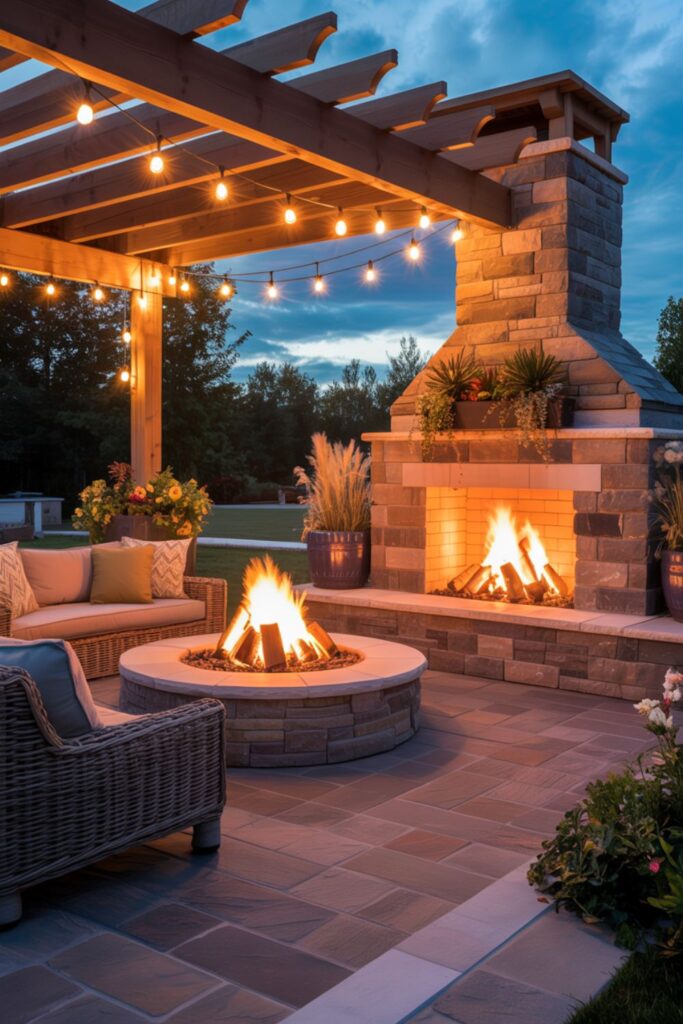
Fire features anchor patios as gathering spots. Fire pits and outdoor fireplaces work perfectly for outdoor parties, warming cold nights and allowing year-round backyard use.
Fire Pit Design Options
Wood-burning pits deliver traditional experiences. Crackling flames, roasting marshmallows, and smoky aromas create nostalgia-inducing atmospheres. They require regular ash removal and adequate ventilation.
Gas fire pits offer cleaner alternatives. Push-button ignition eliminates fire-starting hassles while adjustable flames provide precise heat control. Operating costs depend on natural gas or propane prices.
Portable fire bowls serve multi-duty roles. Sculptural fire bowls function as art pieces whether gas-fired or wood-burning, staying simple to install and use. Move them seasonally or for party arrangements.
Fireplace Construction
Built-in fireplaces create dramatic focal points. Stone or brick construction provides permanent installations that significantly boost property values. Professional installation ensures proper venting and fire safety compliance.
Prefabricated units simplify installation considerably. These ready-made fireplaces bolt together quickly, requiring only gas line connections or propane hookups. Costs run substantially lower than custom masonry.
Safety and Placement Considerations
Position fire features away from structures and overhangs. Minimum clearance requirements vary by local codes and verify regulations before installation. Keep combustible materials at safe distances.
Seating arrangements should encourage conversation while respecting heat zones. Place chairs close enough for warmth without causing discomfort. Include side tables for drink placement away from open flames.
Maximalist and Bold Patio Design Trends
2025 embraces maximalist design with eye-catching statements as the biggest overall trend from designers and homeowners, featuring bold colors and bolder art pieces.
Mural Walls and Artistic Elements
Artistic mural walls can be approached through DIY methods using stencils, or commissioned from local artists for one-of-a-kind backyard pieces. These statement walls transform ordinary patios into outdoor galleries.
Colorful backgrounds enhance photos beautifully. Instagram-worthy settings encourage entertaining and outdoor time investment.
Vibrant Color Palettes
Extremely colorful patios feature painted walls, art-pop colored cushions, and big patterns. This departure from neutral safety zones creates personality-packed spaces reflecting homeowner individuality.
Mix vibrant colors with bold prints confidently. Maximalist aesthetics embrace pattern-on-pattern approaches that traditional design rules prohibit.
Unique Furniture and Decor
Wicker and rattan reinterpret classic designs with blond finishes that lighten and freshen traditional dark grey or brown tones. These pieces interchange beautifully with indoor wicker, creating cohesive indoor-outdoor flows.
Curved furniture silhouettes bring softness to outdoor spaces. Rounded edges create approachable, comfortable atmospheres while contrasting angular architecture.
Frequently Asked Questions
What is the most cost-effective patio material?
Poured concrete wins the affordability contest, averaging $6 to $15 per square foot installed. Gravel patios cost even less but suit informal settings better. Basic concrete provides durable foundations that accept decorative upgrades like staining or stamping as budgets permit.
How can I make my small patio look bigger?
Use light colors to create spacious illusions. Choose multi-functional furniture that serves multiple purposes, and incorporate vertical gardens to reclaim floor space. Round tables and transparent materials like glass maintain sight lines, making areas feel more open than square footage suggests.
Do I need permits to build a backyard patio?
Requirements vary by location and project scope. Most municipalities require permits for patios exceeding certain sizes or those involving electrical, plumbing, or gas installations. Contact local building departments before starting projects to avoid compliance issues and potential fines.
How long do different patio materials last?
Concrete slabs typically last 25 to 50 years with proper maintenance. Pavers endure 50 to 100 years since individual pieces replace easily. Natural stone offers similar longevity to pavers, while composite decking lasts 25 to 30 years before requiring replacement.
What’s the best way to maintain a patio?
Clean surfaces regularly using appropriate methods for your materials. Seal concrete and pavers every one to three years to prevent staining and weather damage. Remove weeds promptly from joints, and repair cracks or loose pieces immediately to prevent further damage.
Can I install a patio myself or should I hire professionals?
Simple projects like gravel patios or basic paver installations suit confident DIYers with proper tools and preparation knowledge. Complex projects involving grading issues, drainage concerns, or large areas benefit from professional expertise that prevents costly mistakes.
Conclusion
Your backyard transformation starts with a single decision choosing to reclaim that unused outdoor space as a valuable living area. Whether you’re drawn to budget-friendly concrete solutions, sustainable native plantings, or bold maximalist statements, the perfect patio ideas backyard approach exists for your situation.
Smart material selection balances upfront costs with long-term value. Concrete delivers affordability while pavers offer easier maintenance down the road. Natural stone brings timeless elegance worth premium investment for forever homes. The right choice depends on your specific needs, climate conditions, and budget realities rather than universal rules.
Start small if budgets or confidence levels warrant caution. A simple seating area with string lights transforms outdoor experiences immediately without demanding major investments. Build from there as inspiration and resources grow. Your dream patio doesn’t require completion in one season; phased approaches often yield better results than rushed projects exceeding comfortable spending limits.
The outdoor living revolution continues reshaping how we use our homes. Your neighbors already discovered this secret. Now it’s your turn to create that outdoor retreat where summer evenings stretch into spontaneous gatherings, morning coffees taste better surrounded by nature, and your home’s most popular room happens to lack a roof. Transform your backyard today your future self will thank you every time you step outside.