21+ Winter Garden Ideas for Continuous Harvest to enhance income

Most gardeners pack away their tools when the first frost arrives. They watch their raised beds sit empty through months of cold weather. But here’s what they don’t realize: winter gardens can produce some of the sweetest, most nutritious vegetables you’ll ever taste. The cold weather that sends tomatoes to their demise actually transforms kale, carrots, and Brussels sprouts into candy-like versions of themselves.
Winter Garden Ideas don’t mean wrestling with frozen soil or battling blizzards. It means understanding which crops thrive when temperatures drop and how simple structures like cold frames create microclimates that protect plants from harsh conditions. Whether you live in Zone 5 or Zone 9, you can grow fresh food during the coldest months. This guide shows you exactly how to do it, from selecting the right frost-hardy vegetables to building protective structures that extend your growing season by months.
What Is a Winter Garden and Why Should You Start One?
A winter garden is simply a vegetable garden designed to produce food during the cold months. Unlike traditional gardens that focus on heat-loving crops like tomatoes and peppers, Winter Garden Ideas feature cold-hardy vegetables that actually prefer cooler temperatures. These specialized gardens use strategic planning and simple protective structures to create environments where plants can survive and even thrive when most gardens lie dormant.
The Benefits That Make Winter Gardening Worth Your Time
Growing food in winter offers advantages that go far beyond having fresh salad greens in January. Four-season growing provides fresh options throughout the year instead of eating preserved vegetables during winter months. You save money because one seed packet costs a fraction of store-bought produce over several months. Your vegetables taste better because they’re harvested at peak freshness rather than trucked across the country.
The health benefits extend beyond nutrition. Having a garden to tend through winter can bring relief and make you generally feel better, especially during long, dark months. Physical activity in the garden provides exercise while connecting with nature reduces stress. Plus, pests and diseases become almost nonexistent in cold weather, making winter gardens easier to maintain than summer plots.
Understanding Winter Garden Vegetables: Hardy, Semi-Hardy, and Ultra-Hardy
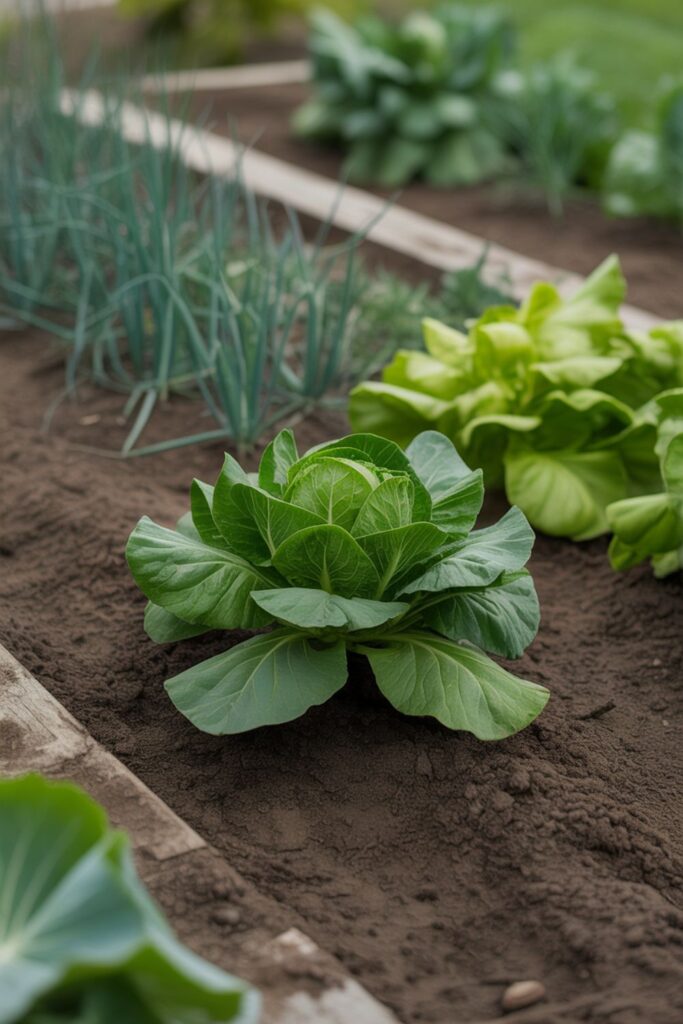
Not all vegetables can handle winter conditions. Success depends on choosing crops matched to your climate and protection level. Cold-hardy winter vegetables are perfect for braving winter weather, with some needing winter protection while others handle frost on their own once established.
Ultra-Hardy Vegetables: The Winter Warriors
Ultra-hardy vegetables survive temperatures down to 0°F or lower with minimal protection. Collard greens can withstand winter temperatures down to 5°F and usually come through the cold even more flavorful. Kale varieties like ‘Winterbor’ and ‘Red Russian’ actually taste sweeter after frost because the starches in their leaves convert to sugars as a natural antifreeze response.
Other ultra-hardy champions include spinach, which forms rosettes that lie flat against the soil for insulation, and leeks, which can survive temperatures plunging to 0°F. Garlic is planted in fall, covered with mulch, and rests in the soil all winter until it sprouts in spring. These vegetables essentially use winter as a growing strategy rather than fighting against it.
Semi-Hardy Vegetables: Protection Required
Semi-hardy crops tolerate light frosts but need structures like cold frames or row covers when temperatures drop below 25°F. Lettuce falls into this category, surviving brief cold snaps but requiring protection from prolonged freezing. Hardy lettuce varieties like ‘Winter Density,’ ‘Red Salad Bowl,’ and ‘Winter Marvel’ work well in winter cold frames and tunnels.
Swiss chard offers a middle ground between the robustness of kale and the tenderness of spinach. It thrives with just a fleece tunnel, and while production slows during regular frosts, it doesn’t cease. Carrots and beets grow underground, where soil temperature remains more stable than air temperature, giving them natural insulation.
Timing Your Winter Garden for Success
Timing matters more in winter gardening than in summer growing. Most vegetables need warm soil temperatures to germinate and grow to sufficient size before cold weather sets in. Most winter vegetables should be seeded in late summer or early fall, typically August through September, depending on your location.
The key is getting plants established before day length shrinks below ten hours. Growth of most vegetables slows once day length shrinks to less than ten hours, so winter vegetables need to reach harvestable size by that time. After that point, your winter garden becomes more of a refrigerated storage unit where you harvest as needed rather than watching plants actively grow.
Building Cold Frames: Your Winter Garden’s Best Friend
Cold frames transform winter gardening from challenging to manageable. Adding a cold frame to your garden is like moving your beds 500 miles south, creating an environment one and a half zones warmer than where you live. These simple structures capture solar energy and create microclimates that shelter cold-hardy vegetables from wind, ice, and temperature extremes.
Simple Cold Frame Construction
Building a basic cold frame requires minimal carpentry skills and inexpensive materials. A simple plywood and poly sheeting cold frame with a sloped shape allows for rain drainage while keeping crops warm. The frame typically measures 12 inches tall at the front and 18 inches at the back, creating a slope that maximizes solar exposure.
You’ll need untreated wood or cinder blocks for the frame, clear plastic sheeting or old windows for the top, and hinges if you want a lid that opens. Sinking frames into the ground by about 6 inches boosts insulation and helps protect crops. Position your cold frame facing south to capture maximum winter sun exposure throughout the day.
Operating Your Cold Frame Throughout Winter
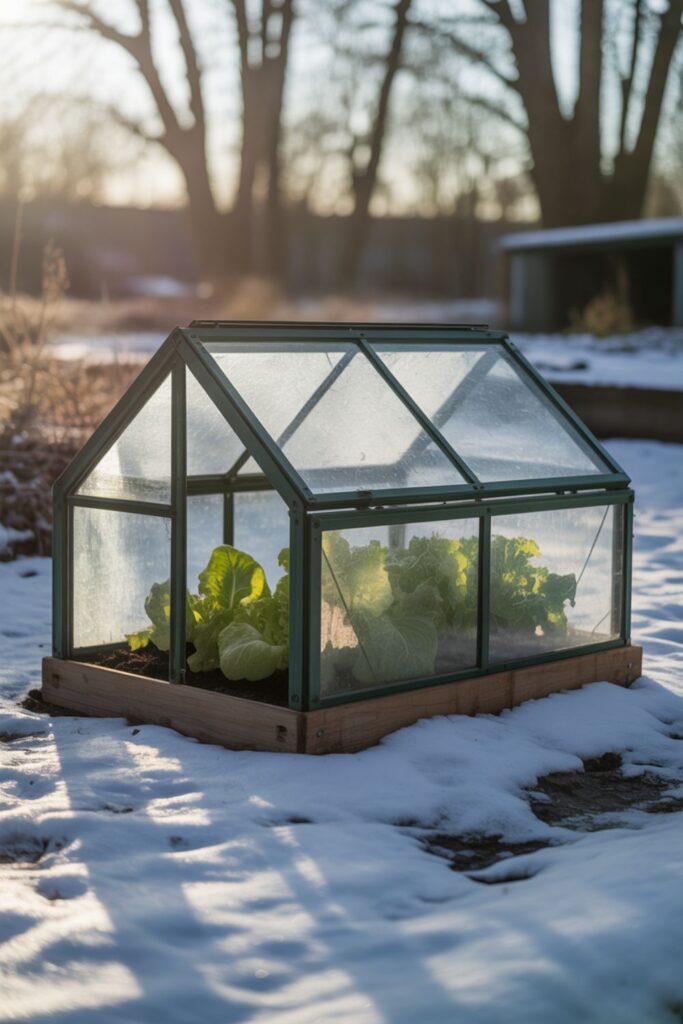
Ventilation prevents the biggest cold frame mistake: frying your plants on sunny winter days. Inside a frame can warm up amazingly even in January, and inadequate ventilation encourages soft growth easily damaged in cold weather. Prop the lid open when internal temperatures exceed 60°F, even if outside air feels frigid.
Check your cold frame daily during winter. Keep soil moist but not soggy, as plant growth slows dramatically in short winter days. Crops given proper ventilation and grown under cooler conditions will be better prepared to deal with frigid temperatures and be less prone to cold damage. Clear leaves and snow from the top so sunlight reaches your plants.
Best Vegetables to Grow in Your Winter Garden
Certain vegetables perform so well in winter gardens that they should form the backbone of your cold-weather growing strategy. These crops not only survive winter but actually prefer it.
Leafy Greens: The Winter Garden Staples
Kale stands out as the ultimate winter garden vegetable. Winterborn kale grows three feet tall with deeply curled blue-green leaves and is a cold season superstar harvested all winter long. Harvest leaves from the bottom up, leaving the growing crown to continue producing. Varieties like ‘Black Magic’ and ‘Red Russian’ offer different colors and textures while maintaining excellent cold hardiness.
Spinach grows best when planted in succession from late summer through mid-fall. The leaves develop better flavor and higher nutritional content in cool weather. Swiss chard offers more bite and robustness than spinach while remaining milder than kale. Plant hardy varieties like ‘Fordhook Giant’ or ‘Bright Yellow’ for best winter results.
Root Vegetables: Underground Winter Storage
Carrots harvested in winter taste dramatically different from summer carrots. Roots become super sweet in winter as starches turn to sugars. Plant carrots in late summer, and they’ll size up before growth slows. Mulch heavily with straw so you can harvest even when the ground freezes.
Parsnips might be the most frost-resistant crop available. Parsnips can be left in the ground all winter long under thick mulch, though leaves will die back, roots can brave fully frozen ground. Harvest parsnips throughout winter and early spring before tops start growing again, as bolting can make roots woody.
Brassicas: The Cold-Loving Family
Brussels sprouts and broccoli thrive in winter gardens with proper variety selection. Purple sprouting broccoli bridges the hungry gap beautifully between mid-winter and mid-spring. Start brassica seedlings in late summer for fall transplanting. Give them plenty of space. These vegetables grow slowly through winter but produce heavily in late winter and early spring.
Cabbage becomes sweeter after frost exposure. ‘January King’ cabbage survives the worst winter weather and can be harvested throughout the coldest months. Plant cabbage 24 inches apart in rows spaced 24 inches apart. The outer leaves with their pink-red veins are edible and delicious.
Read More About: 25+ Creative Wall Art Ideas to Transform Blank Walls
Season Extension Techniques Beyond Cold Frames
Cold frames represent just one tool in the winter gardening toolkit. Multiple protective structures give you flexibility to match protection levels with crop hardiness and weather severity.
Row Covers and Low Tunnels
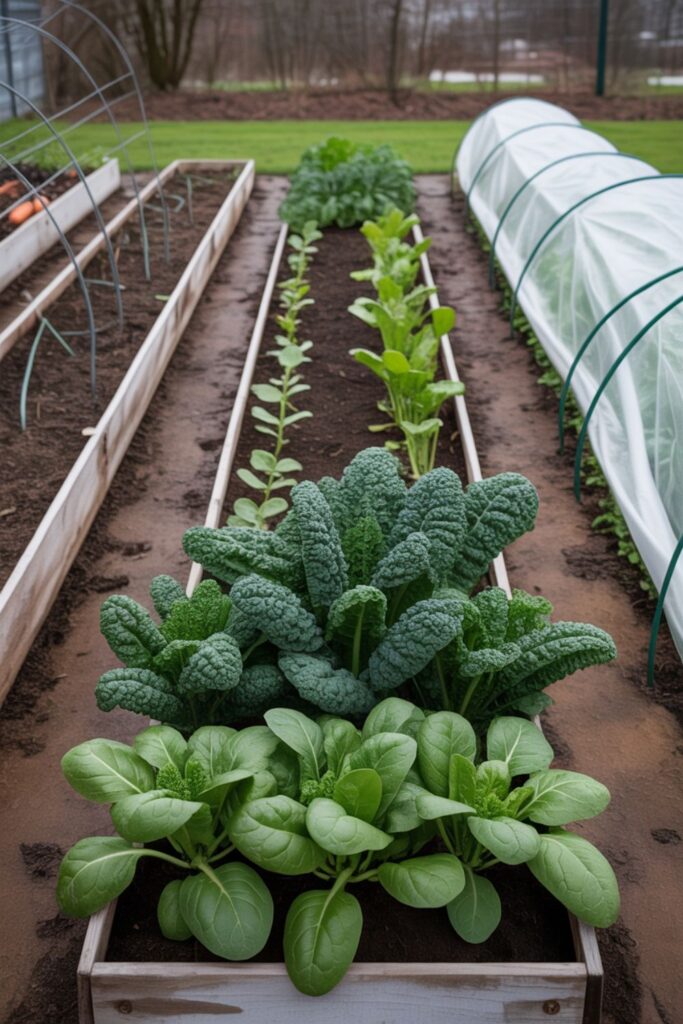
Row covers create miniature greenhouses over vegetable rows. Hooped row covers, also known as low tunnels, are most effective for cool-season growing compared to other methods. Wire or PVC hoops support lightweight fabric that raises humidity and temperature around plants. Leave headspace between the cover and plant tops to allow the greenhouse effect while preventing frost damage where fabric touches leaves.
Fabric weight determines protection level. Lightweight covers (0.5 oz per square yard) protect against light frosts down to 28°F. Medium-weight covers (1.25 oz) add 4-6 degrees of protection. Heavy covers (2 oz) protect against hard freezes but block more light. Move cold frames to new locations and plant more seeds when a frame is no longer needed for an established crop.
Hot Beds for Extra Warmth
Hot beds use decomposing organic matter to generate heat from below. Dig a hole inside your frame at least 12 inches deep, fill with fresh horse manure mixed with straw, top with 6 inches of soil, and the decomposing manure releases heat into the frame. Compost mixed with cheap dry dog food works as an alternative heat source.
The heat generated keeps soil temperatures warmer than ambient air, allowing earlier planting and faster growth. Hot beds work especially well for heat-loving crops like lettuce and early spring transplants. The decomposed material enriches soil for future plantings.
Using Mulch for Winter Protection
Mulch acts as insulation for winter garden root crops. Add 3-6 inches of straw mulch around leeks for even more resilience. Thick mulch layers prevent soil from freezing solid, allowing harvest even during cold snaps. Straw, shredded leaves, or pine needles all work well.
Apply mulch after the ground begins freezing but before it freezes solid. This timing prevents rodents from nesting in the mulch while still providing frost protection. Remove mulch gradually in spring as temperatures warm to allow soil to heat up for new plantings.
Winter Garden Planning and Planting Schedule
Successful winter gardens require planning that begins in summer. Many seeds must be planted when summer gardens are at their fullest and minds are furthest from winter. Create a timeline that works backward from your first expected frost date.
August Planting Window
August represents prime time for winter garden establishment in most regions. Sow seeds in August when soil and air temperatures are conducive to germination and strong growth, then be prepared to transplant by Labor Day. Direct-seed kale, spinach, lettuce, and arugula into prepared beds. Start broccoli, cabbage, and Brussels sprouts in cell trays for transplanting.
This early start allows plants to develop substantial root systems and foliage before day length drops below ten hours. Well-established plants survive winter better than seedlings planted late.
September Through October: Final Plantings
September offers a second window for fast-maturing crops. Plant spinach by seed in mid-August or seedlings in mid-September. Quick-growing greens like arugula and lettuce can still reach harvestable size before winter arrives. Root vegetables planted in September will size up slowly but can be harvested well into winter.
October marks the cutoff for most winter garden plantings except in mild climates. Focus on getting protective structures in place and mulching established plants. Between October 15 and April 15 average frost dates, plants grow slowly and need to be established enough to survive cold and shorter day length.
Succession Planting for Continuous Harvest
Plant lettuce and spinach in succession every two weeks through early fall. Sow several crops of lamb’s lettuce starting in early fall, adding an extra crop every other week until late fall. This strategy ensures continuous harvest rather than a single flush followed by nothing. Each planting matures at different times, smoothing out your winter harvest curve.
Dealing with Winter Garden Challenges
Every winter garden faces obstacles, but most have straightforward solutions. Understanding common problems before they occur prevents frustration and crop loss.
Temperature Fluctuations and Protection Strategies
In areas close to the Gulf, temperature can drop 40 degrees in 24 hours. Rapid temperature swings stress plants more than consistent cold. Layer protection by combining techniques use cold frames with row covers inside for double insulation. Keep water bottles painted black inside frames to absorb daytime heat and release it at night.
Monitor weather forecasts and add extra protection before cold snaps. Water plants before cold weather since plants need to be well-hydrated and cold snaps are usually dry. Moist soil retains heat better than dry soil, protecting roots from freezing.
Slow Growth and Harvest Expectations
Growth rates plummet in winter compared to summer. Carrots and broccoli normally ready between 60 to 90 days may take almost 5 months to be ready due to fluctuations in temperatures over winter. Adjust your expectations and be patient. The reward for waiting is vegetables with exceptional flavor.
View your winter garden more as refrigerated storage than active growth. Most plants put on size before winter, then hold that size through the cold months. Harvest as needed rather than all at once, leaving unharvested plants as living storage.
Pest Management in Winter Gardens
Cold weather eliminates most summer pests, but a few remain active. Aphids occasionally appear on leafy greens in protected environments. Spray them off with water or use insecticidal soap. Slugs remain active during wet winter weather and particularly love lettuce and cabbage seedlings.
Mice may come into frames to get warm and pick off a quick winter meal, so plant more than you need. Hardware cloth underneath cold frames prevents rodent access. Alternatively, accept some loss and plant extras to compensate.
Maximizing Your Winter Garden’s Productivity
Strategic approaches increase winter garden yields without requiring more space or work. Smart techniques multiply harvests from the same amount of ground.
Intercropping and Space Efficiency
Combine fast-growing and slow-growing crops in the same bed. Plant lettuce between cabbage or Brussels sprouts. The lettuce matures and gets harvested before the brassicas need full space. Plant crops early enough to reach maturity before days get too short, spacing them close together for added insulation.
Dense planting provides mutual protection as plant bodies block wind and trap warmer air. Just ensure adequate airflow to prevent fungal diseases in humid winter conditions.
Soil Preparation for Winter Success
Healthy soil matters even more in winter than summer. Adding organic matter improves soil structure and health while helping it retain moisture and nutrients plants need to grow. Top beds with two to three inches of compost before planting fall crops. The organic matter supports slower winter decomposition while building soil for spring.
Avoid tilling winter beds more than necessary. Excess disturbance releases stored nutrients and disrupts beneficial fungal networks. Top-dress with compost and let soil life incorporate it naturally.
Using Winter Vegetables Indoors
When outdoor conditions become too harsh, bring winter gardening indoors. Many garden vegetables grow beautifully indoors throughout winter, including leafy greens like lettuce, kale, and chard. Place containers near sunny windows or under grow lights. Indoor temperatures suit most cool-season crops perfectly.
Radishes perform best in cool temperatures and are pretty tolerant of cold weather, growing more slowly indoors in winter but remaining crisp longer. Start small with a few pots of lettuce or spinach. Success with indoor winter gardening builds confidence for larger outdoor operations.
Health and Wellness Benefits of Winter Gardening
Growing your own winter garden delivers advantages that extend far beyond having fresh vegetables on your table. The physical activity and mental engagement provide year-round wellness benefits.
Nutritional Advantages of Fresh Winter Vegetables
Depending on the specific kind, winter vegetables supply vitamins C, A and K for immune support, potassium and magnesium, fiber, prebiotics, and various antioxidants. Freshly harvested greens contain higher nutrient levels than produce that traveled hundreds of miles. Cold exposure increases sugar content in many vegetables, making them naturally sweeter and more appealing.
Garlic develops in the ground all winter, emerging in spring with compounds that boost immunity perfect timing for cold and flu season. Peas are rich in copper, manganese, phosphorus, B vitamins and vitamins A, K1, and C, offering anticancer properties and benefits for heart health and diabetes management.
Mental Health Benefits of Year-Round Gardening
Whether you suffer from Seasonal Affective Disorder or just winter blues and cabin fever, having a garden to tend through winter can bring relief and make you generally feel better. The act of caring for living plants provides purpose during months when many people feel isolated and inactive.
Getting outside in fresh air and natural light, even for short periods, improves mood and sleep quality. Physical work in the garden counts as moderate exercise, raising heart rate and building strength. The anticipation of harvesting something you grew yourself creates positive emotions that counter winter doldrums.
Regional Variations in Winter Gardening
Winter garden strategies differ dramatically based on climate. Your USDA hardiness zone determines which techniques you’ll need and which crops will succeed.
Cold Climate Winter Gardens (Zones 4-6)
Northern gardeners face the greatest challenges but can still produce food through winter. In climates where cold frame temperatures regularly stay below freezing, even the most cold-hardy plants won’t thrive or put on new growth. Focus on ultra-hardy crops like kale, leeks, and spinach that can withstand prolonged freezing.
Use insulated structures aggressively. Sink cold frames into the ground for additional protection. Consider soil cables to provide supplemental heat for less hardy crops. Alternatively, focus on edge seasons early fall and early spring rather than attempting growth during the coldest months.
Mild Climate Winter Gardens (Zones 7-10)
Warmer regions can grow nearly everything through winter with minimal protection. In Texas, where winters are relatively mild, gardeners can grow edibles even during winter. Some crops like lettuce and arugula may not need any protection at all.
The main challenge in mild climates is preventing overheating on sunny days rather than protecting from cold. Ventilate structures aggressively and use shade cloth during warm spells. Between October 15 and April 15 average frost dates plants grow slowly, but mild zone plants continue active growth through much of winter.
Pacific Northwest Winter Gardens (Zones 8-9)
The Pacific Northwest offers ideal winter gardening conditions with moderate temperatures and abundant rainfall. Spinach, lettuce, kale, broccoli, carrots and garlic succeed in Portland-area winters. The main considerations are managing excess moisture and dealing with short day lengths.
Ensure good drainage to prevent root rot during rainy periods. Raised beds help excess water drain away from plant roots. The cloudy skies reduce solar gain in cold frames, so consider supplemental lighting for optimal growth rates.
Winter Garden Economics: Save Money While Eating Better
Starting a winter garden requires upfront investment, but the return on that investment arrives quickly. One packet of spinach seeds costs a fraction of a bunch of fresh spinach or even one box of frozen from the supermarket.
Calculate savings by comparing seed packet prices to grocery store produce over a five-month winter season. A single packet of kale seeds might cost three dollars and produce ten pounds of greens worth fifty dollars at farmers market prices. Basic cold frame materials cost under one hundred dollars but last for years while producing hundreds of dollars worth of vegetables annually.
Beyond direct savings, winter gardens reduce grocery trips, saving fuel costs and time. You avoid price spikes on fresh produce during winter months when demand exceeds supply. Locally grown food contains more nutrients since it tends to be fresher, making it healthier for you and better for the environment since it doesn’t require burning fossil fuels.
Getting Started: Your First Winter Garden
Begin small rather than attempting to grow everything at once. If you’re new to winter vegetable gardening, start with just a few crops and a cold frame or mini hoop tunnel. Success with initial plantings builds skills and confidence for expanding in future years.
Choose two or three crops matched to your climate and skill level. Lettuce and spinach offer quick results and forgive mistakes. Kale provides reliable production with minimal fussing. Build or buy a simple cold frame to protect your first crops. A 4×4 foot frame provides enough space to experiment without overwhelming maintenance requirements.
Start planning in July or August, giving yourself time to research varieties and gather materials. Source seeds from companies specializing in cold-hardy varieties. Order cold frame materials or scavenge old windows from renovation projects. Prepare beds by adding compost and clearing summer crops.
Plant your first winter garden crops in late August or early September. Monitor growth closely, adjusting watering and protection as needed. Harvest your first greens in October and November, then continue harvesting through winter as plants hold in cold storage.
Frequently Asked Questions
Can you really grow vegetables in winter?
Yes, many vegetables not only survive but thrive in winter temperatures. Hardy vegetables like collards, kale, and onions withstand frosts, freezing temperatures and snow without dying. The key is choosing cold-hardy varieties and providing appropriate protection through structures like cold frames and row covers. Most winter vegetables are planted in fall and harvested throughout winter months.
What is the easiest winter vegetable to grow for beginners?
Lettuce represents the best starting point for new winter gardeners. It grows quickly, tolerates cold well with minimal protection, and provides continuous harvest when planted in succession. Since lettuce can be used for salads, sandwiches, and garnishes, it’s easy to incorporate into menu planning rather than harvesting and preserving for later. Plant 1-2 lettuce plants per square foot in a basic cold frame for reliable results.
Read More About: Spring Wedding Ideas: Create Your Perfect Seasonal Celebration
Do winter vegetables taste different than summer vegetables?
Winter vegetables often taste sweeter and more flavorful than their summer counterparts. When frost meets winter-friendly vegetables they naturally respond to cold and produce more sugars, which makes them extra sweet. Carrots, kale, Brussels sprouts, and parsnips all develop enhanced sweetness after experiencing frost. This natural sugar production acts as antifreeze, protecting plant cells from cold damage.
How much does it cost to start a winter garden?
Starting a basic winter garden costs between $50-150 depending on whether you build or buy structures. A simple cold frame built from recycled materials might cost $30-50 for hinges, screws, and plastic sheeting. Row cover fabric runs $20-40 for enough to cover a 4×8 bed. Seeds cost $15-30 for a season’s worth of multiple varieties. The investment pays for itself within one season through grocery savings.
What is the difference between a cold frame and a greenhouse?
Cold frames are smaller, unheated structures that capture solar energy to protect plants from cold, wind, and precipitation. Unlike greenhouses where you can walk around inside, cold frames have as little headspace as possible because there will be less air to keep warm. Cold frames typically measure 12-24 inches tall while greenhouses allow standing height. Both use transparent tops to allow light while trapping heat, but cold frames cost significantly less and suit small spaces better.
Conclusion
Winter gardens transform the coldest months from a time of scarcity into a season of abundance. The sweet crunch of frost-kissed kale, the tender perfection of fresh lettuce in January, and the satisfaction of harvesting carrots while snow covers the ground. These experiences await anyone willing to extend their growing season beyond summer’s bounds. You don’t need expensive greenhouses or complicated systems. A basic understanding of cold-hardy vegetables, simple protective structures like cold frames, and strategic timing create conditions where plants not only survive winter but produce exceptional food.
Start small with your first winter garden. Choose a few reliable crops like spinach and lettuce. Build a basic cold frame from recycled materials. Plant in late summer and watch your vegetables establish themselves before cold arrives. The skills you develop through experimentation will serve you for years as you expand your winter growing operation and discover which techniques work best in your specific climate. Every harvest from your winter garden represents a victory over the assumption that fresh vegetables belong only to warmer months. That first bite of home-grown greens in the middle of winter will convince you the effort was worthwhile and inspire you to grow even more the following year.