Outdoor Patio Addition for More Living Space

Your home feels cramped during gatherings, forcing guests to crowd indoors or stand awkwardly in the yard. You watch neighbors entertain effortlessly on spacious patios while you’re limited to a cramped deck or bare grass. The problem intensifies when bad weather cancels outdoor plans entirely because you lack proper covered space. This frustration costs you countless hosting opportunities and limits how you enjoy your own property. Your house has potential, but transforming that vision into reality feels overwhelming with questions about costs, permits, and design choices.
An outdoor patio addition solves these challenges by creating dedicated entertainment space that functions as an extension of your home. These strategic improvements increase property values by 8-20%, add functional square footage without interior renovations, and transform how you use your home daily. Whether you’re planning a simple patio extension or an elaborate Outdoor Patio Addition with full amenities, understanding the planning process, realistic budgets, and design options ensures your investment delivers maximum returns for decades. This comprehensive guide covers everything from initial concepts through final inspections.
What Defines an Outdoor Patio Addition vs Other Structures?
An outdoor patio addition creates permanent outdoor living space that typically connects to your home’s exterior, though it may also stand as a purposeful backyard feature. Understanding these distinctions clarifies planning and permitting requirements.
Attached patio designs physically connect to your home through shared walls, door openings, or roof structures. These integrate into your house’s architecture, requiring coordination with existing structures including matching elevations, tying into electrical systems, and ensuring proper water drainage away from foundations. The connection creates seamless indoor-outdoor flow that increases functionality significantly. Detached patios sit independently in your yard without structural connection to your home, offering flexibility in placement but lacking the integrated convenience of attached versions. Patio room additions enclose outdoor spaces with screens, windows, or solid walls, creating three-season or four-season rooms that function more like interior additions. Simple ground-level patios require minimal structural work beyond proper base preparation, while elevated or roofed versions demand complex engineering similar to deck construction.
How Much Does an Outdoor Patio Addition Cost?
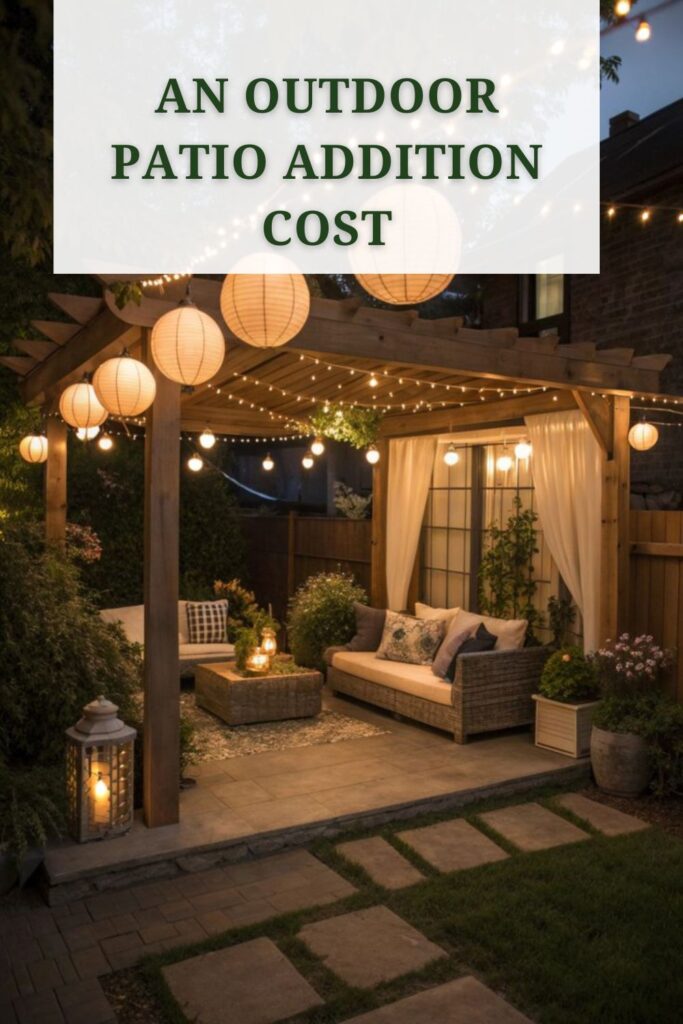
Patio construction cost varies dramatically based on size, materials, features, and regional labor rates. Realistic budget planning prevents mid-project surprises and helps prioritize spending.
Basic concrete slab patios cost $4-$12 per square foot installed, making a 200-square-foot addition run $800-$2,400. Mid-range options using pavers, stamped concrete, or basic composite decking range $12-$25 per square foot ($2,400-$5,000 for 200 square feet). Premium outdoor living space additions with quality materials, integrated lighting, and professional landscaping cost $25-$50 per square foot ($5,000-$10,000). Covered patio additions add substantial expense except $35-$85 per square foot ($7,000-$17,000) when including roof structures, support posts, gutters, and ceiling treatments. Elaborate builds incorporating outdoor kitchens, fireplaces, custom stonework, and extensive electrical systems reach $85-$150+ per square foot. Regional differences impact pricing significantly metropolitan areas charge 30-60% more than rural locations for identical work. Additional costs include permits ($150-$1,500), engineering assessments if required ($500-$3,000), utility connections for gas, water, or electrical ($800-$5,000), and landscaping restoration ($500-$4,000).
Do You Need Permits for an Outdoor Patio Addition?
Building permits requirements vary by jurisdiction, but most permanent outdoor patio addition need approval. Assuming you can skip this step creates expensive legal and financial problems.
Permits typically apply when your addition exceeds certain thresholds: structures attached to your home, adding roofing or overhead coverage, incorporating electrical or plumbing, creating elevated platforms above 30 inches, or building anything considered permanent rather than temporary. Ground-level patios not attached to structures sometimes fall below permit thresholds, though checking with local building departments is mandatory. The permit process involves submitting detailed plans showing dimensions, materials, and structural details, paying fees ($150-$1,500+), and scheduling inspections at various construction phases. Inspectors verify proper footings, structural connections, electrical work, and code compliance. Zoning requirements also apply setback distances from property lines, maximum lot coverage percentages, and height restrictions limit what you can build where. Working without permits creates serious consequences: forced removal of unpermitted structures, expensive retroactive permitting with penalties, title issues preventing home sales, insurance claim denials, and potential fines ($500-$10,000+).
What Are the Main Types of Outdoor Patio Additions?
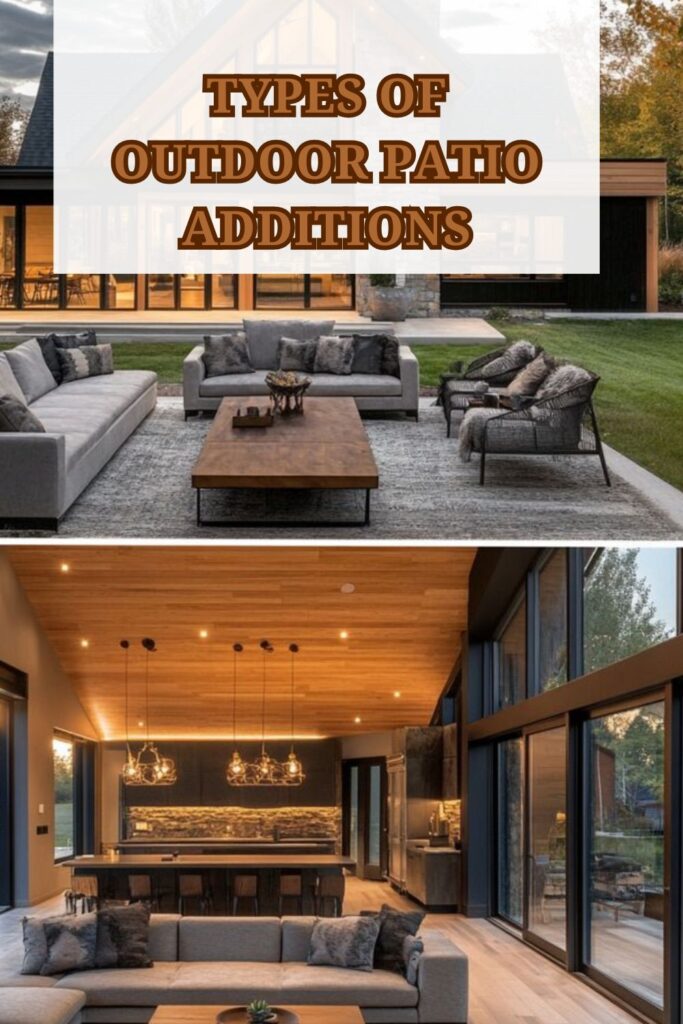
Four primary categories suit different needs, climates, and budgets. Selecting the right type early guides all subsequent design and material decisions.
Uncovered ground-level patios provide the most economical option, creating hardscaped outdoor floors using concrete, pavers, flagstone, or brick. These work beautifully in dry climates or as foundational elements you enhance later. Simple construction and lower costs ($4-$18 per square foot) make them accessible starter projects. Covered patio additions incorporate roof structures providing weather protection and shade, dramatically extending usability. Roofing options include solid structures matching your home’s architecture, pergolas offering partial coverage, or modern shade sails. Expect to invest $35-$85 per square foot including roof framing, materials, gutters, and support posts. Elevated deck additions raise the patio surface to align with second-floor doors or create multi-level outdoor spaces. These require substantial structural work including footings, support posts, and railings, costing $25-$65 per square foot. Enclosed patio rooms add screens or windows creating three-season spaces or fully insulated four-season sunrooms that function as genuine square footage additions ($100-$300 per square foot).
Read More About: Patio Add On To House: Complete Guide For Perfect Outdoor
How Do You Plan the Layout and Size of Your Patio Addition?
Strategic planning ensures your outdoor living space addition functions efficiently without wasting resources on excess square footage you’ll never use properly.
Calculate minimum sizes based on intended functions. Dining areas need 10×12 feet minimum for a table seating six with circulation space add 3-4 feet in each dimension for comfortable movement. Conversation areas require 8×10 feet minimum for seating groups. Outdoor kitchens demand additional 8-12 feet of depth beyond seating areas. Traffic flow matters tremendously, plan 3-4 feet wide pathways between furniture zones and maintain clear routes from house doors to patio edges. Consider furniture placement early rather than building the patio then realizing pieces don’t fit comfortably. Use temporary markers (rope, spray paint, or tarps) to outline proposed dimensions, then arrange furniture inside to verify usability. Common mistakes include building too small (homeowners consistently regret undersizing more than over-building) or creating awkward proportions like long narrow spaces that feel more like hallways. The 60-30-10 space allocation rule works well: 60% seating and dining, 30% circulation, 10% focal features like fire pits or water elements.
What Foundation and Site Preparation Does a Patio Addition Require?
Proper excavation and base preparation determine whether your patio remains level and stable for decades or develops problems within years.
Site assessment examines drainage patterns, soil composition, underground utilities, and grade levels. Professional contractors identify problem areas like clay soils requiring extra base depth or high water tables needing enhanced drainage. Grading creates proper slopes directing water away from your home minimum 2% grade (1/4 inch per foot) prevents pooling and foundation damage. Excavation depth depends on your patio type: concrete slabs require 8-12 inches (4-6 inches base material plus 4-6 inches concrete), pavers need 10-14 inches (6-8 inches base plus 2-3 inches sand and pavers). Compacted gravel base layers provide stable foundations resisting settling and frost heave. Use angular gravel (not smooth river rock) in 3-4 inch lifts, compacting each layer with mechanical plate compactors. Edging restraints prevent horizontal spreading over time commercial-grade plastic, aluminum, or steel edging maintains crisp borders. Utility location through 811 services marks buried electric, gas, water, and communication lines before excavation begins. Hitting underground utilities causes expensive damage, service disruptions, and serious safety hazards.
Should Your Patio Addition Be Attached or Detached From Your House?
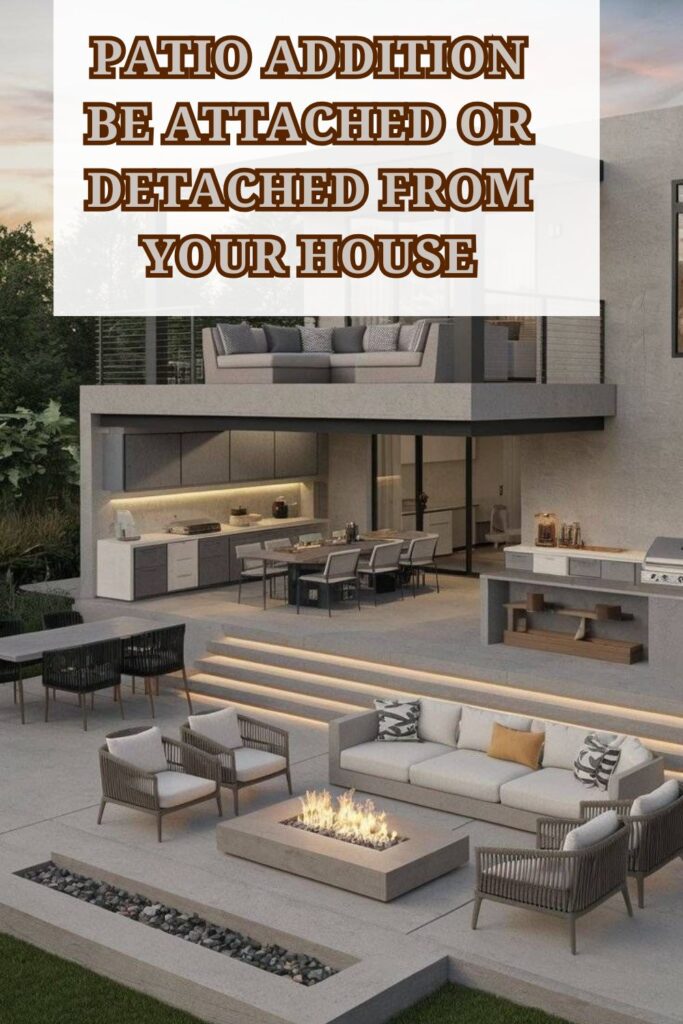
The connection decision impacts costs, functionality, and structural requirements significantly. Each approach offers distinct advantages for different situations.
Attached patio designs create seamless transitions from interior rooms, feeling like true living space extensions rather than separate backyard features. You’ll access outdoor areas through existing doors without crossing yard space, maintaining connection during conversations when some guests remain inside. Attached versions protect home foundations from sun exposure and can reduce cooling costs by shading exterior walls. However, attachment requires proper ledger board installation, critical flashing installation preventing water intrusion, and structural coordination with existing framing. Mistakes at connection points cause the majority of patio failures including rot, water damage, and structural separation. Detached patios offer placement flexibility and position them anywhere in your yard to capture sun, shade, or views. They avoid complex structural attachments and allow phased construction without impacting your home. Detached versions work beautifully as destination spaces like poolside retreats or garden focal points. The tradeoff is less convenient access requiring you to cross yard space, limiting functionality during bad weather or when carrying food and drinks.
What Flooring Materials Work Best for Outdoor Patio Additions?
Material selection balances aesthetics, durability, maintenance, and budget. Each option excels in specific applications rather than one being universally superior.
Concrete foundations provide the most economical and versatile base, costing $4-$8 per square foot for basic broom-finished surfaces. Stamped concrete mimicking stone, brick, or tile adds visual interest at $8-$15 per square foot while maintaining concrete’s durability. Stained or colored concrete creates custom looks at modest premiums. Concrete withstands heavy furniture, requires minimal maintenance, but develops cracks over time and feels hard underfoot. Pavers deliver sophisticated aesthetics using natural stone, concrete units, or clay bricks laid in patterns over sand or gravel bases ($10-$25 per square foot installed). Individual units allow easy repairs without replacing entire sections, plus permeable versions improve drainage significantly. Natural flagstone creates organic, irregular patterns with rich textures at $15-$30 per square foot. Each piece is unique, though irregular shapes complicate installation and increase labor costs. Composite decking ($15-$35 per square foot) eliminates wood maintenance while providing comfortable, slip-resistant surfaces. Elevated deck structures improve drainage and allow underfloor access for utilities. Brick pavers offer timeless traditional aesthetics at $12-$20 per square foot with excellent durability and easy repairs.
How Do You Properly Attach a Patio Addition to Your House?
Connection points between new construction and existing structures require meticulous attention. Improper attachment causes expensive water damage and structural failures.
Ledger board installation forms the critical connection where your patio roof or elevated deck attaches to your home’s exterior wall. Remove siding at attachment points to expose wall sheathing or framing. Install pressure-treated lumber or composite ledger boards directly against sheathing, using 1/2-inch lag screws or through-bolts spaced every 16-24 inches into solid framing members. Never attach ledgers only to siding or sheathing bolts that must penetrate into wall studs or band boards for adequate support. Flashing installation provides waterproofing above ledger boards. Install self-adhering membrane flashing over the ledger, extending up behind the siding at least 6 inches. Metal Z-flashing goes over the membrane, tucking under siding above and covering the ledger top. Multiple layers create redundant protection water that passes one barrier and encounters another. Caulk all penetrations where bolts pass through flashing, though avoid sealing the bottom edge of flashing (water needs exit routes if it enters). Improper flashing causes rot inside wall cavities, often discovered only after extensive damage occurs. Hire experienced contractors familiar with proper flashing details this is not an area for DIY experimentation.
What Drainage Solutions Prevent Water Problems Around Patio Additions?
Water management protects both your patio and home foundation from the most common and expensive problems. Proper drainage systems require planning before construction begins.
Surface drainage through proper slope remains your first defense; all patio surfaces must grade away from your home at minimum 1/4 inch per foot. This seems subtle but prevents water from pooling or flowing toward foundations. Extend this slope at least 10 feet beyond the patio edge before leveling off or reversing direction. Perimeter drains intercept water before it reaches problem areas. French drains perforated pipes buried in gravel trenches collect runoff and channel it to safe discharge points. Install these along the outer patio edge, routing water away from both the patio and your home. Gutters on Outdoor Patio Addition prevent water from cascading off roof edges, causing erosion and splash-back against your home. Connect downspouts to underground drainage pipes extending water 10-15 feet from structures. Permeable paving materials like permeable pavers or porous concrete allow water infiltration rather than forcing all runoff to flow elsewhere. These work beautifully in environmentally-conscious designs but may not suit areas with poor soil drainage or high water tables. Never create grading or drainage that directs water toward neighbors’ properties; this causes disputes and potential liability.
Should You Include a Roof or Cover on Your Patio Addition?
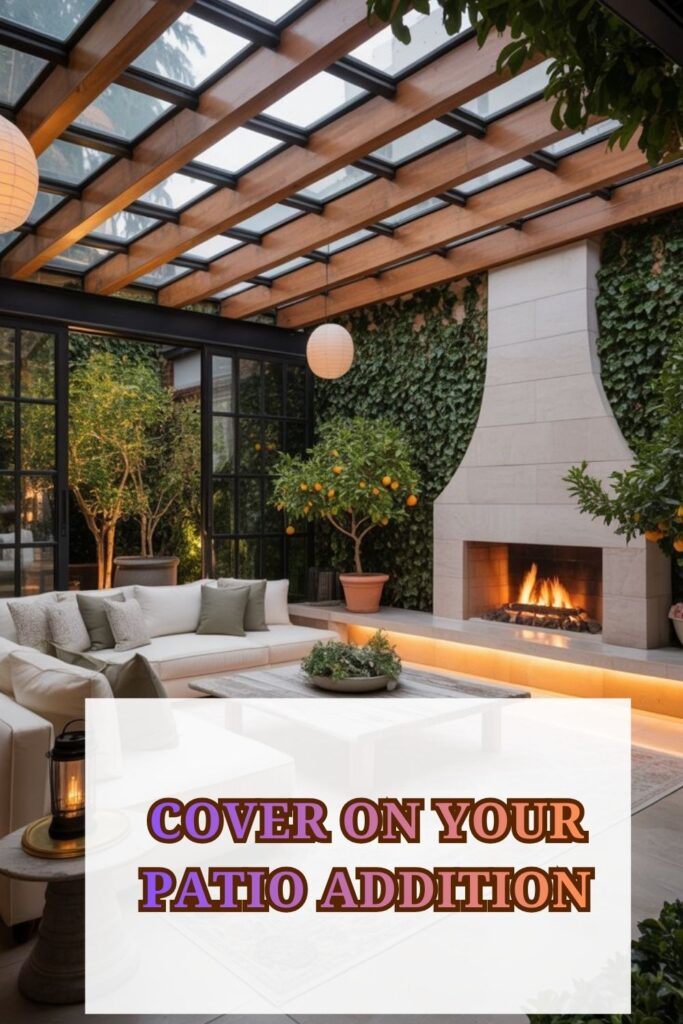
Overhead coverage dramatically affects both functionality and cost. Understanding these tradeoffs helps you invest appropriately for your climate and usage patterns.
Covered patio additions extend usable seasons significantly by providing weather protection and shade. You’ll entertain during light rain, avoid midday sun exposure, and protect furniture from the elements. Solid roof structures using shingles, metal roofing, or tile create complete coverage at $35-$85 per square foot including framing, roofing materials, gutters, and support posts. Match your home’s existing roof style, pitch, and materials for cohesive aesthetics. Gable roofs with peaked centers provide traditional looks and excellent water drainage. Shed roofs slope in single directions, offering simpler construction and modern aesthetics. Pergolas deliver partial coverage through slatted roofs or open beam designs at $8-$25 per square foot. They provide architectural interest and filtered shade while maintaining open-air ambiance. Add retractable shade cloth, climbing vines, or translucent panels for adjustable coverage. Shade sails create contemporary designs using tensioned fabric panels suspended between posts ($500-$3,000 depending on size). Retractable awnings ($2,000-$8,000) offer on-demand coverage, extending or retracting based on weather conditions.
What Electrical and Lighting Features Should Your Patio Addition Include?
Strategic electrical planning during construction prevents expensive retrofitting while expanding functionality significantly. Plan circuits and fixtures based on how you’ll actually use the space.
Dedicated electrical circuits prevent overloading your home’s existing systems. Most codes require 20-amp circuits for outdoor spaces with multiple outlets and lighting. GFCI (ground fault circuit interrupter) protection is mandatory for all outdoor receptacles, protecting against electrical shock in wet conditions. Installing weatherproof outlet boxes at least every 12 feet along the perimeter is better since extension cords become trip hazards and weather poorly outdoors. Overhead ambient lighting provides primary illumination for activities. Recessed canister lights in covered ceilings offer clean aesthetics at 100-150 watts LED equivalent per 100 square feet. Pendant fixtures or chandeliers create focal points over dining tables. Task lighting illuminates specific work zones like outdoor kitchens or bars. Under-counter LED strips provide prep area lighting without occupying counter space. Accent lighting highlights architectural features, plantings, or water features using low-voltage LED spotlights. Install dimmer switches for all lighting circuits, allowing you to adjust intensity for different activities bright for cooking and dining, dimmed for conversation and ambiance. Consider wiring for future additions like speakers, televisions, or ceiling fans even if you’re not installing them immediately.
How Do Outdoor Patio Additions Affect Property Value and ROI?
Understanding property value increase and return on investment justifies expenses and guides spending decisions. Well-executed additions deliver financial returns alongside lifestyle improvements.
Real estate analyses show quality outdoor living space additions return 60-90% of costs at resale, with covered patios performing better than uncovered versions. A $25,000 covered patio might add $15,000-$22,500 to your home’s appraised value. Geographic location dramatically impacts returns to warm climates where outdoor spaces function year-round see higher ROI than cold regions with limited outdoor seasons. Palm Springs patios outperform Minneapolis equivalents in value recovery. Integration quality matters tremendously, professional installations matching your home’s architecture using complementary materials add more value than obvious budget afterthoughts. Features like outdoor kitchens, fireplaces, and high-end finishes appeal to luxury buyers but may not return full investments unless your neighborhood supports those price points. The lifestyle value often exceeds financial returns for long-term homeowners. Improved entertaining capacity, expanded functional space, and enhanced daily enjoyment provide value that doesn’t appear in appraisals but significantly improves home satisfaction.
Can You Add Outdoor Kitchens, Fireplaces, or Fire Pits to Patio Additions?
Amenity integration transforms basic patio extensions into comprehensive outdoor rooms rivaling interior spaces. Planning utilities during construction costs far less than retrofitting later.
Outdoor kitchens range from simple built-in grills ($2,000-$5,000) to complete cooking centers with refrigerators, sinks, storage, and counter space ($15,000-$50,000+). Built-in gas grills need natural gas or propane lines run during construction. Electrical circuits support refrigerators, lighting, and small appliances. Running water to sinks requires both supply lines and drainage connections, the most complex and expensive utility addition. Choose weather-resistant materials including stainless steel appliances, marine-grade polymer cabinets, and granite or concrete countertops that withstand temperature extremes and moisture. Fireplaces create dramatic focal points providing warmth and ambiance at $3,000-$15,000 depending on size and materials. Prefabricated fireplace kits simplify installation compared to custom masonry construction. Fire pits offer flexibility as permanent built-in features ($1,500-$8,000) or portable units ($300-$2,000) you reposition seasonally. Gas fire features provide convenient operation without wood storage or smoke concerns. Maintain minimum clearances from structures typically 10-15 feet from buildings and 3-5 feet from combustible railings or furniture per fire codes.
What Are the Best Low-Maintenance Options for Outdoor Patio Additions?
Time-strapped homeowners prioritize easy-care materials and designs that remain beautiful with minimal effort. Strategic choices reduce maintenance from hours weekly to occasional attention.
Composite or PVC decking eliminates wood maintenance cycles of cleaning, sanding, staining, and sealing simply spray clean occasionally. Stamped concrete surfaces require resealing every 2-3 years but otherwise need only power washing. Avoid materials demanding frequent attention: natural wood decking needs annual maintenance, gravel requires periodic replenishment and weeding, and certain pavers require regular re-sanding of joints. Native plant landscaping around your patio reduces watering, fertilizing, and pest management compared to high-maintenance ornamentals. Automated irrigation systems ($1,500-$5,000) eliminate manual watering while conserving water through smart controllers that adjust for weather. LED lighting never needs bulb replacement for 15-20 years, unlike traditional fixtures requiring annual bulb changes. Built-in storage keeps patio accessories organized and protected sealed cabinets, weatherproof deck boxes, or under-bench storage prevent clutter from accumulating. Outdoor furniture covers or cushion storage protects fabrics when not in use, dramatically extending lifespan with minimal effort.
Read More About: 27+ Beautiful Second Story Patio Ideas for Modern Homes
How Do You Select and Hire Contractors for Patio Additions?
Contractor selection determines whether your project succeeds or becomes a nightmare of delays, cost overruns, and quality issues. Thorough vetting prevents most common problems.
Start with referrals from friends, family, or neighbors who recently completed similar projects. Online reviews provide additional insights, though verify particularly positive or negative reviews through additional research. Interview at least three contractors, requesting detailed written bids that itemize materials, labor, timeline, and payment schedules. Avoid “time and materials” arrangements without caps; fixed-price contracts protect you from cost overruns. Verify licensing (required in most states for projects exceeding $500-$1,000), bonding (protects you if contractors abandon projects), and insurance (general liability and workers’ compensation). Ask for certificates of insurance and call insurers to verify active policies. Check contractor references thoroughly to contact at least three past clients, asking about communication, adherence to budgets and timelines, and overall satisfaction. Would they hire this contractor again? Visit completed projects if possible, evaluating quality firsthand. Review proposed contracts carefully before signing, ensuring they specify materials by brand and model, include detailed payment schedules tied to milestones rather than dates, and outline warranty terms clearly. Never pay more than 10-15% upfront larger deposits enable contractor disappearances.
What Timeline Should You Expect for Outdoor Patio Addition Projects?
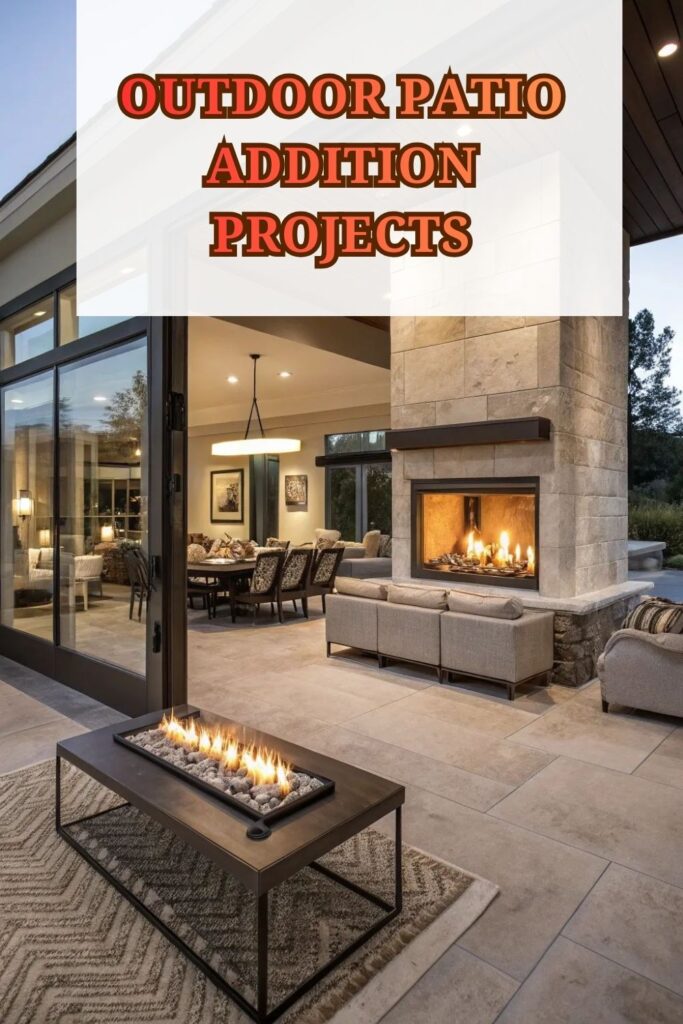
Realistic scheduling prevents frustration and helps coordinate contractors, material deliveries, and personal plans around construction disruption.
Simple uncovered ground-level patios require 1-3 weeks from excavation through completion. This includes site preparation (2-3 days), base installation and compaction (2-4 days), paving or concrete work (1-2 days), and curing or setting time (3-7 days depending on materials). Outdoor Patio Addition extend timelines to 4-8 weeks due to additional framing, roofing, electrical work, and finishing details. Complex projects incorporating outdoor kitchens, extensive utilities, custom features, and luxury finishes take 8-16 weeks. Permit processing adds 2-8 weeks before construction begins; simple projects in efficient jurisdictions process quickly while complex builds in backlogged municipalities face longer waits. Weather impacts schedules significantly rain prevents concrete pours and complicates excavation work. Heat waves and extreme weather could also delay certain construction phases. Schedule projects during your region’s optimal construction season when possible. Material availability affects timelines particularly for custom or specialty items unique pavers, custom cabinetry, or special-order fixtures may require 6-12 week lead times. Plan projects well in advance, ordering long-lead items early. Inspection scheduling adds days between construction phases as you wait for building department appointments factor this into overall timeline expectations.
What Common Mistakes Should You Avoid With Patio Additions?
Learning from others’ errors saves thousands in corrections and prevents regrets. These frequent pitfalls catch even experienced homeowners.
Undersizing remains the most common regret patios feeling spacious on paper seem cramped once furniture fills them. Add 20-30% to your initial size estimates and consider future needs as your family grows or entertainment increases. Neglecting drainage guarantees expensive problems within 2-5 years as water damages structures, erodes landscaping, or floods adjacent areas. Invest in proper grading and drainage systems from the beginning. Skipping permits creates legal nightmares when selling, refinancing, or filing insurance claims. Always work through official channels regardless of advice suggesting otherwise. Choosing materials based solely on initial costs without considering maintenance requirements leads to buyer’s remorse. That cheap wood decking needs annual maintenance costing thousands over its lifetime. Improper attachment to existing structures causes most patio failures to hire experienced contractors who understand proper ledger board and flashing installation. DIY attempts save money initially but create expensive repairs later. Ignoring sun and wind patterns results in unusable spaces that become too hot, too shaded, or too exposed. Observe your yard throughout days and seasons before finalizing placement. Forgetting future utility needs means missing opportunities to run conduit or plumbing rough-ins during construction when it’s simple and cheap.
Frequently Asked Questions
How long does an outdoor patio addition last before needing replacement?
Properly constructed patios last 20-30+ years with appropriate maintenance. Concrete and paver patios easily exceed 30 years, though may need surface repairs like crack filling or re-leveling individual pavers. Composite decking lasts 25-30 years, wood decking 15-20 years with maintenance. Roofing components match typical roof lifespans, asphalt shingles 20-25 years, metal roofing 40-50+ years. Quality construction with proper drainage dramatically extends lifespans.
Can you build an outdoor patio addition yourself to save money?
Handy homeowners can tackle simple ground-level paver or concrete patios, saving 40-60% on labor costs. However, projects involving structural attachments to your home, roofing, electrical work, or elevated platforms require professional expertise. Mistakes in flashing, structural connections, or grading cause expensive damage outweighing labor savings. Consider a hybrid approach to hire professionals for complex elements while handling simpler tasks like landscaping or furniture selection.
Do outdoor patio additions increase property taxes?
Most municipalities reassess property values periodically, factoring in improvements like patio additions. Simple uncovered patios minimally impact assessments, adding perhaps 1-3% to taxable value. Covered patios or enclosed rooms increase assessments more substantially 5-15% depending on size and quality. The annual tax impact might be $50-$500+ depending on your home’s value and local tax rates. Check with your local assessor’s office for specific guidance.
What’s the minimum size for a functional outdoor patio addition?
Budget 120-150 square feet minimum for basic functionality: a small dining table with four chairs plus minimal circulation space. Comfortable entertaining spaces start at 200-300 square feet, allowing distinct dining and lounging zones. Outdoor kitchens require an additional 80-120 square feet beyond seating areas. Consider your typical guest count and intended activities when sizing.
How close to property lines can you build outdoor patio additions?
Setback requirements vary by municipality; typical residential setbacks range from 3-10 feet from side and rear property lines. Corner lots often face stricter requirements. Covered structures may have different setbacks than uncovered patios. Height restrictions also apply, typically limiting structures to 15-20 feet tall. Always verify local zoning codes before finalizing plans to avoid expensive corrections.
Will homeowners insurance cover outdoor patio additions?
Standard policies typically cover attached patio structures as part of your dwelling coverage, though you may need to increase coverage limits to reflect the added value. Detached structures might require separate coverage or fall under “other structures” provisions (typically 10% of dwelling coverage). Contact your insurer before construction begins to verify adequate coverage and understand any rate impacts, which typically increase 2-5% for substantial additions.
Conclusion
An outdoor patio addition represents one of the most rewarding home improvement investments, delivering expanded living space, enhanced property value, and improved quality of life simultaneously. Success requires careful planning around structural requirements, realistic budgeting including 15-20% contingencies, proper permitting, and thoughtful material selection balancing aesthetics with maintenance realities. Whether you choose a simple patio extension or an elaborate covered patio addition with comprehensive amenities, prioritizing quality construction over cosmetic shortcuts ensures decades of reliable use and enjoyment.
Begin your project by defining primary goals do you need dining space, lounging areas, outdoor cooking capabilities, or all three? Establish realistic budgets including professional fees for design, engineering, and construction. Consult experienced contractors early, verifying their credentials thoroughly and reviewing past projects. Your backyard patio addition should enhance your home functionally and aesthetically for years to come. Invest the time upfront in proper planning and professional execution, and you’ll create an outdoor living space that becomes your home’s most beloved feature and gathering place.