25+ Small Backyard Gardens Ideas for glorious Outdoor Retreats

You look at your cramped backyard and see wasted potential. That narrow strip along the fence sits empty. The concrete patio feels cold and uninviting. Limited square footage makes you think beautiful outdoor gardens exist only for people with sprawling properties. Meanwhile, your friends share photos of their stunning garden spaces, and you wonder why your small backyard never quite comes together despite your efforts.
This frustration intensifies when you realize how much time you spend indoors staring at that underwhelming outdoor space. Every unused corner represents missed opportunities for relaxation, entertainment, or growing your own herbs and vegetables. You’ve tried a few planters here and there, but nothing creates the cohesive, magazine-worthy backyard garden you crave. The problem isn’t your space, it’s knowing how to maximize every single inch strategically.
The solution transforms limitations into advantages. Small backyard gardens actually offer unique benefits: easier maintenance, lower costs, faster project completion, and intimate spaces perfect for urban living. This comprehensive guide delivers 30+ actionable small outdoor garden ideas specifically designed for compact backyards. You’ll discover vertical gardening techniques, space-saving layouts, container strategies, and design tricks that make tiny yards feel expansive and luxurious.
Why Small Backyard Gardens Offer Unique Advantages
Small backyard gardens require significantly less maintenance time than sprawling landscapes, making them perfect for busy professionals and families. You can complete weekly garden care in 30-45 minutes compared to 3-4 hours for large properties. This efficiency means you spend more time enjoying your outdoor space rather than endlessly weeding and mowing.
Budget considerations favor small garden designs dramatically. Material costs drop 60-70% when working with compact spaces. That expensive decorative gravel becomes affordable when covering 150 square feet instead of 1,000. High-quality plants remain accessible since you need fewer specimens to create full, lush looks. Professional landscaping services cost less for small backyards, with typical installations running $2,000-5,000 versus $10,000-25,000 for large properties.
Small outdoor gardens create intimate, cozy atmospheres impossible to achieve in vast yards. These spaces feel like outdoor rooms extensions of your home rather than separate territories. Conversations flow naturally in compact settings without shouting across expanses. String lights and outdoor speakers work better in smaller areas, creating an immersive ambiance with minimal equipment.
Environmental benefits matter too. Small backyard gardens reduce water consumption by 40-60% compared to traditional lawns. You can hand-water efficiently, avoiding sprinkler waste. Native plant selections thrive in contained spaces, supporting pollinators while requiring minimal resources. Your compact garden delivers outsized environmental impact per square foot.
Vertical Garden Ideas That Maximize Limited Space
Vertical gardening revolutionizes small backyard potential by moving plants upward instead of outward. Wall-mounted planters hold herbs, succulents, or flowers at eye level, creating living art that doesn’t consume floor space. Install vertical pocket planters made from recycled felt along fences or exterior walls. These systems hold 20-30 plants in spaces measuring just 3 feet wide by 5 feet tall.
Trellis systems transform blank walls into productive growing areas for vegetables and flowering vines. Mount sturdy trellises 6 inches away from walls to allow air circulation behind plants. Grow cucumbers, pole beans, or sugar snap peas vertically, harvesting 3-4 times more produce than ground plantings. Flowering vines like clematis or morning glories soften hard architectural lines while providing seasonal color explosions.
Tiered planter stands create three-dimensional displays in corners and along walkways. These stepped structures display 6-12 containers in footprints measuring just 2 feet square. Mix trailing plants on upper tiers with upright specimens below for balanced compositions. Rotate seasonal annuals easily without replanting entire beds.
Living walls represent the ultimate vertical garden solution for small outdoor spaces. Pre-planted wall panels install in hours, creating instant lush backdrops. Choose systems with built-in irrigation for easier maintenance. Plant selections should include drought-tolerant species like sedums, ferns, and creeping Jenny that handle vertical growing conditions. These living wall gardens cost $150-400 for DIY kits covering 4-6 square feet.
Container Garden Strategies for Flexible Backyard Layouts
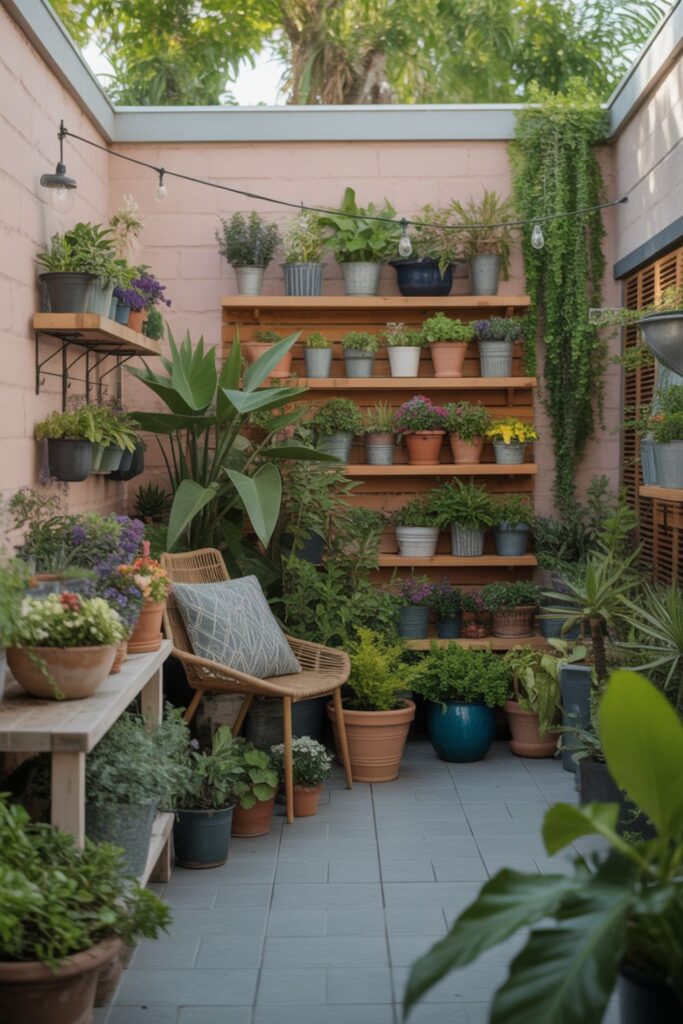
Container gardening delivers maximum flexibility for small backyards, allowing you to rearrange layouts seasonally or for entertaining. Large containers measuring 18-24 inches diameter support small trees, shrubs, or substantial perennial plantings. Group containers in odd numbers (3, 5, 7) for visually appealing arrangements that feel intentional rather than random.
Choose lightweight container materials like fiberglass or resin for mobility without sacrificing durability. These modern containers mimic ceramic, concrete, or terracotta appearances while weighing 60-75% less. Easy repositioning matters in small spaces where furniture and plant arrangements need flexibility for different uses.
Self-watering containers reduce maintenance demands while improving plant health. These systems feature built-in reservoirs that wick moisture to roots gradually, preventing both overwatering and drought stress. Self-watering technology extends vacation periods from 3-4 days to 7-10 days without plant damage. This reliability matters for small backyard gardens where every plant’s health visibly impacts overall aesthetics.
Mix container sizes and heights to create dynamic garden displays with depth and interest. Place tall containers (24-30 inches) behind shorter ones (12-18 inches) to establish layers. Include ground-level pots, mid-height planters, and elevated specimens on stands. This varied topography makes small gardens feel larger by leading eyes vertically through space.
How to Create Garden Zones in Compact Backyards
Garden zoning divides small backyards into distinct areas serving different purposes without physical walls. Designate a dining zone with bistro table and chairs, a planting zone with raised beds or borders, and a relaxation zone with comfortable seating. This organization makes compact spaces function like much larger properties.
Use level changes to define zones subtly. Build a raised deck for dining elevated 6-12 inches above ground plantings. This vertical separation creates clear boundaries while maintaining visual flow. Sunken seating areas work oppositely, dropping conversation spaces slightly below grade for cozy, protected feelings.
Outdoor rugs establish zones instantly without permanent construction. Place weather-resistant rugs under seating groups or dining sets to anchor furniture psychologically. These textile elements add color and pattern while defining specific activity areas. Choosing rugs sized appropriately leaving 12-18 inches of exposed patio around edges creates intentional rather than cramped looks.
Plant selections can mark zone transitions effectively. Use taller plants (3-4 feet) as natural dividers between dining and lounging areas. Ornamental grasses, compact shrubs, or container-grown small trees create permeable boundaries that separate without blocking views or airflow. This living zoning approach feels organic in small backyard gardens.
Read More About: Best Interior Garden Ideas to Transform Your Home
Small Backyard Patio Ideas That Maximize Usability
Patio surfaces should consume 30-40% of small backyard square footage to provide adequate entertaining and circulation space. Choose materials that complement home architecture natural stone suits traditional homes, concrete pavers fit contemporary designs, and brick creates cottage charm. Material selection dramatically impacts perceived space size.
Light-colored patio materials make small backyards feel more spacious by reflecting sunlight and creating bright, airy atmospheres. Cream limestone, pale concrete, or light gray pavers expand visual boundaries. Avoid dark materials in tiny spaces since they absorb light and create heavy, closing-in effects.
Patio shapes influence space perception significantly. Curved patios soften small backyard corners and create flowing movement. Square or rectangular patios maximize usable surface area in geometric spaces. Irregular shapes with notched corners accommodate existing trees or architectural features while adding visual interest.
Integrate patio planters directly into hardscape designs. Leave planting pockets within paving patterns for small trees, ornamental grasses, or colorful perennials. These integrated plantings blur lines between hardscape and softscape, making patios feel like seamless garden extensions rather than separate elements plopped down.
Raised Garden Bed Designs for Small Outdoor Spaces
Raised garden beds solve multiple small backyard challenges simultaneously: poor soil quality, drainage issues, and efficient space utilization. Standard beds measuring 4 feet wide by 8 feet long fit most compact yards while remaining accessible from all sides. This sizing allows easy reach to centers without stepping in beds.
Elevate raised beds 24-30 inches high for comfortable gardening without bending or kneeling. These waist-high gardens suit aging gardeners and those with mobility limitations. Deeper beds also provide excellent drainage and extended growing seasons since soil warms faster in spring.
Vertical raised bed systems stack growing areas for ultra-efficient small space gardening. Tiered beds create three levels of planting in footprints measuring just 4 feet square. Plant deep-rooted vegetables like tomatoes in bottom tiers, medium-depth crops like lettuce in middle sections, and shallow-rooted herbs on top levels.
Material choices for raised beds impact longevity and aesthetics. Cedar and redwood resist rot naturally, lasting 10-15 years. Composite lumber eliminates wood maintenance while providing 20-25 year lifespans. Corrugated metal creates industrial-chic raised beds perfect for modern small backyard designs, with galvanized steel lasting 30+ years.
Lighting Solutions That Transform Small Backyards After Dark
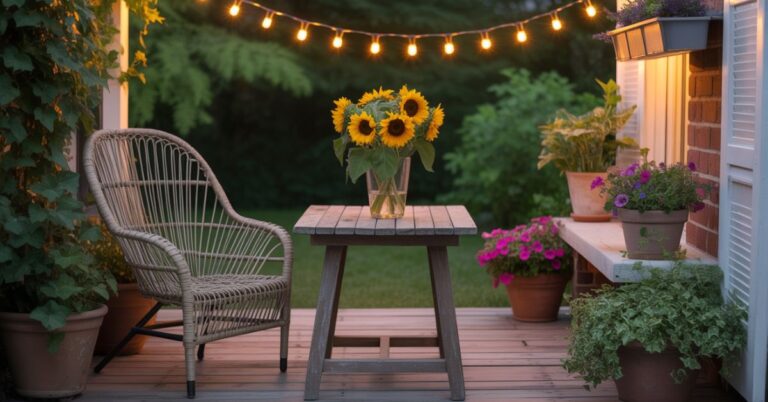
String lights deliver maximum atmospheric impact for minimal investment in small backyard gardens. Hang lights overhead in zigzag patterns or create canopy effects by draping from house to fence. LED string lights use 75% less energy than incandescent versions while lasting 25,000+ hours. Choose warm white (2700K) for inviting, restaurant-quality ambiance.
Path lighting improves safety while highlighting garden features beautifully. Install low-voltage LED path lights every 6-8 feet along walkways, positioning fixtures 12-18 inches from path edges. This placement illuminates walking surfaces without creating harsh glare. Solar path lights work well for small spaces since you need fewer fixtures and can avoid wiring hassles.
Uplighting creates dramatic effects by illuminating trees, architectural features, or walls from ground level. Position uplights 12-24 inches from targets, angling beams to graze textures and cast interesting shadows. This technique adds perceived height to small backyards by drawing eyes upward toward illuminated canopies.
Lanterns and candles provide flexible accent lighting perfect for entertaining in compact outdoor spaces. Group flameless LED candles in varying heights on tables and ledges for romantic glow without fire hazards. Hang weather-resistant lanterns from shepherd hooks or tree branches to create layers of warm light throughout gardens.
Water Features for Compact Garden Spaces
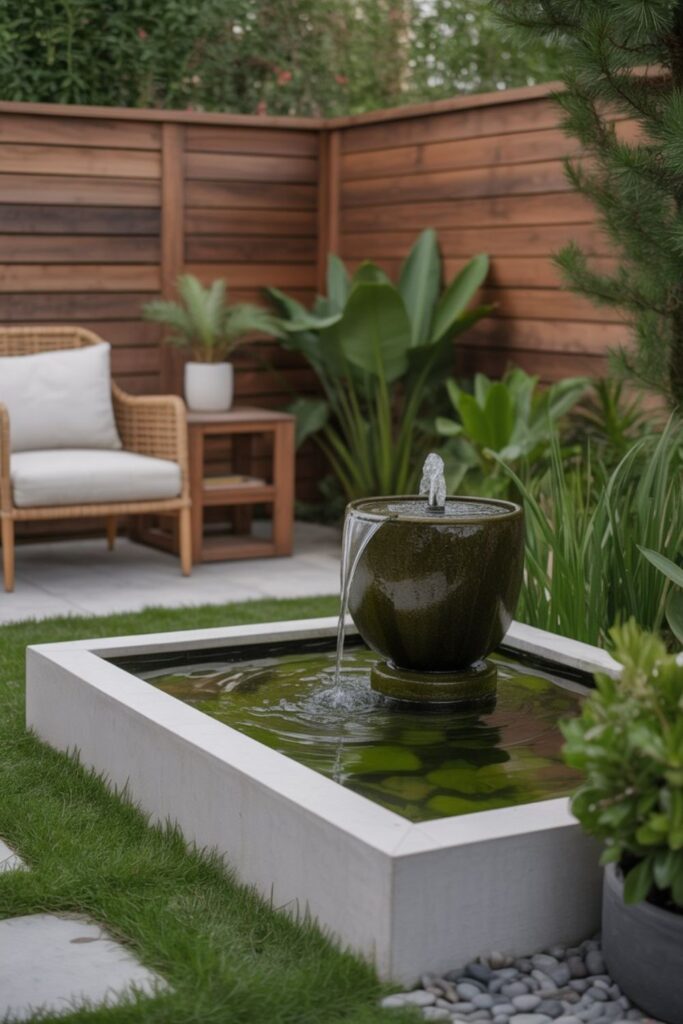
Small water features introduce soothing sounds and movement to backyard gardens without dominating limited space. Tabletop fountains measuring 12-18 inches square fit on patio tables or tucked into planting beds. These miniature features create ambient water sounds audible within 10-15 feet perfect for small yard acoustics.
Wall-mounted water features save precious ground space while providing vertical interest. Mount flowing wall fountains on fences or exterior walls, creating focal points visible from indoor living areas. These space-saving features typically measure 24-36 inches tall and project just 8-12 inches from mounting surfaces.
Container water gardens combine aquatic plants with water features in single elements. Use glazed ceramic pots measuring 20-24 inches diameter as mini ponds. Add dwarf water lilies, floating plants, and small fountain pumps. These self-contained ecosystems require minimal maintenance weekly water top-ups and monthly fertilizing.
Pondless waterfalls deliver impressive water movement without pond maintenance in small backyards. Water cascades over rocks into hidden underground reservoirs, then recirculates via pumps. These features create larger visual and audio impact than their 3-4 foot footprints suggest, making them ideal for compact garden installations.
Privacy Solutions That Don’t Overwhelm Small Yards
Living privacy screens create natural barriers without solid fences that shrink small backyards visually. Plant columnar evergreens like ‘Green Giant’ arborvitae or ‘Sky Pencil’ holly in narrow beds along property lines. These vertical plants grow 12-15 feet tall while remaining just 3-4 feet wide, providing privacy without consuming valuable yard space.
Lattice panels attached to existing fences add height and climbing plant support without substantial footprints. Mount lattice extensions 1-2 feet above fence tops, training vines like jasmine, climbing roses, or clematis upward. This layered approach creates dense screening while maintaining airy, open feelings.
Portable privacy screens offer flexibility for small outdoor spaces where permanent installations feel too confining. Use large planters on casters filled with bamboo or tall ornamental grasses. Position these mobile screens to block specific sight lines during entertaining, then relocate them when more open space is needed.
Outdoor curtains provide soft, adjustable privacy for small backyard patios. Install curtain rods on pergolas or between posts, hanging weather-resistant fabric panels. These textiles add color, pattern, and romance while offering privacy control to pull curtains closed for intimate gatherings or tie back for open, spacious feelings.
What Are the Best Plants for Small Backyard Gardens
Dwarf varieties deliver full-sized plant impact in compact forms perfect for small gardens. Dwarf fruit trees produce abundant harvests while remaining 6-8 feet tall. Compact shrubs like ‘Little Princess’ spirea or ‘Blue Muffin’ viburnum provide flowers and structure without overwhelming limited backyard space.
Multi-season plants maximize interest in small gardens where every plant must perform admirably year-round. Choose specimens offering spring flowers, summer foliage, fall color, and winter structure. Examples include redtwig dogwood, oakleaf hydrangea, and coral bark Japanese maple. These hardworking plants justify their space with four-season appeal.
Vertical growers stretch upward rather than spreading outward in compact backyards. Columnar evergreens, climbing vines, and plants with upright habits save ground space while providing screening, flowers, or edibles. Train cucumbers, beans, and tomatoes on trellises to maximize vegetable production per square foot.
Native plants adapted to your region thrive with minimal inputs crucial for low-maintenance small backyard gardens. Native species require less water, fertilizer, and pest control than exotic alternatives. They support local pollinators while reducing maintenance time. Consult regional native plant societies for species recommendations suited to your specific climate zone.
How to Design Small Backyard Gardens That Feel Spacious
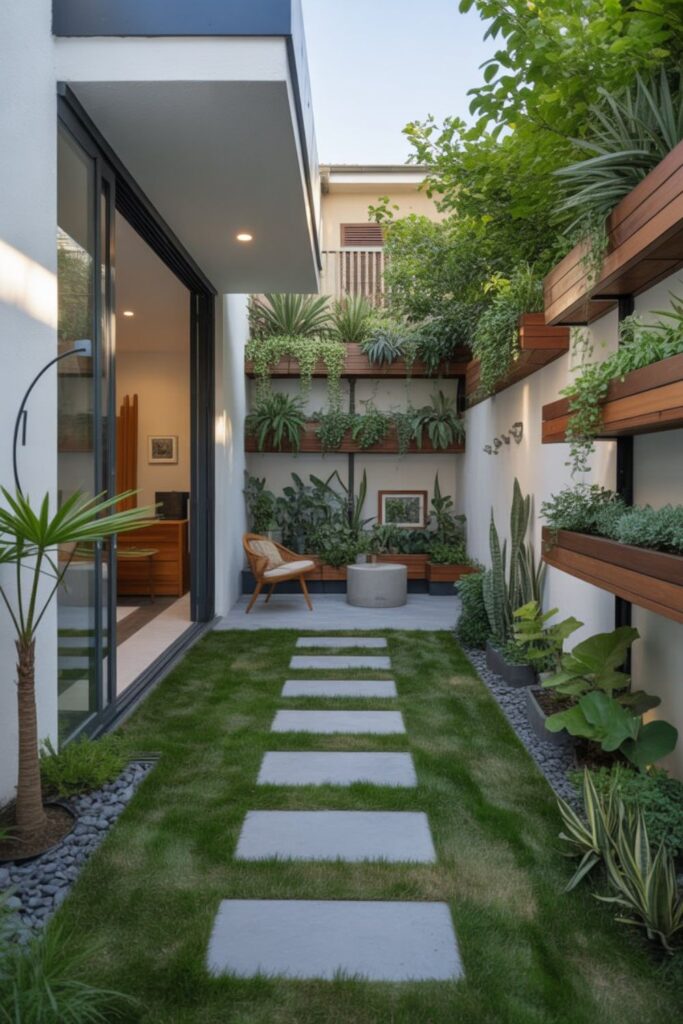
Light color palettes visually expand small backyard boundaries by reflecting light and creating airy atmospheres. Paint fences in pale grays, soft whites, or light taupes. Choose light-colored paving materials and planters. Use white, cream, silver, and pale yellow flowers to maintain bright, open feelings throughout gardens.
Diagonal layouts make small spaces feel larger by forcing eyes along longest possible sight lines. Position patios, paths, or planting beds at 45-degree angles to house walls. This design trick maximizes perceived distance by avoiding obviously short measurements parallel to structures.
Mirrors strategically placed in small gardens create illusions of extended space and additional depth. Mount weatherproof garden mirrors on fences surrounded by climbing plants for hidden garden effects. Position mirrors to reflect attractive garden areas, doubling visible plantings. Avoid placing mirrors where they reflect neighboring properties or create bird-strike hazards.
Layered plantings establish depth perception through foreground, middle ground, and background elements. Position low plants (6-12 inches) in front, medium specimens (2-3 feet) in middle zones, and taller plants (4-6 feet) behind. This graduated height arrangement leads eyes progressively through small gardens, creating journey effects that make spaces feel much larger.
Small Backyard Fire Pit and Seating Ideas
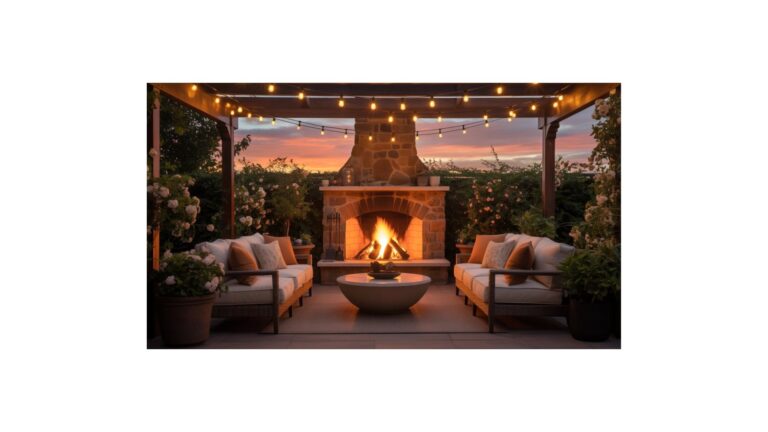
Compact fire pits measuring 24-30 inches diameter provide warmth and ambiance without dominating small backyards. Choose gas or propane models for clean burning without wood storage requirements. These fuel sources offer adjustable flames and instant on/off control practical for small space living where convenience matters.
Built-in seating around fire pits maximizes usable space in compact yards. Construct low masonry walls (16-18 inches high) topped with cushions, creating permanent seating that doesn’t require stored furniture. This integrated approach feels custom and intentional while saving space.
Portable fire bowls offer flexibility for small backyard layouts requiring multiple configurations. Move lightweight fire features aside when hosting larger gatherings, then reposition them for intimate evening gatherings. Propane fire bowls provide portability without sacrificing safety or performance.
Fire pit zones should maintain proper clearances even in small spaces 10 feet from structures and overhanging trees. Use heat-resistant paving under and around fire features. Position seating 3-4 feet from fire pit edges for comfortable warmth without excessive heat. This spacing works well in compact backyards measuring 15 feet or wider.
Budget-Friendly Small Garden Ideas Under $500
Painted fences deliver dramatic impact for minimal investment in small backyard transformations. Quality exterior paint costs $30-45 per gallon, covering 300-400 square feet. Choose sophisticated colors like charcoal gray, sage green, or navy blue to create modern backdrops highlighting plants beautifully. This single improvement revolutionizes small garden aesthetics for under $150.
DIY raised beds built from untreated pine or recycled pallets create productive garden spaces for $50-100 per 4×8 bed. Add quality soil and compost for another $60-80. Plant high-value vegetables like tomatoes, peppers, and lettuce to recoup costs through grocery savings. These functional gardens pay dividends while beautifying small backyards.
Gravel paths cost just $2-4 per square foot installed DIY significantly cheaper than pavers or concrete. Edge paths with steel or plastic edging, lay landscape fabric, and spread 2-3 inches of decorative gravel. A 3-foot-wide by 15-foot-long path costs $90-180 in materials while defining garden zones professionally.
Upcycled containers transform into charming garden planters for free or minimal costs. Paint old buckets, drawers, or wooden crates with outdoor paint ($8-12 per can). Drill drainage holes and fill with quality potting soil. These characterful containers add personality to small gardens while keeping budgets manageable.
Small Backyard Deck Ideas That Add Living Space
Ground-level decks work beautifully in small backyards with flat terrain, eliminating stairs and railings that consume space. Build decks 6-8 inches above grade using pressure-treated lumber or composite materials. This low profile maintains open sight lines while creating defined outdoor rooms.
Floating deck sections provide modular solutions for compact yards requiring flexible layouts. Build 8×8 or 10×10 foot deck modules that sit directly on gravel bases. Arrange sections to accommodate existing trees, utility areas, or garden beds. Rearrange modules seasonally or relocate them entirely if you move.
Deck materials impact longevity and maintenance requirements significantly. Pressure-treated lumber costs $2-3 per square foot but requires annual sealing. Composite decking runs $4-6 per square foot with minimal maintenance, no sealing or staining for 25+ years. Consider long-term value when selecting materials for small backyard projects.
Built-in deck planters integrate greenery without sacrificing usable floor space. Frame planter boxes directly into deck perimeters, filling with perennials, small shrubs, or herbs. These integrated plantings soften hardscape edges while keeping surfaces clear for furniture and traffic flow.
Shade Garden Ideas for Small Shaded Backyards
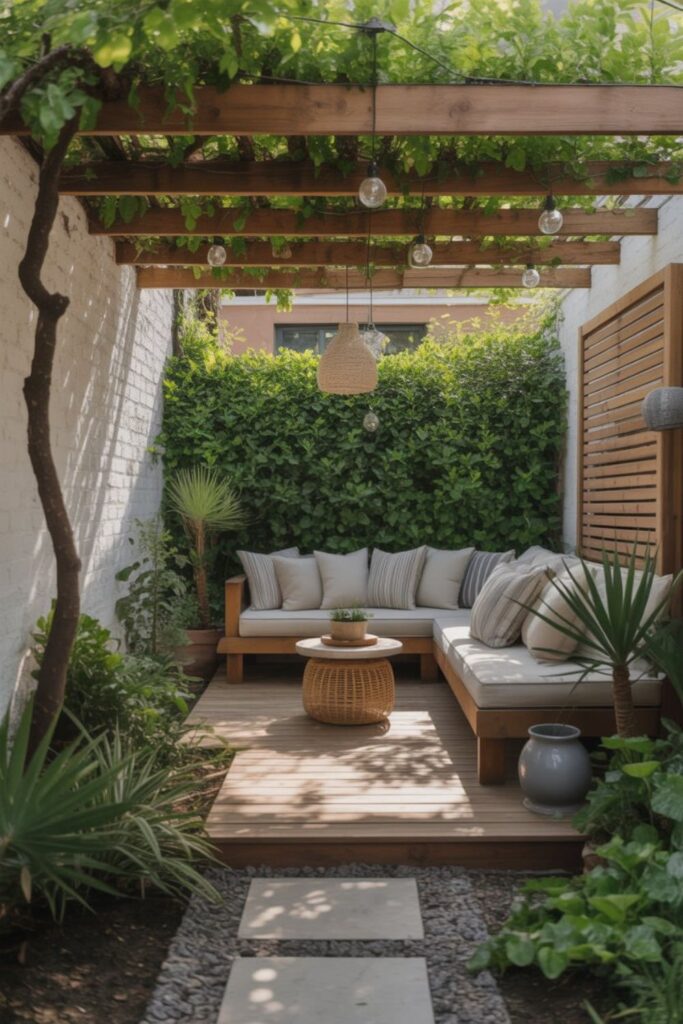
Shade-loving plants transform challenging small backyards into lush, tranquil retreats. Hostas offer an incredible foliage variety in sizes from 6 inches to 3 feet tall. Ferns provide textural contrast with delicate fronds. Astilbes deliver feathery flower plumes in pink, white, or red throughout summer.
Light-colored elements brighten shady small gardens substantially. Use white gravel paths, cream-colored planters, and pale paving materials to reflect available light. Plant white-variegated hostas, white-flowering astilbes, and white impatiens for glowing effects in low-light conditions.
Layered shade plantings create depth and interest where sun-loving flowers won’t thrive. Position taller shade perennials like ligularia (3-4 feet) behind medium-height hostas (18-24 inches), with low groundcovers like sweet woodruff (6-8 inches) in front. This graduated arrangement maximizes visual impact in shaded backyard spaces.
Shade structures expand usable outdoor time in sunny small backyards. Install pergolas with retractable shade canopies or grow fast-spreading vines like grape or wisteria overhead. These features create comfortable outdoor rooms during hot afternoons while maintaining open, airy feelings.
How to Incorporate Edible Gardens in Small Backyards
Container vegetable gardens produce impressive harvests from small backyard patios and decks. Grow tomatoes, peppers, and eggplants in 5-gallon containers. Plant lettuce, herbs, and radishes in 12-18 inch pots. Cherry tomato varieties yield 10-15 pounds per plant in containers with substantial production from minimal space.
Vertical vegetable gardens maximize edible production in compact yards. Train cucumbers, pole beans, and peas on trellises or obelisks. These climbing crops produce 3-4 times more per square foot than bush varieties. Vertical growing also improves air circulation, reducing disease pressure on plants.
Edible landscaping integrates food production with ornamental elements seamlessly. Replace foundation shrubs with blueberry bushes offering spring flowers, summer fruit, and fall color. Use herbs like rosemary, lavender, and sage as border plants. Plant strawberries as edible groundcovers. These multi-functional plants beautify small gardens while providing harvests.
Succession planting extends harvests throughout growing seasons in small backyard gardens. Sow lettuce and radishes every 2 weeks for continuous production. Replace spring peas with summer beans, then fall broccoli. This intensive approach maximizes productivity from limited garden space.
Small Backyard Lawn Alternatives That Reduce Maintenance
Clover lawns require 75% less mowing than grass while staying green during droughts. White clover tolerates foot traffic, fixes nitrogen naturally, and provides pollen for bees. Establish clover by overseeding existing lawns or planting pure stands. This lawn alternative thrives in small backyards with minimal inputs.
Artificial turf eliminates mowing, watering, and fertilizing entirely appealing for ultra-low-maintenance small yards. Modern synthetic grass looks remarkably realistic, with varied blade heights and colors. Installation costs $8-12 per square foot but requires zero ongoing maintenance. Turf stays green year-round regardless of weather or drought conditions.
Groundcover plantings replace grass with low-growing perennials forming living carpets. Creeping thyme releases fragrance when walked upon while producing tiny purple flowers. Sedum varieties create succulent mats requiring minimal water. These plants work beautifully in small backyard zones receiving light foot traffic.
Mulched areas with meandering paths eliminate grass altogether in compact gardens. Spread 3-4 inches of hardwood mulch or bark across entire yards, creating sweeping planting beds. Install stepping stone paths for circulation. This approach reduces maintenance to occasional mulch refreshing while supporting extensive plantings.
Read More About: Best Arch In Garden Ideas to Transform Your Outdoor Space
Corner Garden Ideas That Utilize Awkward Spaces
Corner planting beds transform dead backyard zones into focal points. Create curved beds flowing from corner angles, softening harsh 90-degree intersections. Plant with graduated heights tall specimens in back corners, medium plants in middle areas, and low groundcovers in front. This layered approach maximizes corner visibility.
Corner seating nooks turn unused small backyard areas into destinations. Position curved benches or small conversation sets in corners, surrounded with container plants or raised planters. These intimate zones provide retreat feelings while utilizing space that would otherwise sit empty.
Water features excel in backyard corners where sound carries effectively throughout spaces. Position small fountains or wall-mounted water elements in corners for auditory appeal without blocking views. Corner placement allows water sounds to radiate into entire yards from discrete positions.
Vertical corner gardens make dramatic use of two-walled intersections. Install tall trellises or wire grids in corners, training climbing plants to cover both walls simultaneously. This technique creates lush green corners that soften architectural hardness while maximizing planting in minimal footprints.
Small Backyard Pool and Spa Ideas
Plunge pools measuring 8-12 feet long fit small backyards while providing refreshing swim options. These compact pools work perfectly for cooling off, lap swimming with tether systems, or aquatic exercise. Modern plunge pools include built-in seating and jet systems, functioning as combination pools and spas.
Above-ground pools offer affordability and flexibility for small backyard spaces. Contemporary models feature attractive steel or resin walls in neutral colors that blend with landscapes. Deck surrounds elevate above-ground pools to inground aesthetics while providing deck space for lounging and entertaining.
Hot tubs deliver relaxation and entertainment in footprints measuring just 6-8 feet square. Position spas on reinforced patios near houses for convenient access and electrical connections. Surround with privacy screens, planters, and lighting to create spa-like atmospheres in small backyard corners.
Swim spas combine pools and spas in single 12-16 foot units perfect for compact yards. These dual-purpose features provide current-assisted lap swimming plus hot tub seating and jets. Swim spas cost less than traditional inground pools while requiring minimal space ideal for small backyard properties.
Seasonal Color Strategies for Year-Round Interest
Four-season planting plans ensure small backyard gardens provide interest throughout entire years. Choose spring bulbs like daffodils and tulips, summer perennials like coneflowers and salvia, fall mums and asters, and winter evergreens with berries. This succession approach prevents seasonal dead zones.
Container rotation keeps small gardens perpetually fresh. Maintain reserve containers with seasonal plants ready to swap into prominent positions. Replace tired summer annuals with fall mums in September, then switch to evergreen arrangements with winter berries. This rotation system maintains peak appearance year-round.
Evergreen structure provides a consistent backdrop for seasonal changes in small backyards. Plant boxwood, holly, or dwarf conifers as permanent elements, then layer seasonal color around these anchors. Evergreens prevent small gardens from looking bare during winter dormancy.
Ornamental grasses extend visual interest deep into winter with seed heads and attractive dormant foliage. Plant compact varieties like ‘Hameln’ fountain grass or blue fescue in small garden beds. These grasses provide movement and texture when most perennials have died back, maintaining garden structure.
FAQs
How much does it cost to landscape a small backyard?
Small backyard landscaping costs $2,000-8,000 depending on project scope, with DIY approaches costing 40-60% less. Basic makeovers including plants, mulch, and simple patios run $2,000-3,500, while comprehensive renovations with decks, lighting, and water features reach $6,000-8,000.
What is the best low-maintenance plant for small backyards?
Ornamental grasses require minimal care while providing year-round interest in small gardens. Varieties like maiden grass, fountain grass, and blue fescue need only annual spring cutbacks, no deadheading, and thrive with minimal water once established.
How can I make my small backyard feel larger?
Use light colors, diagonal layouts, and layered plantings to expand perceived space. Avoid solid fences instead use see-through railings or planted screens. Keep center areas open with furniture and gardens along perimeters to maximize usable space.
What size patio works for a small backyard?
Patios should occupy 30-40% of total backyard square footage. For a 400-square-foot yard, plan 120-160 square feet of patio enough for a dining table with four chairs plus small seating group.
Can I have a garden without grass in my backyard?
Yes, grass alternatives like clover, groundcovers, mulched beds, or artificial turf create beautiful low-maintenance backyards. Many modern small garden designs eliminate grass entirely, focusing on patios, planters, and ornamental beds instead.
How do I design a small backyard on a budget?
Prioritize DIY projects like painted fences ($100-200), gravel paths ($150-300), and container gardens ($200-400). Phase projects over multiple seasons rather than completing everything at once. Focus on high-impact improvements first: good lighting, seating, and colorful plants transform spaces affordably.
Conclusion
Small backyard gardens deliver oversized impact when designed with intention and creativity. Every square foot matters in compact outdoor spaces, making strategic planning essential for success. The ideas presented here prove that limited space never limits potential vertical gardens, container plantings, clever zoning, and multi-functional elements transform tiny yards into luxurious retreats rivaling much larger properties.
Start your small backyard transformation by identifying your top priorities: entertaining, vegetable gardening, relaxation, or combination goals. Then layer solutions addressing multiple needs simultaneously raised beds doubling as seating walls, pergolas providing shade and climbing plant support, or containers creating privacy while growing herbs. Remember that small gardens evolve beautifully over time as plants mature and your skills grow. Begin with foundational improvements like quality seating and lighting, then expand plantings seasonally as budget and time allow. Your small backyard holds incredible potential waiting to emerge through thoughtful design and loving care.