30+ Small Yard Outdoor Living Space Ideas

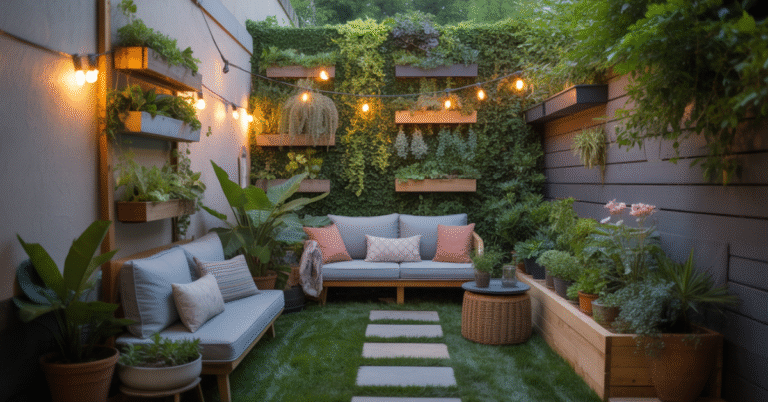
A small yard outdoor living space can be just as functional and inviting as a larger one when designed with intention. With the right layout, smart furniture choices, and space-saving features, even the most compact yard can transform into a comfortable extension of your home. From cozy seating areas to multi-purpose zones for dining or relaxing, thoughtful design helps maximize every square foot without feeling cluttered.
Creating a small yard outdoor living space is all about balance combining style, comfort, and practicality. Strategic use of vertical elements, built-in seating, and layered lighting can visually expand the area while improving usability. Whether you prefer a modern, rustic, or minimalist aesthetic, smart design solutions allow your small yard to become a welcoming retreat for everyday living and entertaining.
Transform Your Cramped Backyard Into a Stunning Retreat
You stare at your small yard outdoor living space and see wasted potential. That narrow strip of grass feels too cramped for furniture, too awkward for entertaining, and too boring to inspire weekend relaxation. Meanwhile, your neighbor’s expansive deck mocks you from across the fence, and Instagram feeds overflow with sprawling patios that seem worlds away from your reality.
Here’s the truth that changes everything: small yard outdoor living spaces often outperform their larger counterparts in comfort, intimacy, and style. Limited square footage forces intentional design choices that create cozy retreats rather than overwhelming expanses. You don’t need acreage to build an outdoor room that rivals any resort cabana.
This guide reveals how to maximize space through strategic furniture placement, vertical gardening techniques, and clever zoning techniques that carve multiple functional areas from minimal real estate. You’ll discover budget-friendly solutions that transform cramped corners into your favorite household destination, whether you’re working with a compact patio design, a tiny backyard, or even just a balcony living setup.
Why Small Outdoor Spaces Actually Offer Design Advantages
Small yard outdoor living spaces eliminate the paralysis of endless options that plague large property owners. Your constraints become creative catalysts. A 200-square-foot small outdoor area demands purpose for every element, which naturally produces cohesive design that feels curated rather than cluttered.
Research from the American Society of Landscape Architects shows that homeowners with compact patio design challenges report higher satisfaction rates because their spaces feel “complete” rather than perpetually unfinished. You’ll spend less on materials, maintenance, and utilities while achieving faster project completion. Intimate garden design creates psychological comfort that vast lawns cannot replicate; humans naturally gravitate toward enclosed spaces that provide both prospect and refuge.
How to Measure and Assess Your Small Yard Outdoor Living Space
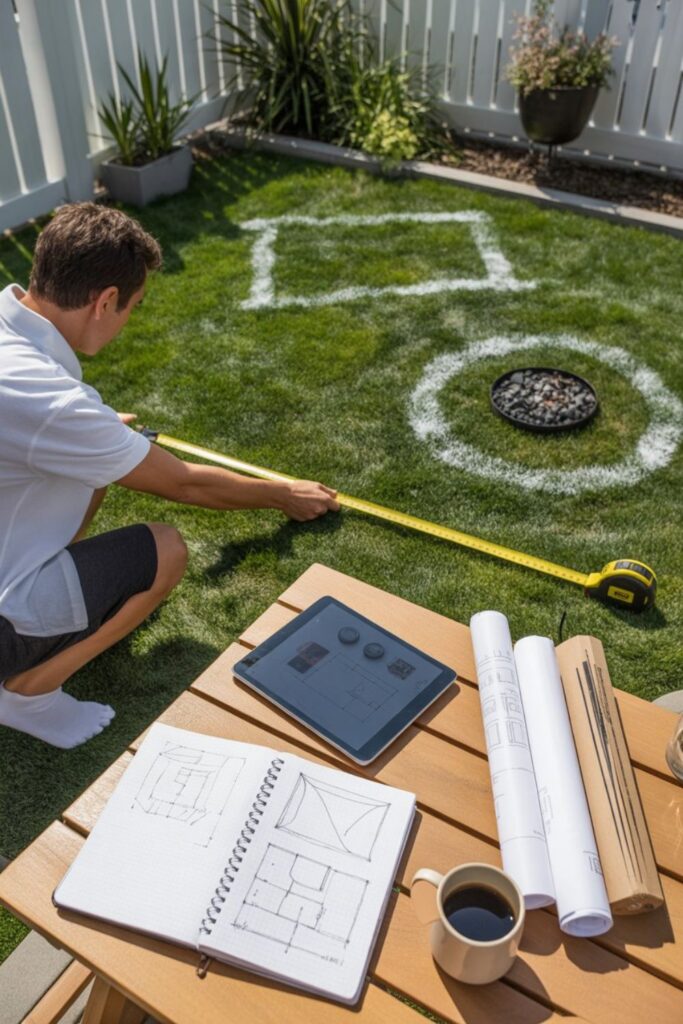
Walk your perimeter with a tape measure and smartphone. Record exact dimensions, noting obstacles like downspouts, utility boxes, and mature tree roots you cannot remove. Photograph your small outdoor area from multiple angles throughout the day to track sun patterns and shadow movement.
Identify microclimates within your tiny backyard: that corner that stays cooler, the wall that radiates afternoon heat, the section that dries fastest after rain. These variations guide plant selection and furniture placement. Measure vertical space too, since walls and fences become prime real estate in small yard outdoor living space design. Mark existing features worth preserving, like established shrubs that provide instant privacy screens or architectural elements that add character.
Essential Space-Saving Furniture for Compact Outdoor Areas
Multi-functional furniture forms the backbone of successful small outdoor area design. Benches with lift-top storage solve seating and organization simultaneously. Folding bistro sets disappear when you need open floor space for yoga or kids’ play. Nesting tables adapt to solo morning coffee or impromptu dinner parties without permanently claiming square footage.
Choose furniture with exposed legs rather than solid bases visual transparency makes compact patio design feel larger. Opt for armless chairs that slide completely under tables. According to interior designers at Houzz, space-saving furniture with rounded edges improves flow in small yard outdoor living spaces by eliminating sharp corners that create traffic bottlenecks. Wall-mounted drop-leaf tables provide dining surfaces that fold flat against fences when not needed, reclaiming valuable floor area in your cozy outdoor space.
Smart Furniture Dimensions for Small Yards
Standard patio furniture overwhelms tiny backyard layouts. Target loveseat dimensions around 50-60 inches rather than full-size sofas. Select coffee tables under 36 inches long. Apartment-scale outdoor furniture collections from brands like IKEA and West Elm specifically address small outdoor area constraints with proportional pieces that maintain comfort without bulk.
Vertical Gardening Techniques That Multiply Your Growing Space
Vertical gardening transforms fences, walls, and railings into productive landscapes. Wall-mounted planters, pocket gardens, and climbing trellises add greenery without consuming ground-level real estate. A single vertical garden panel can host 20-30 plants in the footprint of one container garden.
Install floating shelves at varying heights to create layered plant displays that draw eyes upward, making your small yard outdoor living space feel taller and more expansive. Use espalier techniques to train fruit trees flat against sunny walls, a method that produces full harvests in spaces as narrow as 18 inches. Vertical gardening systems like Tower Gardens or modular living walls provide soil-free options perfect for renters creating temporary balcony living sanctuaries.
Climbing vines on lattice panels serve triple duty as privacy screens, visual interest, and natural air conditioning. Clematis, jasmine, and climbing roses reach 8-12 feet tall while occupying less than one square foot of ground space. Hang planters from pergola beams or fence posts to activate overhead zones typically wasted in small outdoor areas.
Creating Distinct Zones in Your Tiny Backyard
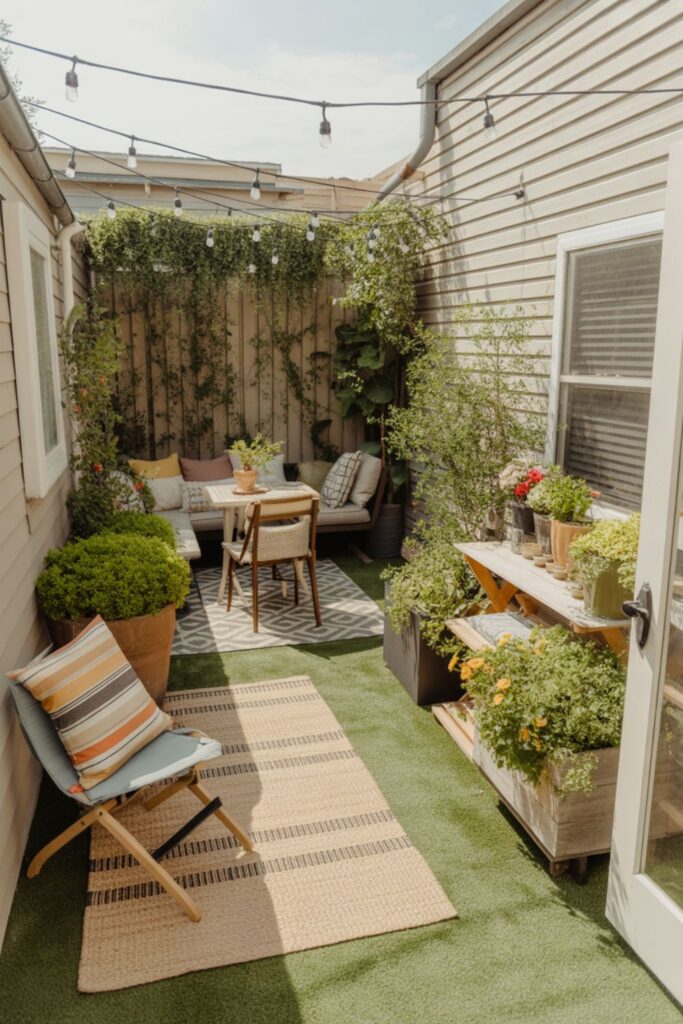
Zoning techniques carve multiple rooms from single spaces. Define a dining zone with an outdoor rug, a lounging area with different flooring material, and a garden zone with raised beds or container gardens. Visual separators like low planters or changes in elevation tell your brain these are distinct destinations, not one cramped square.
The Cornell University Cooperative Extension recommends dedicating 60% of your small yard outdoor living space to one primary function, then allocating the remaining 40% to secondary activities. If dining matters most, prioritize a quality table and chairs, then tuck a small reading nook into the remaining corner. Trying to accommodate everything equally results in nothing working well.
Use partial privacy screens, lattice panels, tall grasses in planters, bamboo dividers to create implied boundaries without solid walls that shrink perception. These transparent barriers maintain sightlines while psychologically separating activities. A three-foot-tall planter filled with ornamental grasses between your seating area and garden beds provides separation that doesn’t feel claustrophobic in your compact patio design.
Read More About: 25+ Outdoor Patio Inspo Ideas to Create a Stylish and Relaxing Space
Lighting Design Strategies for Small Outdoor Spaces
Lighting design extends usability into evening hours while adding depth and dimension. String lights zigzagged overhead create a ceiling effect that defines boundaries in open small outdoor areas. Solar pathway lights along perimeter edges push visual boundaries outward, making spaces feel larger than daytime reveals.
Layer three lighting types for professional results: ambient (overhead string lights or pendant fixtures), task (reading lights near seating, spotlights on cooking areas), and accent (uplighting on trees or architectural features). According to landscape lighting specialists at Kichler, warm white LEDs (2700-3000K) create an inviting cozy outdoor space ambiance, while cooler temperatures feel institutional.
Install dimmers on any hardwired fixtures to adjust intensity for different moods bright for dinner parties, subdued for romantic evenings. Battery-operated LED candles in lanterns provide moveable accent lighting without fire hazards or smoke. Lighting design costs matter less than placement; strategic positioning of even budget-friendly fixtures outperforms expensive but poorly located installations in small yard outdoor living spaces.
Budget-Friendly Materials That Maximize Style and Function
Budget-friendly doesn’t mean cheap-looking. Concrete pavers cost less than natural stone but offer similar visual impact when arranged in interesting patterns. Gravel provides excellent drainage and contemporary aesthetics at a fraction of deck ideas expenses. Stained concrete transforms boring slabs into custom surfaces that rival high-end tile.
Repurpose indoor items for outdoor duty bookshelves become potting benches, side tables convert to plant stands, colorful indoor cushions refresh tired outdoor furniture when stored between uses. Salvage yards and architectural reuse centers stock unique elements like vintage doors that become privacy screens or reclaimed wood that builds custom benches for your tiny backyard.
DIY solutions slash costs dramatically. Building a simple pergola from dimensional lumber costs $200-400 compared to $2,000+ for prefab kits. Painting existing fences or adding peel-and-stick tile to concrete creates fresh looks for under $100. According to HomeAdvisor data, homeowners who tackle three or more DIY elements in their small yard outdoor living space projects save an average of 60% compared to contractor-completed equivalents.
Cost-Effective Flooring Options
| Material | Cost per sq ft | Durability | DIY-Friendly |
| Pea Gravel | $1-3 | Moderate | Yes |
| Concrete Pavers | $3-6 | High | Yes |
| Composite Decking | $8-12 | Very High | Moderate |
| Outdoor Rugs | $2-5 | Low-Moderate | Yes |
Privacy Solutions That Don’t Shrink Your Space
Privacy screens need not wall you in. Slatted panels, laser-cut metal screens, or living walls provide seclusion while maintaining airflow and partial views that prevent claustrophobia. Bamboo fencing offers dense coverage at budget prices, growing quickly if you plant living varieties in your small outdoor area.
Tall planters with columnar evergreens create moveable privacy that adapts as needs change. Clumping bamboo, Italian cypress, or arborvitae reach 8-12 feet while staying narrow enough for compact patio design constraints. Plant three specimens in a row for effective screening that still feels natural rather than fortress-like in your small yard outdoor living space.
Shade sails or outdoor curtains mounted on tension rods provide adjustable privacy plus sun protection. Retract them for open-air dining, extend them for intimate gatherings. These temporary solutions suit renters creating balcony living retreats who cannot permanently modify structures. Layer different heights of plants and structures rather than installing one solid barrier varied screening creates depth that makes cozy outdoor spaces feel larger.
What Type of Outdoor Furniture Works Best in Small Yards?
Multi-functional furniture with storage capabilities and folding or nesting features dominates successful small yard outdoor living space designs. Benches with hinged seats hide cushions and garden tools. Ottomans with removable tops store outdoor dining accessories. Murphy-style wall-mounted tables fold up when not serving meals in your tiny backyard.
Material choice impacts perceived space. Glass-topped tables look lighter than solid wood. Metal frames appear less bulky than upholstered pieces. Acrylic or lucite chairs provide seating that virtually disappears, maintaining open sightlines in compact patio design layouts. The National Association of Home Builders reports that transparent outdoor furniture materials increase perceived space by 15-20% in confined areas.
Scale matters tremendously. Measure twice before purchasing that loveseat that fits perfectly in a showroom may overwhelm your actual small outdoor area. Look for apartment-scale or bistro-sized collections specifically designed for space-saving furniture needs. Prioritize comfortable seating over quantity; four quality chairs beat eight cheap ones that make your cozy outdoor space feel like a furniture warehouse.
How Can I Make My Small Backyard Look Bigger?
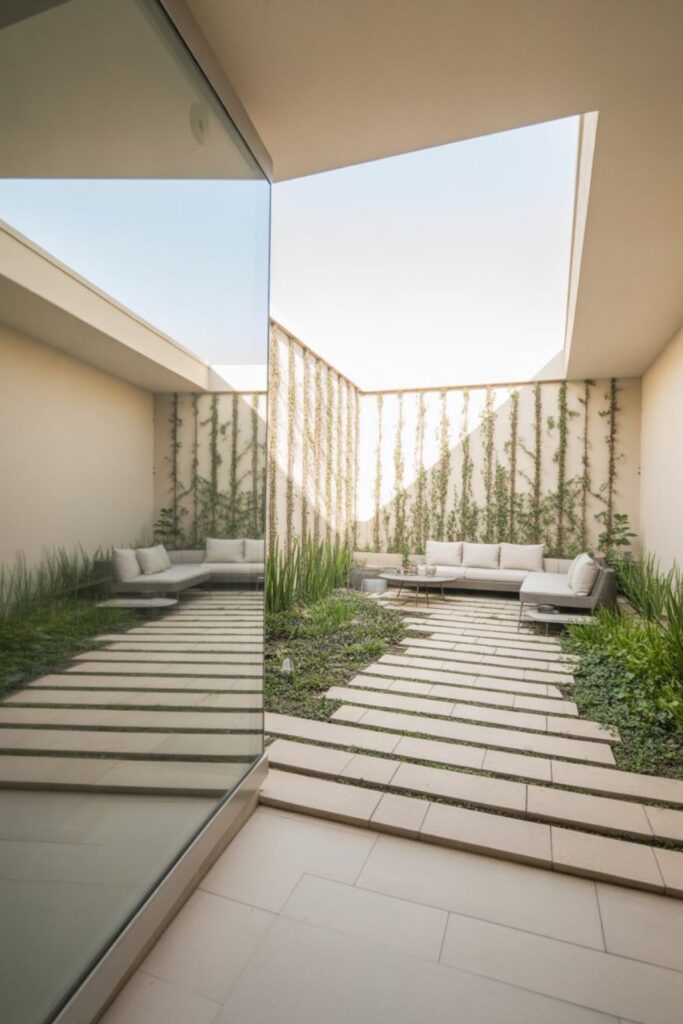
Maximize space perception through strategic design tricks. Paint fences in light colors that reflect light rather than absorb it. Install diagonal pavers or decking that creates dynamic lines pulling eyes across rather than straight back. Use large-format pavers instead of small ones; fewer grout lines create cleaner, more expansive looks in your small yard outdoor living space.
Create a focal point at the furthest corner to draw attention to depth. A striking sculpture, colorful planter arrangement, or small water feature pulls focus through the entire space rather than stopping at the immediate foreground of your tiny backyard. Curved pathways feel longer than straight shots, adding perceived distance to compact patio design layouts.
Limit your color palette to three complementary tones. Too many competing colors fragment space and create visual chaos. Repeating the same plants in multiple locations unifies the landscape, making your small outdoor area feel intentional rather than randomly assembled. According to landscape architects at Architectural Digest, monochromatic planting schemes with varied textures increase perceived space by creating depth without color competition.
Space-Expanding Visual Tricks
- Use mirrors on fences to reflect greenery and double visual space
- Install horizontal board fencing instead of vertical to widen appearance
- Choose low-profile furniture under 30 inches tall to maintain sightlines
- Incorporate one oversized element (large pot, bold artwork) to anchor the design
- Remove lawn entirely green carpets make small yard outdoor living spaces look miniaturized
Container Garden Strategies for Maximum Impact
Container gardens provide flexibility impossible with in-ground planting. Move pots to follow sunlight, rearrange for parties, swap out seasonal displays, or take favorites with you if you move from your small outdoor area. Group containers in odd-numbered clusters (3, 5, 7) for professional designer impact in your cozy outdoor space.
Select pots at least 14-18 inches in diameter for most plants undersized containers require constant watering and limit root development. Self-watering planters reduce maintenance while supporting healthy growth. According to the Container Gardening Guide from Better Homes & Gardens, container garden success depends more on proper pot size than plant selection.
Create height variation by elevating some pots on stands or mounting brackets. Trailing plants in raised containers cascade downward, adding vertical interest to your small yard outdoor living space. Use lightweight resin or fiberglass pots instead of ceramic or concrete if weight matters; rooftop and balcony living situations often have strict load limits.
Adding a Pergola or Overhead Structure to Small Spaces
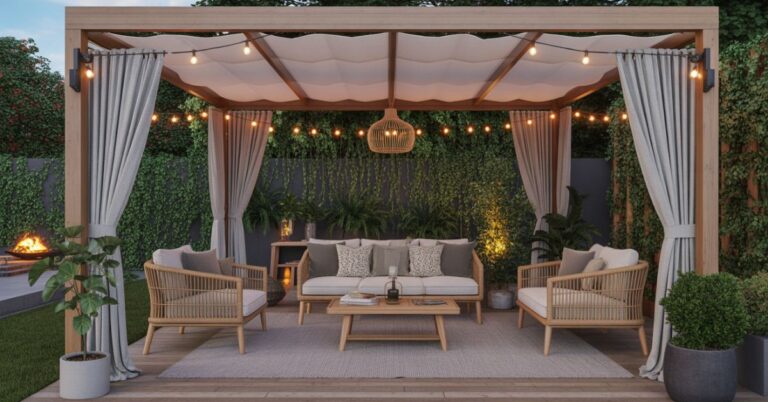
A pergola defines outdoor rooms while maintaining open, airy feelings. The overhead framework creates psychological boundaries without solid walls that would shrink your small outdoor area. Attach one end to your home and support the other with two posts for space-efficient designs that don’t consume excessive ground area in your compact patio design.
Size pergolas proportionally an 8×10 foot structure suits most tiny backyard spaces without overwhelming them. Add retractable shade fabric, climbing vines, or string lights to the beams for functionality and charm. According to Remodeling Magazine’s Cost vs. Value Report, pergolas return 60-70% of installation costs at resale while dramatically improving daily enjoyment of small yard outdoor living spaces.
Paint your pergola the same color as adjacent structures to unify the design and avoid a choppy appearance. White or light neutral tones keep things airy while dark colors create dramatic contemporary statements. DIY options using pressure-treated lumber cost $300-600, while cedar or composite materials range from $1,000-2,500 depending on size and complexity for your cozy outdoor space.
Deck Ideas for Compact Outdoor Living Areas
Ground-level deck ideas work beautifully in small outdoor areas where raised platforms would feel disproportionate. Build a low platform deck flush with your doorway to create seamless indoor-outdoor flow. Diagonal decking boards add visual interest and make spaces feel wider than straight patterns in your small yard outdoor living space.
Multi-level decks create distinct zones without walls. Drop one section down 6-12 inches for a conversation pit or raise another area to define dining space. Built-in benches along deck perimeters provide seating without freestanding furniture that clutters your tiny backyard. Integrate planters directly into deck framing to combine hardscape and landscape in space-efficient designs.
Composite decking requires less maintenance than wood but costs 30-50% more initially. For budget-friendly deck ideas, pressure-treated lumber with quality stain delivers good performance at lower investment. Add under-deck skirting with hinged panels for hidden storage that keeps garden tools and cushions accessible but invisible in your compact patio design.
What Are the Best Plants for Small Yard Outdoor Living Spaces?
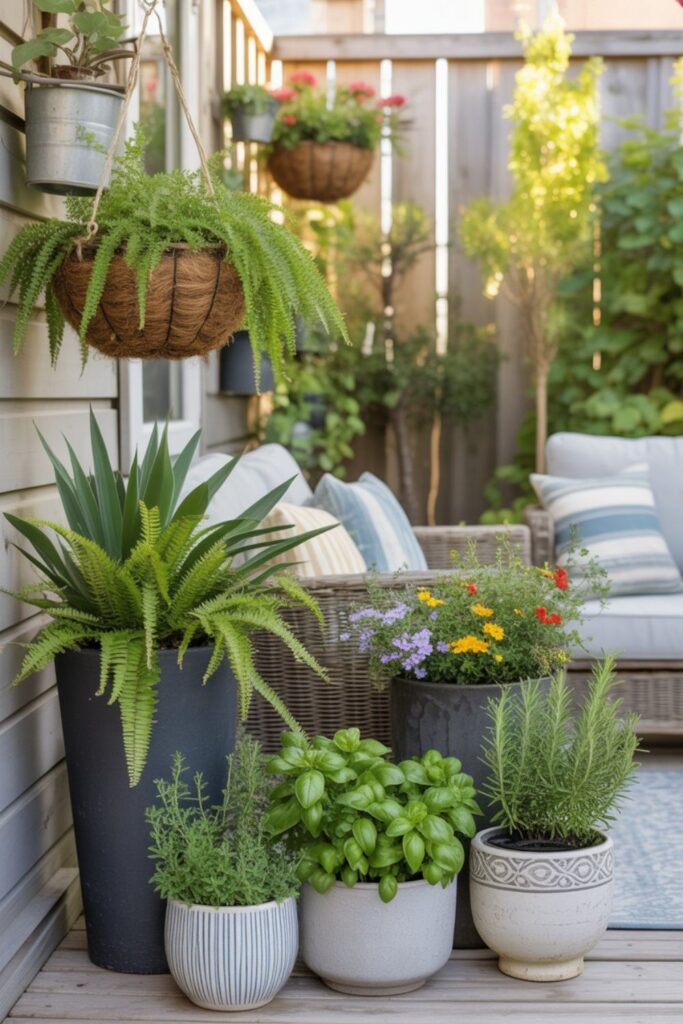
Columnar or dwarf varieties prevent plant overgrowth that swallows small outdoor areas. Sky Pencil holly reaches 8 feet tall but stays under 2 feet wide. Dwarf citrus trees produce full-size fruit in containers barely 4 feet tall. Ornamental grasses like Karl Foerster feather reed grass grow vertically without spreading horizontally in your small yard outdoor living space.
Choose plants that earn their keep through multiple seasons of interest. Four-season plants like Japanese maple provide spring flowers, summer shade, fall color, and winter branch structure. Evergreens maintain year-round presence in compact patio design settings where every plant must justify its footprint.
Avoid aggressive spreaders like mint, bamboo runners, or invasive vines that quickly dominate tiny backyard spaces. Stick with well-behaved clumpers and compact cultivars specifically bred for container gardens and tight quarters. The Missouri Botanical Garden recommends prioritizing fragrance in close-quarter plantings jasmine, lavender, and herbs deliver sensory impact beyond their visual contributions to your cozy outdoor space.
Top Space-Efficient Plant Categories
- Columnar evergreens for vertical privacy screens
- Dwarf fruit trees for edible landscaping
- Compact roses under 3 feet tall
- Trailing plants for vertical gardening or hanging baskets
- Ornamental grasses with narrow profiles
How to Create Intimate Seating Areas in Tight Spaces
Intimate garden design thrives in close quarters. Position seating to face inward toward a central focal point a fire pit, fountain, or colorful planter grouping. This arrangement encourages conversation while defining boundaries in your small outdoor area. Built-in L-shaped benches maximize seating capacity without requiring clearance space for pulled-out chairs in your tiny backyard.
Add comfortable cushions and throw pillows to transform basic benches into inviting spots. Weather-resistant outdoor fabrics now rival indoor textiles for softness and pattern variety. Layer different textures wicker chairs with linen cushions, metal tables with wood tops to create sophisticated cozy outdoor space designs that feel curated rather than matchy-matchy.
According to environmental psychologist Sally Augustin, successful intimate garden design requires three elements: comfortable seating at appropriate heights (16-18 inches), nearby surfaces for drinks and snacks, and some overhead element that creates enclosure. Even a simple shade umbrella or tree canopy overhead dramatically increases how long people linger in your small yard outdoor living space.
Maintaining Your Small Yard Outdoor Living Space
Small outdoor areas require less absolute maintenance time but demand more consistent attention. Compact designs show clutter and neglect faster than sprawling properties. Implement weekly 15-minute tidy sessions to deadhead flowers, sweep debris, and wipe down outdoor furniture in your tiny backyard.
Invest in quality materials that reduce upkeep. Composite decking never needs staining. Artificial turf eliminates mowing in spaces too small for efficient lawn care. Drip irrigation systems with timers automate watering for container gardens, preventing the daily chore that causes many small yard outdoor living space projects to fail.
Choose low-maintenance plants suited to your climate and light conditions. Native species typically require less water and fertilizer while resisting local pests better than exotic imports. Mulch plant beds to suppress weeds and retain moisture organic mulches break down over time, feeding soil biology that supports healthier plants in your compact patio design.
Seasonal Updates That Keep Small Spaces Fresh
Rotate accessories and container gardens with the seasons to maintain interest year-round. Spring pansies give way to summer petunias, then fall mums, and finally winter evergreen arrangements in the same pots. Swap throw pillow covers to match seasonal color palettes pastels for spring, bright jewel tones for summer, warm oranges for fall, and rich burgundies for winter in your cozy outdoor space.
Store off-season items to prevent clutter. Fold summer umbrellas during winter months. Pack away lightweight furniture pieces during periods of heavy use or weather extremes. According to organizational experts at The Container Store, dedicating 10% of your storage space to off-season outdoor items prevents the garage or shed from becoming chaotic dumping grounds.
Add seasonal lighting for instant transformation. Solar stake lights with interchangeable colored lenses transition your small yard outdoor living space from holiday themes to everyday ambiance. Battery-operated lanterns in seasonal finishes copper for fall, white for winter, bright colors for summer provide quick visual updates without permanent installations in your tiny backyard.
Read More About: 40+ Backyard Patio Inspiration Ideas For Relaxing Outdoor Spaces
Common Small Yard Design Mistakes to Avoid
Oversized furniture ranks as the number one error that sabotages small outdoor area potential. That sectional sofa devours square footage while making navigation impossible. Stick to bistro-scale or apartment-sized pieces specifically designed for compact patio design challenges. Test dimensions with cardboard cutouts before purchasing to avoid expensive returns.
Too many small decorative elements create visual noise rather than charm. Five tiny planters scattered randomly look messier than three substantial containers grouped intentionally. The design principle of “less is more” applies doubly to small yard outdoor living spaces where every item competes for limited visual real estate.
Ignoring vertical space wastes prime growing and storage area. Bare fences represent missed opportunities for vertical gardening, privacy screens, or decorative elements that add interest without consuming ground space. Similarly, failing to create defined zones results in ambiguous areas that serve no clear purpose every square foot should earn its keep in your tiny backyard.
Inspiration: Small Yard Success Stories
A Boston couple transformed their 150-square-foot concrete slab into a Mediterranean escape using budget-friendly materials: gravel “rugs,” DIY string lights, and container gardens with drought-tolerant plants. Total cost: $800. The space now hosts weekly dinner parties for six thanks to a fold-down table and stackable chairs that store in a weatherproof deck box.
An Austin homeowner conquered a narrow 8×20 foot side yard by installing a raised deck with built-in benches along both sides. A simple pergola overhead supports climbing roses and string lights. Multi-functional furniture including a coffee table that converts to a dining height surface provides flexibility. The linear layout accommodates intimate gatherings of four comfortably despite challenging dimensions.
According to case studies published in Landscape Architecture Magazine, successful small yard outdoor living space projects share common traits: clearly defined purpose, scaled-appropriate elements, maximum use of vertical space, and cohesive color palettes. Homeowners who approach limitations as design opportunities rather than frustrating obstacles consistently create outdoor rooms that rival professionally designed spaces in both function and aesthetic appeal.
Frequently Asked Questions
How much does it cost to create a small yard outdoor living space?
Budget-friendly small yard outdoor living space projects start around $500-1,000 for DIY approaches using gravel or pavers, repurposed furniture, and container gardens. Mid-range renovations with quality outdoor furniture, simple decking, and professional-grade plants run $2,000-5,000. High-end custom designs featuring built-in elements, pergolas, and extensive lighting design can reach $10,000-15,000, though most homeowners achieve excellent results in the $3,000-6,000 range by mixing DIY labor with strategic professional help.
What is the smallest size for a functional outdoor living area?
A small outdoor area as compact as 6×8 feet (48 square feet) can function effectively with careful planning. This footprint accommodates a small bistro table with two chairs or a loveseat with side table. Spaces between 100-200 square feet offer enough room for zoning techniques that create distinct dining and lounging areas. Even balcony living spaces under 50 square feet become functional retreats when you maximize space through vertical gardening and multi-functional furniture.
Can renters create outdoor living spaces they can take with them?
Absolutely focus on portable elements that don’t require permanent installation. Use container gardens instead of in-ground planting, freestanding privacy screens rather than built fences, and furniture that suits multiple locations. Battery-powered or solar lighting design eliminates electrical work. Outdoor rugs define zones without hardscaping. Removable adhesive hooks support string lights and hanging planters. Most successful renter small yard outdoor living spaces use 80-90% temporary elements that relocate easily while still creating polished, finished appearances.
Conclusion
Your small yard outdoor living space holds more potential than you imagined when you started reading. Limited square footage drives better design decisions than endless acreage ever could. Those constraints that once frustrated you now serve as creative frameworks that produce cozy outdoor spaces with genuine character and purpose.
Start with one zone perhaps a dining area or intimate garden design seating nook and build from there. Maximize space through vertical gardening, select space-saving furniture sized appropriately for your footprint, and layer lighting design that extends usability beyond daylight hours. Your compact patio design or tiny backyard transforms from neglected afterthought into your household’s favorite destination through strategic planning and intentional execution that honors what small spaces do best.